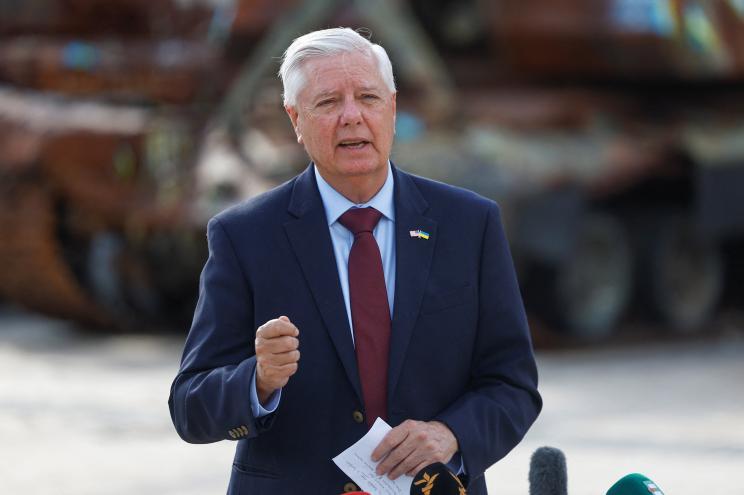
The passage of the “sanctions from hell” bill by both houses of Congress provides a fitting tribute to its original sponsor, Lindsey Graham (R-SC), the warmonger who died from an alleged heart attack on July 11 after returning to Washington, D.C., from a visit to Ukraine.
Targeting Russian oil and gas exports, the Lindsey O. Graham Sanctioning Russia and Iran Act allows the Trump administration to impose tariffs of up to 100% on the five largest importers of Russian crude oil or natural gas and tariffs of 500% on Russian oil, gas, petroleum products, petrochemicals and coal imported into the U.S.
Additionally, the act includes new sanctions against Russian President Vladimir Putin and members of his inner circle, targets the Russian defense sector and shadow fleet of oil tankers Russia allegedly uses to evade other sanctions, and expands sanctions on Iran’s energy and weapons sectors through 2031.
At the conclusion of the Senate vote on August 7, Lindsey’s sister, Darline, who has taken over his Senate seat, was given the honor of announcing the final tally.
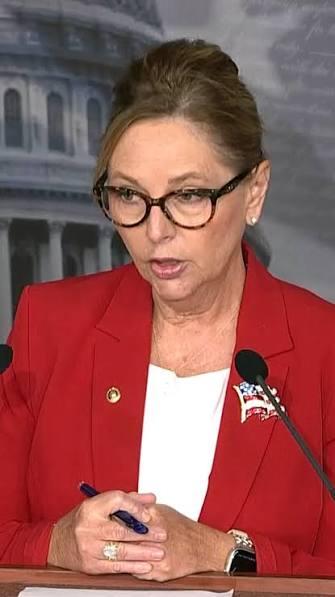
Ukrainian President Volodymyr Zelensky, who attended Graham’s funeral, called the passage of the Lindsey O. Graham Sanctions Russia and Iran Act the “best way to honor his memory.”
According to the New York Post, the bill was noble in its aim of “starving Russia’s war machine” and trying to help dethrone the “madman of Moscow [Vladimir Putin],” and reflected Graham’s “steely opposition to America’s enemies” which will “define his legacy.”
The Post’s juvenile way of thinking is apparently shared by the majority of elected congressmen and women who supported the bill, which passed in the Senate by an 86-11 vote and 262 to 159 in the House on September 16.
The bill’s co-sponsor, Senator Richard Blumenthal (D-CT) said that “this bill says to Vladimir Putin, ‘your days of war are numbered. You are on the losing side. Better to come to the table now than sacrifice more lives, waste more money, crater your economy, destroy your standing in the world.’”[1]
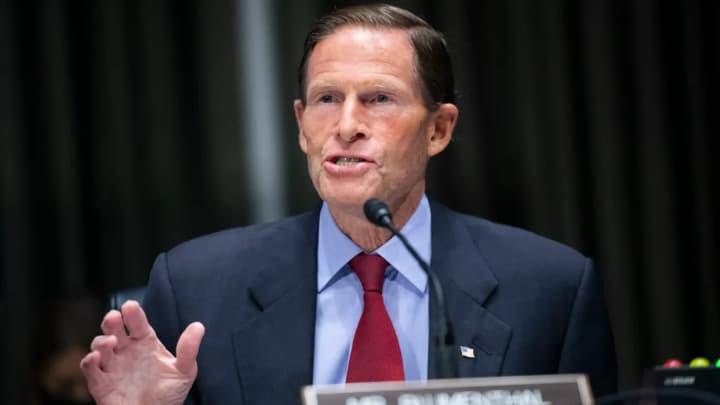
Blumenthal’s way of thinking is totally delusional as Russia is not on the losing but winning side of the war, having gained control of large swaths of territory in eastern Ukraine, and will not be pressured into making the kind of concessions that the U.S. wants.
Besides the territory it has gained, Russia has no reason to do the latter because it has effectively adapted to the sanctions by a) investing in the development of local industries; b) forging better regional trading ties with Central Asian countries and China; and c) finding new markets for Russian oil, among other things.
The Russian economy grew by more than 4% in 2023 and 2024, with manufacturing output rising nearly 23% since 2022 and unemployment rates remaining low at around 2.3%.
In an August 11 article on a Ukrainian drone attack on Nizhnekamsk, home to Russia’s largest oil refineries, The New York Times reported that “the Russian economy, while weighted down by heavy spending on the war is not near collapse and it has received a boost from higher oil prices driven by the conflict between the United States and Iran.”[2]
To think that the new round of sanctions will precipitate Russia’s economic and political collapse is as fanciful as the belief that the U.S. can overthrow the Iranian government and impose the Shah’s son so things would go back to the way they were in the 1960s and 1970s.
Rand Paul, the lone Senate Republican to vote against the sanctions bill, wrote in an article on August 7 that “imposing a 100 percent tariff on all goods imported from countries like China and India [that buy oil from Russia] is the economic equivalent of shooting ourselves in the foot.”
According to Paul, the sanctions bill was written with such blind rage that, “rather than compel a change in Vladimir Putin’s behavior, its punitive measures would make American families poorer and undermine our national interests [including by establishing essentially a $100 trillion tax in the form of a tariff].”
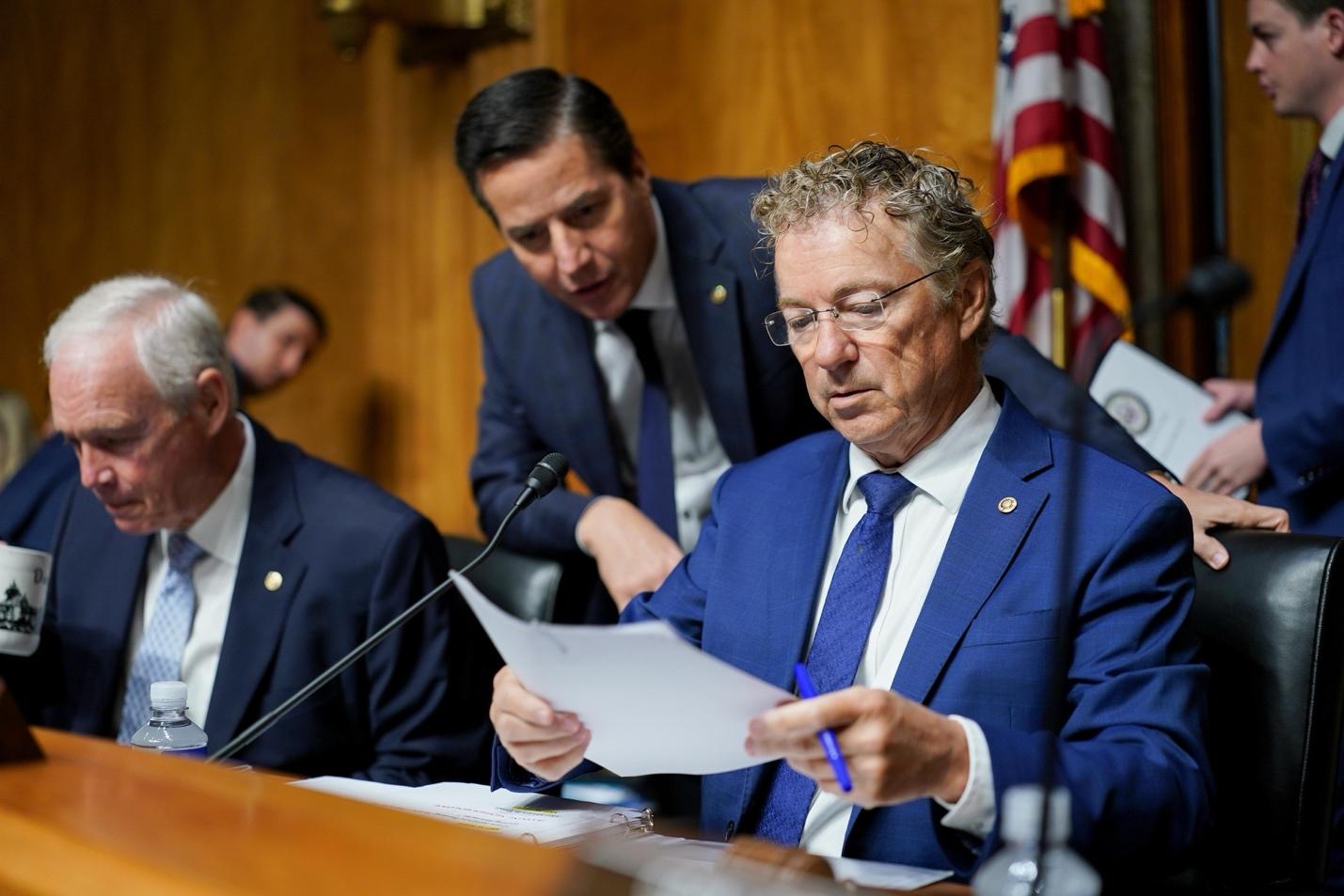
Democratic Party lawmakers who opposed the sanctions bill offered similar logic to Paul, arguing that the bill granted Trump tariff authorities the Supreme Court had already shut down and that the sanctions would actually harm U.S. support for Ukraine and embolden Putin (who remains their bête noir).
In June 2025, Graham had called the sanctions bill “an economic bunker buster against China, India and Russia for Russia’s brutal invasion of Ukraine.”
An earlier version of the legislation drafted by Graham would have authorized the president to impose 500% tariffs on Russian products and tariffs and up to 500% on countries that purchased Russian oil and gas. Rand Paul argued that those provisions would “cause an economic calamity on a scale never before seen in America.”
Mythic Election Meddling and Other False Pretexts
In 2018, when Graham first introduced the “sanctions from hell” bill, he stated that it was necessitated by Russian election meddling, including supposedly in the 2018 mid-term elections, which has never been substantiated.
Newly declassified documents in fact show that U.S. intelligence agencies had no proof of Russian election meddling in the 2016 election (despite public claims to the contrary) and that Vladimir Putin disdained both candidates and withheld incriminating documents Russian intelligence services had obtained regarding Hillary Clinton’s health problems and anger management issues. (If Putin were intent on interfering in the election and supporting Donald Trump, he would have released those documents which made Clinton look bad.)
After Graham introduced the sanctions bill in August 2018, The New York Times quoted him as stating that “our goal is to change the status quo and impose crushing sanctions and other measures against Putin’s Russia until he ceases and desists meddling in the U.S. electoral process, halts cyberattacks on U.S. infrastructure, removes Russia from Ukraine and ceases efforts to create chaos in Syria.”
The charge that Russia was attempting to create chaos in Syria is a reversal of reality, as it was the U.S. that had helped ignite Arab Spring protests and armed jihadist terrorists under the CIA’s Operation Timber Sycamore, whose aim was to topple Syria’s nationalistic government headed by Bashar al-Assad. Russia, by contrast, intervened in Syria years after foreign subversion in order to try to help defend the Assad government, which was popularly rooted.
From their inception in December 2012, U.S. sanctions directed against Russia were based on repeatedly fraudulent pretexts.
They are part of an underlying political agenda whose goal is to weaken the Russian economy and destabilize the Russian government under Putin who has adopted more nationalistic policies compared to predecessor Boris Yeltsin and stood up to U.S. efforts to dominate oil-rich Central Asia and take control of Russia’s own natural resources.
That many of the sanctions have targeted the Russian oil and gas industry further reflects on them being part of an energy war intended to bolster the fortunes of American oil and natural gas producers which are looking to take over from Russian suppliers following the shale gas revolution in the U.S., or fracking boom, that caused a surplus in the U.S. oil and gas market.
In December 2012, Graham, who called Putin’s Russia “a terrorist state,” voted in favor of the Magnitsky Act, signed into law by President Baack Obama.
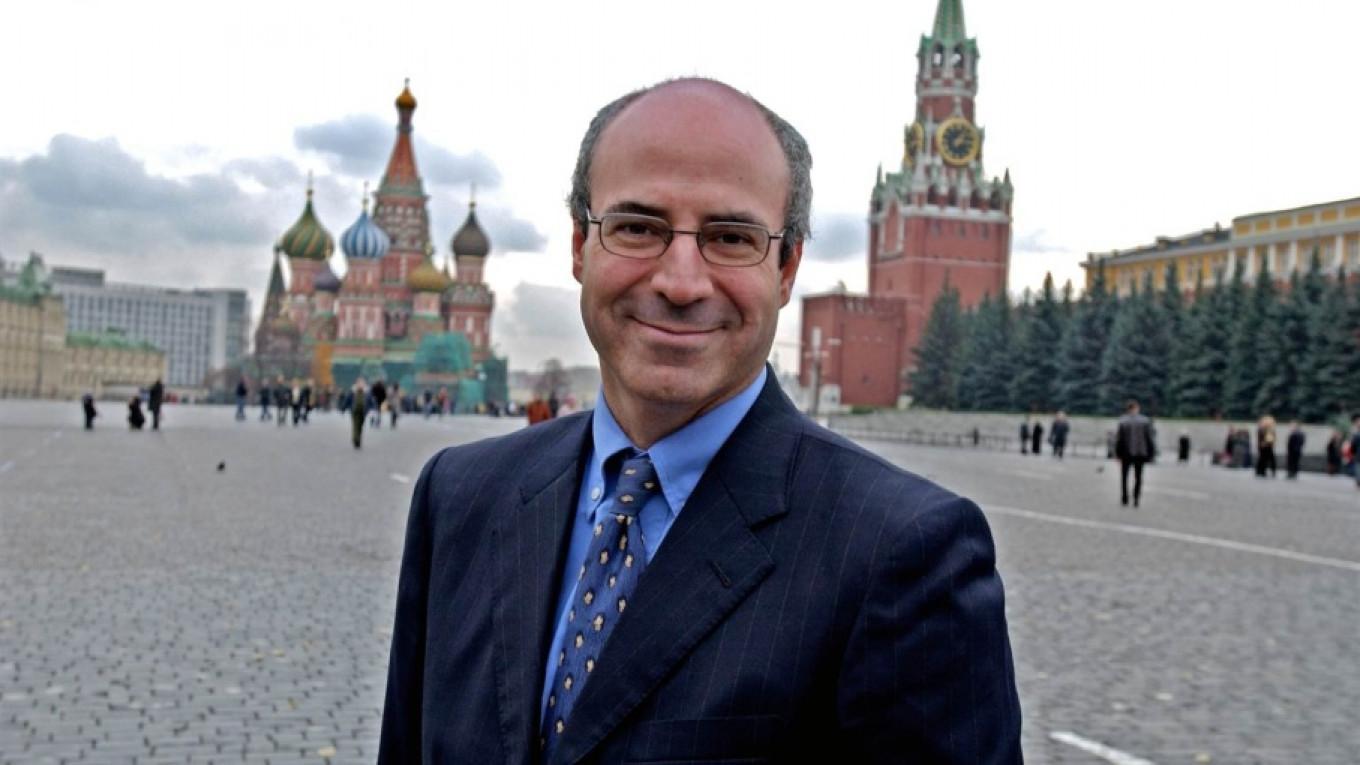
The Magnitsky Act provided an opening salvo in the new Cold War by first applying sanctions on Russia because of its alleged persecution of whistleblower Sergey Magnitsky. He died in prison after supposedly exposing a scam by which the Russian government defrauded the company owned by hedge-fund manager Bill Browder of $230 million.
Grandson of former Communist Party USA Chairman Earl Browder who has been accused of being a British MI-6 agent, Bill Browder used his political connections to lobby for passage of the bill named after Magnitsky, whom he claimed was his attorney.
An investigation by Russian filmmaker Andrei Nekrasov determined that Magnitsky was not actually a lawyer or whistleblower but, rather, Browder’s accountant who had helped him to evade Russian tax laws, and that it was Browder who had defrauded the Russian government and not vice versa.
Additionally, Browder lied about the circumstances surrounding Magnitsky’s death, which was not caused by authorities in the prison where he was held.
Browder’s function as an anti-Russian propagandist driving forward the new Cold War was apparent after Graham’s death when he wrote on X that Russian agents could have poisoned Graham during his trip to Ukraine. According to Browder, Russian agents are “expert” at poisoning people and that they often operate inside Ukraine.
Building off the fraudulent pretexts surrounding the Magnitsky Act, Graham justified various rounds of sanctions based on unverified accusations and crimes that appear to have been committed or manufactured by British/U.S. and or Ukrainian intelligence services.
These crimes include the Skripal poisoning, the shoot-down of the MH-117 aircraft, and the poisoning of Russian opposition leader Alexei Navalny.
CovertAction Magazine has written about each of these cases and found the official story used to justify sanctions on Russia to be a lie. See the investigations here, here and here.
Known as the Senate’s leading Russia hawk after the death of John McCain (R-AZ), Graham served on the Board of Directors of the International Republican Institute, one of the four core institutes of the National Endowment for Democracy (NED) a CIA front specializing in propaganda.
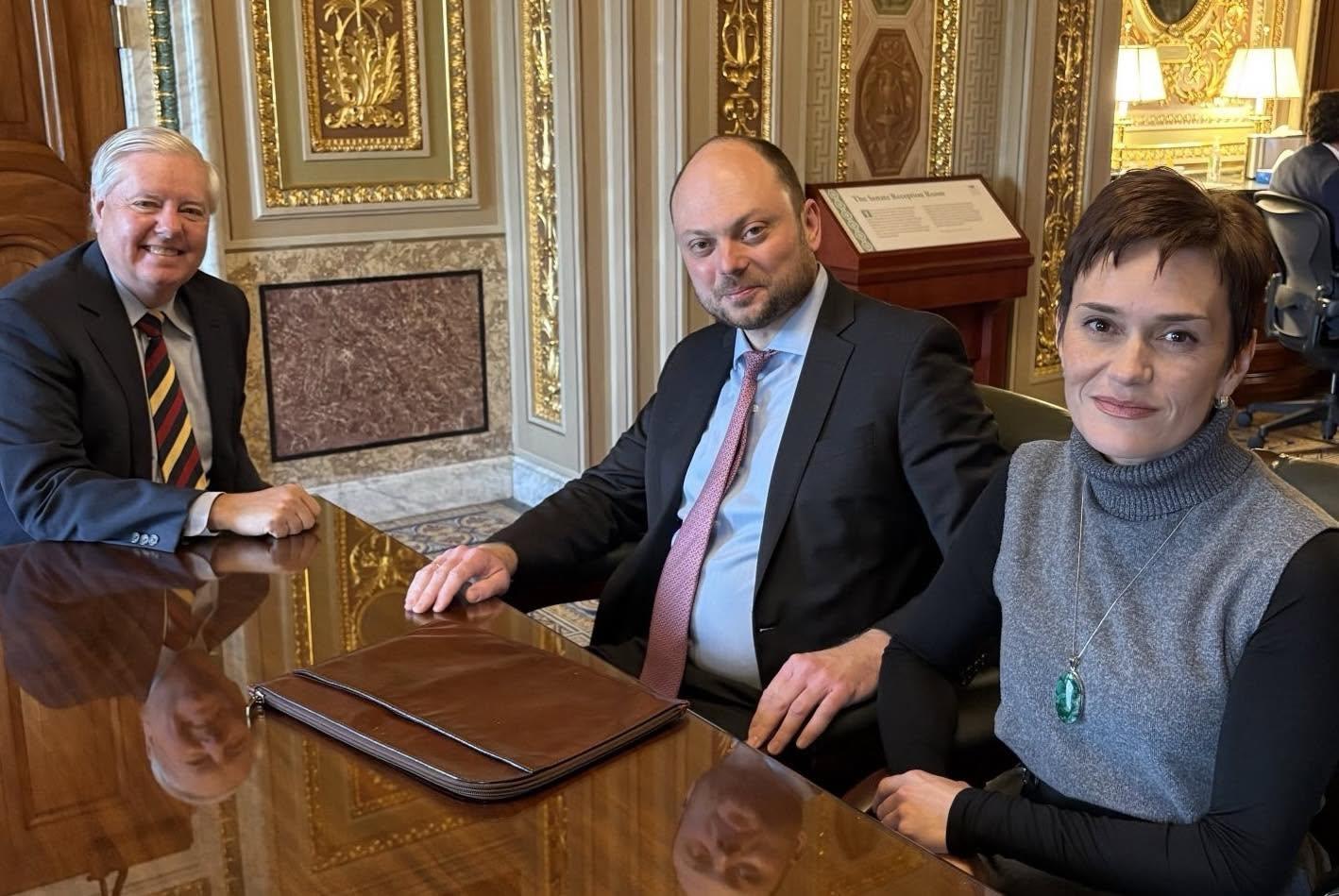
In that capacity, Graham cultivated close ties with Russian dissidents linked to U.S. intelligence like Vladimir Kara Murza, who boasted in December 2025 when he met with Graham that his mega-sanctions bill “would make Putin pay for his aggression against Ukraine.”
Prior to his death, Graham received major financial support from oil and gas producers and other energy companies, according to opensecrets.com.
This helps to explain his hawkish anti-Russia positions and promotion of the “sanctions from hell” bill, which aims to destroy the Russian oil and gas industry so that U.S. firms can pick up their customers and take over their market share.
The sanctions policy is especially dangerous at this time as it represents another escalation combined with mounting Ukrainian drone attacks on Russian oil refineries and civilian infrastructure that threatens to undermine any attempted negotiation for an end to the Ukraine conflict and could ultimately lead towards World War III.
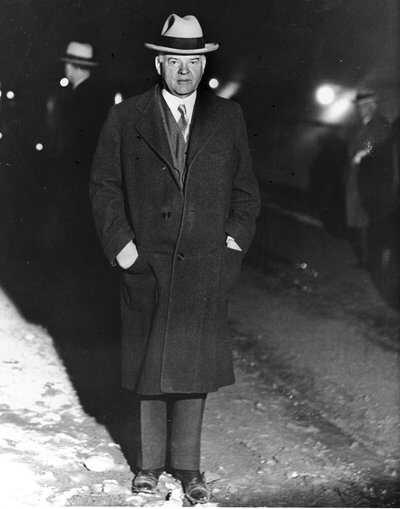
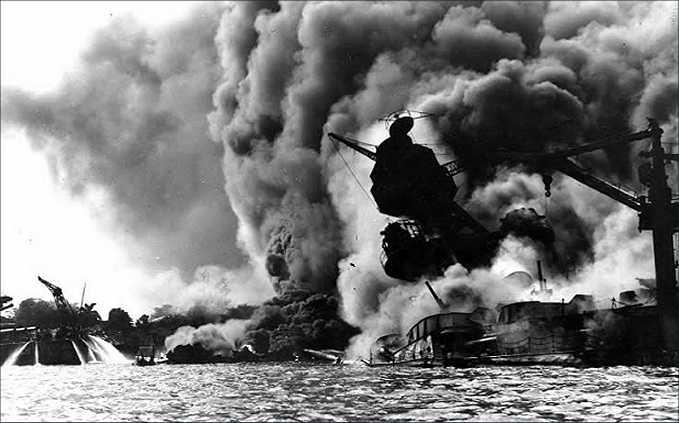
When the Roosevelt administration applied sanctions on Japan in the 1930s and an oil embargo, ex-President Herbert Hoover (1929-1932) said the FDR administration was “certainly doing everything they can to get us into war through the Japanese back door.”[3]
Hoover was correct as the U.S. sanctions and oil embargo on Japan provoked the Pearl Harbor attacks, which the FDR administration then allowed to go forward because it wanted to crush Japan and establish a U.S. Asia-Pacific empire of military bases that persists over eighty years later.[4]
Sadly, history appears to be repeating itself in a different guise today with a declining U.S. empire is doing everything it can to provoke a war with a geopolitical rival that this time it cannot actually win.
House bill sponsor Michael McCaul (R-TX) said that the Russia sanctions bill was critical in sending a message to Vladimir Putin about U.S. support for Ukraine and warning Chinese President Xi Jinping against attempted aggression against Taiwan. According to McCaul, “Senator Lindsey Graham understood these global threats well, and that’s why he spent more than a year working on this legislation, which I promised him I would introduce in the House.” House Speaker Mike Johnson heralded the bill’s passage, saying it places “maximum pressure on…the Russian war machine.” ↑
Ivan Nechepurenko and Siobhan O’Grady, “Ukrainian Drone Attack Strikes Deep Into Russia,” The New York Times, August 11, 2026, A6. ↑
William L. Neumann, The Genesis of Pearl Harbor (Philadelphia: The Pacifist Research Bureau, 1945), 48; Edward S. Miller, Bankrupting the Enemy: The US Financial Siege of Japan Before Pearl Harbor (Annapolis: Naval Institute Press, 2007). ↑
See Jeremy Kuzmarov, “Eighty Years of Lies: President Franklin Roosevelt Told Public Pearl Harbor Was A Surprise Attack—However There Is Considerable Evidence Demonstrating Government Foreknowledge,” CovertAction Magazine, December 3, 2023.
CovertAction Magazine is made possible by subscriptions, orders and donations from readers like you.
Blow the Whistle on U.S. Imperialism
Click the whistle and donate
When you donate to CovertAction Magazine, you are supporting investigative journalism. Your contributions go directly to supporting the development, production, editing, and dissemination of the Magazine.
CovertAction Magazine does not receive corporate or government sponsorship. Yet, we hold a steadfast commitment to providing compensation for writers, editorial and technical support. Your support helps facilitate this compensation as well as increase the caliber of this work.
Please make a donation by clicking on the donate logo above and enter the amount and your credit or debit card information.
CovertAction Institute, Inc. (CAI) is a 501(c)(3) non-profit organization and your gift is tax-deductible for federal income purposes. CAI’s tax-exempt ID number is 87-2461683.
We sincerely thank you for your support.
Disclaimer: The contents of this article are the sole responsibility of the author(s). CovertAction Institute, Inc. (CAI), including its Board of Directors (BD), Editorial Board (EB), Advisory Board (AB), staff, volunteers and its projects (including CovertAction Magazine) are not responsible for any inaccurate or incorrect statement in this article. This article also does not necessarily represent the views the BD, the EB, the AB, staff, volunteers, or any members of its projects.
Differing viewpoints: CAM publishes articles with differing viewpoints in an effort to nurture vibrant debate and thoughtful critical analysis. Feel free to comment on the articles in the comment section and/or send your letters to the Editors, which we will publish in the Letters column.
Copyrighted Material: This web site may contain copyrighted material the use of which has not always been specifically authorized by the copyright owner. As a not-for-profit charitable organization incorporated in the State of New York, we are making such material available in an effort to advance the understanding of humanity’s problems and hopefully to help find solutions for those problems. We believe this constitutes a ‘fair use’ of any such copyrighted material as provided for in section 107 of the US Copyright Law. You can read more about ‘fair use’ and US Copyright Law at the Legal Information Institute of Cornell Law School.
Republishing: CovertAction Magazine (CAM) grants permission to cross-post CAM articles on not-for-profit community internet sites as long as the source is acknowledged together with a hyperlink to the original CovertAction Magazine article. Also, kindly let us know at info@CovertActionMagazine.com. For publication of CAM articles in print or other forms including commercial internet sites, contact: info@CovertActionMagazine.com.
By using this site, you agree to these terms above.
About the Author
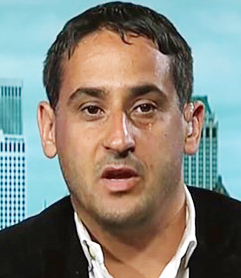
Jeremy Kuzmarov holds a Ph.D. in American history from Brandeis University and has taught at numerous colleges across the United States. He is regularly sought out as an expert on U.S. history and politics and co-hosts a radio show on New York Public Radio and on Progressive Radio News Network called “Uncontrolled Opposition.”
He is Managing Editor of CovertAction Magazine and is the author of eight books, including Obama’s Unending Wars (Clarity Press, 2019), The Russians Are Coming, Again, with John Marciano (Monthly Review Press, 2018), Warmonger. How Clinton’s Malign Foreign Policy Launched the U.S. Trajectory From Bush II to Biden (Clarity Press, 2023); with Dan Kovalik, Syria: Anatomy of Regime Change (Baraka Books, 2025), and Political Assassinations in America: The Intricate Nexus of Deep State Crime (Clarity Press, 2026).
Besides these books, Kuzmarov has published hundreds of articles and contributed to numerous edited volumes, including one in the prestigious Oxford History of Counterinsurgency .
He can be reached at jkuzmarov2@gmail.com and found on substack here.