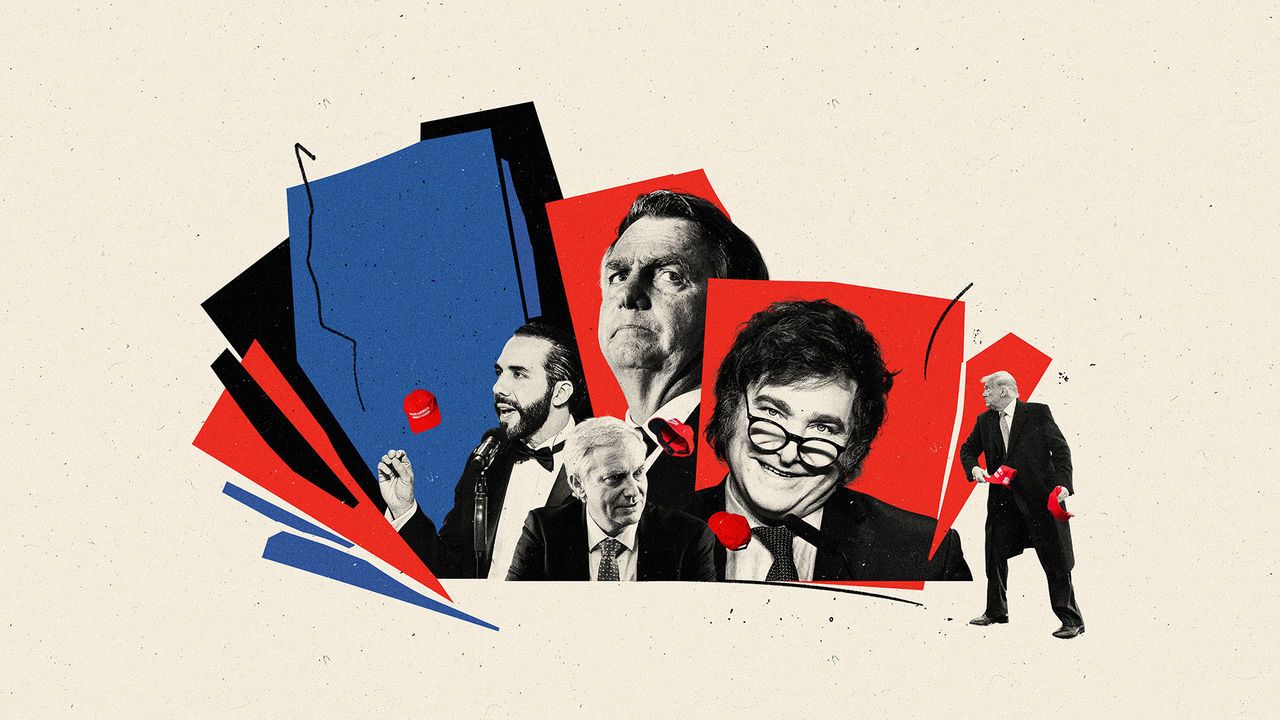
Some of the remnant socialist governments appear to be sliding toward subservience
“Respect for sovereignty is the most significant norm in international politics, and its purpose is to minimize war and facilitate peaceful relations among states.”
—John Mearsheimer
American political scientist and international relations scholar and professor
The U.S. war against Vietnam was driven by the imperialist assumption that Vietnam was one of many inevitable dominoes that would fall to communism. But the communist dominos did not fall. Instead, today, we face a dramatic, devastating loss of progressive governments throughout Latin America, with the domino game won by the reactionary forces.
We must learn from history, or we are doomed to repeat it. But today, there is little public discussion and analysis of what led to these Latin American losses, if not outright condemnation of such questions.
Though all the winds of doctrine were let loose to play upon the earth, so Truth be in the field, we do injuriously, by licensing and prohibiting, to misdoubt her strength. Let her and Falsehood grapple; who ever knew Truth put to the worse, in a free and open encounter?
— John Milton
17th century English poet, polemicist, and civil servant
During the Cold War, the U.S. had a long pattern of supporting right-wing coups, dictatorships and death-squad operations, driven by the imperatives of big business which wanted to exploit Latin American resources.
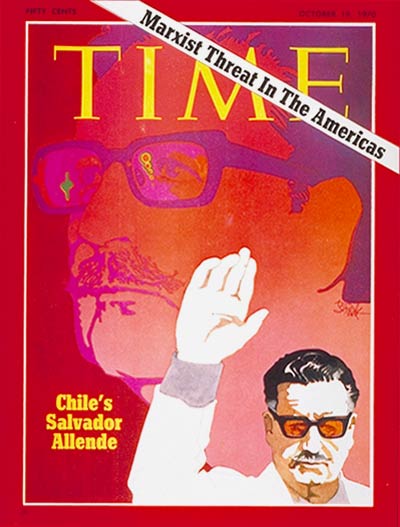
One of the most notorious cases was Chile, where the CIA backed a coup against democratically elected leader Salvador Allende that brought in fascist Augusto Pinochet.
Today, as Peoples Dispatch reported: “The far right in Latin America is shaped by an anti-left agenda that it inherits from the Cold War, which means that its political formations typically endorse the era of U.S.-backed military dictatorships. The ideas of the left, whether from the Cuban Revolution (1959) or from the era of the Pink Tide (after 1998), are anathema to these political forces; these ideas include agrarian reform, state-led finance for industrialization, state sovereignty, and the importance of trade unions for all workers and peasants.”
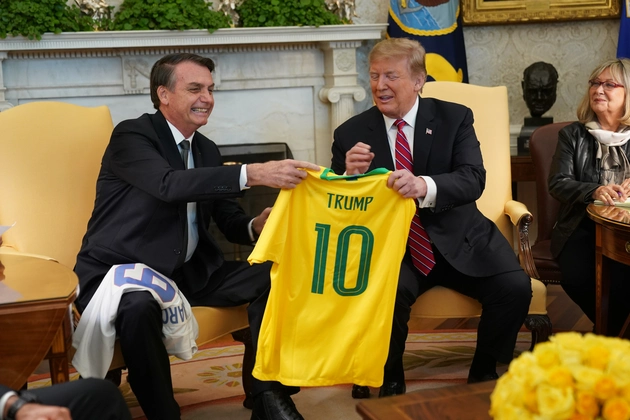
Glenn Greenwald agrees: “Other than Uruguay, Brazil is the last country in South America still governed by a left-wing or center-left government, with one country after another electing leaders on the right: Argentina, Colombia, Peru, Ecuador, Chile, etc.”
Medea Benjamin also agrees: “Across the continent—from Colombia and Peru to Argentina, Chile, Ecuador, Honduras, Bolivia and Panama—there has been a stark reversal of the region’s progressives that brought hope for a more independent and socially just Latin America. The only two major powers in Latin America still governed by the left are Mexico and Brazil—and Brazil faces a fiercely contested presidential election in October.” Unfortunately, the recent election requires a runoff, as neither Bolsonaro nor Lula received over 50% of the vote. What is particularly concerning, is that Lula did not come in as strong as most predicted.
Alan MacLeod reports in Mint Press that “The United States is interfering in the Brazilian presidential elections, pressuring the Brazilian electorate into voting for right-wing candidate Flavio Bolsonaro, the son of disgraced former president, Jair Bolsonaro. If that does not work and President Lula da Silva secures a fourth term in office, the groundwork is already being laid for a potential military intervention.”
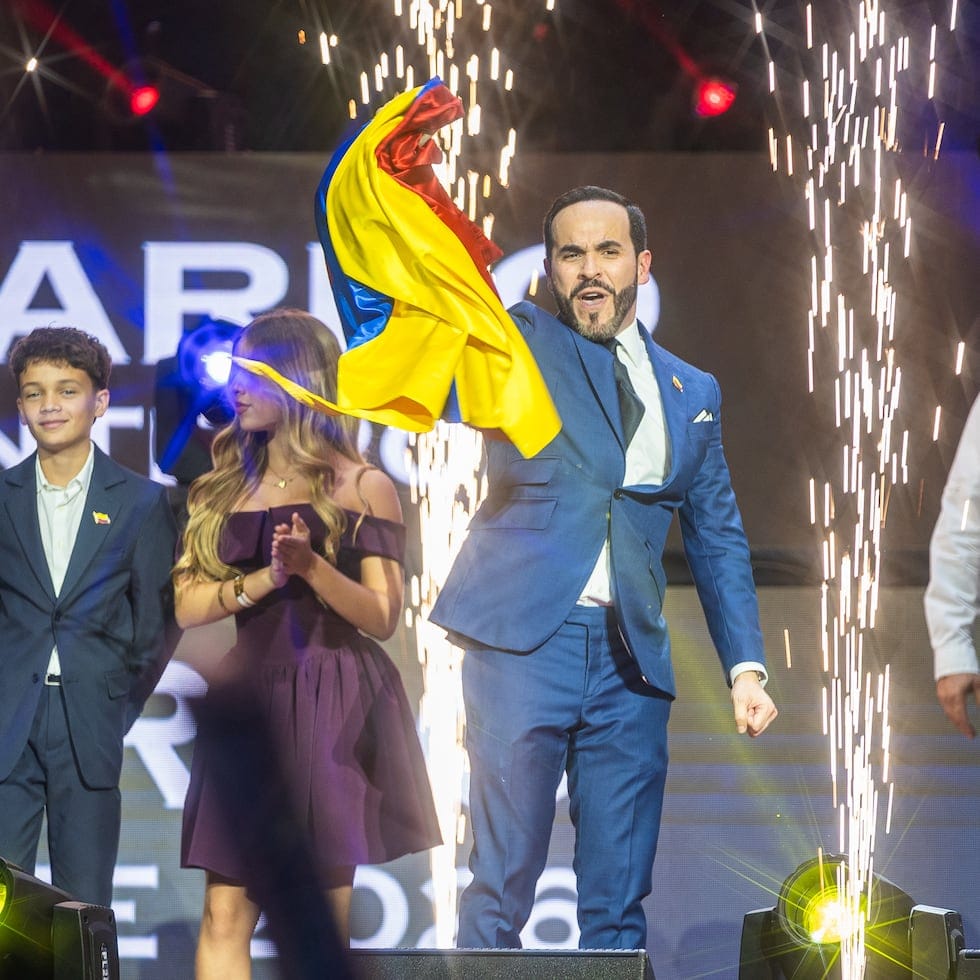
Colombia’s domino fell when its left-wing presidential candidate Ivan Cepeda conceded defeat on June 24 to hard-right populist Abelardo de la Espriella following a tight run-off race.
“There had been doubts among the Cepeda camp about the legitimacy of the vote process, with President Gustavo Petro—who was closely involved in the leftist candidate’s campaign—openly alleging fraud and foreign interference before and after the election.”
As CovertAction Magazine has warned, “Colombia is Fast Becoming a Neo-Colonial Outpost Under Its New Right-Wing President.”
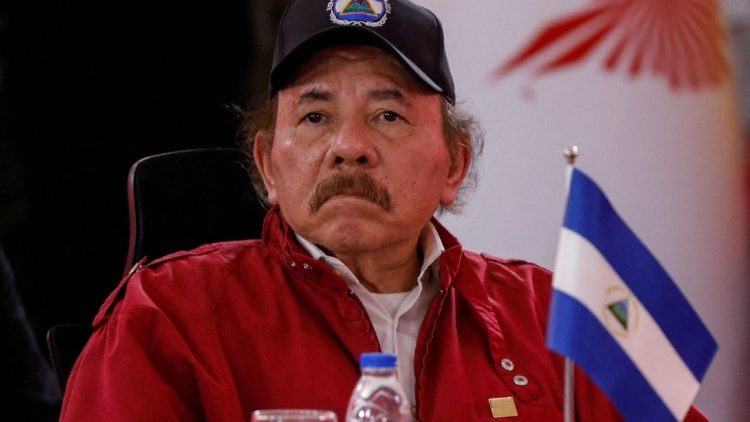
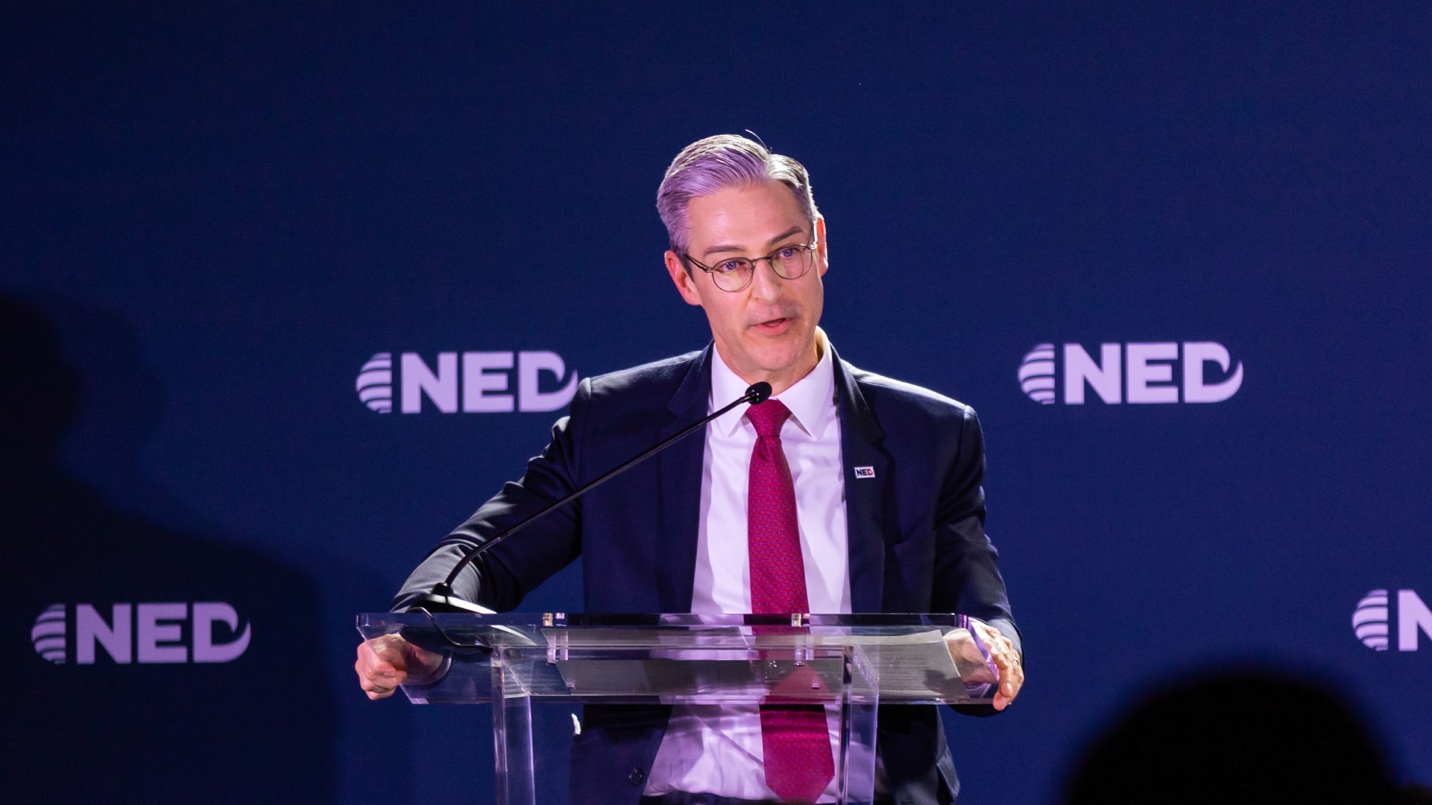
Nicaragua faces electoral interference as well. As reported in The Grayzone, “In his national address on July 19, Nicaraguan President Daniel Ortega stated that, when the country’s next elections take place in 2027, none who promoted a violent anti-government insurrection in 2018 will be allowed to stand for office.” He declared that Nicaragua has the “sovereign right to fight foreign interference in its electoral process…Washington’s plans for regime change in Nicaragua are hardly a secret…The National Endowment for Democracy’s president, Damon Wilson, bragged to a House committee in February that his organization is funding media in Nicaragua with an eye to undermining its Sandinista government.”
Lest we forget, government control of media is essential for fascism to take hold. Benjamin outlines how “The market concentration of Latin American media conglomerates is among the highest in the world, with four transnational companies controlling 89 percent of the broadcast media across six major countries…The market power of these huge media conglomerates is a real obstacle to any movement for democracy or socialism.” Even darker, she reports that Allen Weinstein, a founder of the National Endowment for Democracy, told The Washington Post in 1991, “A lot of what we do today was done covertly 25 years ago by the CIA.”
After Venezuela was subject to a U.S. military invasion on January 3, which resulted in the kidnapping of sitting president Nicolás Maduro and his wife Celia Flores, then-Venezuelan Foreign Minister Yván Gil said “We found ourselves alone.”
In the article titled “The U.S. Tried to Decapitate Venezuela: The Revolution Survived,” those who question whether U.S.-installed interim President Delcy Rodríguez had a choice are told that is the context which needs to be understood.
It was certainly a devastating disappointment that Russia and China, or neighboring countries such as Colombia and Brazil, did not (though under the boot of the U.S.) more militantly advocate for Maduro and Flores’s return. The illegal murders on the open seas of the Caribbean—with impunity—was writing on the wall that Venezuela was the next domino to fall. Why did the efforts to prevent the fall fail?
Months before the kidnapping, Rodríguez told The New York Times: “The Pentagon always had a strategic objective of obtaining Venezuelan reserves.” Today she asserts: “There is something that must be made absolutely clear: Venezuela retains the ownership and sovereignty over its resources.” However, former Vice President and veteran Chavista figure Elías Jaua accused Washington of stripping the nation of its sovereignty and taking control of its natural resources. When is sovereignty lost?
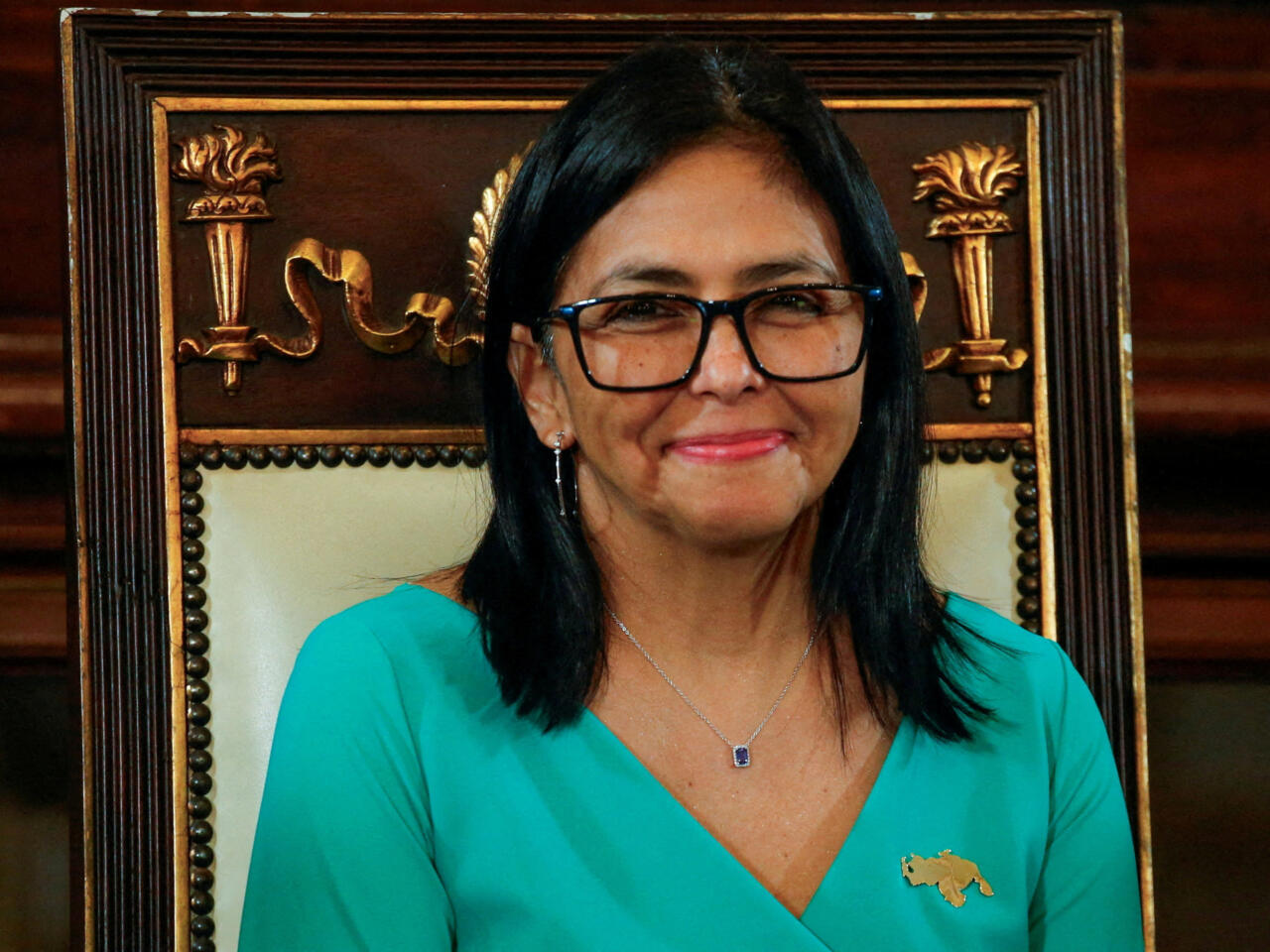
Maduro and Flores still sit behind bars in New York. On September 3, Maduro urged the judge to dismiss the criminal drug-trafficking charges against him, arguing he should be immune from prosecution as the head of a sovereign country.
Is Venezuela still a sovereign country? Former Venezuelan Foreign Minister Jorge Arreaza said, “Everything is now negotiated” with Washington, requiring a daily give-and-take with Caracas. When does it become regime change if everything must be negotiated with Washington?
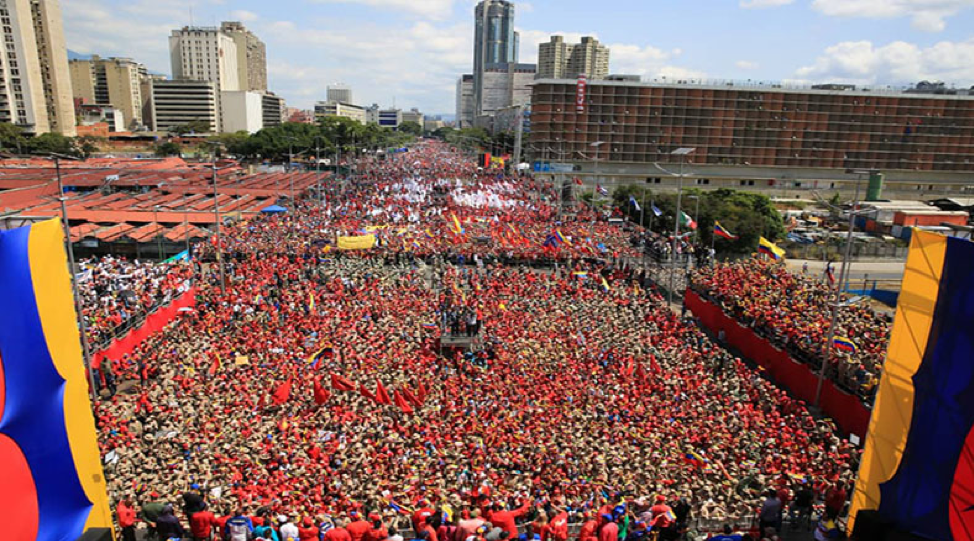
Peoples Dispatch reports that, “Despite every attempt to overthrow the government of Venezuela, President Nicolás Maduro remains in charge and has mobilized large sections of the population to defend the Bolivarian Revolution against any threats.” But as is acknowledged, “…U.S. imperialism, by having a gun pointed to the government’s head, is in a position to exert substantial coercion leading to unpalatable decisions, such as Alex Saab’s deportation.”
Doesn’t “substantial coercion” trespass upon sovereignty? When domestic peace occurs due to a gun to your head, is it the measure of success? Saab’s deportation is more grievous than unpalatable.
Although María Corina Machado is now hiring D.C. lobbyists for access to Venezuela’s future, those who question Rodriguez’s decisions are compared to Machado. “It was not so long ago that it was the likes of far-right María Corina Machado who highlighted ‘cracks and fissures within the Chavista ranks’ and anticipated ‘the beginning of a social explosion’ against the elected Venezuelan government. Now some solidarity activists are saying the same.”
Criticizing a government does not make one equivalent to a particular opposition figure. Asking questions is not counterrevolutionary, but essential. What insights have we gained during this period of U.S. imperialism?
CovertAction Magazine’s “Cuba Is Not Venezuela or Jamaica as It Refuses to Become a U.S. Neo-Colony” recounts how, when Jamaican Prime Minister Michael Manley refused Henry Kissinger’s demand to end support for the Angola liberation struggle, the U.S. made sure Manley would lose the next election. Jamaica has been a willing servant of the Empire ever since, recently ending an essential Cuban health care program that brought doctors to the country. A neo-colony is certainly not sovereign.
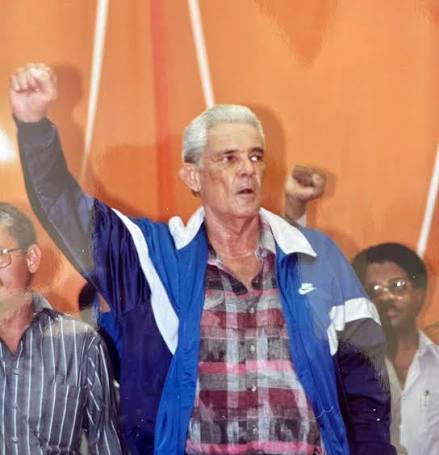
It is tragic that Venezuela is used as the current example of what other countries want to avoid. Maduro recently posted that “Venezuela will be reborn.” Venezuelan popular movements now call for ‘anti-imperialist resistance’ to the recent oil deal for its lack of transparency and implications for Venezuelan sovereignty. Organizer Orlando Vega argued that the Venezuelan government “stumbled” in its response to the January 3 U.S. attacks. He urged a demand for the release of Maduro and Flores and a review of legislation approved “under U.S. coercion.”
But a key political question is: “What remains of Bolivarian sovereignty if control over the country’s primary energy resources is gradually transferred to private actors linked to U.S. interests?…A process born in the name of sovereignty and independence risks resulting in the subordination of key strategic resources to the interests of a foreign power…Venezuela faces what appears to be the liquidation of sovereignty, self-determination, and the legacy of the Bolivarian Revolution.”
“History shows that, more often than not, loss of sovereignty leads to liberalization imposed in the interests of the powerful.”—Noam Chomsky
Veteran Intelligence Professionals for Sanity (VIPS) recently issued a memo which states that Cuba is not Venezuela. They predict that “The same people who keep ’57 Chevrolets on the road with a coat hanger will wreak havoc against a foreign-imposed regime.”
Cuba refuses to accept a dialogue based on subordination. It declares it will engage in dialogue with Washington, but will not negotiate under pressure or cede its sovereignty. “We have no alternative but to resist. We must resist,” said Cuban President Miguel Díaz-Canel, who explicitly linked the defense of socialism to the defense of national independence and sovereignty. Is Cuba’s refusal to kneel to Uncle Sam the reason the U.S. strategy for Cuba recently shifted from the military option to sanctions?
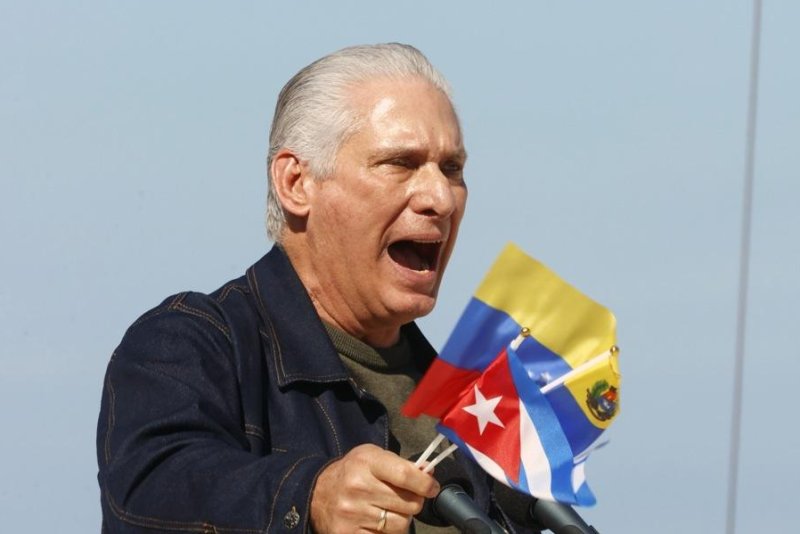
“Our position is that we do not accept conditions of any kind which may affect the independence and sovereignty of our country just with the view to solve economic problems existing between the United States and Cuba.”—Fidel Castro
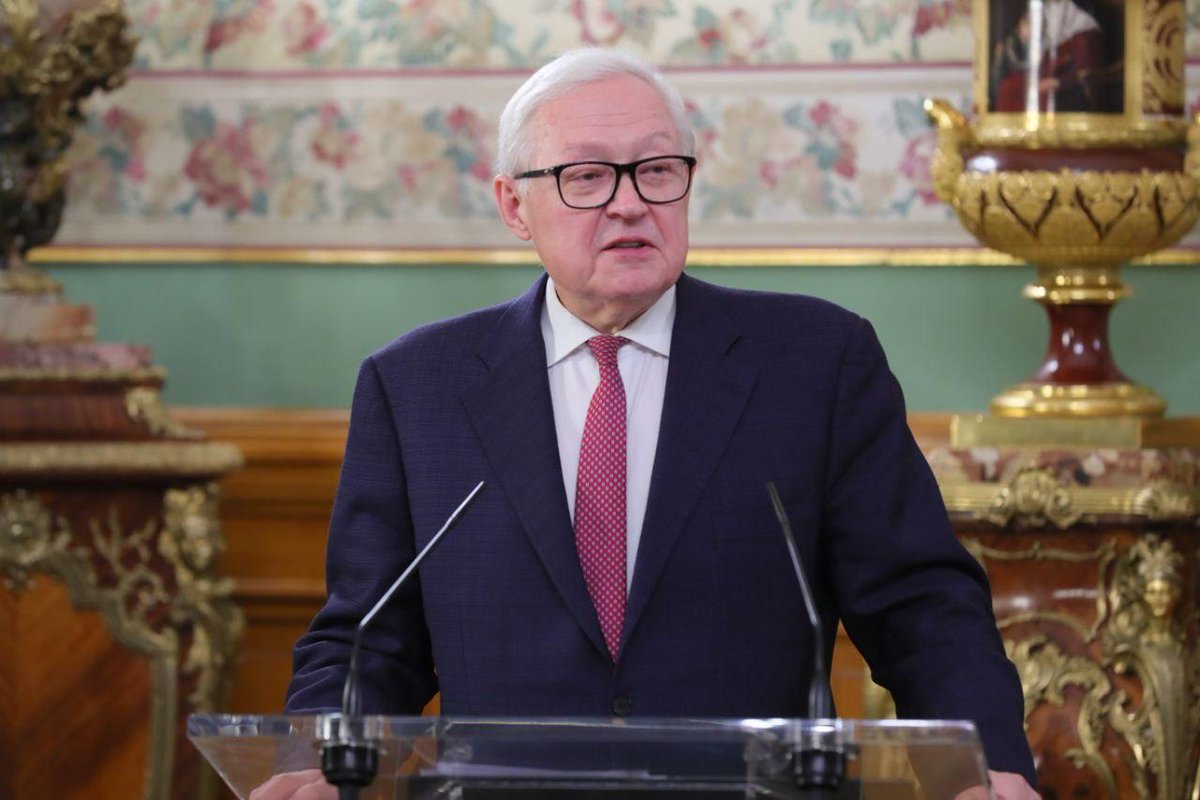
The Soviet Union helped Cuba survive its illegal sanctions, begun in 1960, but since the fall of the Soviet Union in 1991, Cuba suffered and struggled under increasing sanctions—mostly alone. In a promising new development, Russian Deputy Foreign Minister Sergei Ryabkov recently announced that Russia and Cuba will continue strengthening their strategic partnership despite attempts to undermine bilateral cooperation through intimidation and political pressure.
The Pillar of Sovereignty
The Peace of Westphalia, which established the nation-states in 1648, enshrined the concept of state sovereignty into international law, which was formalized centuries later by the United Nations Charter. The founding principle was that every State, regardless of size and economic importance, has an equal right to sovereignty. This cornerstone of modern international law establishes the concept that a nation-state has supreme, independent authority over its own territory and domestic affairs.
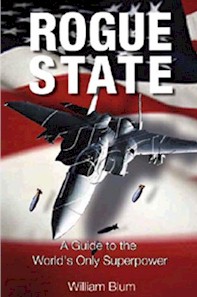
In tragic irony, sovereignty is used to justify the right to kill in defiance of international law. Carl Schmitt, a German philosopher and jurist who joined the Nazi Party in 1933, defined sovereignty as the “power to decide the state of exception.” William Blum’s Rogue State outlines in brutal detail how the U.S. has long been a lawless state, blind to others’ sovereignty, and the devastating danger that state of exception reflects.
Recently, Marco Rubio had the audacity to claim that “The ICC [International Criminal Court] poses an intolerable threat to U.S. sovereignty.” Then on October 9, the U.S. imposed new sanctions on the ICC, apparently because the Nobel Peace Prize was awarded to Navi Pillay, a former ICC judge who once criticized Israel.
However, “The ICC is not claiming jurisdiction over conduct in the United States,” said Kenneth Roth, of Human Rights Watch. “Rubio is dressing up his quest for impunity for American war crimes under the label of national sovereignty, which ignores the sovereign right of other nations to invoke the ICC for crimes committed on their territory.” Sovereignty does not imply immunity, but accountability to the rule of law.
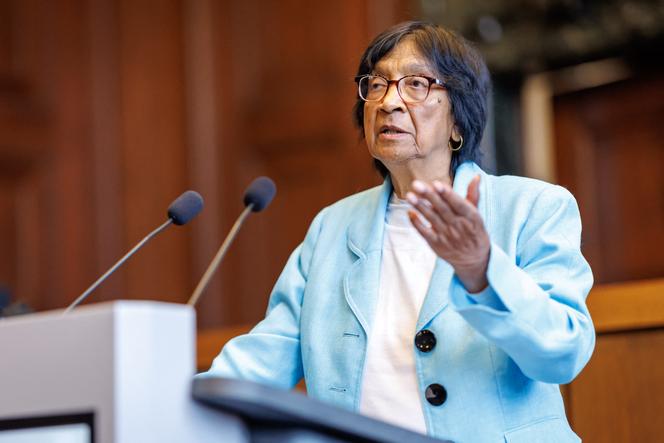
Vijay Prashad outlines the struggle for sovereignty in the Global South: “Can the nations of the Global South act together with sovereignty and dignity? Can they build institutions that serve their peoples rather than global capital?…A political consciousness that favours sovereignty and strategic autonomy is rising in the Global South.”
When a country gives up strategic autonomy, has it compromised its sovereignty? Prashad concludes: “The peoples of the Global South demand sovereignty, equality, and peace.” Sovereignty is becoming a mantra, though its clear meaning remains elusive.
“How does any country give up any sovereignty and expect to survive as a government?…That would be political suicide.”—Benigno Aquino III
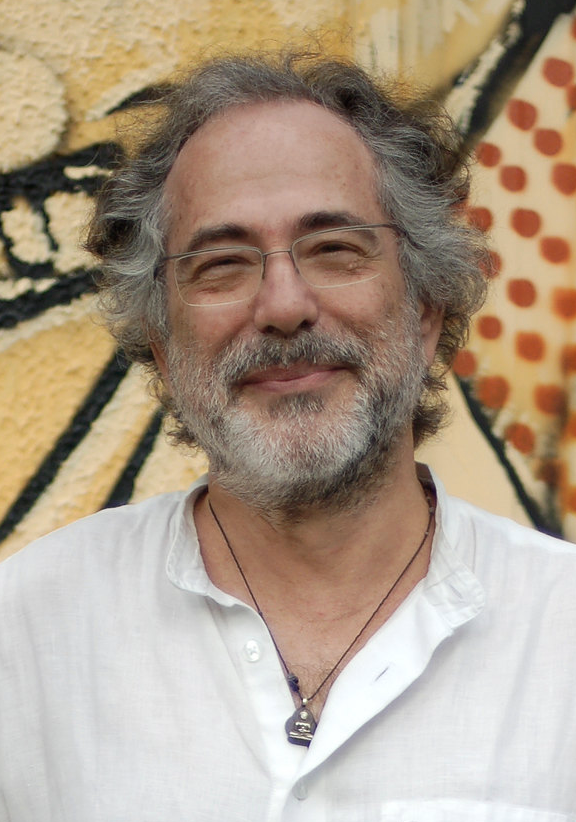
Geopolitical analyst Pepe Escobar explored modern global sovereignty in “Eurasia, the Hegemon, and the Three Sovereigns,” asserting that true, uncompromised national sovereignty in contemporary geopolitics requires reconceptualizing the understanding of sovereignty. He addressed the need to “pierce far beyond sovereignty as interpreted in conventional political science and predominant international relations narratives.”
When does genocide of resident civilians cancel the right to sovereignty over them? Banning a native language is legally genocide. Ukraine banned the Russian language on the first day of the 2014 coup.
So did Russia violate Ukraine’s sovereignty when it began the SMO? The Donbas, after 12,000 civilian deaths in eight years, voted—overwhelmingly—to rejoin the Russian Federation. The Duma voted to accept their request for reunification.
When international law fails, with total UN abdication, and agreements like Minsk I and Minsk II are used as a ruse, how is Ukraine’s alleged sovereignty legitimate while it commits genocide against its own people?
Cuba remains a sovereign socialist country which says it will not surrender. Venezuela reminds us how quickly a revolution can be compromised when sovereignty becomes a negotiable variable. What is the “difference between sovereignty and subordination, between resistance and surrender?”
When Castro won the Cuban Revolution, he immediately distributed guns to the peasants, because he knew that he needed the people to maintain the victory. And he certainly agreed with Frederick Douglass that “It’s better to die free, than live as a slave.”
Sovereignty requires that the people of each country are free to make their own choices, without coercion or a gun to their head.

CovertAction Magazine is made possible by subscriptions, orders and donations from readers like you.
Blow the Whistle on U.S. Imperialism
Click the whistle and donate
When you donate to CovertAction Magazine, you are supporting investigative journalism. Your contributions go directly to supporting the development, production, editing, and dissemination of the Magazine.
CovertAction Magazine does not receive corporate or government sponsorship. Yet, we hold a steadfast commitment to providing compensation for writers, editorial and technical support. Your support helps facilitate this compensation as well as increase the caliber of this work.
Please make a donation by clicking on the donate logo above and enter the amount and your credit or debit card information.
CovertAction Institute, Inc. (CAI) is a 501(c)(3) non-profit organization and your gift is tax-deductible for federal income purposes. CAI’s tax-exempt ID number is 87-2461683.
We sincerely thank you for your support.
Disclaimer: The contents of this article are the sole responsibility of the author(s). CovertAction Institute, Inc. (CAI), including its Board of Directors (BD), Editorial Board (EB), Advisory Board (AB), staff, volunteers and its projects (including CovertAction Magazine) are not responsible for any inaccurate or incorrect statement in this article. This article also does not necessarily represent the views the BD, the EB, the AB, staff, volunteers, or any members of its projects.
Differing viewpoints: CAM publishes articles with differing viewpoints in an effort to nurture vibrant debate and thoughtful critical analysis. Feel free to comment on the articles in the comment section and/or send your letters to the Editors, which we will publish in the Letters column.
Copyrighted Material: This web site may contain copyrighted material the use of which has not always been specifically authorized by the copyright owner. As a not-for-profit charitable organization incorporated in the State of New York, we are making such material available in an effort to advance the understanding of humanity’s problems and hopefully to help find solutions for those problems. We believe this constitutes a ‘fair use’ of any such copyrighted material as provided for in section 107 of the US Copyright Law. You can read more about ‘fair use’ and US Copyright Law at the Legal Information Institute of Cornell Law School.
Republishing: CovertAction Magazine (CAM) grants permission to cross-post CAM articles on not-for-profit community internet sites as long as the source is acknowledged together with a hyperlink to the original CovertAction Magazine article. Also, kindly let us know at info@CovertActionMagazine.com. For publication of CAM articles in print or other forms including commercial internet sites, contact: info@CovertActionMagazine.com.
By using this site, you agree to these terms above.
About the Author
Riva Enteen is the former Program Director of the San Francisco National Lawyers Guild.
She is a lifelong peace and justice activist, retired social worker, lawyer, and editor of “Follow the Money,” interviews by Pacifica Radio Flashpoints producer Dennis J. Bernstein.
In 2019, she went to Russia with a 50-member peace delegation. She can be reached at rivaenteen@gmail.com.