[This is the second part of the author’s investigation into the backstory behind 9/11. Part I can be read here.]
In August 2025, a federal judge in the Southern District of New York (SDNY) ruled that the perennial lawsuit filed by the families of 9/11 victims against the Kingdom of Saudi Arabia (KSA) can finally proceed to trial.
The landmark decision renewed interest into the widely suspected Saudi role in the September 11 attacks, as well as the potential involvement of the Central Intelligence Agency (CIA) in facilitating it. U.S. District Judge George B. Daniels determined that the 9/11 families’ plaintiffs presented “reasonable evidence” showing that multiple KSA officials, including a Saudi intelligence officer, provided assistance and financing to at least two of the alleged al-Qaeda hijackers, Khalid al-Mihdhar and Nawaf al-Hazmi, when they entered the United States.
In 2023, a separate bombshell court filing revealed that the CIA had tried to recruit the same pair of jihadists as informants, using the Saudis as liaisons to bypass the National Security Act which forbids the agency from conducting domestic operations.
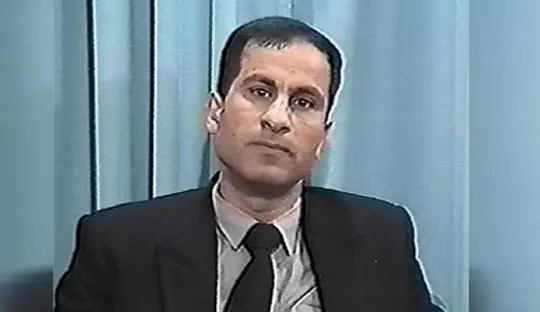
In a 2009 interview with documentary filmmakers Ray Nowosielski and John Duffy, former top counterterrorism adviser Richard Clarke stated that the CIA was under pressure at the time to “develop sources within al-Qaeda.” However, it is lesser known that the CIA already had once planted a high-level spy within Osama bin Laden’s terrorist organization, who was in U.S. custody long before Mihdhar and Hazmi allegedly helped overtake American Airlines Flight 77 and crashed it into the Pentagon. His name was Ali Mohamed.
Ali Abdul Saoud Mohamed was born in Egypt in 1952 to a pious Muslim family. Following his father’s example, he embarked on a military career and enlisted in the Egyptian Army’s intelligence branch, climbing to the rank of major.
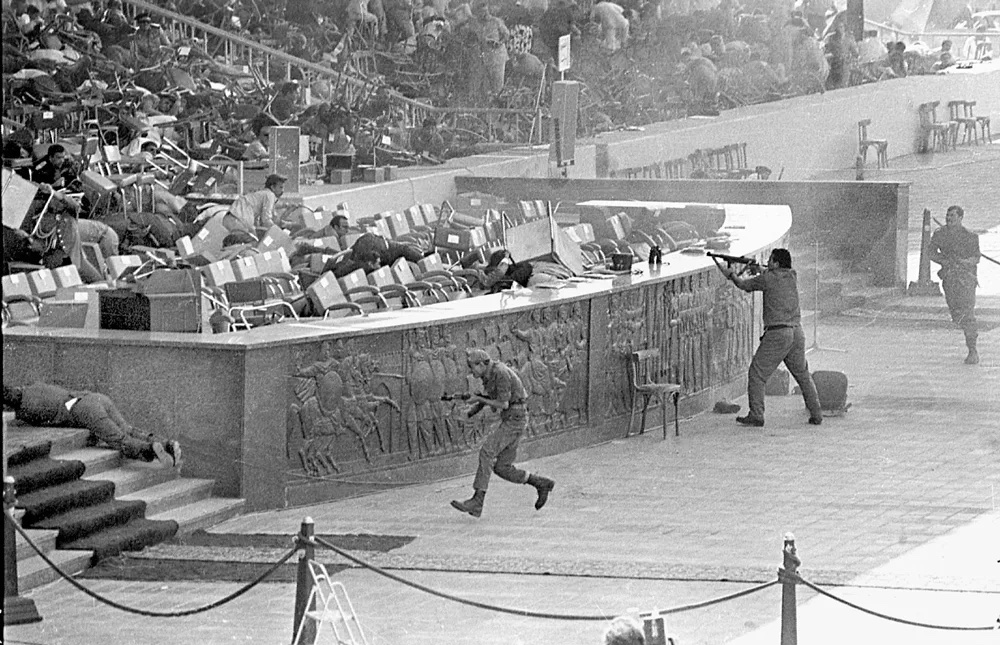
As a young man, he also became associated with the Muslim Brotherhood and eventually joined its underground extremist offshoot, the Egyptian Islamic Jihad (EIJ), led by bin Laden’s future second-in-command, Ayman al-Zawahiri. In 1981, the EIJ infiltrated the country’s armed forces, and members of Mohamed’s special operations unit were implicated in the assassination of President Anwar Sadat, who was awarded a Nobel Peace Prize in 1978 for signing a peace treaty with Israel at the Camp David Accords.
At the time of Sadat’s public murder, Mohamed was stationed abroad, at the U.S. Army’s special forces hub at Fort Bragg, North Carolina, on a personnel exchange program. The largest U.S. military installation by population, the sprawling base serves as the home of elite units, such as the Green Berets and Delta Force.
Following Sadat’s killing in Cairo, Egyptian authorities cracked down on al-Jihad, imprisoning Zawahiri and many of his devotees. Mohamed managed to avoid jail time in his country of origin, but in 1984 he was discharged from the military over his fundamentalist ties.
On Zawahiri’s orders, he then worked for a period at the EgyptAir national airline to acquire aviation security expertise, presumably so that he could give lessons in aircraft piracy.
It was around this time that Mohamed reportedly walked into the U.S. Embassy in Cairo and volunteered to be an “asset” for the CIA station in the Egyptian capital. According to the official story, the special forces veteran proffered himself at Zawahiri’s direction in order to penetrate American intelligence.
Thereafter, he was hired by the agency and quickly dispatched to Hamburg, West Germany, where he was tasked with infiltrating a mosque affiliated with Hezbollah, the Lebanese Shia militia.
During the operation, Mohamed deliberately blew his own cover to the cleric officiating the mosque, and the CIA purportedly dismissed him as an informant when they learned of his betrayal from another mole.
However, within espionage, it is a known tactic for deep cover agents to “dangle,” or pretend to switch sides, for intelligence-gathering purposes.
According to a biography of Mohamed on the West Point Military Academy’s Combating Terrorism Center website, during his initial stint in North Carolina on the officer-exchange program, he “was approached by representatives of the CIA who sought to recruit him as a foreign asset” and “had already been contacted by the CIA while at Fort Bragg in 1981.” Who Ali Mohamed was really loyal to remains an enigma.
Despite being placed on a State Department watchlist that should have prohibited him from entering the United States, Mohamed was inexplicably allowed to return to the U.S. in 1985. Citing senior government sources, a 1995 Boston Globe report states that he was permitted entry “under clandestine CIA sponsorship” on an obscure visa-waiver program “that allows the CIA and other security agencies to bring valuable agents into the country, bypassing usual immigration formalities.”
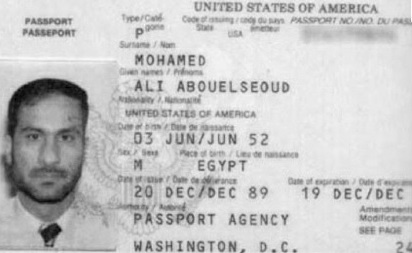
Soon after his relocation, he secured permanent residency and became a naturalized citizen through his marriage to an American woman based in Northern California. He then signed up for the U.S. Army and was once again stationed at Fort Bragg, this time at the compound’s top-tier John F. Kennedy Special Warfare Center and School.
Mohamed quickly earned respect from his peers for his exceptional performance in combat exercises, but also aroused suspicion over his extremist views. One of his superior officers at the military base, Lieutenant Colonel Robert Anderson, grew wary when Mohamed remarked that Anwar Sadat “was a traitor and deserved to die.”
When the Egyptian ex-pat, clad in American fatigues, was briefly deployed back to his home country to take part in Operation Bright Star, an annual joint military exercise between the U.S. and Egypt, he was turned away because of his prior discharge.
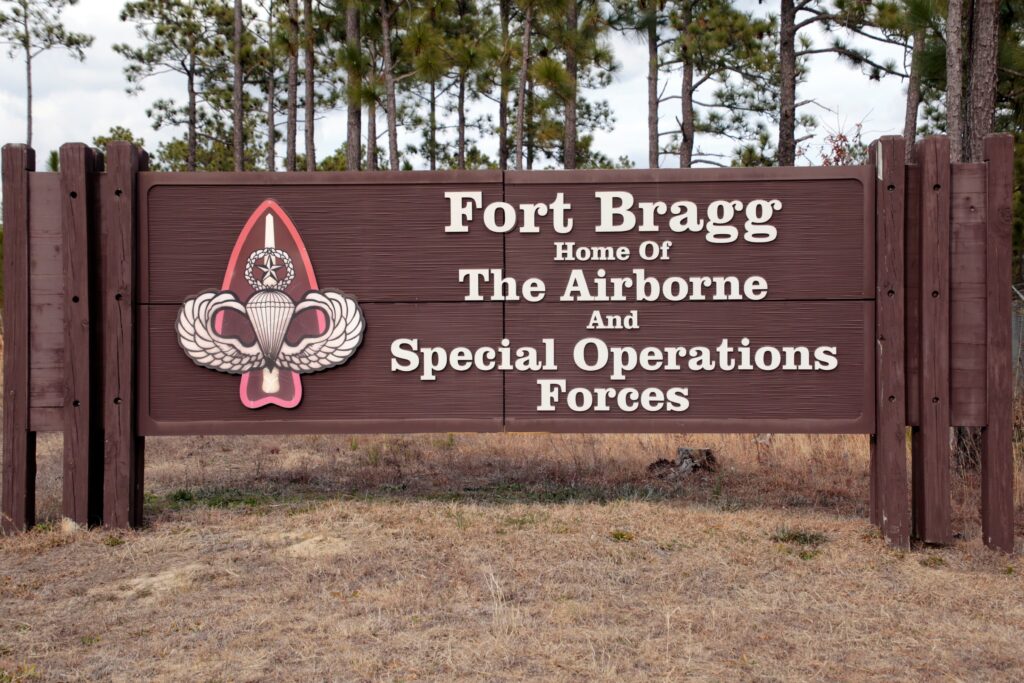
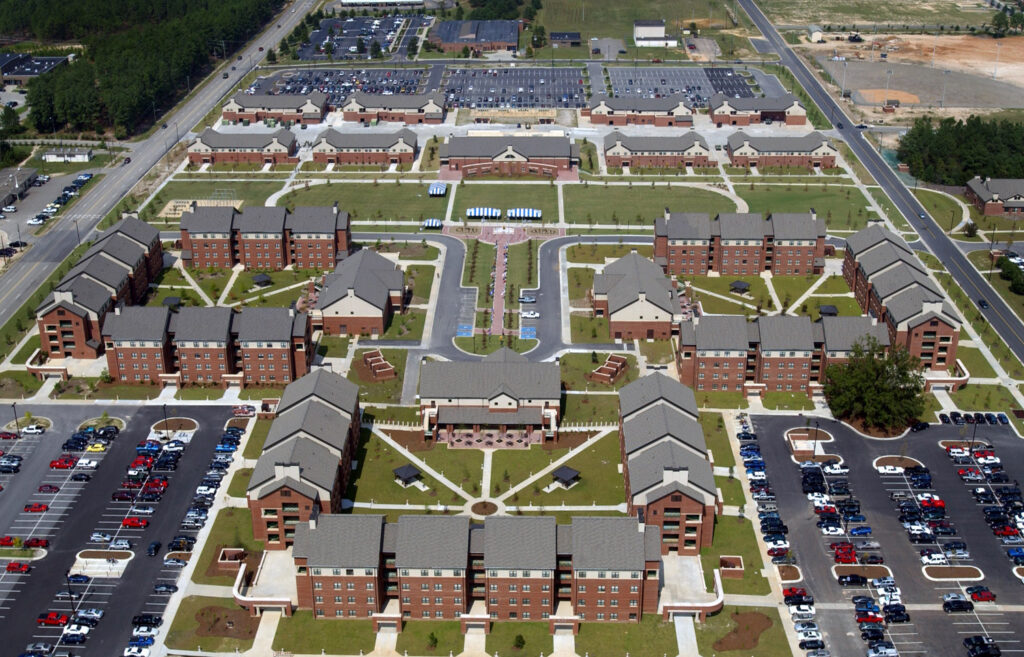
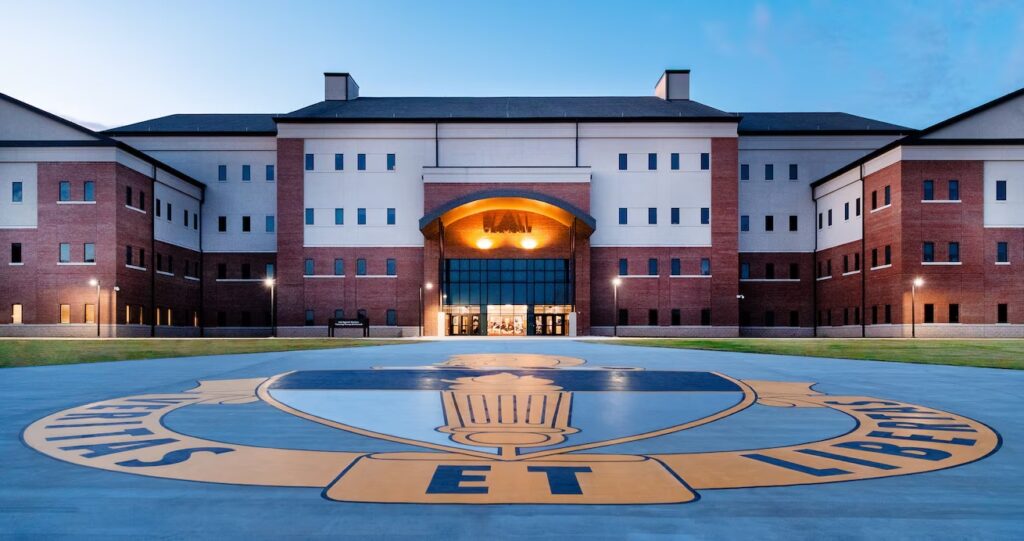
None of this prevented Mohamed from becoming an instructor on Middle Eastern affairs at the facility as he pursued a doctorate in Islamic Studies. At one point, he even appeared in a series of training videos for the JFK Special Warfare Center candidly professing his Islamist worldview during a panel discussion on the Mideast.
Mohamed drew further suspicion when he contravened Army regulations by taking volunteer trips to Afghanistan to fight with the mujahideen against the Soviets. Anderson tried to report Mohamed when the insubordinate supply sergeant returned from overseas flaunting war trophies taken from the bodies of Red Army commandos, but nothing was done.
His commanding officer soon began to suspect that Mohamed must have been “sponsored” by an American intelligence service. “I assumed the CIA,” Anderson was quoted telling the San Francisco Chronicle years later. “I think you or I would have a better chance of winning the Powerball than an Egyptian major in the unit that assassinated Sadat would have getting a visa, getting to California, getting into the Army and getting assigned to a Special Forces unit. That just doesn’t happen.”
This would be a likely guess, considering the CIA funneled almost $3 billion in funding and arms to the mujahideen through the intelligence service of neighboring Pakistan in Operation Cyclone.
Mohamed used the highly specialized warfare skills he acquired at Fort Bragg to train Islamist fighters in Afghanistan, including Zawahiri and Osama bin Laden himself. He also played a vital part in the stateside recruitment network for the latter’s Maktab al-Khidamat (“Services Bureau”), the organizational precursor to al-Qaeda that channeled thousands of Arab and other Muslim volunteers into the Afghan-Soviet conflict.
One of the main recruitment offices was in Brooklyn, New York, at the al-Kifah Refugee Center based in the Farooq Mosque on Atlantic Avenue. It was at this same house of worship that the radical Egyptian cleric Omar Abdel-Rahman would soon preach violent jihad to a local band of devoted followers.
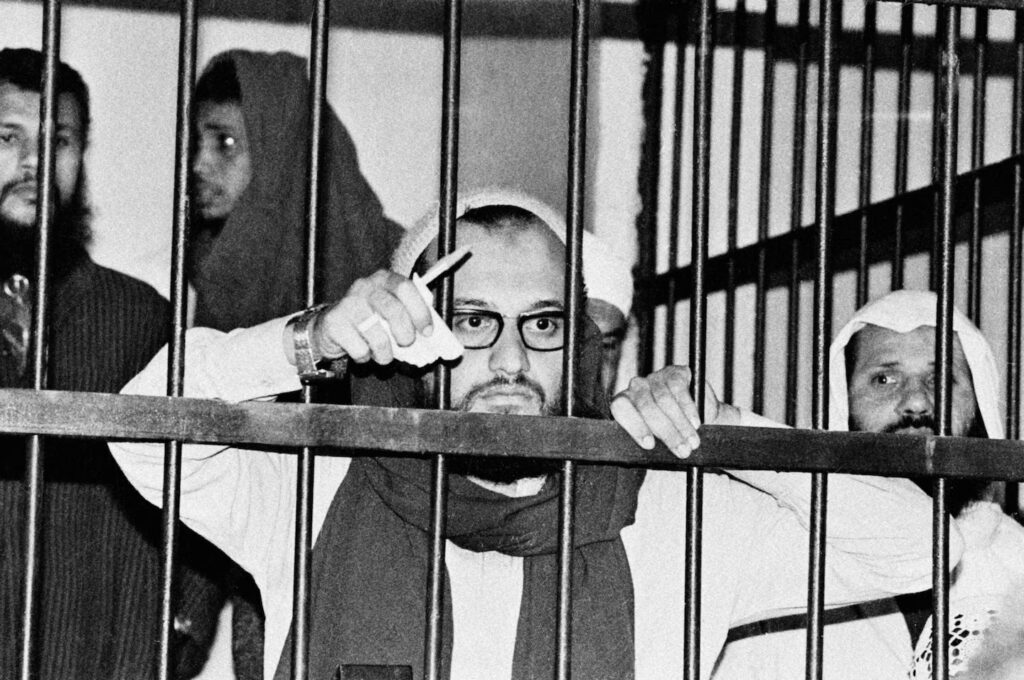
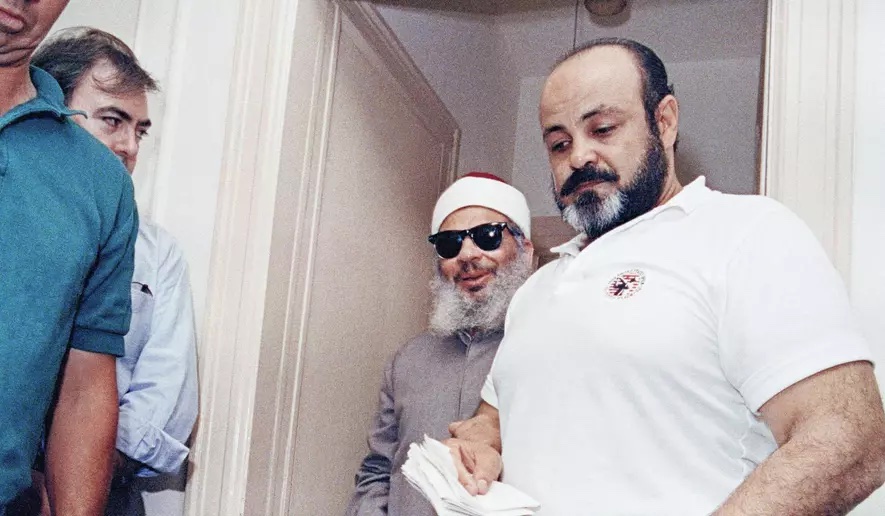
Known by his sobriquet “The Blind Sheikh” due to a lifelong visual impairment, Abdel-Rahman was granted an immigrant visa with CIA assistance, like Ali Mohamed, despite appearing on a State Department list of suspected terrorists. Years before Jersey City across the Hudson River became his domicile, The Blind Sheikh had issued a fatwa in Egypt that enticed the slaying of Anwar Sadat. He also founded a militant Sunni faction of his own known as Al-Jama’a al-Islamiyya (“Islamic Group”), which perpetrated acts of terror such as the 1997 Luxor massacre.
Egyptian authorities jailed Abdel-Rahman for three years during his trial for the Sadat killing, but eventually expelled the militant spiritual leader after prosecutors failed to prove his direct involvement. Despite having given the religious order that galvanized al-Jihad to carry it out, the fundamentalist mullah was allowed to enter the U.S. in 1990.
Although the CIA blamed his travel authorization on a clerical error, Abdel-Rahman’s admittance was more likely approved because the “emir of jihad” was a major recruiter of insurgents for the agency’s covert action in Afghanistan.
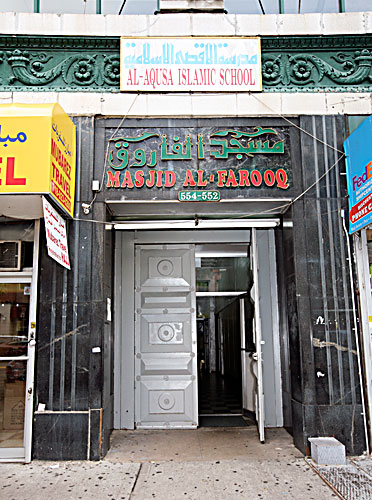
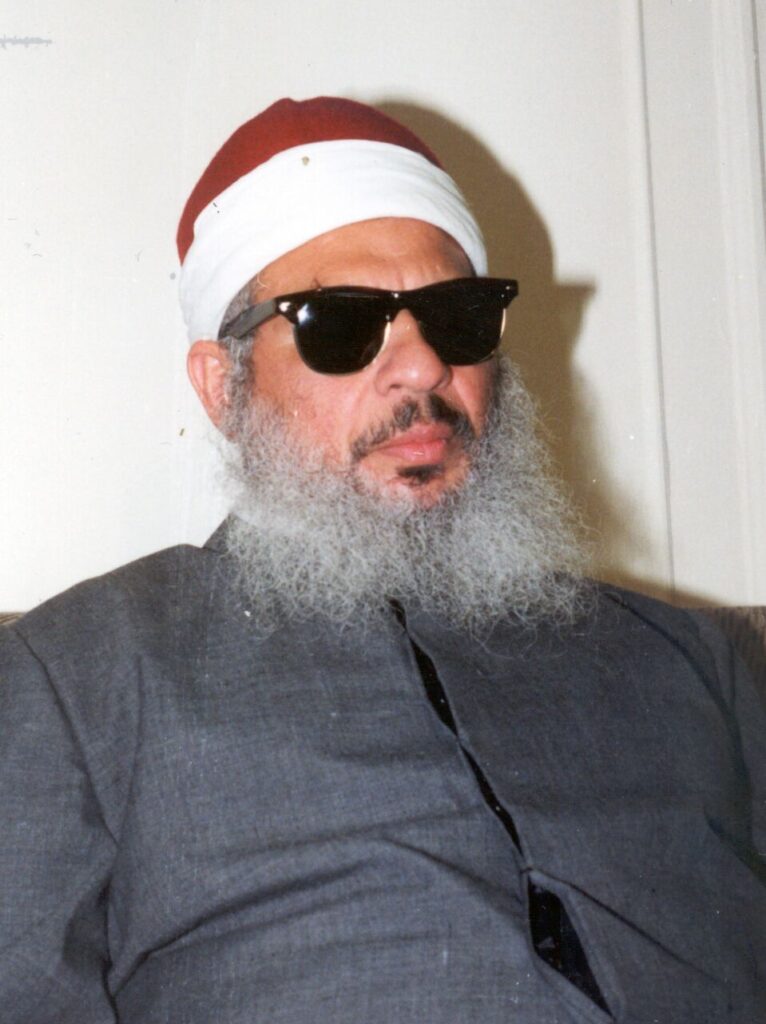
The Blind Sheikh quickly asserted control over the domestic jihadist movement upon arriving in America. By the time Abdel-Rahman began delivering sermons calling for a holy war against Jews and the West at mosques in the New York area, Ali Mohamed had set up cells and was training the fanatical imam’s disciples at a gun range on Long Island. The Federal Bureau of Investigation (FBI) took surveillance photographs of Mohamed and the al-Kifah cell firing AK-47s and handguns at the Calverton Shooting Range, but did not pursue the matter further.
In addition to using classified U.S. Army handbooks from Fort Bragg to coach the Islamist sleepers in guerrilla warfare, Mohamed also authored what became the official al-Qaeda training manual, “Military Studies in the Jihad Against the Tyrants.” A core group of these initiates would go on to participate in the February 1993 World Trade Center bombing, one of whom was prosecuted for a separate high-profile violent crime in the interim.
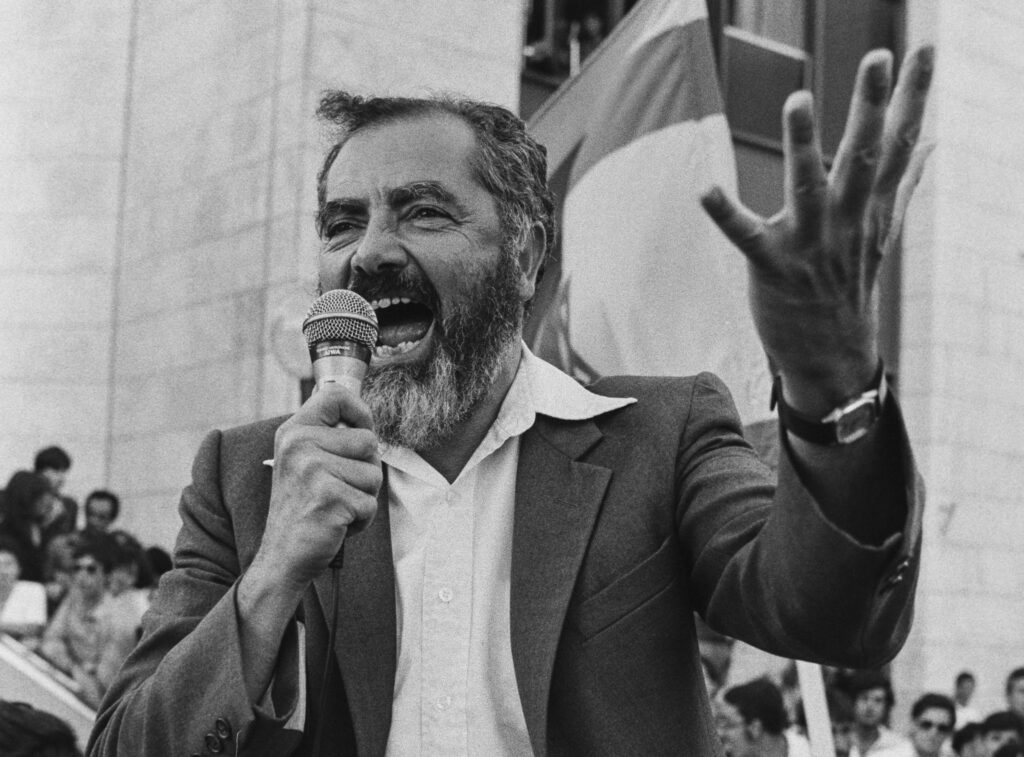
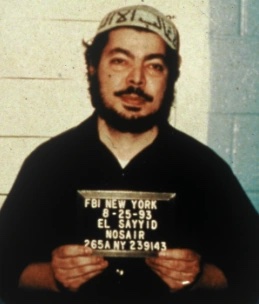
A little more than two years before an improvised explosive device (IED) erupted in the underground parking garage beneath the North Tower, one of Mohamed’s trainees and an ardent follower of The Blind Sheikh named El Sayyid Nosair was arrested by New York police for the murder of Rabbi Meir Kahane.
The founder of the far-right Jewish Defense League (JDL), Kahane was gunned down by the native Egyptian after giving a speech at the Marriott Hotel in Manhattan on the night of November 5, 1990. When Nosair’s New Jersey apartment was raided the day after the shooting, inside the residence FBI investigators came across the confidential military files Mohamed had taken from Fort Bragg. The Army Special Warfare field manuals were discovered along with a trove of other documents, some of which included plans written in Arabic to blow up New York landmarks, including the World Trade Center. As the official narrative goes, the feds did not bother to translate the incriminating material until after the Twin Towers were bombed, nor did they investigate how Nosair obtained such sensitive publications.
Mohamed was never questioned by law enforcement, even though videos of the talks he gave at Fort Bragg were also seized in the assassin’s home. In the intervening period, the Kahane hit was treated as the work of a lone wolf, despite Nosair being accompanied that evening by two of his co-defendants later indicted for the WTC bombing. Defended by legendary civil rights attorney William Kunstler, Nosair was initially acquitted in New York State court for the shooting death of the Israeli rabbi in 1991.
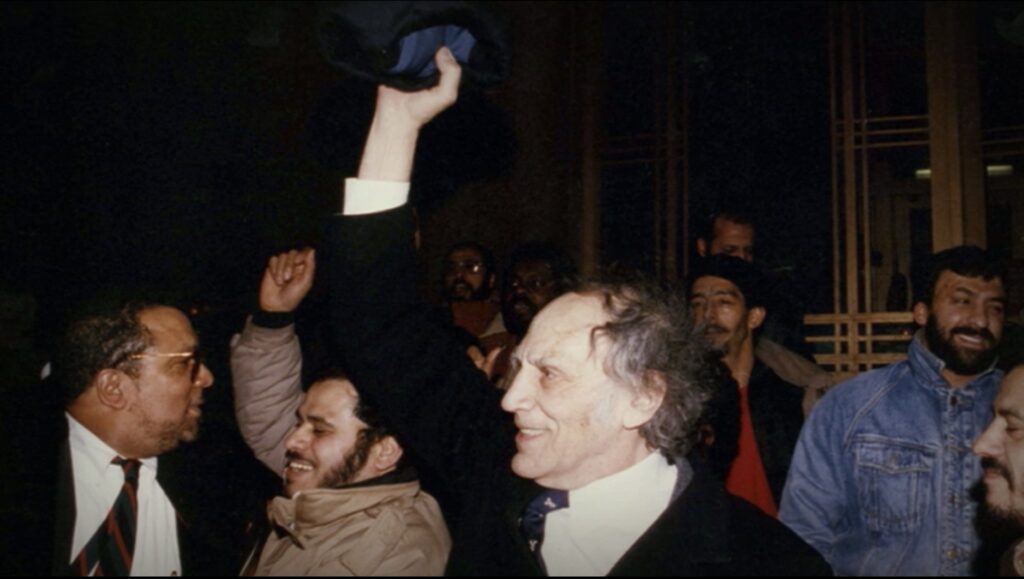
At some point during this period, Mohamed was recruited as an FBI informant in Northern California where he lived part-time with his spouse in the heart of Silicon Valley. Constantly traveling and no longer on active duty, the bi-coastal operative split time between his civilian life in the Bay Area and Army Reserve service in North Carolina.
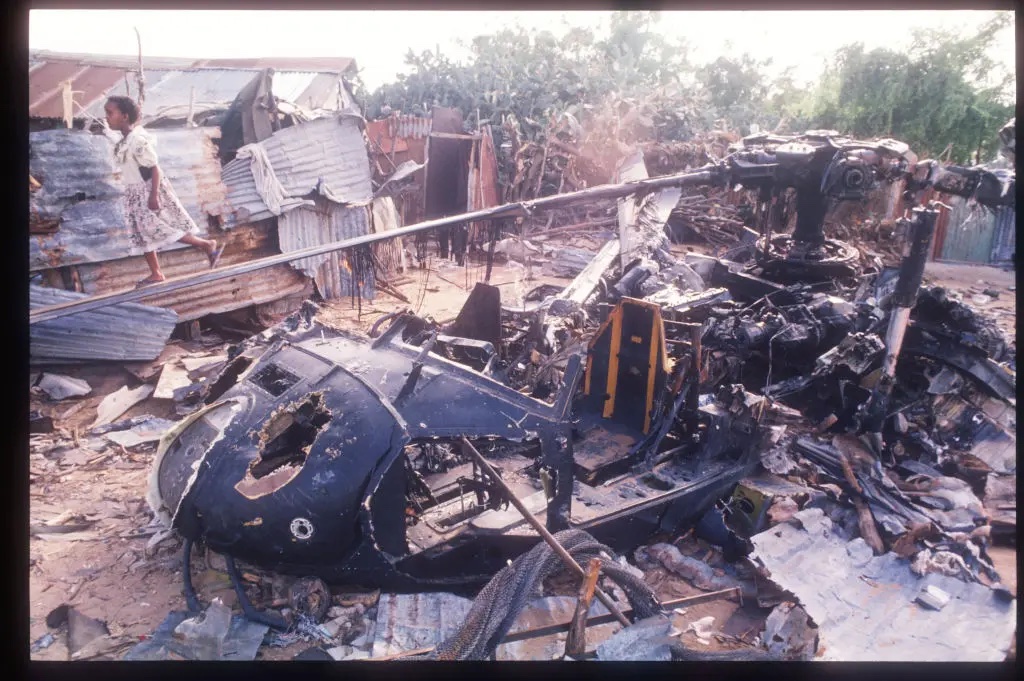
On weekends, he commuted north from Fort Bragg to train the New York cell, and also frequently went abroad on missions for bin Laden and Zawahiri. One of these assignments included training the Mogadishu-based militia that shot down two U.S. Army helicopters in the October 1993 “Black Hawk Down” incident that spawned an eponymous Hollywood film. That is to say, Mohamed initiated the al-Qaeda fighters in Somalia who killed his fellow Green Beret and Delta Force personnel deployed from Fort Bragg. Simultaneously working for the U.S. Special Forces, the FBI, al-Qaeda, and (very likely) the CIA, Mohamed resembled a character from a John le Carré spy novel.
If the Egyptian-American was not operating under the protection of U.S. intelligence, he managed to pull the wool over everyone’s eyes. Somehow, the FBI field offices on the East and West Coasts failed to coordinate when Mohamed was linked to both the 1993 WTC bombing and subsequent New York City landmarks plot—or did they? Also known as the “Day of Terror” plot, The Blind Sheikh’s followers planned to follow-up the attack on the Twin Towers —which remained standing after the group’s home-made bomb failed to bring down the skyscrapers—with the destruction of several other sites in Manhattan.
The list of targets included the Hudson River tunnels, the George Washington Bridge, the United Nations General Assembly building, and the FBI’s New York field office. While convicted WTC bomber Ramzi Yousef fled to Pakistan and remained at large for two years, the other plotters stayed on to commit further carnage until an informant named Emad Salem infiltrated the group in an FBI sting operation. In June 1993, The Blind Sheikh and his cohorts were finally rounded up by federal authorities.
Like Ali Mohamed, Salem was an Egyptian army veteran who immigrated to the U.S. during the 1980s. It turned out that the latter had actually been re-activated as an informant after originally insinuating himself into Abdel-Rahman’s inner circle a year prior. Working undercover as the blind preacher’s bodyguard, Salem testified that he helped build the fertilizer-based explosive used in the WTC bombing while under FBI supervision.
As confirmed in secret recordings made by Salem unbeknownst to his Bureau handlers, the initial plan had been to substitute the urea nitrate with a dummy bomb, but the feds insisted on using genuine explosives instead. Special agents at the counterterrorism squad then discounted his warnings, demanding he take polygraph tests and wear a wire to corroborate that an attack was imminent.
Fearing for his family’s safety, Salem refused to be bugged, and he was shut down as a source during the summer of 1992. After the deadly explosion rocked lower Manhattan the following February, the FBI renewed his services to entrap The Blind Sheikh and his acolytes—but not without the Bureau’s bungling of the investigation made public. Except was it really just incompetence?
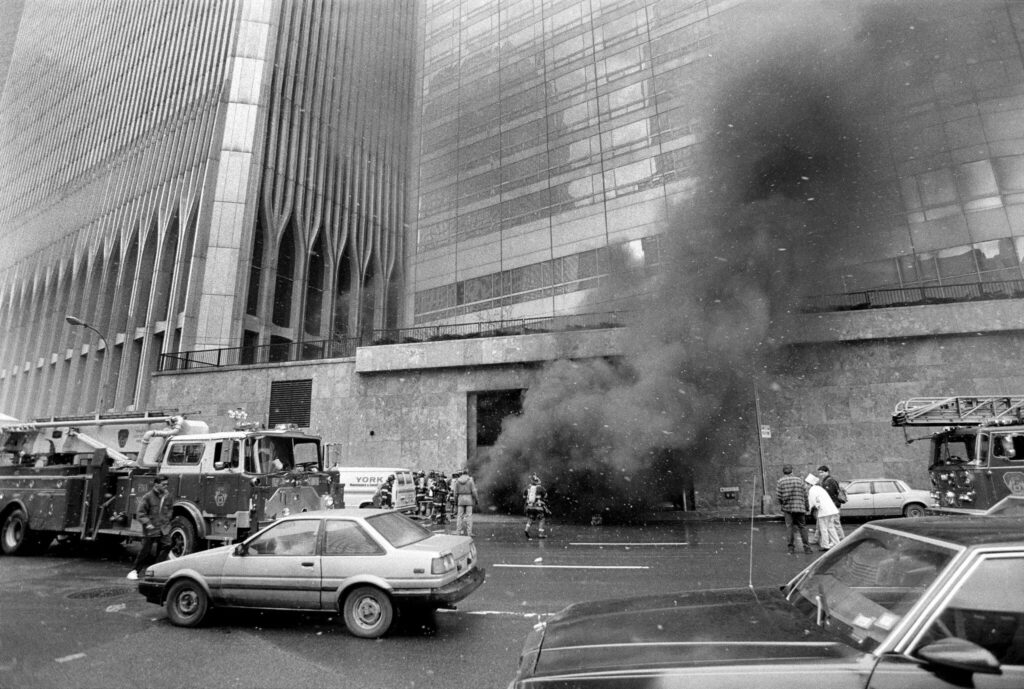
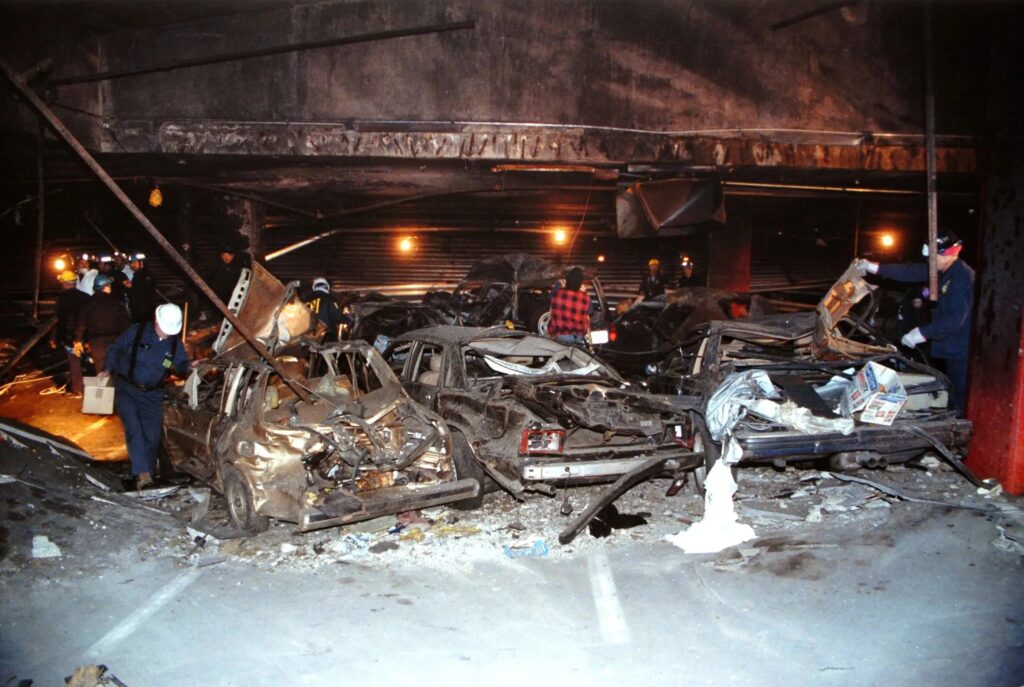
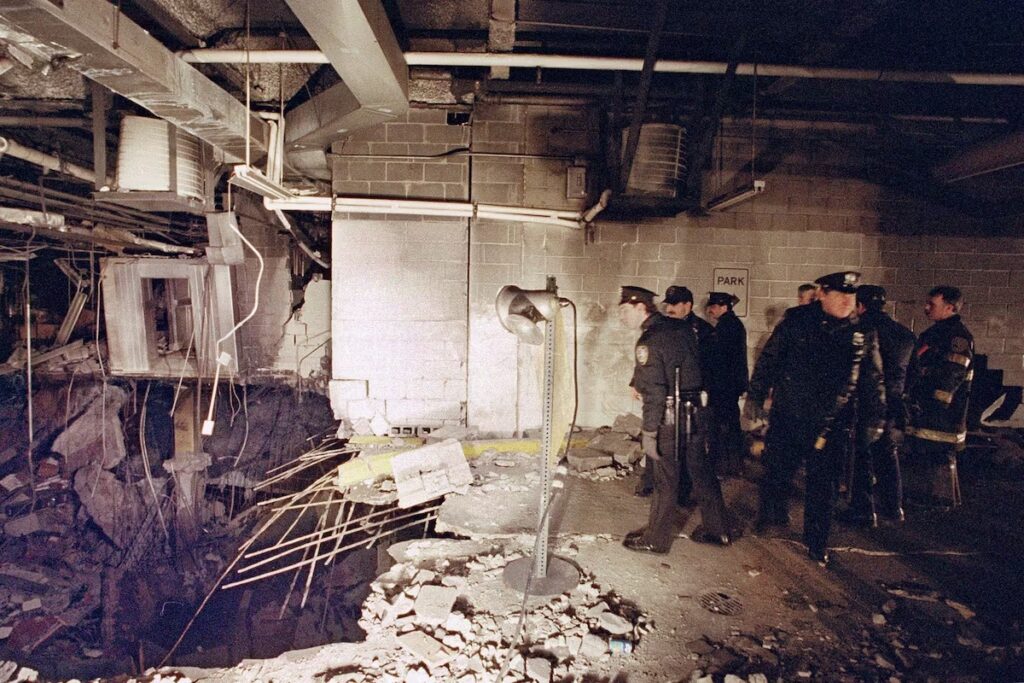
A few months after the IED built by his apprentices detonated in a yellow Ryder rental van parked underneath One World Trade Center, Ali Mohamed was detained in British Columbia by the Royal Canadian Mounted Police (RCMP). The jihadist-cum-spy was nearly arrested by Canada’s FBI equivalent when he showed up at Vancouver International Airport to receive an al-Jihad member who flew there carrying forged passports.
During his interrogation, Mohamed told RCMP agents to contact their American counterparts, and he was immediately released after his FBI handler in San Francisco vouched for him as an informant. Before long, Sheikh Omar Abdel-Rahman and the al-Kifah cell were thrown in jail for the NYC landmarks plot. The career soldier and Islamist militant was not among those arrested in the “Day of Terror” case, nor was he even questioned, but Mohamed’s name did appear on a lengthy list of “un-indicted co-conspirators” by the Department of Justice (DOJ) during The Blind Sheikh’s trial.
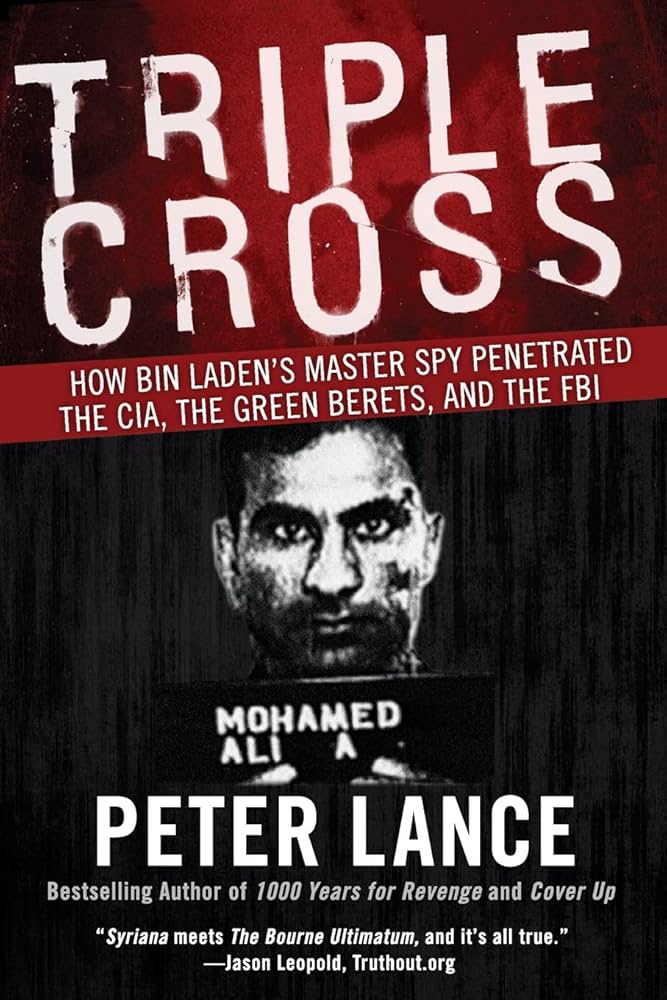
When some within al-Qaeda began to suspect that Mohamed might be working for U.S. intelligence, he forwarded a copy of the co-conspirator list to bin Laden to allay doubts about his allegiance. How in the world did he obtain it? The prosecution never put Mohamed on the stand, and when he was subpoenaed as a witness by the defense, he failed to appear in court. Still, the authorities did nothing, and he was free to operate in the U.S. and travel overseas. (In his book Triple Cross, journalist Peter Lance explored the possibility that prosecutors gave Mohamed the list and obstructed justice by telling him to ignore the summons.)
Mohamed’s globetrotting included several sojourns to help bin Laden move his base of operations, first to the Sudan when the al-Qaeda leader was expelled from Saudi Arabia in 1991, and then back to Taliban-controlled Afghanistan five years later. The Egyptian “triple agent” even personally trained the Saudi scion’s bodyguards and stayed in his home.
Having gotten away scot-free with his role in the WTC bombing, Mohamed then journeyed to East Africa to set up the sleeper cells in Kenya and Tanzania that perpetrated the near-synchronous U.S. embassy attacks in August 1998. While in Nairobi, he scouted for potential targets and took surveillance photos of the American diplomatic mission in the Kenyan capital, which he then hand-delivered to bin Laden in Khartoum.
The al-Qaeda emir approved the selection of the embassy and pointed to the location where a suicide bomber could park an explosive-filled truck. A few years later, Mohamed would finally be taken into custody and charged for the dual attacks which killed 224 people, but not before he imparted his proficiency in skyjacking to his mentees.
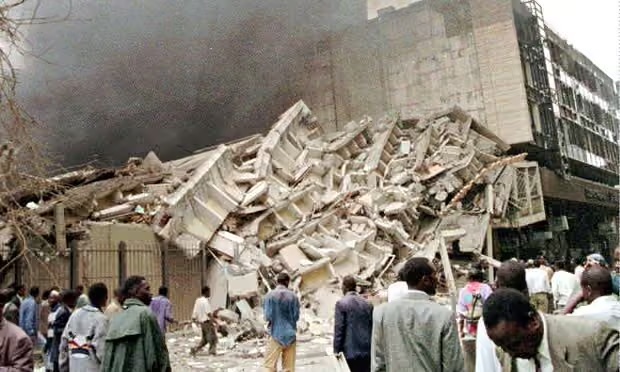
In September 1998, Mohamed was arrested after lying to a federal grand jury in the SDNY empaneled to investigate the tandem bombings in East Africa. Two years later, on October 20, 2000, a week after 17 American sailors died in the attack on the USS Cole in Yemen, the former U.S. Army officer pled guilty in closed-door proceedings to five counts of conspiracy for his part in the embassy bombings.
By the time four commercial airliners were hijacked on September 11, 2001, Mohamed was awaiting sentencing in an undisclosed location and cooperating in a plea bargain with the U.S. government. Unlike the other surviving conspirators behind the Dar-es-Salaam and Nairobi attacks who received life terms, Ali Mohamed was never formally sentenced and vanished into witness protective custody. To this day, almost no one (including his wife) knows his whereabouts, and he has never been seen or heard from. Having disappeared without a trace and his name reduced to a footnote in the 9/11 Commission Report, the cover-up was complete.
In the years since, scant journalistic work has been done on Ali Mohamed, and even less that challenges the official narrative of his mysterious case. Emmy Award-winning reporter Peter Lance’s 2006 book Triple Cross: How Bin Laden’s Master Spy Penetrated the CIA, the Green Berets, and the FBI is the most comprehensive account that disputes parts of the U.S. government’s version of events. Unfortunately, Lance blindly accepts the premise that Mohamed was an al-Qaeda operative who somehow managed to infiltrate the CIA, the FBI, and U.S. Special Forces, instead of the other way around. Only occasionally does he hint at the more logical starting point that Mohamed was a CIA asset, much like journalist Lawrence Wright in his Pulitzer Prize-winning book The Looming Tower: Al-Qaeda and the Road to 9/11, which examines the so-called pre-9/11 “intelligence failure.”
Lance’s acclaimed tome was adapted by the National Geographic channel for the made-for-television documentary Triple Cross: Bin Laden’s Spy in America, but the author ran into creative differences with producers when they allowed FBI veteran Jack Cloonan to edit the script in his place. Cloonan is the same G-Man who admitted that Mohamed was bin Laden’s “first trainer.” As a result, the film omitted Lance’s charge that prosecutors committed witness tampering by instructing Mohamed to ignore a subpoena in the U.S. vs. Rahman trial. Lance claimed that U.S. Attorneys interfered to secure a conviction and whitewash the FBI’s mishandling of the investigation, while Mohamed remained loose to orchestrate the embassy bombings.
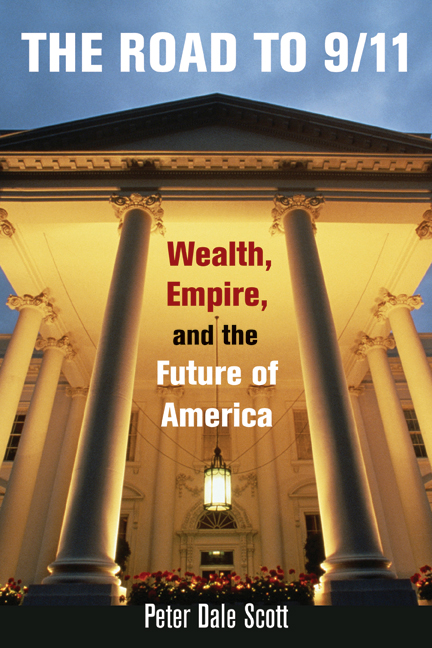
As pointed out by the Canadian political scientist Peter Dale Scott in his book The Road to 9/11: Wealth, Empire, and the Future of America, Lance failed to realize that Mohamed was just as likely being shielded by government lawyers because he was a deep-cover operative. The ex-diplomat and academic’s research remains the most rigorous analysis to date of Mohamed as the missing clue to the 9/11 puzzle.
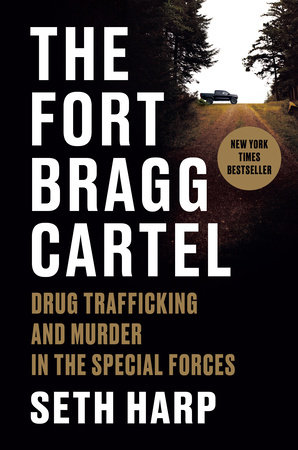
More recently, journalist Seth Harp in his 2025 book The Fort Bragg Cartel: Drug Trafficking and Murder in the Special Forces devoted a chapter to the Ali Mohamed case. While The New York Times best-seller mostly covers the sordid history of drug smuggling and corruption at Fort Bragg (briefly known as Fort Liberty), Harp does briefly recount Mohamed as a CIA “asset” who was recruited by the agency when the special operations complex first hosted him as a foreign officer in the early 1980s.
It is impossible to explain Mohamed’s ability to evade scrutiny from U.S. intelligence agencies and law enforcement without his receiving governmental protection. The same year as the 1993 WTC bombing and Vancouver airport incident, Mohamed even personally escorted Ayman al-Zawahiri on a fundraising trip to mosques throughout Northern California when the former surgeon and al-Jihad leader traveled to the U.S. under a pseudonym.
In hindsight, this may have been possible because Mohamed and The Blind Sheikh were not the only probable assets within bin Laden’s network. According to acclaimed whistleblower and ex-FBI translator Sibel Edmonds, the U.S. government secretly maintained ties with certain senior al-Qaeda members up until the year of the 9/11 attacks. As stated by Edmonds in a 2013 interview with Ceasefire magazine, the hand-in-glove partnership continued even after bin Laden was placed on the FBI’s Ten Most Wanted fugitives list for the bombings of the East African embassies.
The Iranian-born linguist first made the shocking allegations in a 2008 interview with The Sunday Times that was abruptly pulled by the UK newspaper before it went to print. The British reporters who interviewed Edmonds later anonymously told journalist Nafeez Ahmed at Ceasefire that the four-part story was spiked because the London-based publication came under pressure from “interest groups” that were “associated with the U.S. State Department.” The Sunday Times team even verified Edmonds’ startling claims with “senior Pentagon and MI6 officials,” but the exposé was shelved.
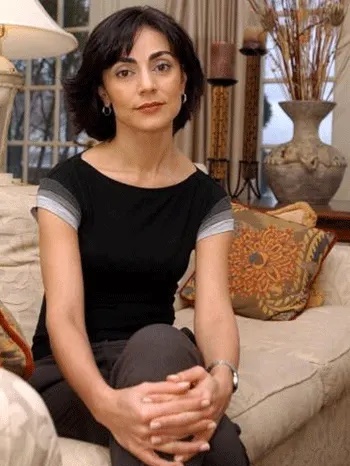
The former FBI language specialist reiterated the charges in her memoir Classified Woman: The Sibel Edmonds Story. Edmonds initially came to public attention when she bravely revealed rampant Bureau misconduct after the September 11 attacks and was gagged under the “state secrets privilege” by the Justice Department.
In late 2001, the FBI faced a critical shortage of Middle Eastern language speakers and the multilingual Turkish-American was subsequently hired as a translator. In her six-month spell at the FBI’s Washington field office, she discovered a backlog of poorly translated material that, had it been accurately interpreted, could have prevented 9/11.
When Edmonds tried to report the issue and numerous other wrongdoings to her superiors, she was fired in retaliation. However, Edmonds asserts that the main reason for the gag order by the DOJ was because she obtained classified knowledge of collaboration between al-Qaeda-affiliated militants and the CIA prior to the attacks. While transcribing recordings of intercepted conversations from FBI counterintelligence investigations, Edmonds became privy to cooperation between jihadist groups and the CIA in a clandestine NATO operation known as “Gladio B.”
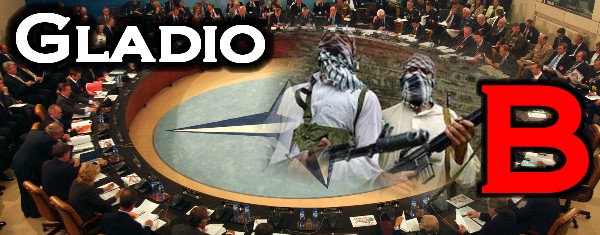
A continuation of the original Operation Gladio, which established a hidden “stay behind” network of neo-fascist paramilitaries to be activated during a hypothetical Soviet invasion of Europe, Gladio B replaced right-wing terrorists with mujahideen. During the Cold War, in countries like Italy during its “Years of Lead” (1968-1988), numerous false-flag attacks committed by NATO’s shadow armies were pinned on the left as part of a “strategy of tension.”
After the dissolution of the USSR, Edmonds asserts, the top-secret program transitioned to recruiting Islamists in the Caucasus, the Balkans and Central Asia to undermine Russia and China. Mujahideen fighters were allegedly recruited through madrassas linked to the Turkish-based Gülen Movement and transported on NATO planes to carry out destabilization operations. The most jaw-dropping detail in Edmonds’ accusations is that Ayman al-Zawahiri was a main point of contact and is said to have regularly met with high-level U.S. military and intelligence attachés at the American embassy in Baku, Azerbaijan, as late as the year 2000.
At the time, Zawahiri was ostensibly being sought for the East African embassy bombings. What Edmonds divulged is one part of what Peter Dale Scott characterizes as a wider U.S. geo-strategy to secure energy resources in Eurasia, using Salafi-jihadist groups as shock troops. In Azerbaijan itself, the CIA and a consortium of oil companies used mujahideen fighters and a front company called MEGA Oil to stage a coup d’état in 1993 that installed the pro-Western Aliyev clan, which remains in power to this day.
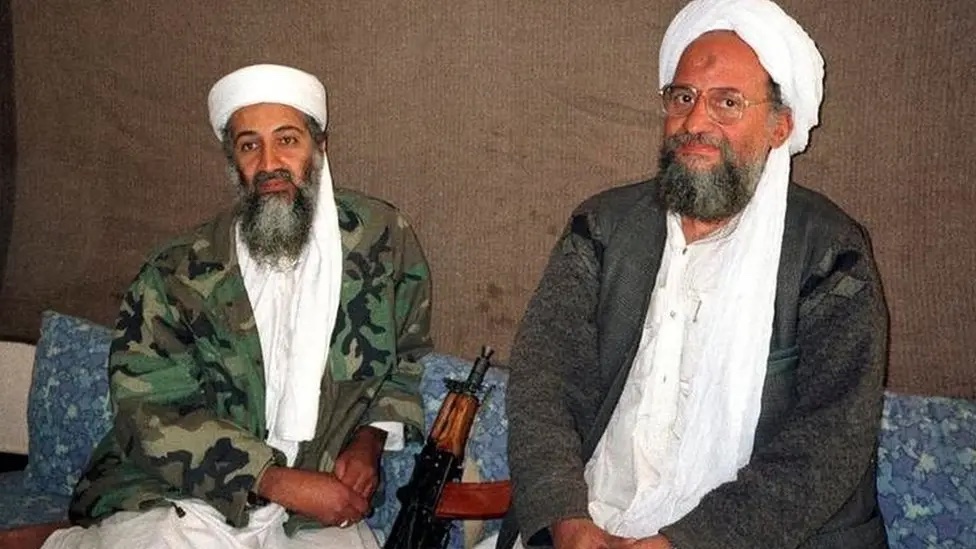
Meanwhile, in Afghanistan, the U.S. relationship with the Taliban was initially ambiguous. Behind closed doors, it hinged entirely on oil diplomacy, with bin Laden leveraged as a bargaining chip. While Washington did not officially recognize the Islamic Emirate when the Pashtun fanatics seized power in September 1996, State Department spokesman Glyn Davies remarked that he saw “nothing objectionable” about the group’s policies. His comments were made the day after the country’s former Marxist president, Mohammad Najibullah, was publicly lynched in the streets of Kabul.
A U.S. diplomat was later quoted by Pakistani journalist Ahmed Rashid in Taliban: Militant Islam, Oil & Fundamentalism in Central Asia as saying: “The Taliban will probably develop like the Saudis did. There will be Aramco pipelines, an emir, no parliament and lots of Sharia law. We can live with that.” U.S. policy only began to shift under pressure from women’s rights and environmental groups over the Taliban’s gender apartheid and a proposal by the California-based Unocal Corporation to construct a controversial oil pipeline. British academic Timothy Mitchell coined the phrase “McJihad” to describe the paradoxical marriage between Western neo-liberalism and conservative Islamic forces.
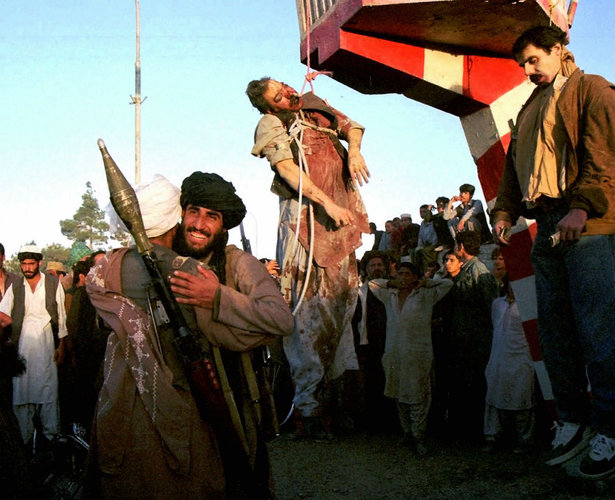
French terrorism expert Jean-Charles Brisard and investigative journalist Guillaume Dasquié tell a similar account in their book Forbidden Truth: U.S.-Taliban Secret Oil Diplomacy and the Failed Hunt for Bin Laden. As explained by Brisard and Dasquié, Washington privately viewed the medieval-like regime “as a source of stability in Central Asia” for securing access to the region’s oil and gas reserves.
Only when back-channel negotiations broke down over the proposed pipeline route was the stage set for September 11 and the U.S. invasion. In the interval, Afghanistan was a launching pad for jihadist operations throughout the region. A November 2001 article in the Los Angeles Times details how prior to 9/11, the Taliban allowed bin Laden to take over Afghanistan’s Ariana national airline to smuggle drugs, weapons and militants, giving al-Qaeda “free run of airports in the Middle East.”
In his 1999 book Dollars for Terror: The United States and Islam, Swiss-French journalist Richard Labévière describes how bin Laden himself was even rumored to have visited the UK where he “traveled many times to the British capital between 1995 and 1996, on his private jet.”
In the Balkans, the Pentagon airlifted thousands of mujahideen from Afghanistan and Central Asia into the former Yugoslavia to fight alongside the Bosnian Muslims against the Serbs. This trend persisted in Kosovo, where the U.S. State Department de-listed the Kosovo Liberation Army (KLA) as a terrorist organization in 1998, despite its well-documented links to al-Qaeda and narco-trafficking. A May 1999 article in The Washington Times summarizes how KLA terrorists attended bin Laden’s training camps in Afghanistan. In his book Secret Affairs: Britain’s Collusion with Radical Islam, British journalist Mark Curtis notes how INTERPOL reported that Muhammad al-Zawahiri, the younger brother of bin Laden’s deputy, even commanded a KLA unit. It should be mentioned that the two 9/11 hijackers who became CIA recruits, Khalid al-Mihdhar and Nawaf al-Hazmi, both previously fought as foreign volunteers with the Bosnian mujahideen. Along with most of the other 19 al-Qaeda suicide operatives, including ringleader Mohamed Atta and members of the Hamburg cell, Mihdhar and Hazmi originally intended to go to Chechnya to fight the Russians before being redirected to America for the “planes operation.” The signs were all there to substantiate Sibel Edmonds’ claims.
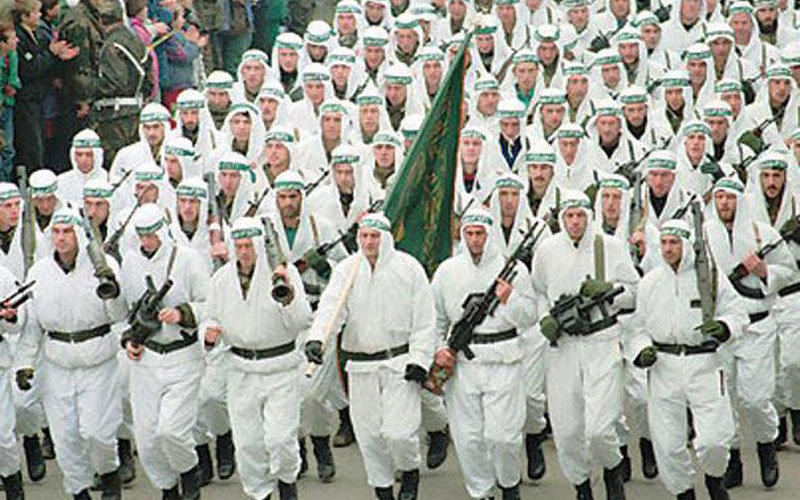
As Peter Dale Scott highlights in The Road to 9/11, one of the convicted bomb-makers trained by Ali Mohamed in the al-Kifah ring, Clement Rodney Hampton-El, was a key recruiter for the Bosnian jihad pipeline. A veteran of the Afghan-Soviet conflict, the Moorish American testified at the U.S. vs. Rahman trial that he worked with the Saudi Embassy in Washington to organize jihadists to fight the Serbs. Among these insurgents were ex-U.S. servicemen who had converted to Islam who were on a list of potential recruits given to the Black Muslim and his Saudi sponsors.
According to Hampton-El, the list came from a shadowy U.S. military figure who identified himself only as “Carson.” In Afghanistan, the jihad tourist had fought as a foreign volunteer with Hezb-i-Islami (“Party of Islam”), the militant faction led by notorious warlord and drug trafficker Gulbuddin Hekmatyar. The insurgent group was a primary recipient of weaponry and funds in Operation Cyclone, while Hekmatyar was chief among the Peshawar Seven (nicknamed the “Seven Dwarfs” by the CIA), the septet of Afghan drug lords commanding the holy war.
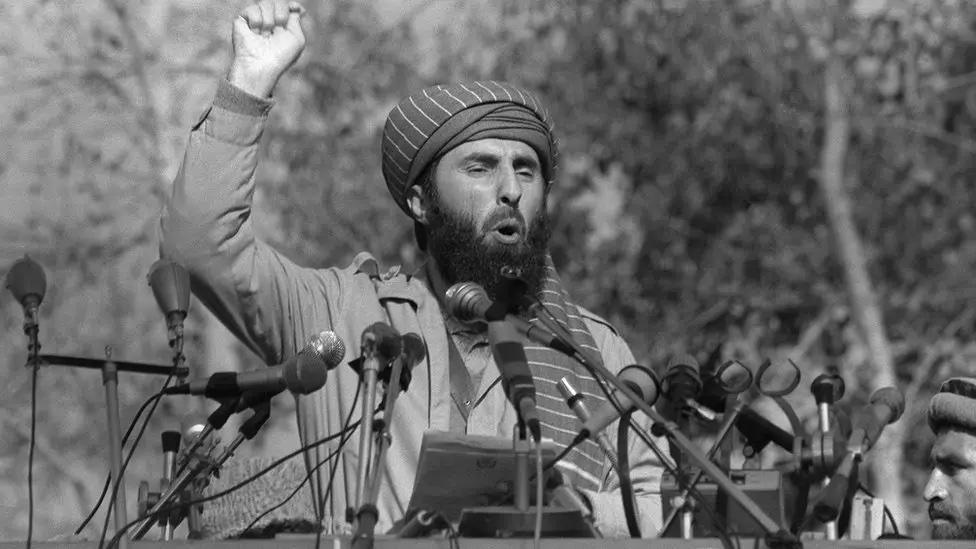
Before the “Butcher of Kabul” earned his moniker, Hekmatyar was radicalized, when he was an engineering student in the 1970s, by the teachings of Muslim Brotherhood leader Sayyid Qutb. A transnational and sociopolitical Sunni organization, the Society of Muslim Brothers was founded in Egypt in 1928 by the Salafi revivalist ideologue Hassan al-Banna. From its inception, the Brotherhood became a model for various Islamist movements around the globe, as well as an incubator for more extreme variations like Zawahiri’s al-Jihad and The Blind Sheikh’s Islamic Group. Although considered pragmatic and reformist compared to its sectarian offshoots, “Ikhwan” shares the same end goal of creating an Islamic state.
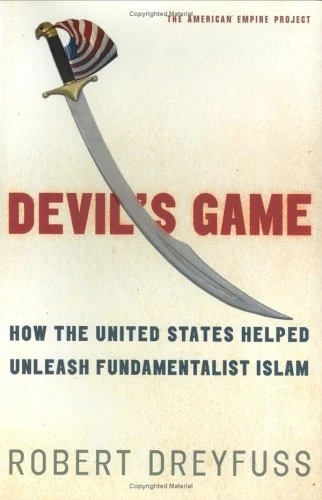
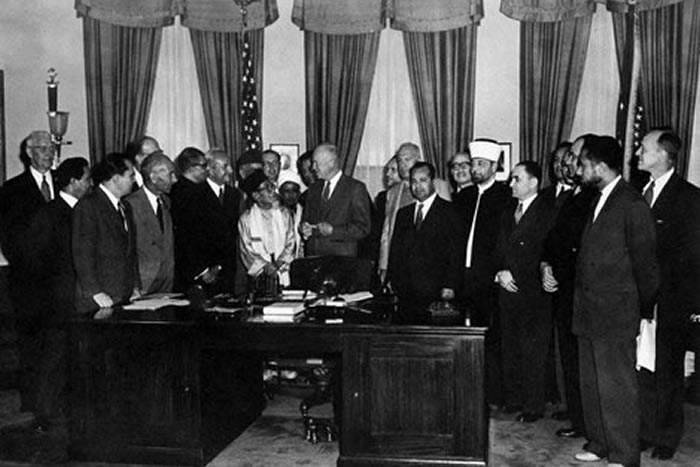
As explained by journalist Robert Dreyfuss in Devil’s Game: How the United States Helped Unleash Fundamentalist Islam, during the Cold War, the secretive fraternity was viewed by Washington as a useful ally against secular pan-Arabism and Soviet influence in the Muslim World. So much so that al-Banna’s son-in-law and Brotherhood “foreign minister,” Said Ramadan, was invited to the White House with a delegation to meet President Dwight Eisenhower in 1953.
For this reason, Ramadan was frequently accused of being on the CIA payroll by the government of Gamal Abdel Nasser, Egypt’s Arab nationalist president. Such suspicions turned out to be valid when Ramadan, who fled to Switzerland after he was forced into exile, was confirmed in declassified documents from the Swiss Federal Archives to have been “an intelligence agent of the British and the Americans.” For Ali Mohamed to have been a CIA asset, he would be following in the footsteps of one of the fathers of modern Egyptian Islamism.
Sharing a mutual opposition to secularism and Arab nationalism, the Brotherhood also found refuge in Saudi Arabia. Although a competing model with Wahhabism, the KSA’s ultra-conservative sub-sect of Islam, Ikhwan formed a tentative alliance with the puritanical movement. In 1962, Said Ramadan helped the Saudis establish the Muslim World League, an NGO which provided a platform for many conservative Islamic ideologies, including the Deobandi school in the Indian subcontinent that inspired the Taliban.
Meanwhile, the financial elite of the West enabled the spread of Salafi-inspired tendencies with the rise of the Islamic banking empire in the 1970s, coinciding with a surge in oil prices and the emergence of the petrodollar. Among this cartel of “Sharia-compliant” institutions was the Faisal Islamic Bank of Egypt (FIBE) established by Saudi Prince Mohammed bin Faisal in 1976. As Robert Dreyfuss noted in Devil’s Game, one of FIBE’s co-founding members was none other than Sheikh Omar Abdel-Rahman. Dreyfuss also recapitulates the Islamic Bank’s relationship with another notorious financial organization, the Bank of Credit and Commerce International (BCCI), better known as the “Bank of Crooks and Criminals International.”
BCCI was a London-based international bank that became the center of a major scandal when it was investigated for allegations of money laundering by a U.S. Senate subcommittee in 1988. Registered in Luxembourg, the slush fund was most notoriously linked to the Iran-Contra affair and its related illegal weapons transfers. Started by a Pakistani financier named Agha Hasan Abedi with a branch in Karachi, the rogue financial institution was used as a conduit by the CIA, Saudi Arabia, and Pakistan’s Inter-Services Intelligence Agency (ISI) to funnel covert funds to the Afghan mujahideen.
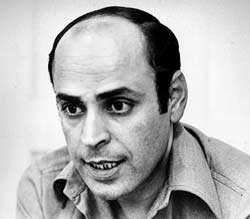
Another one of BCCI’s most unsavory clients was the fugitive mercenary Sabri Khalil al-Banna, better known by his nom de guerre “Abu Nidal.” The terrorist-for-hire founded the Abu Nidal Organization, a militant splinter group that broke away from Fatah, the leading faction within the Palestine Liberation Organization (PLO). Responsible for dozens of terrorist attacks, many of Nidal’s rivals believed he was working for the CIA and Mossad to tarnish the Palestinian cause.
The accusation that he was a spy was all but confirmed by Iraqi intelligence documents unearthed following the U.S. invasion of Baghdad in 2003. As demonstrated by the cases of Abu Nidal and Said Ramadan, the historical precedent for Ali Mohamed to have been an intelligence asset is deep-rooted.
BCCI also served as the dark-money interface for the Safari Club, an informal and off-the-books intelligence alliance formed by a coterie of CIA officials with spymasters from five other nations. The private pact was forged with the intelligence services of Saudi Arabia, Egypt, France, Morocco and (pre-revolution) Iran to counter Soviet influence in the Middle East and Africa. To bypass congressional oversight established after the Watergate scandal and Church Committee hearings, the CIA utilized the Safari Club and BCCI to continue its black operations. Just months after the September 11 attacks, Prince Turki bin Faisal, a brother of Prince Mohammad and the chief of Saudi intelligence from 1979 until his abrupt exit ten days before 9/11, confessed in a speech to his Georgetown University alma mater in Washington, D.C.:
“In 1976, after the Watergate matters took place here, your intelligence community was literally tied up by Congress. It could not do anything. It could not send spies, it could not write reports, and it could not pay money. In order to compensate for that, a group of countries got together in the hope of fighting communism and established what was called the Safari Club. The Safari Club included France, Egypt, Saudi Arabia, Morocco and Iran…so, the Kingdom, with these countries, helped in some way, I believe, to keep the world safe when the United States was not able to do that. That, I think, is a secret that many of you don’t know.”
Except it was no secret, at least not in the Middle East. The existence of the Safari Club was first discovered in Iran by renowned Egyptian journalist Mohamed Hassanein Heikal while studying the Shah’s archives after the Islamic Revolution in 1979. In Egypt under Anwar Sadat, Cairo served as the de facto operational nerve center for the cloak-and-dagger entente. One of the cabal’s back-door arrangements was for the Saudis to match CIA funding of the Afghan mujahideen dollar-for-dollar in Operation Cyclone.
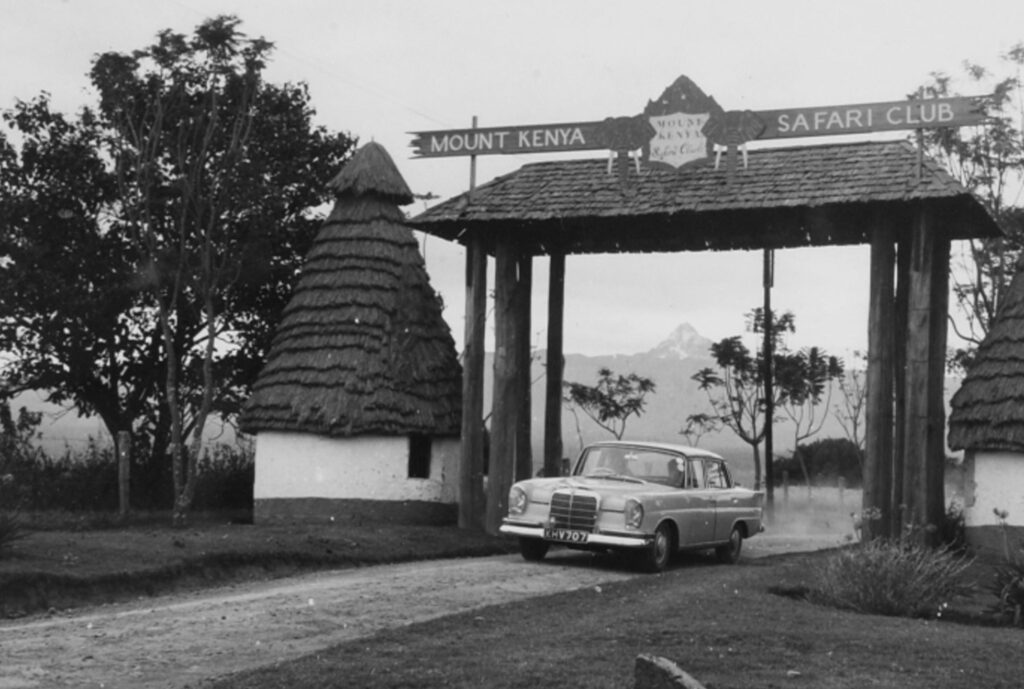
The flamboyant Saudi arms tycoon Adnan Khashoggi, who gained notoriety for acting as a middleman in Iran-Contra, was a major client of BCCI and effectively ran the Safari Club. The parallel intelligence network took its name from the exclusive Kenyan resort owned by the billionaire arms dealer, whose lifetime of deep-state criminality earned him the nickname “the Great Gatsby of the Middle East.”
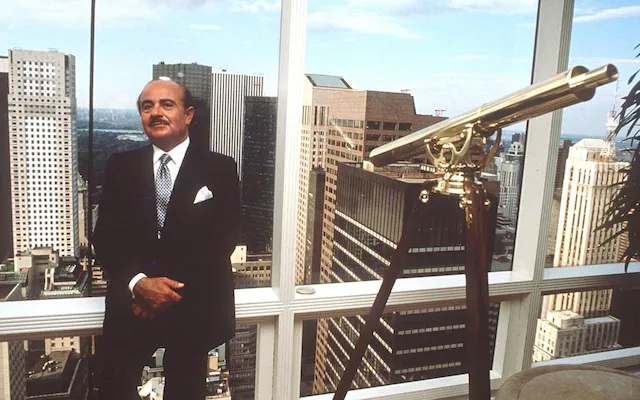
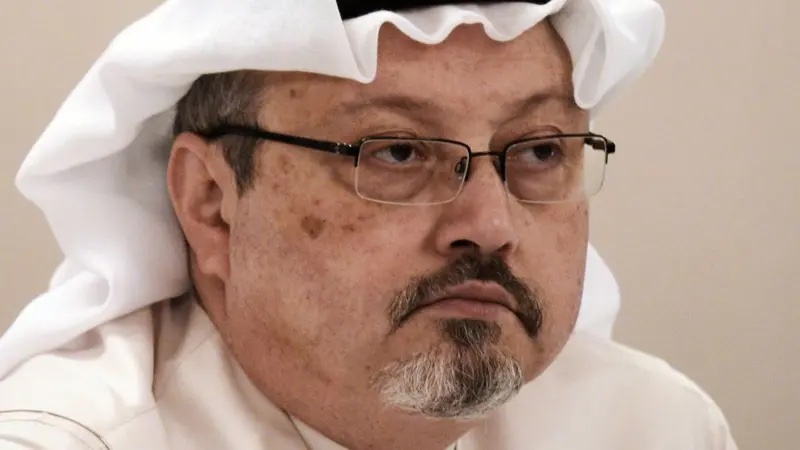
In 2018, Washington Post columnist Jamal Khashoggi was assassinated and dismembered at the Saudi consulate in Istanbul, Turkey. A nephew of the arms merchant and international playboy, Khashoggi had reportedly been in contact with an investigator representing the 9/11 families in the year leading up to his grisly murder. U.S. intelligence agencies later concluded that Saudi Crown Prince Mohammed bin Salman ordered the killing.
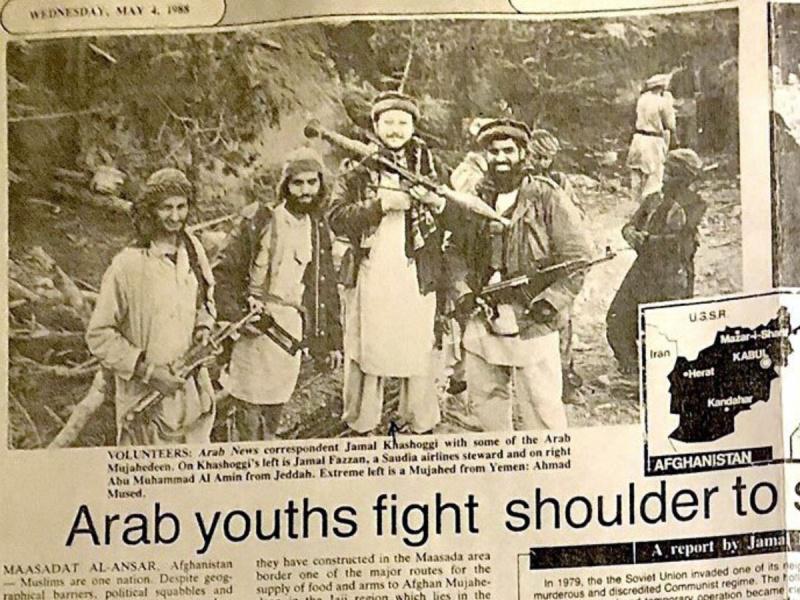
Not only did Khashoggi previously work as an adviser to Prince Turki, the Saudi emigré was also formerly a close friend of Osama bin Laden, having interviewed him on several occasions during the Afghan-Soviet War and his Sudanese exile. While the hagiography of Khashoggi portrayed the late journalist as a regime critic and human rights activist, the truth about his past went largely unreported.
As Lawrence Wright observed in The Looming Tower, the propagandist-turned-dissident had been involved with the Muslim Brotherhood in his youth and held lifelong Islamist sympathies. In the 1980s, bin Laden and Khashoggi first crossed paths in Afghanistan when the latter was embedded with the “holy warriors” as a war correspondent for the Riyadh-based mouthpiece Arab News. Khashoggi’s reporting was hardly unbiased, and he was even pictured holding a grenade launcher while traveling with the “Afghan Arabs.”
Years later, when bin Laden publicly fell out of favor with the Saudi monarchy in the mid-90s, Khashoggi was sent to the Sudan to negotiate with the al-Qaeda leader. While he was unable to persuade his old friend to denounce violence, the two did discuss a recent attempt on bin Laden’s life in Khartoum, an incident which led Ayman al-Zawahiri to arrange for Ali Mohamed to train the emir’s bodyguards. Needless to say, Jamal Khashoggi inevitably possessed inside knowledge of the House of Saud, bin Laden, and his uncle’s skullduggery. His criticism of the kingdom’s human rights record was just the tip of the iceberg for the motive behind the assassination.
The mainstream narrative of “blowback” depicts the rise of al-Qaeda as an unintended consequence of Operation Cyclone, one of the longest and most expensive programs ever undertaken by the CIA.
However, it has always been maintained that there was never any direct connection between the agency and Osama bin Laden. The Ali Mohamed saga obliterates that myth.
The fingerprints of a member of the U.S. Special Forces, an FBI informant, and a CIA “asset” can be found on every major act of terror committed by al-Qaeda up to and including September 11.
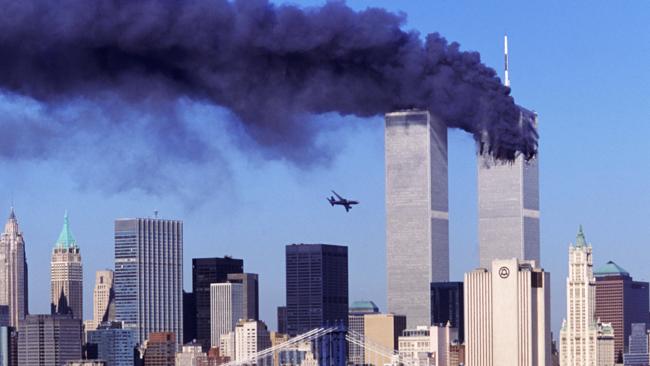
The 9/11 families’ lawsuit against Saudi Arabia is a good first step to bringing the truth to light about the attacks. The public should not only push for a new investigation into the atrocities that took the lives of 2,977 people, but demand that Ali Mohamed, who is still in U.S. custody somewhere, be brought out of the shadows.

CovertAction Magazine is made possible by subscriptions, orders and donations from readers like you.
Blow the Whistle on U.S. Imperialism

Click the whistle and donate
When you donate to CovertAction Magazine, you are supporting investigative journalism. Your contributions go directly to supporting the development, production, editing, and dissemination of the Magazine.
CovertAction Magazine does not receive corporate or government sponsorship. Yet, we hold a steadfast commitment to providing compensation for writers, editorial and technical support. Your support helps facilitate this compensation as well as increase the caliber of this work.
Please make a donation by clicking on the donate logo above and enter the amount and your credit or debit card information.
CovertAction Institute, Inc. (CAI) is a 501(c)(3) non-profit organization and your gift is tax-deductible for federal income purposes. CAI’s tax-exempt ID number is 87-2461683.
We sincerely thank you for your support.
Disclaimer: The contents of this article are the sole responsibility of the author(s). CovertAction Institute, Inc. (CAI), including its Board of Directors (BD), Editorial Board (EB), Advisory Board (AB), staff, volunteers and its projects (including CovertAction Magazine) are not responsible for any inaccurate or incorrect statement in this article. This article also does not necessarily represent the views the BD, the EB, the AB, staff, volunteers, or any members of its projects.
Differing viewpoints: CAM publishes articles with differing viewpoints in an effort to nurture vibrant debate and thoughtful critical analysis. Feel free to comment on the articles in the comment section and/or send your letters to the Editors, which we will publish in the Letters column.
Copyrighted Material: This web site may contain copyrighted material the use of which has not always been specifically authorized by the copyright owner. As a not-for-profit charitable organization incorporated in the State of New York, we are making such material available in an effort to advance the understanding of humanity’s problems and hopefully to help find solutions for those problems. We believe this constitutes a ‘fair use’ of any such copyrighted material as provided for in section 107 of the US Copyright Law. You can read more about ‘fair use’ and US Copyright Law at the Legal Information Institute of Cornell Law School.
Republishing: CovertAction Magazine (CAM) grants permission to cross-post CAM articles on not-for-profit community internet sites as long as the source is acknowledged together with a hyperlink to the original CovertAction Magazine article. Also, kindly let us know at info@CovertActionMagazine.com. For publication of CAM articles in print or other forms including commercial internet sites, contact: info@CovertActionMagazine.com.
By using this site, you agree to these terms above.
About the Author
Max Parry is an independent journalist and geopolitical analyst based in Baltimore.
His writing has appeared widely in alternative media and he is a frequent political commentator featured in Sputnik News and Press TV. He also hosts the podcast “Captive Minds.”
Max can be reached at maxrparry@live.com.