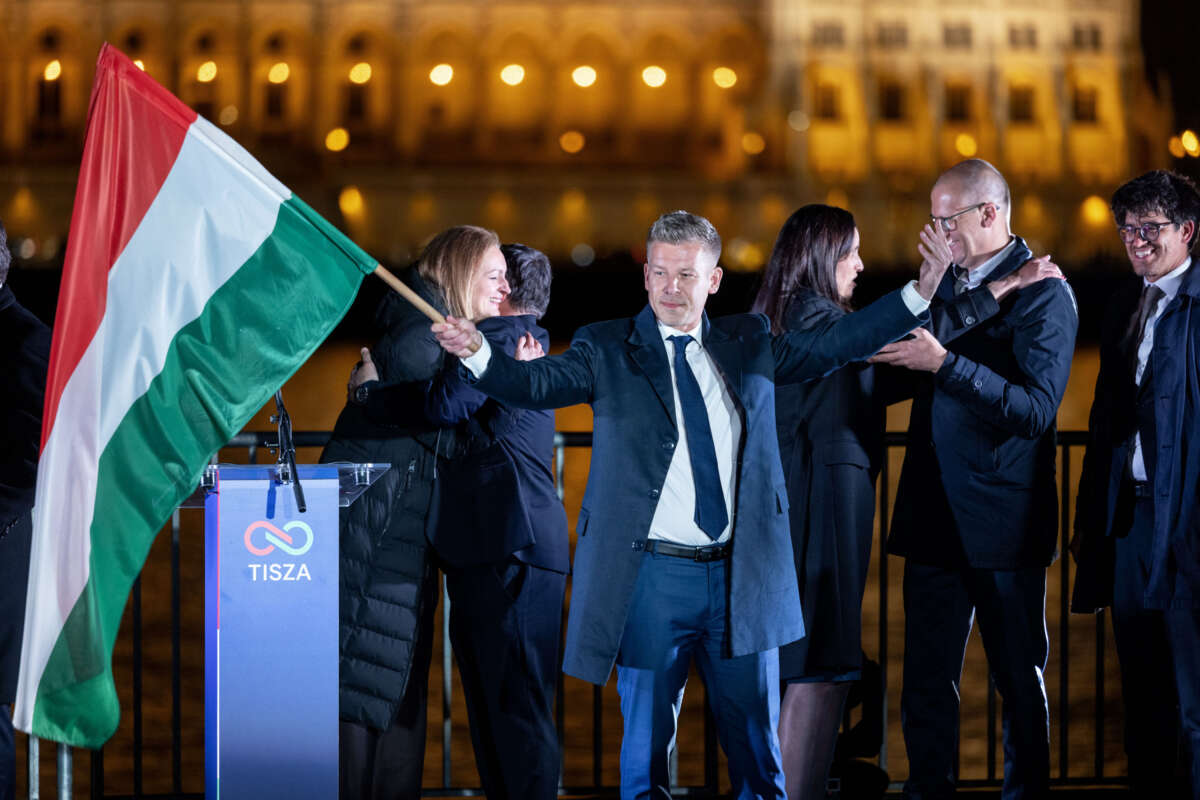
On April 12th, a political earthquake in Hungary upended 16 years of continuous rule by Viktor Orban. It was a period characterized by constant and ever-mounting confrontation between Budapest and the European Commission, the EU’s executive body.
Now, Orban’s exit has removed a major barrier to EU federalization, and imperialism.
Brussels’ fingerprints are plastered all over his departure from office, and the Commission now evidently perceives an ideal opportunity to exert its will not only over the bloc’s 27 member states, but Europe and beyond.
There are countless legitimate criticisms one could make of Orban’s lengthy run in power. He himself proudly characterized his ruling ideology as a fundamentally illiberal, nationalist project. Budapest under his stewardship clashed with Brussels on issues ranging from academic, judicial and media freedom, migration, minority rights, and rule-of-law concerns to social justice.
Yet, Orban also adopted a more enlightened approach toward Russia compared to most other European countries, and stood firm against ongoing attempts to erode EU member state sovereignty, and construct a federalized continent-spanning superstate, governed by the unelected Commission.
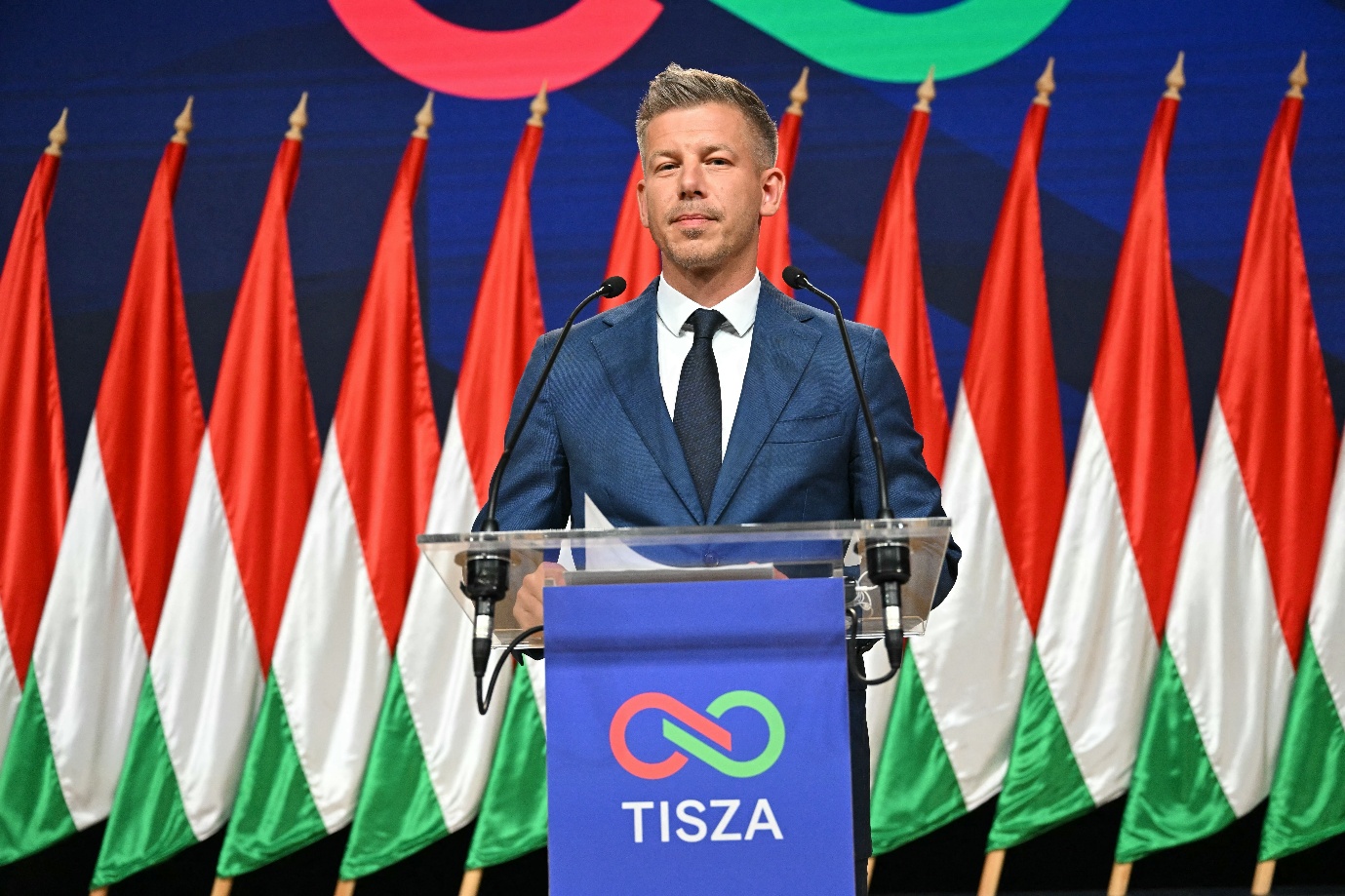
New Prime Minister Peter Magyar exploded onto Hungary’s political scene in March 2024, having no history of political activity or prior public platform. Attacking Orban’s government for corruption while supporting greater EU integration, he was quickly anointed Budapest’s leader-in-waiting by Western politicians and news outlets.
His unprecedented rise was significantly assisted by a vast anti-Orban media and civil society ecosystem locally, lavishly funded by the EU. Obvious questions about whether Magyar’s abrupt, stratospheric success was truly organic have not been asked in the mainstream.
During Orban’s last term in office, too, the EU waged devastatingly effective, open financial warfare on Hungary. From late 2022 onward, Brussels began freezing tens of billions in funds owed to Budapest, due to an array of rule-of-law concerns. It represented a significant proportion of the country’s GDP.
To unlock these sums and finance everything from infrastructure repair to stimulus for businesses affected by the COVID-19 pandemic, Orban’s government needed to pass 27 separate reforms—dubbed “super milestones.” Authorities rejected many demands outright.
The withheld funds added to already grave economic woes locally, including high inflation, rising unemployment and stagnant wages.
This handed Magyar a highly compelling campaign platform—he promised to instantly unlock the cash upon taking office, when Budapest was again “a full-fledged member of the EU.”
Within days of Magyar’s election victory, a Commission delegation duly visited Hungary to discuss unfreezing more than €30 billion in initial assistance. Magyar subsequently boasted how much-needed EU resources would “soon arrive.”
With Hungary brought to heel, the EU Commission is quickly moving to repeat the ploy in Serbia and Slovakia, cutting the pair off from funds avowedly in order to “correct” their behavior.
Both countries have long-frustrated Brussels’ domestic and international designs in different ways.
With internal opposition neutralized, never has the EU Commission been so assertive in pursuing its objectives. The implications for how the bloc acts internationally, and its constituent member states and populations progressively unable to resist Brussels’ diktats, are massive.
“European Continent”
On April 22nd, EU Commission President Ursula von der Leyen declared in an unprecedentedly belligerent speech, “we must succeed in completing the European continent so that it does not fall under Russian, Turkish or Chinese influence.”
A Commission spokesperson clarified von der Leyen specifically referred to future EU expansion into the West Balkans, much of which formerly comprised Yugoslavia. Opposition to EU membership is widespread throughout the region, especially in Serbia, while the Turkish government formally categorizes it as a “priority region” for cooperation.
Her comments rankled Ankara, itself a long-standing EU candidate country with strong cultural, economic and historic ties to the West Balkans. Under von der Leyen’s bold, belligerent vision for future Europe, Turkey will be categorized alongside Beijing and Moscow as an unwelcome regional contaminant.
Endless rounds of sanctions have almost completely cut off Russia from the bloc since February 2022. Concurrently, numerous Chinese investment projects in the EU have been rejected in recent years, while import of Beijing’s goods in key sectors is increasingly restricted.
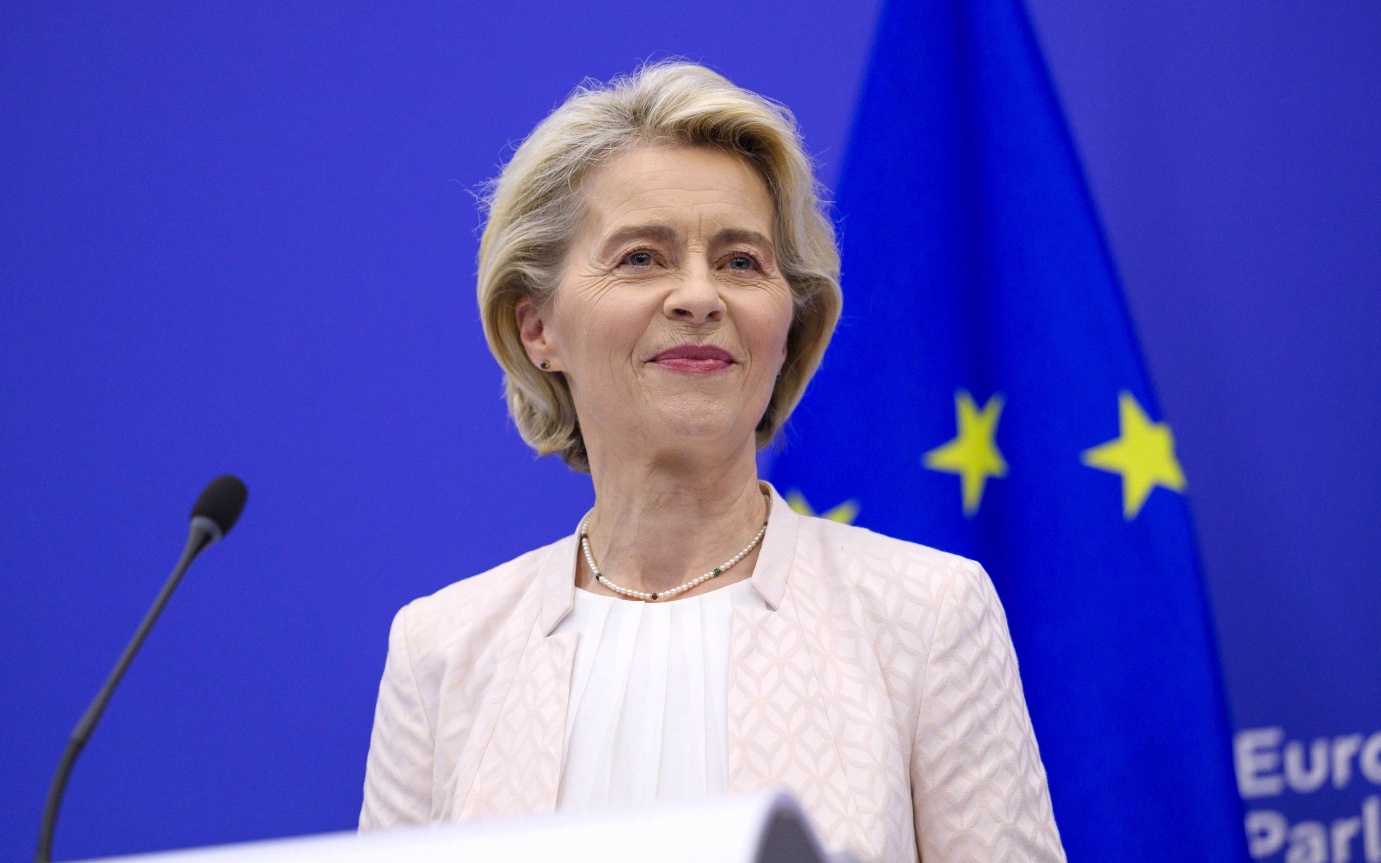
Moreover, less than 24 hours after Orban’s defeat, von der Leyen bombastically called for an end to EU member state veto power on foreign policy matters. This is a deeply troubling shift. Advocates of greater EU federalism and integration—including outspoken, high-ranking Commission apparatchiks—have long-argued for ending the requirement of member state unanimity in sensitive policy areas, including enlargement, defense and security. Many Europeans reject the move. However, no EU member state is now likely to push back.
Under Orban, Budapest recently vetoed an EU membership plan for Ukraine, a €90 billion loan to Kyiv, appropriation of frozen Russian assets, bloc-wide bans on importing Moscow’s oil and gas, and other controversial matters. With vetoes done away with, major foreign policy decisions could be made by Brussels with just 15 of the EU’s 27 member states agreeing. Governments and/or citizens unsupportive of these moves would have little recourse to oppose the changes, even if directly affected by them.
This could eventually extend to construction of a unified EU army. In October 2025, the EU Commission’s Defence Industry and Space Department published “Readiness Roadmap 2030.”
It directed member states to invest heavily in their militaries and war-fighting capabilities, while establishing joint bloc projects, such as a European drone force, in formal alliance with Ukraine. Meanwhile, in January, EU Defence and Space Commissioner Andrius Kubilius proposed creating a 100,000-strong standing European rapid reaction force.
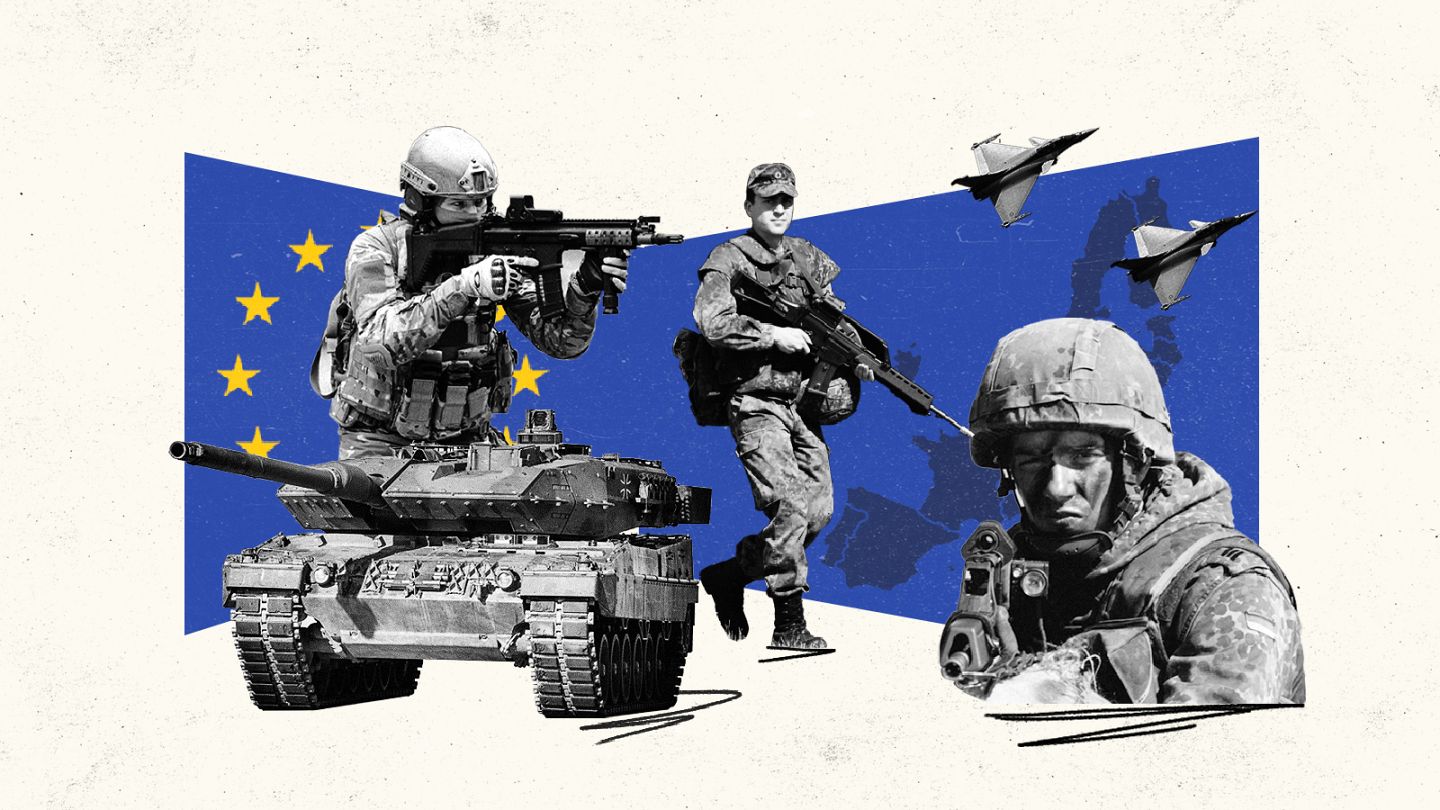
That same month, laws requiring German men aged 17-45 to obtain approval from the Bundeswehr if they intend to leave the country for more than three months came into effect.
The move reintroduces military conscription, if not enough citizens voluntarily enlist. Due to widespread outcry, the requirement was dropped in early April. Weeks later though, officials in Berlin formally unveiled ominous Bundeswehr strategy documents, outlining plans for Germany to possess Europe’s biggest army by 2039. The papers identify Russia as Europe’s gravest threat.
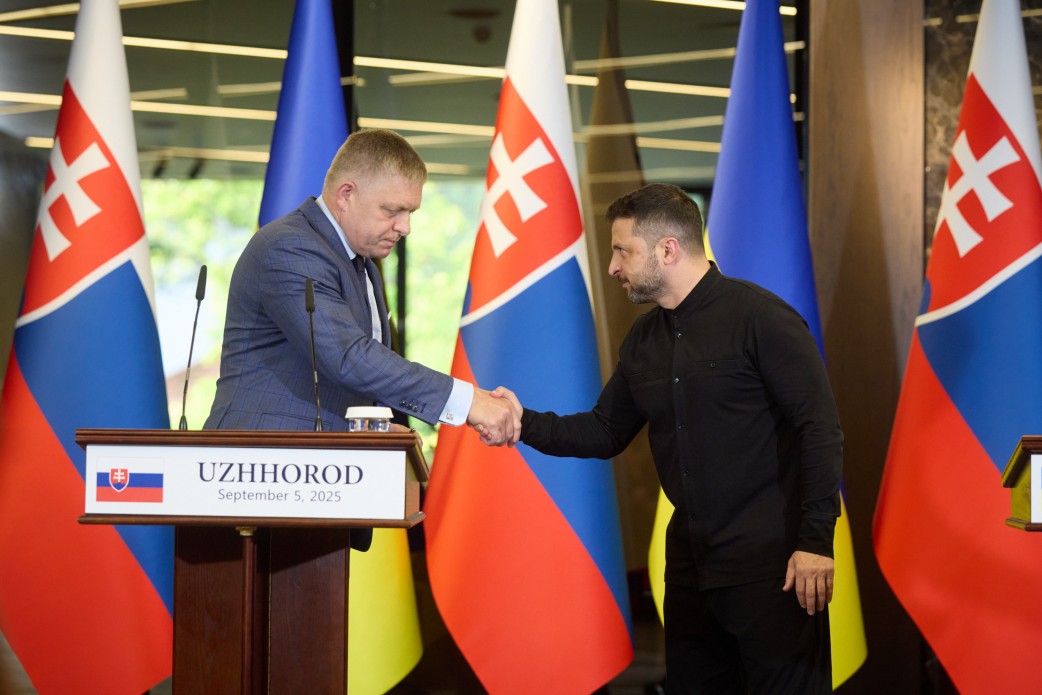
Before vetoes have even been axed, EU member state opposition to the Commission’s foreign agenda is already precipitously shrinking. Brussels’ threats of financial penalties have prompted Slovak Premier Robert Fico to jettison all objections to lending Ukraine tens of billions. He also intends to visit Kyiv, to prove his commitment to supposed European values.
Given that Fico was elected on a popular platform of ending his country’s financial and material support for Ukraine, and undoing EU-encouraged anti-Russian sanctions, the domestic implications could be significant.
“Russian Disinformation”
In August 2023, the highly controversial EU Digital Services Act came into force. Under its terms, the EU Commission, member state election authorities, and EU-funded NGOs are granted enormous power to police online speech, under the cover of countering “disinformation.” Repeatedly in recent years, Brussels has activated a so-called “rapid response system” around European elections, to demand social networks censor supposedly problematic content, and ban offending users. If social networks fail to act as required by the Commission, they face massive fines and other penalties.
The strict EU-wide censorship regime established by the DSA’s adoption operated almost entirely hidden from European citizens, until the U.S. Senate Judiciary Committee published a report in February 2026 exposing the Act’s abuse by Brussels.
While the DSA has been used to compel platforms to remove false and hateful content, it is also routinely exploited to censor dissenting viewpoints, including Euro-skeptic speech. The EU Commission can resultantly exert extraordinary online narrative control within member states and across the continent, at particularly sensitive political junctures.
Slovakia’s September 2023 parliamentary election was hotly contested, with Fico’s Smer Party under relentless attack by pro-Western politicians, NGOs, and media outlets. Fico’s policies are popular locally—many Slovaks even perceive him as too soft—and he won cleanly.
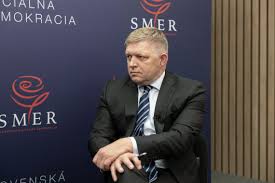
Yet, the Judiciary Committee report reveals Brussels engaged in determined skullduggery via the DSA to deny Smer victory. In the months leading up to the vote, the Commission secretly submitted a variety of censorship requests to major social networks via the rapid response system.
Over the week prior to election day, this activity intensified substantially. The EU Commission provided TikTok with spreadsheets listing supposedly “problematic” Slovak accounts publishing “political content,” to be suppressed if not outright banned. In many cases, these users had seemingly done nothing objectionable. This included a “well-known and popular” Slovak influencer primarily publishing “non-problematic” content, “focused on entertainment.” Local users sharing political humor, and a Communist Party member, were among other apparently innocuous accounts also in the Commission’s censorship crosshairs.
The rapid response mechanism was likewise put into play around the 2024 European parliamentary elections. Underscoring the vote’s importance from the EU Commission’s perspective, representatives of social networks were explicitly warned behind-closed-doors that Brussels would “take enforcement actions” if they failed to act on censorship requests. Under direct threat of financial and legal retaliation, Google, Meta and TikTok purged a vast quantity of “misinformation” from their platforms at the Commission’s direct behest.
TikTok alone censored more than 45,000 pieces of content during the campaign. Problematically, EU parliamentarians vote for the EU Commission’s president, and confirm its commissioners. The Commission was thus via the DSA ideally positioned to insulate itself and EU policies from online criticism throughout Europe, while promoting pro-EU political parties running for election. The DSA’s potential impact on Orban’s loss is difficult to quantify. On March 16th, an EU spokesperson activated the “rapid response system,” to deal with purported “Russian disinformation” in Hungary’s election.
“Romanian Democracy”
In December 2024, Romania’s constitutional court canceled the country’s ongoing presidential election, after upstart outsider Calin Georgescu won the vote’s first round. Running on a Euro-skeptic, nationalist platform—including ending Bucharest’s financial and military support for the nearby Ukraine proxy war—contemporary polls showed Georgescu was en route to becoming president via landslide.
The shocking annulment was justified by authorities on the grounds that a supposedly wide-ranging cloak-and-dagger Russian influence campaign conducted via TikTok had promoted his candidacy, skewing the vote’s result.
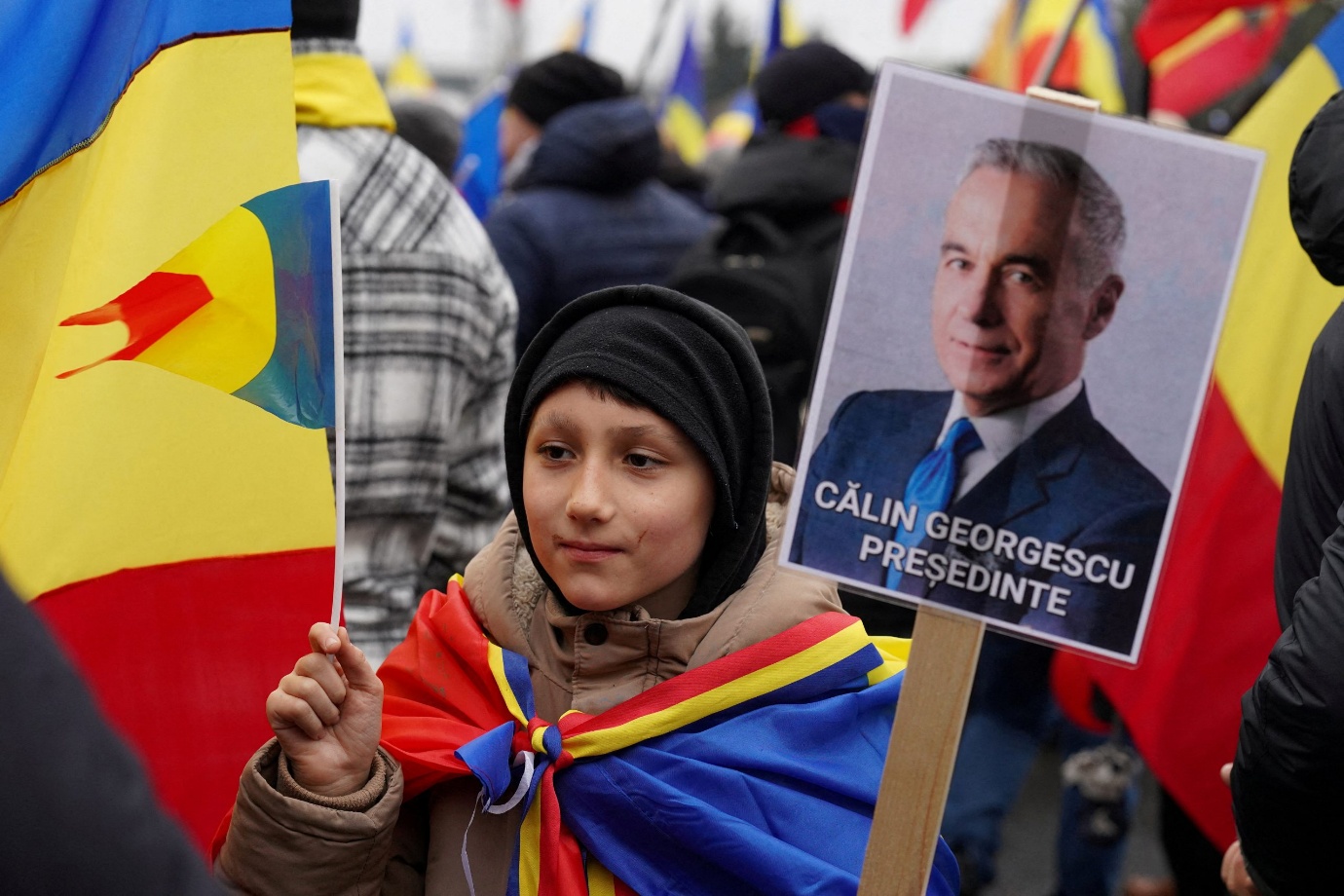
No evidence supporting this incendiary charge ever surfaced. Still, EU and U.S. officials publicly endorsed the election’s autocratic voiding. Western media outlets unquestioningly reinforced that the election’s cancelation was entirely proper, due to malign Muscovite meddling. A contemporary BBC report nonetheless admitted Georgescu was hugely—and organically—popular with Romanians, at home and abroad. The British state broadcaster conceded “fatigue” with Bucharest’s pro-NATO political establishment is common locally, and among Romania’s massive diaspora.
Devastating Westernizing “reforms” enacted since the fall of Communism mean Romanians harbor ever-multiplying legitimate grievances, entirely unaddressed in the mainstream. Per the BBC, in the annulment’s aftermath, “even those who feared a President Georgescu—and believe Russia was backing him—now worry about the precedent just set for Romanian democracy.” Suspicion widely abounded locally the vote’s cancelation was influenced by foreign actors. The Senate Judiciary report amply exposes how Brussels played a central role in sabotaging Bucharest’s 2024 presidential election.
Before, during and after the presidential vote, “the European Commission took its most aggressive censorship steps” yet uncovered. With the rapid response mechanism activated in advance, authorities in Bucharest “repeatedly made content takedown requests” to social media platforms, using “expansive interpretations” of the DSA and local laws. This extended to demanding TikTok block videos of Georgescu not merely for Romanian audiences, but globally. The social network was wary of the “potential for political influence” on the election, posed by EU-demanded “unjustified removal of legal content.”
For example, TikTok was ordered to censor social media posts purely on the basis it was “disrespectful” to Bucharest’s governing Social Democratic Party, with no stated legal rationale. Once Georgescu prevailed in the first round, DSA-inspired censorship orders became “even more aggressive.” Romanian regulators were emboldened to order TikTok to purge “all materials” featuring images of Georgescu from its platform. In concert, EU-funded NGOs in Romania and the wider region dispatched spreadsheets to social networks “containing hundreds of censorship requests.”
“While some of the content” earmarked for suppression “may have been genuinely objectionable,” much of the material in question simply set out Georgescu’s policy stances. Even more damningly, Bucharest and the EU Commission pressured TikTok to validate the narrative that its platform was illicitly exploited by the Kremlin to promote Georgescu. However, after extensive trawling, TikTok’s internal security team found no indication whatsoever of a “coordinated influence operation” to boost his candidacy.
TikTok’s repeated appeals to Romanian authorities and the EU Commission that Russia had not meddled in the 2024 presidential election were ignored, and remained concealed from public view. In a perverse twist too, the Commission thereafter launched a formal investigation under the DSA into TikTok’s moderation practices for political speech, due to the platform’s supposed role in subverting Romanian democracy. Georgescu was banned from standing in a re-run, which led to the election of a pro-EU coalition government. The administration collapsed on May 5th.
“Change Policies”
This followed weeks of constantly ratcheting up political crisis, during which left-leaning ministers within the ruling coalition resigned over the government’s locally despised economic austerity measures. Brussels has made Romania unlocking almost €2 billion in state aid contingent on implementing savage public spending cuts, wage and pension freezes, and tax hikes. With public anger rising and the country teetering on the brink of a major recession, on April 23rd, EU Financial Services Commissioner Maria Luis Albuquerque quietly journeyed to Bucharest for the first time.
During her visit, she met with representatives of Romania’s finance ministry, stock exchange, National Bank, private investment firms, and trade unions, to discuss “the economic future of Europe.” Albuquerque’s presence was perceived locally as a clear signal that Brussels is keeping a close eye on developments, and expects business as usual from Bucharest come what may. The EU Commission surely has little to fear. Due to the overturned November 2024 election, perspectives critical of NATO and the EU have been ruled contrary to the country’s constitution.
Despite surging public agitation for radical change, any Romanian political candidate or party espousing those perspectives is now barred from seeking, let alone occupying, high office. It must never be forgotten how in the wake of Syriza winning a clear mandate to end Brussels-imposed austerity in Greece in January 2015, then-European Commission Vice President Jyrki Katainen bluntly declared: “We don’t change policies depending on elections.” As Greece was part of the Eurozone, its government’s economic and political agenda was controlled by Brussels and Berlin, not Athens.

Syriza had little choice but to break all its campaign pledges, and reverse its long-standing ideological positions. The Greek people suffered immensely, and still do. Conversely, Western banks that recklessly loaned vast sums to Athens to fuel an unsustainable economic boom profited immensely from the Eurozone crisis, and consequent austerity in Greece. The EU and IMF provided Athens with bailout loans that repaid German and other European lenders, while leaving Greece even more heavily indebted. Unemployment, poverty and a brain drain remain rampant today.
Despite the misery inflicted on Athens via its membership of the euro, the single currency has engulfed further EU member states in the years since. Lithuania joined in 2015, Croatia eight years later, and Bulgaria in 2026. Czechia, Denmark, Poland, Romania and Sweden are all expected to join in due course, and Magyar’s Hungary is now committed to doing so by 2030.
The stage is now set for “completing the European continent,” without citizens or governments anywhere standing in the way.

CovertAction Magazine is made possible by subscriptions, orders and donations from readers like you.
Blow the Whistle on U.S. Imperialism

Click the whistle and donate
When you donate to CovertAction Magazine, you are supporting investigative journalism. Your contributions go directly to supporting the development, production, editing, and dissemination of the Magazine.
CovertAction Magazine does not receive corporate or government sponsorship. Yet, we hold a steadfast commitment to providing compensation for writers, editorial and technical support. Your support helps facilitate this compensation as well as increase the caliber of this work.
Please make a donation by clicking on the donate logo above and enter the amount and your credit or debit card information.
CovertAction Institute, Inc. (CAI) is a 501(c)(3) non-profit organization and your gift is tax-deductible for federal income purposes. CAI’s tax-exempt ID number is 87-2461683.
We sincerely thank you for your support.
Disclaimer: The contents of this article are the sole responsibility of the author(s). CovertAction Institute, Inc. (CAI), including its Board of Directors (BD), Editorial Board (EB), Advisory Board (AB), staff, volunteers and its projects (including CovertAction Magazine) are not responsible for any inaccurate or incorrect statement in this article. This article also does not necessarily represent the views the BD, the EB, the AB, staff, volunteers, or any members of its projects.
Differing viewpoints: CAM publishes articles with differing viewpoints in an effort to nurture vibrant debate and thoughtful critical analysis. Feel free to comment on the articles in the comment section and/or send your letters to the Editors, which we will publish in the Letters column.
Copyrighted Material: This web site may contain copyrighted material the use of which has not always been specifically authorized by the copyright owner. As a not-for-profit charitable organization incorporated in the State of New York, we are making such material available in an effort to advance the understanding of humanity’s problems and hopefully to help find solutions for those problems. We believe this constitutes a ‘fair use’ of any such copyrighted material as provided for in section 107 of the US Copyright Law. You can read more about ‘fair use’ and US Copyright Law at the Legal Information Institute of Cornell Law School.
Republishing: CovertAction Magazine (CAM) grants permission to cross-post CAM articles on not-for-profit community internet sites as long as the source is acknowledged together with a hyperlink to the original CovertAction Magazine article. Also, kindly let us know at info@CovertActionMagazine.com. For publication of CAM articles in print or other forms including commercial internet sites, contact: info@CovertActionMagazine.com.
By using this site, you agree to these terms above.
About the Author

Kit Klarenberg is an investigative journalist exploring the role of intelligence services in shaping politics and perceptions.
Follow him on Twitter @KitKlarenberg.