Rotten food, overflowing toilets into bunking areas, no room in the incoming missile shelters, confiscated cell phones that are the notification devices for incoming missiles, infrequent mail, and social media closed down, were just some of the issues that military families identified at the national conference of Veterans For Peace.
Spouses and parents of Air Force, Army, Marine and Navy personnel told of plummeting morale, lack of basic supplies and attacks on U.S. military bases that are not reported in the U.S. media.
The frustration of the military families at the Veterans For Peace conference echoed the descriptions of life on U.S. military bases in the Middle East under attack by the Iranian response to the brutal U.S.-Israeli five-month attack on Iran made by military families who met with the Acting Assistant Secretary of the Navy and the Commander of the U.S. Pacific Fleet in San Diego on August 6, 2026.
Big Problems on Long Deployments for U.S. Naval Vessels, Ships’ Infrastructure and Sailors’ Physical and Mental Health
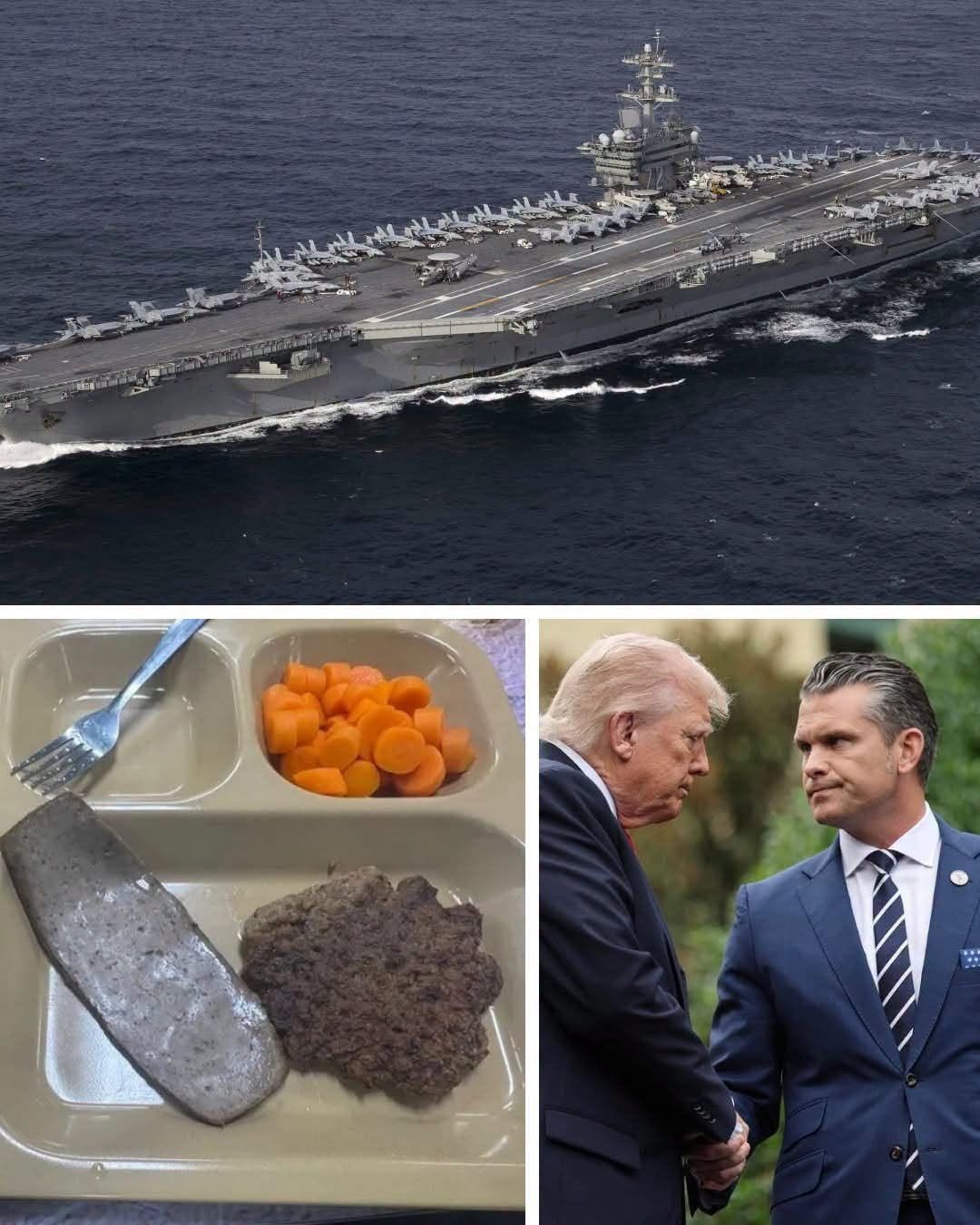
On August 6, 2026, the Navy’s senior leadership held listening sessions with the families of USS Abraham Lincoln’s sailors—one in-person session in San Diego, and a second online session later the same evening. Family members leaked recordings of those sessions that described conditions aboard the aircraft carrier: showers plagued with stubborn mildew, sagging morale, heavy fatigue, shortages of supplies and food, contaminated water supplies and lost mail.
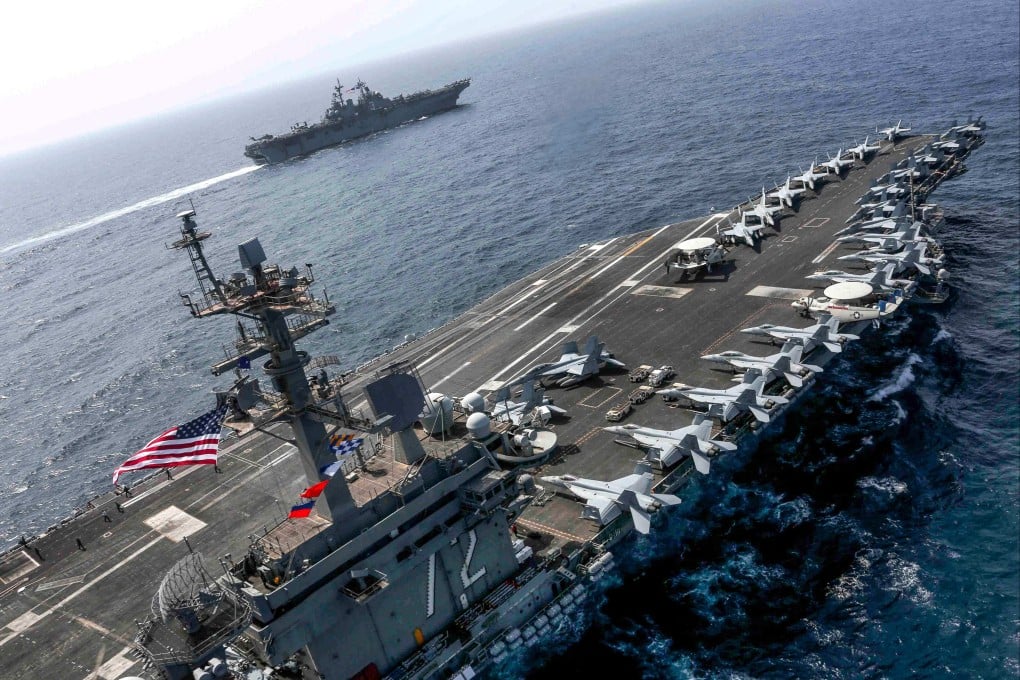
Since departing from Naval Base San Diego on November 21, 2025, the USS Abraham Lincoln and its crew of 5,000 sailors and Marines has been deployed for more than 270 days, with only a stop in Guam in December and a brief visit to Oman in June after 208 days at sea.
A second aircraft carrier USS Gerald R. Ford, had similar problems when it sailed from the Caribbean to the Middle East after being off Venezuela in the kidnapping of Venezuelan President Nicolás Maduro and his wife in January 2026. During that deployment, the ship’s toilets kept failing, with sewage often overflowing and spilling onto the floor. Additionally, a fire broke out in the laundry room, causing enough damage that the Gerald R. Ford had to go into a port on the Greek island of Crete for repairs.
More than 200 sailors were treated for smoke inhalation, with one sailor medically evacuated from the carrier, after being injured in the damage-control effort. Two others were treated for lacerations.
The smoke damage from the laundry room fire extended to the berthing area. More than 100 bunks and personal gear were destroyed in the fire. Articles in Stars and Stripes and the Navy Times detailed at least six attempts by crew members to jump overboard from the USS Abraham Lincoln, with interviews conducted with sailors and families of those on board who described the impacts of the lengthy deployment.
Army and Marine Ground Forces Under Missile Attacks
Families of U.S. ground forces on the U.S. military bases scattered all over the Middle East described overcrowding to no space in shelters against incoming missiles, and commands confiscating cell phones that are the notification devices for incoming missiles.
The U.S. military says that Iran watches social media postings of attacks and to prevent such postings, cell phones may be taken away, but families respond that notification of incoming missile attacks is by cell phone.
According to news outlet The War Horse, the only public source for injuries during the U.S. attack on Iran is the Defense Casualty Analysis System, which provides monthly totals for the War on Iran with limited demographic data.
More than 400 casualties (non-lethal) were recorded in the first month between February 28 and April 8 of the U.S. attack on Iran with Army personnel accounting for most of the casualties.
More than 270 of the roughly 400 casualties (non-lethal) were Army soldiers, and about one-third of those were reservists. Enlisted soldiers accounted for most Army casualties, including 57 sergeants and 53 specialists. But also wounded were 64 Army officers, including 20 captains, and 13 lieutenant colonels or colonels.
The Navy reported 64 casualties, none of whom was classified as seriously injured. The Air Force recorded 51 casualties, and the Marine Corps recorded 19. Unlike the Army, the other branches did not list the type or cause of injury.
U.S. troops suffered shrapnel wounds, broken bones, smoke inhalation, and other injuries. But one category appeared far more often than any other: head trauma.
Hundreds of Troops Suffering from Head Trauma
The large proportion of the wounded suffering from head trauma has led some military health experts to worry that traumatic brain injuries—caused by damage to the brain that can impact thinking, movement and emotion—could become the signature injury of this war, as in the U.S. wars in Iraq and Afghanistan.
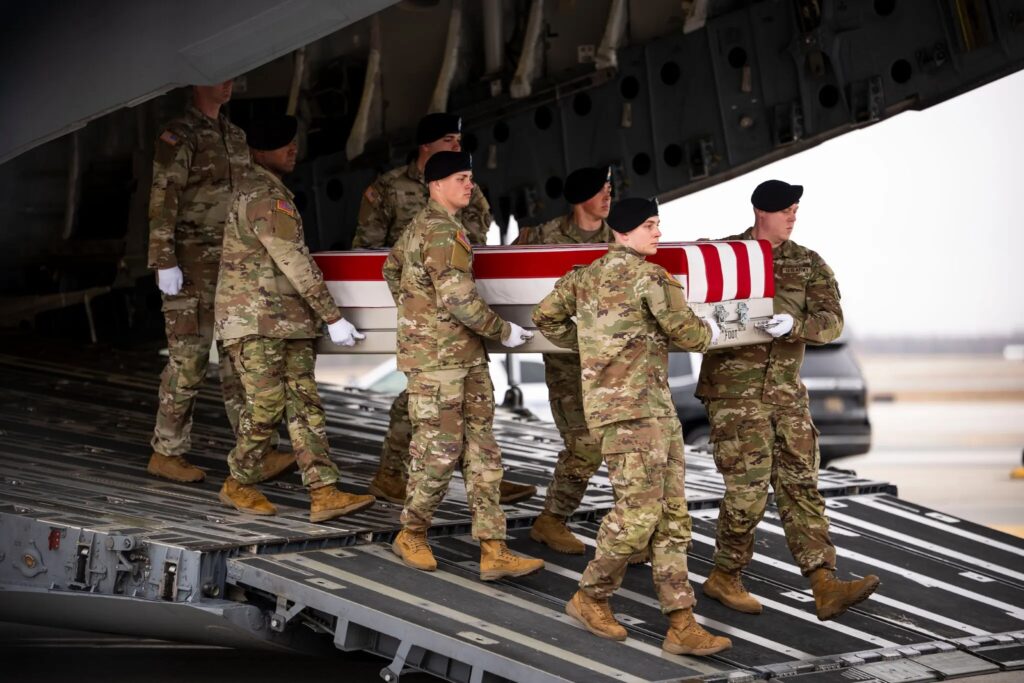
18 U.S. Troops Have Been Killed and 624 Wounded Since February 28
The Pentagon has attempted to reduce the number of U.S. military killed or wounded in the war on Iran by separating those killed/wounded before the May 1 cease-fire and those after. The total killed and wounded during the entirety of the conflict (since February 28) is 18 U.S. troops killed and 624 wounded.
Senate Armed Services Committee Finally Getting Involved
The U.S. Congress is finally getting involved. On August 12, 2026, Senator Richard Blumenthal (D-CT), a member of the Armed Services Committee, wrote a letter to Defense Secretary Pete Hegseth and the Acting Secretary of the Navy to express “serious concern” about the increasing length of deployments and demanded answers about living conditions aboard the carrier.
“There have been widespread reports of shortages of basic supplies, water contamination, plumbing issues, deteriorating mental health, deck safety concerns,” aboard the ship, he said in the letter, as well as “disruptions in the mail system, which have caused many care packages in route to the ship to be lost in transit for months.”
Blumenthal’s letter ends with six questions for Hegseth and the Department of Defense to answer concerning conditions on the USS Abraham Lincoln and a call to treat servicewomen and men properly:
“The men and women aboard the Lincoln have answered the call to serve their country. The Department owes them not only adequate supplies, maintenance, and support during this deployment, but a sustainable force-generation model that does not rely on repeatedly extending sailors and ships to meet persistent operational demands.
Our servicemembers deserve nothing less than the full support of their government—and the American people deserve a military strategy that is worthy of the sacrifices we ask them to make.”
USS Abraham Lincoln Sailor’s Father Proposes “Parent Swap” to Replace His Son
One parent, Jefferson Kelley, the father of a USS Abraham Lincoln and fed up with the conditions his son is living under, wrote on August 13 to his U.S. senator, Bernie Moreno, asking him to make an official inquiry to the U.S. Navy to see if he could do a “parent swap” with his son, Jackson, 20, due to the terrible conditions aboard the USS Abraham Lincoln.
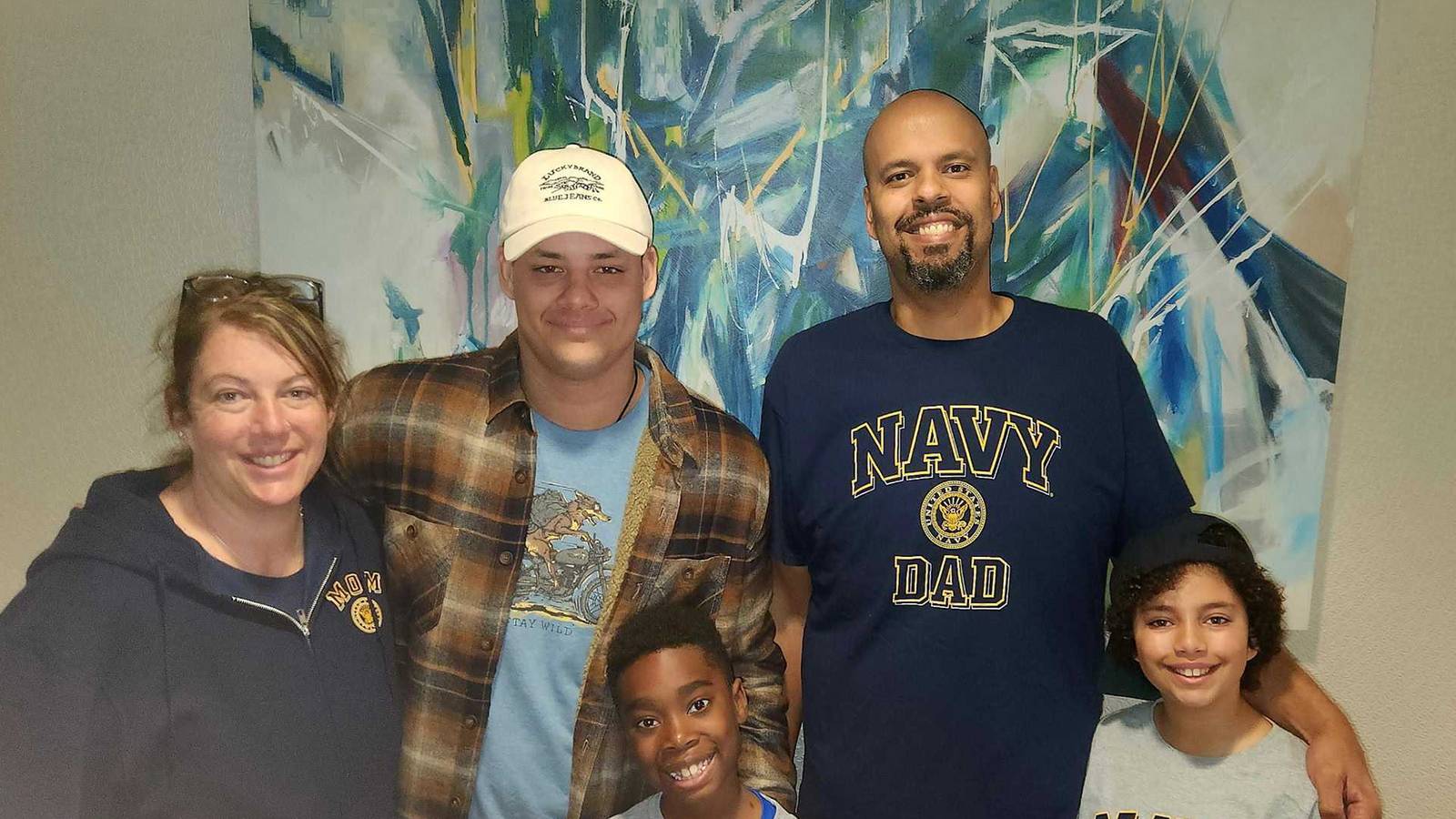
Kelley said he had not been asked by his son to make the swap, but he had read of the conditions on the aircraft carrier that included food rations, safety concerns, water contamination and poor mental health, which has purportedly led to some sailors attempting to jump overboard during the almost nine months at sea and believed that he as a parent should share the burden.
Kelley said he had not discussed his proposal with his son before writing to Senator Moreno which—given the Trump administration’s tendency toward retribution—may make his son’s remaining time on the aircraft carrier more difficult than it already is!

CovertAction Magazine is made possible by subscriptions, orders and donations from readers like you.
Blow the Whistle on U.S. Imperialism

Click the whistle and donate
When you donate to CovertAction Magazine, you are supporting investigative journalism. Your contributions go directly to supporting the development, production, editing, and dissemination of the Magazine.
CovertAction Magazine does not receive corporate or government sponsorship. Yet, we hold a steadfast commitment to providing compensation for writers, editorial and technical support. Your support helps facilitate this compensation as well as increase the caliber of this work.
Please make a donation by clicking on the donate logo above and enter the amount and your credit or debit card information.
CovertAction Institute, Inc. (CAI) is a 501(c)(3) non-profit organization and your gift is tax-deductible for federal income purposes. CAI’s tax-exempt ID number is 87-2461683.
We sincerely thank you for your support.
Disclaimer: The contents of this article are the sole responsibility of the author(s). CovertAction Institute, Inc. (CAI), including its Board of Directors (BD), Editorial Board (EB), Advisory Board (AB), staff, volunteers and its projects (including CovertAction Magazine) are not responsible for any inaccurate or incorrect statement in this article. This article also does not necessarily represent the views the BD, the EB, the AB, staff, volunteers, or any members of its projects.
Differing viewpoints: CAM publishes articles with differing viewpoints in an effort to nurture vibrant debate and thoughtful critical analysis. Feel free to comment on the articles in the comment section and/or send your letters to the Editors, which we will publish in the Letters column.
Copyrighted Material: This web site may contain copyrighted material the use of which has not always been specifically authorized by the copyright owner. As a not-for-profit charitable organization incorporated in the State of New York, we are making such material available in an effort to advance the understanding of humanity’s problems and hopefully to help find solutions for those problems. We believe this constitutes a ‘fair use’ of any such copyrighted material as provided for in section 107 of the US Copyright Law. You can read more about ‘fair use’ and US Copyright Law at the Legal Information Institute of Cornell Law School.
Republishing: CovertAction Magazine (CAM) grants permission to cross-post CAM articles on not-for-profit community internet sites as long as the source is acknowledged together with a hyperlink to the original CovertAction Magazine article. Also, kindly let us know at info@CovertActionMagazine.com. For publication of CAM articles in print or other forms including commercial internet sites, contact: info@CovertActionMagazine.com.
By using this site, you agree to these terms above.
About the Author

Ann Wright is a retired United States Army colonel and retired U.S. State Department official.
She was one of three State Department officials to publicly resign in direct protest of the 2003 Invasion of Iraq.
Since that time Colonel Wright has been a dedicated peace activist.
Ann can be reached at annw1946@gmail.com.