Executive Summary
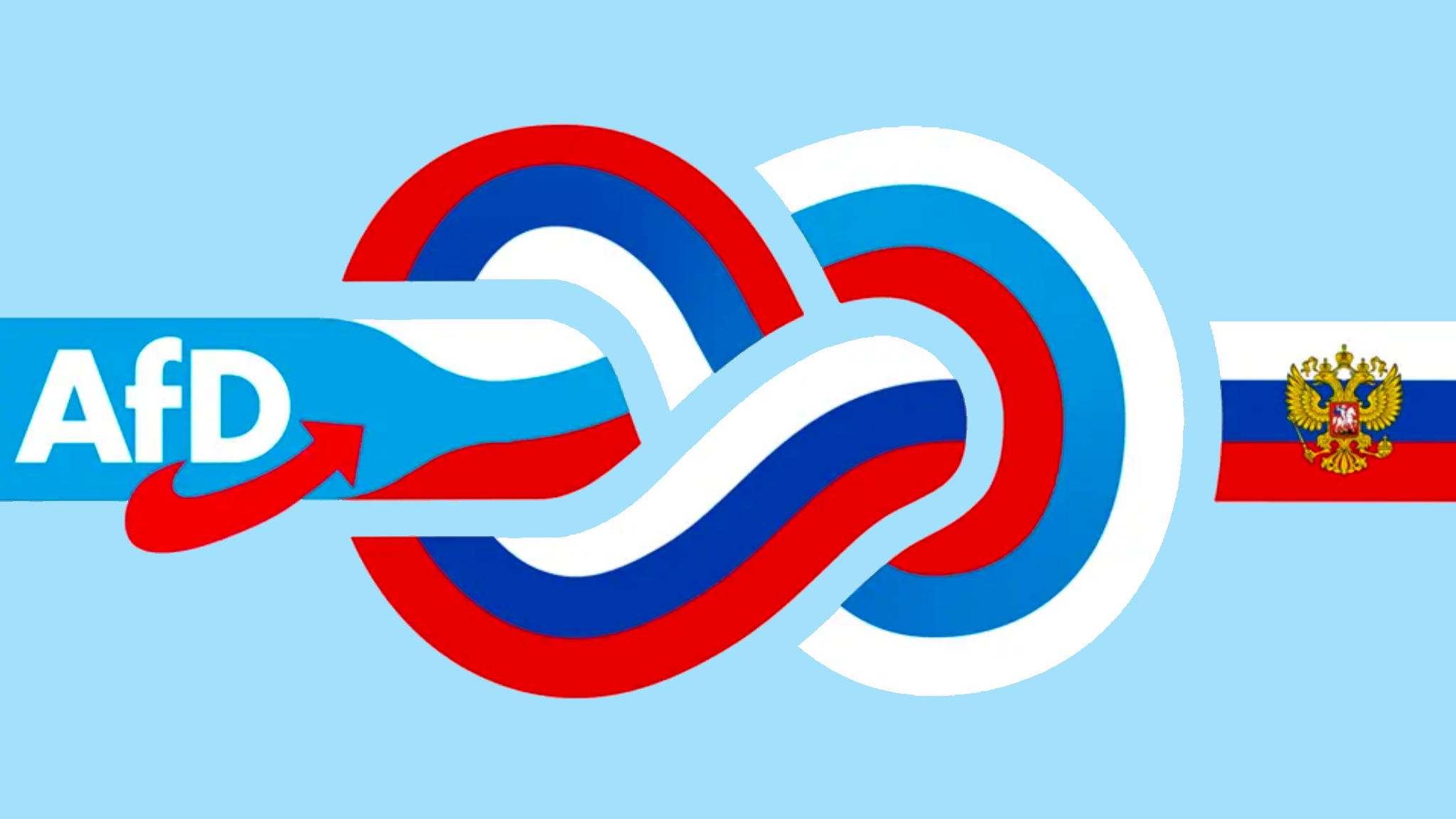
The Russian-German far-right relationship encompasses three ecosystems: first, the main German far-right party, Alternative for Germany (AfD), because of its electoral success and ability to influence “high politics”; second, several echo chambers—peripheral “think tank” institutions and individuals without visibility on the broad German political landscape; and third, the...

Never Forget: Germany’s Horrific Past Has No Equal—And Now It Threatens the Future
Consider the historical weight: From German soil emerged two world wars in the 20th century that claimed tens of millions of lives—with the Russians paying the heaviest price—alongside the Holocaust in Europe, the genocide of the Herero...

Part 1: Old Nazi Networks and Cold War Crooks
While voter support for Germany’s most powerful party, the Christian Democratic Union (CDU), had been crumbling in the course of the current legislation period (2017-2021), with the onset of the coronavirus crisis, the tables have turned importantly in favor of the...
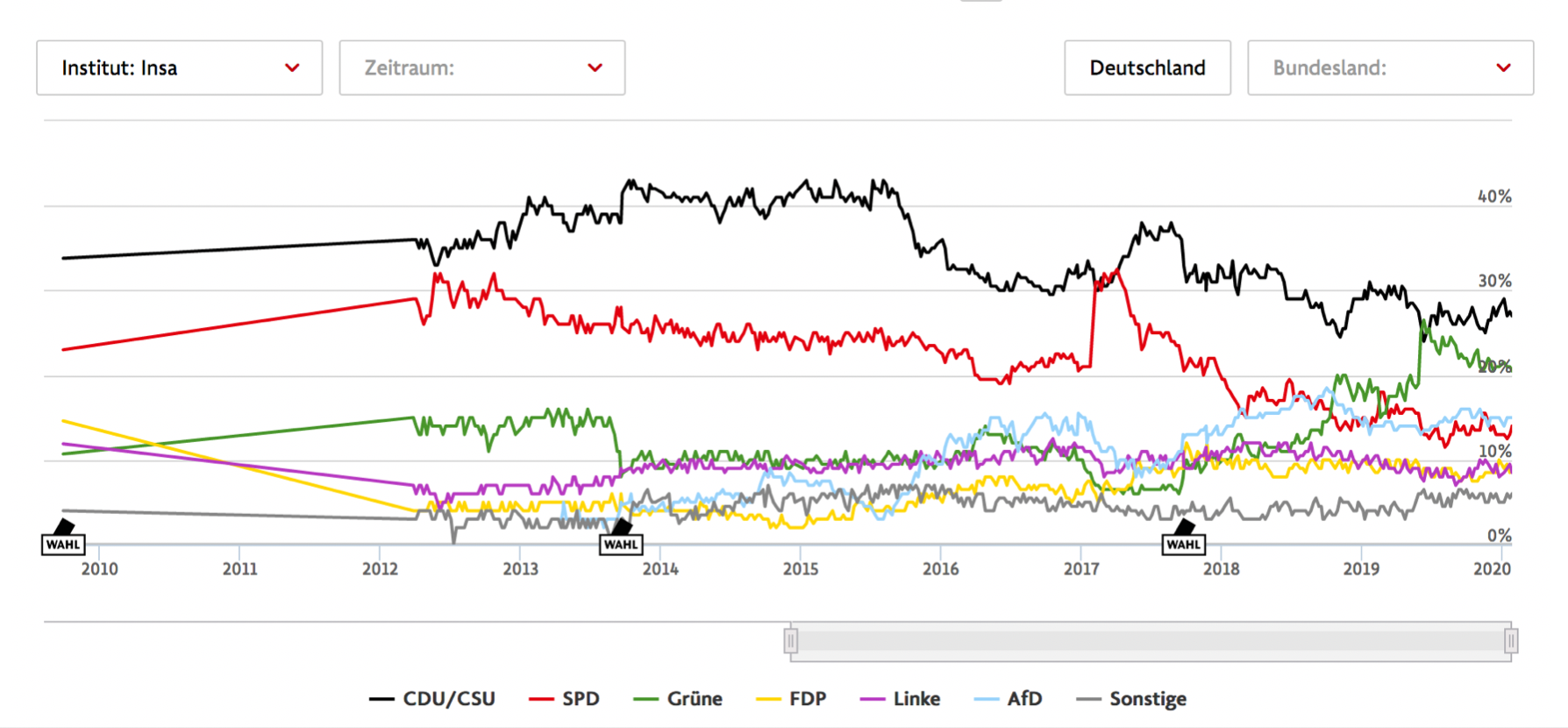
Many
still see Germany as a beacon of stability in an increasingly polarized Europe,
with the Christian Democratic chancellor Angela Merkel leading the country for
15 years in a row by now. But the façade of ostensible perdurability is
crumbling quickly as the country currently experiences rather drastic shifts in
its political power structure,...

 Radhika Desai is a Professor of Political Studies at the University of Manitoba, Winnepeg, Canada, Director of its Geopolitical Economy Research Group, and Convenor of the International Manifesto Group. Ms. Desai is an author of multiple books, including Geopolitical Economy(2013) and her most recent Capitalism, Coronavirus and War(2022). Ms. Desai hosts a fortnightly show, Geopolitical Economy Hour on the Geopolitical Economy Report website.
 Yan Pan is a Chinese PhD researcher at LUT University, Finland. Her work examines the political economy of China’s technological and industrial development, with a particular focus on the industrialization and governance of neurotechnology in China. Her research concerns industrial policy models for future industries in Chinese and Global South contexts. Prior to her PhD, she researched educational reforms and structural change in labor demand in China.
 Ken Hammond is professor emeritus of East Asian and Global History at New Mexico State University. He has lived and worked in China from time to time since 1982. A lifelong political activist, he is a member of the Party for Socialism and Liberation.