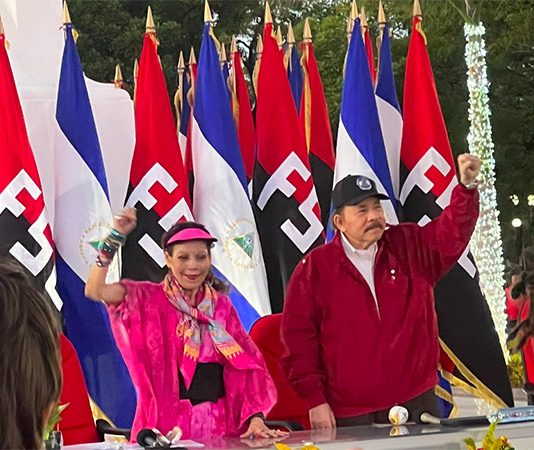
Under Stewardship of Original Revolutionary Leader Daniel Ortega, Nicaragua Remains a Beacon for Social Progress Despite Crushing U.S. Sanctions
In the United States, the word “socialism” has come to have a negative meaning. In that meaning, the word implies the loss of individual sovereignty, rejection of religion and the institution...
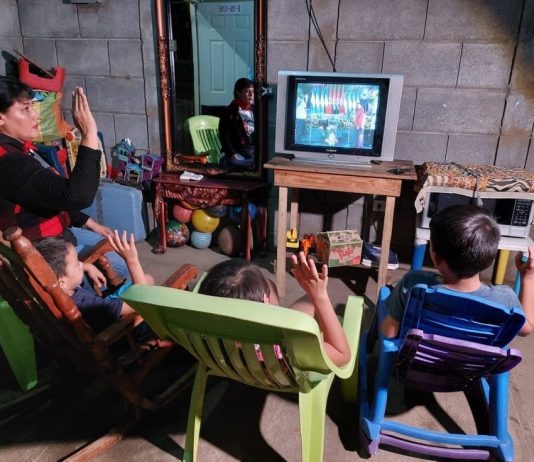
On January 10, Daniel Ortega was inaugurated President and Rosario Murillo was inaugurated as Vice President. The central event in the Plaza of the Revolution was accompanied by Sandinistas celebrating in almost every town with big-screen displays of the inauguration.
Once he had been sworn in, with the presidential sash...
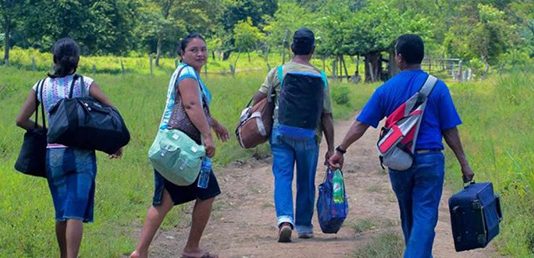
New Biden administration measures may make it easier to apply for asylum.
Nicaragua migration north had been very low for 14 years, always under 1,000 border encounters per month. This is especially low when compared to border encounters with people from the Northern Triangle nations of Guatemala, El Salvador and...
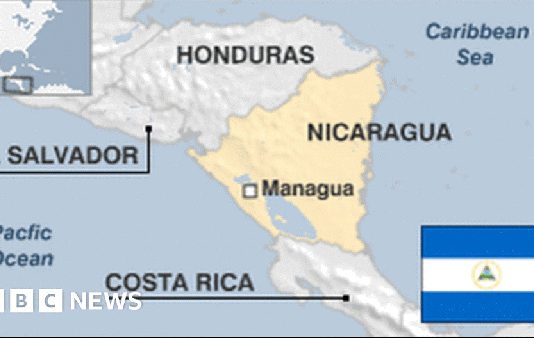
The June 23 BBC article by Bernd Debusmann, “US Immigration: They’d rather die than return to Nicaragua,” confirms that the corporate media consistently make every article an attack on its Sandinista Government.
Of four Nicaraguans interviewed for this article from the department of Esteli, two are peasants from villages, one...
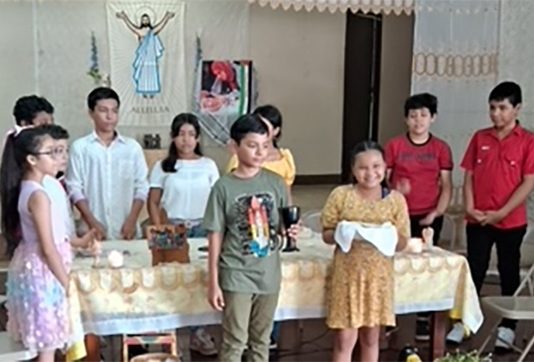
Yesterday I attended mass. Instead of a priest, the mass was celebrated by Nicaraguan children—10 fourth- and fifth-grade students.
The kids led the congregation in prayers, passing of the peace, read the gospel and shared a homily. They invited congregants to share reflections on the reading—the Good Shepherd—and they blessed...
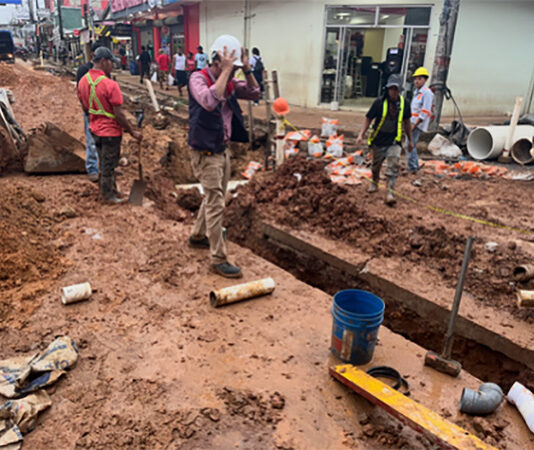
Meanwhile, in the U.S., public systems are crumbling or being sold off to private corporations
Upon landing in Miami, a TSA agent asked me where I had just come from. “Nicaragua,” I said. “Aren't the people there poor?” he asked.
His inquisitiveness surprised me, but I went with it: “Yes, there...
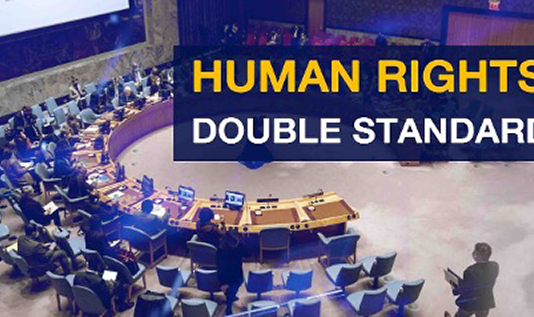
In the words of the United Nations, “human rights” range from “the most fundamental—the right to life—to those that make life worth living, such as the rights to food, education, work, health, and liberty.” These rights are supposed to be “inherent to us all.” But this lofty ambition has...
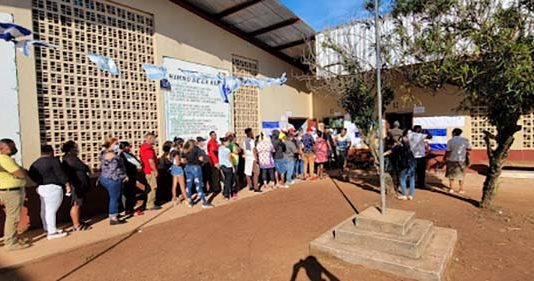
In the lead up to the February 25, 1990 elections, President George H.W. Bush told the Nicaraguan people that the U.S. would keep funding the Contras (counter-revolutionaries recruited, funded and directed by President Reagan, the State Department and the CIA in 1980s illegal war), block loans and maintain the...
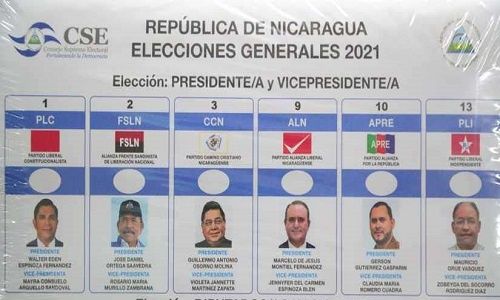
Media repeats big lie that Nicaraguan migrants to the U.S. are escaping Ortega’s repression
The Nicaraguan elections are on Nov. 7, 2021. The U.S. government, the media that does its bidding, and even some self-described “leftists,” present a Nicaragua in “turmoil” and “crisis”—and the elections as a farce.
These attacks against...
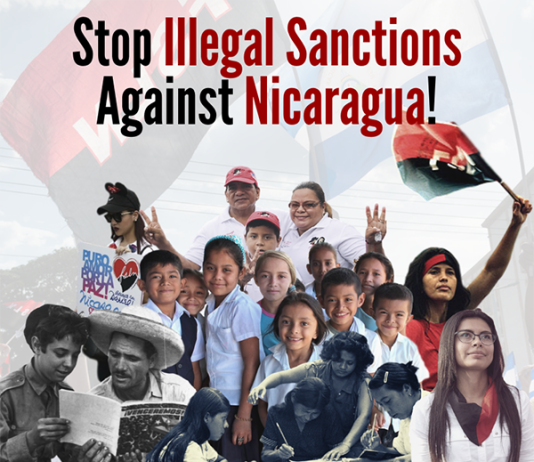
Mainstream media ridiculously claim that Nicaragua is a threat to U.S. national security when it has one of the lowest levels of defense spending in the world
The Biden administration has announced new sanctions which are intended to hit the poorest Nicaraguans—both in their pockets and in the public services...

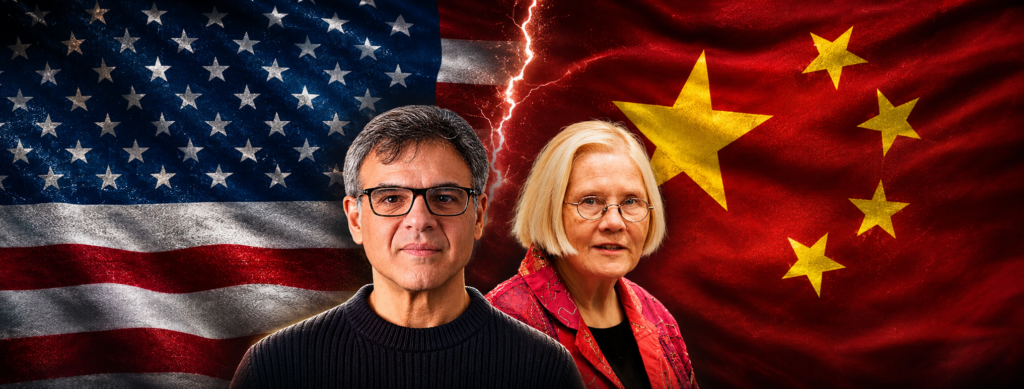
 Radhika Desai is a Professor of Political Studies at the University of Manitoba, Winnepeg, Canada, Director of its Geopolitical Economy Research Group, and Convenor of the International Manifesto Group. Ms. Desai is an author of multiple books, including Geopolitical Economy(2013) and her most recent Capitalism, Coronavirus and War(2022). Ms. Desai hosts a fortnightly show, Geopolitical Economy Hour on the Geopolitical Economy Report website.
 Yan Pan is a Chinese PhD researcher at LUT University, Finland. Her work examines the political economy of China’s technological and industrial development, with a particular focus on the industrialization and governance of neurotechnology in China. Her research concerns industrial policy models for future industries in Chinese and Global South contexts. Prior to her PhD, she researched educational reforms and structural change in labor demand in China.
 Ken Hammond is professor emeritus of East Asian and Global History at New Mexico State University. He has lived and worked in China from time to time since 1982. A lifelong political activist, he is a member of the Party for Socialism and Liberation.