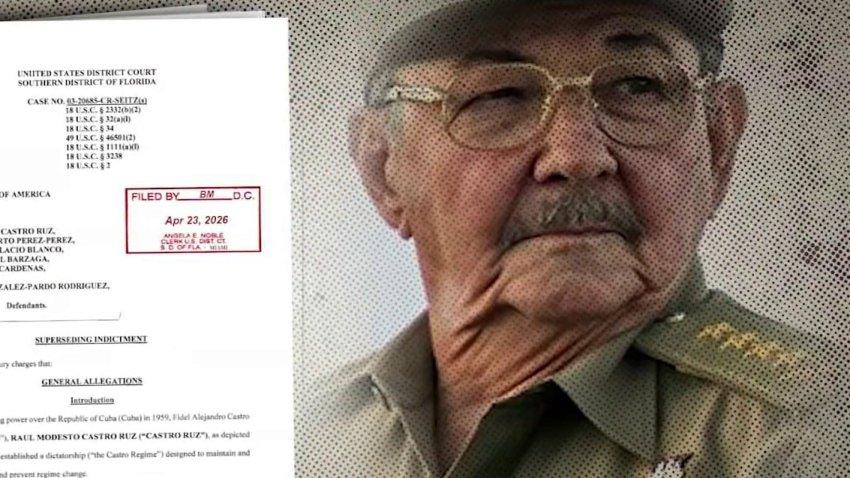
On May 20, the U.S. Justice Department announced charges against the 94-year-old former president of Cuba, Raúl Castro. Allegations accuse him of murder and conspiracy to kill three U.S. citizens and one resident, stemming from the fatal downing in February 1996 of two planes by Cuban Air Force jets.
Declassified documents show back-door, not to mention open-door, diplomatic efforts made by the Cuban government, warning U.S. authorities to cease the repeated, illegal incursions into Cuban airspace.
The planes were flown by Cuban exiles associated with the Brothers to the Rescue (BTTR)—an anti-Castro group founded in the offices of the Cuban American National Foundation, which received more than $100,000 per year from the National Endowment for Democracy (NED), a CIA offshoot.[1]
The BTTR’s founder, José Basulto, was a veteran of the 1961 CIA-organized Bay of Pigs invasion who bragged of being trained in terror techniques at the U.S. Army School of the Americas in Panama, participated in the shelling of a Havana hotel from a boat, and provided CIA-directed support to the Contra terrorist movement in Nicaragua.[2]
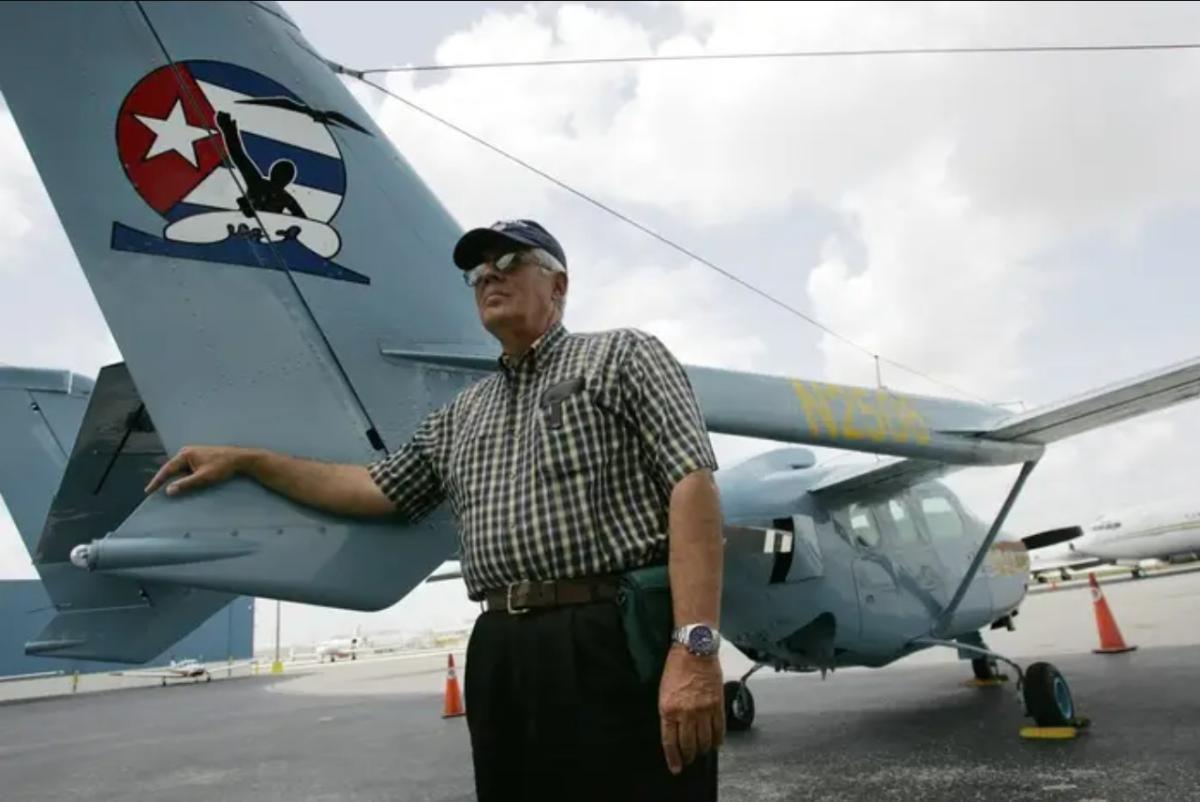
The BTTR described itself as a humanitarian organization aiming to rescue raft refugees, though it was accused of repeatedly dropping leaflets over Cuba that advocated insurrection and plotting to smuggle weapons into Cuba for use in terrorist attacks and assassination attempts directed against Fidel and Raúl Castro.
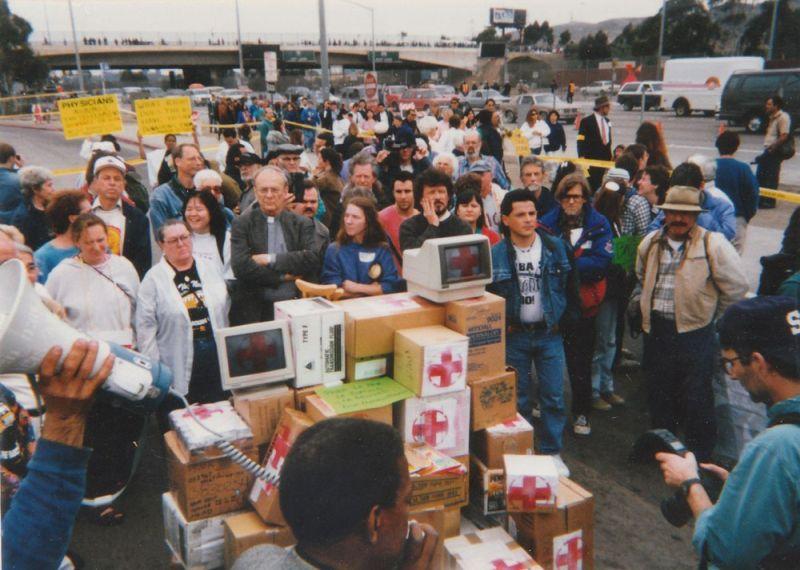
In March 1996, a group of clergymen, who undertook a “fast for life” on the San Diego/Tijuana border as a call for a more humane U.S.-Cuba policy, stated that BTTR flights were “part of a tradition of hostile penetration of Cuban territory that goes back 33 years. In 1971, a Cessna flew over Havana scattering grenades that killed eight people. Cessnas from Miami have sprayed phosphorus on sugar fields; bombed sugar cane mills and tourist hotels; dropped off weapons, explosives, and infiltrators on Cuban territory; scattered leaflets urging people to rise up against their government; buzzed parks and residential neighborhoods to intimidate common citizens. All these attacks were carried out by mercenary Cessnas, not by military planes.”[3]
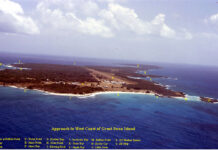
The clergymen continued: “Every attack on Cuba since the Bay of Pigs has been made by so-called ‘civilian’ vehicles. Cuba has submitted reports on 25 specific incursions from Florida into Cuban territory in the last 20 months. These have been reported through all appropriate diplomatic channels, to both the U.S. government and the International Civil Aeronautics Agency. The U.S. government has been well aware that planes from Florida have been violating U.S. aviation regulations and international law. But nothing has been done to stop or sanction the violators. The U.S. government has a responsibility not to harbor terrorists. But Brothers to the Rescue is still being allowed to operate from the U.S.—even though it has broken national and international laws and regulations. Up until now, the Cubans have reacted to these repeated violations with restraint. The incursions have continued and increased. Cuba might well have assumed that the U.S. was tolerating an escalation of terrorism, since nothing was being done to stop it. The Brothers to the Rescue pilots chose to ignore repeated warnings—not only that they were in Cuban airspace, but that they were flying over a restricted military zone. (Public records show that a military airport and a naval base are in the area. How many times would a foreign and hostile Cessna be allowed to fly over a U.S. military base?)”[4]
The U.S. vendetta against the Castro brothers stemmed from their socialist politics and defiance of U.S. neo-colonial designs, which date back to the U.S. colonization of Cuba following the Spanish-American War and institution of the 1901 Platt Amendment that gave privileged rights to U.S. corporations and the U.S. military the right to intervene in Cuba to install governments that favored U.S. business interests.
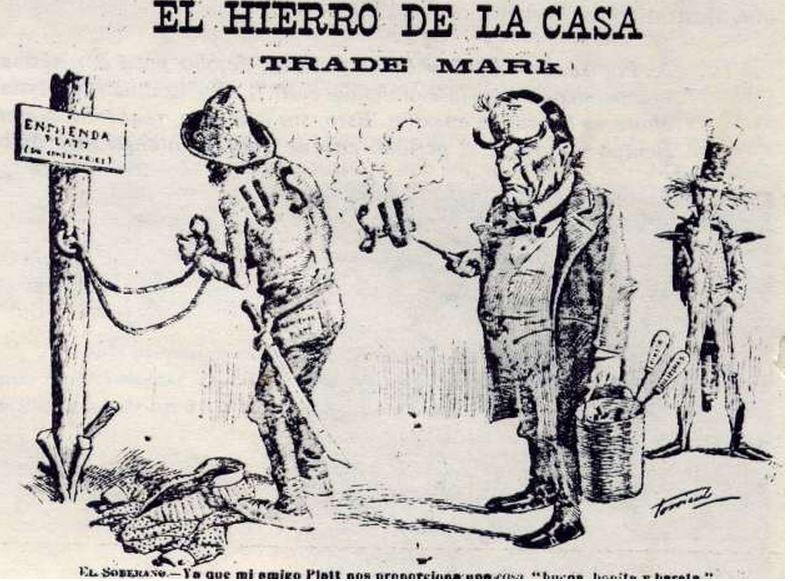
In the 1950s, the Castros led a popular revolution against U.S.-backed dictator Fulgencio Batista, who had helped transform Havana into a U.S. Corporate and Mafia playground. U.S. financial interests owned 90% of all Cuban mines, 80% of its public utilities, 50% of its railways, 40% of its sugar production and 25% of its bank deposits at this time.
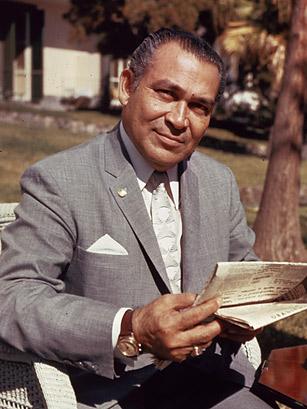

After removing Batista, the revolutionary government, under the leadership of the Castros, re-established national control over Cuba’s economy and instituted sweeping land reform and nationalization measures that resulted in the expulsion of U.S. corporations like the United Fruit Company. The Castros also drew close to the Soviet Union and, as part of the Soviet response to U.S. nuclear missiles installed in Turkey, allowed for Soviet nuclear missiles on their soil during the period of the so-called Cuban Missile Crisis. As part of the resolution to the Crisis, the U.S. secretly agreed never to invade Cuba again.
In 1996, Fidel Castro took responsibility for downing the BTTR planes, though he pointed out that the Cuban Foreign Ministry had proof that Cuba’s air space was violated. The evidence included minute-by-minute radar maps, recordings of conversations with the pilots and objects found in the sea north of Havana, and an official record of admission of U.S. Coast Guard units into Cuban territorial waters to work with Cuban frontier guards in the rescue operation.[5]
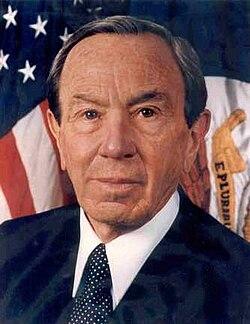
Then U.S. Secretary of State Warren Christopher (1993-1997) had said that Cuba’s downing of the planes was “totally unjustified” because it occurred in “international waters.”
However, a February 27, 1996, article in The Wall Street Journal, reported that U.S. officials had said that “at least one plane in a group of three that was attacked crossed into Cuban air space.”[6]
The May 20, 2026, Justice Department indictment repeated Christopher’s false claim that the BTTR planes were all shot down in international waters and said that Raúl Castro was responsible because he and his brother were “the final decision makers” in the Cuban military chain of command.[7]
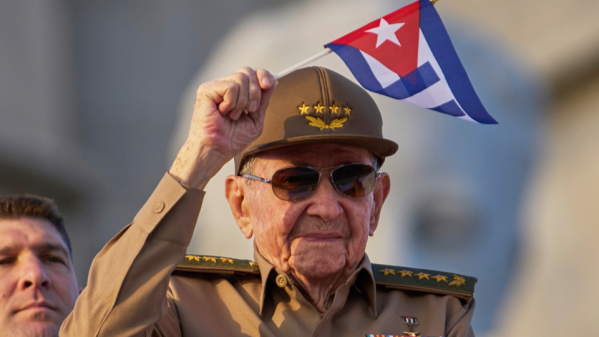
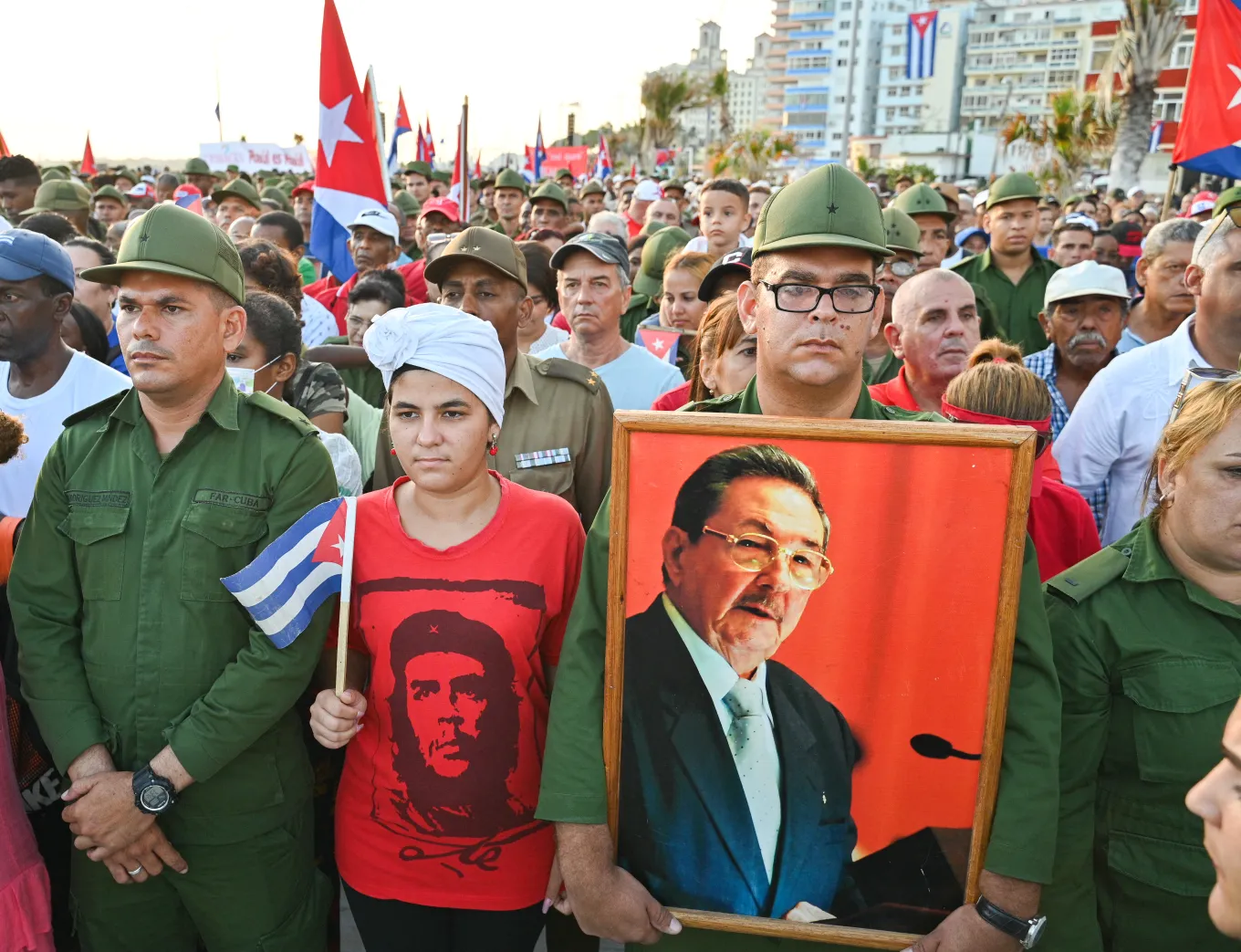
Declassified Documents Give Further Weight to Castro Brothers’ Claims
On May 19, the National Security Archive at The George Washington University, which lobbies for the declassification of government documents, published a dossier that gives weight to many of the Cuban government’s claims regarding the illegal and provocative nature of the BTTR flights.
The dossier in turn undermines aspects of the 2026 Justice Department indictment and U.S. President Bill Clinton’s characterization of the Cuban shootdown as “an appalling reminder of the nature of the Cuban regime: repressive, violent, scornful of international law.”[8]
A month before the shootdown, a Federal Aviation Administration (FAA) official, Cecilia Capestany, cited “taunting of the Cuban Government” by the BTTR overflights and State Department concern about a “worst case scenario” in which “one of these days the Cubans will shoot down one of these planes and the FAA better have all its ducks in a row.”
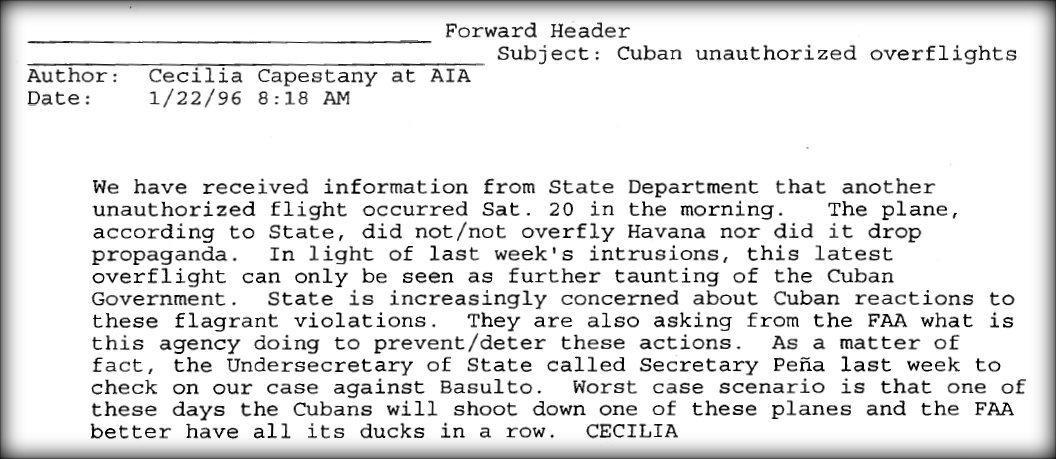
Other FAA communications record concerns of high-level Clinton administration officials that repeated penetration of Cuban airspace would lead to a crisis if Cuba acted to protect its territorial integrity. They further show that:
- Starting a year before the shootdown, the Cuban government filed multiple protests on repeated violations of its airspace by BTTR aircraft overflying populated zones and dropping thousands of leaflets and other materials calling for popular insurrection against the government.
- The FAA opened a protracted investigation, met with BTTR president José Basulto, and warned him multiple times not to continue his “taunting” provocations. The agency took steps to suspend his pilot’s license but allowed him to keep flying, even as he repeatedly filed false flight plans.
- High-level U.S. officials, including White House Cuba point man Richard Nuccio, State Department Undersecretary Peter Tarnoff, and Secretary of Transportation Federico Peña repeatedly expressed their concerns to the FAA that BTTR flights should be permanently grounded and repeatedly warned that Cuba’s red lines to protect its security should be taken seriously. Their efforts to press the FAA to clip Basulto’s wings failed. Only after the shootdown did the FAA issue a concrete “cease and desist” order against Basulto for what it called “careless or reckless” operations that “endanger the lives or property of others.”
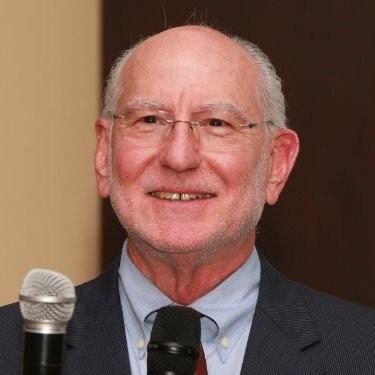

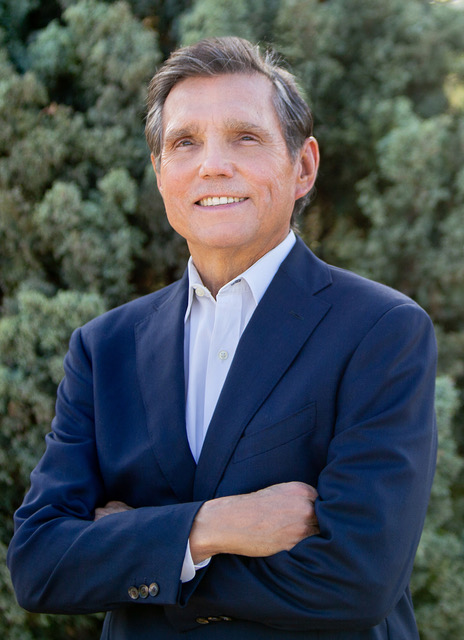
The FAA documents were obtained through the Freedom of Information Act (FOIA) for National Security Archive senior analyst Peter Kornbluh’s book, co-authored with William LeoGrande, Back Channel to Cuba: The Hidden History of Negotiations Between Washington and Havana.
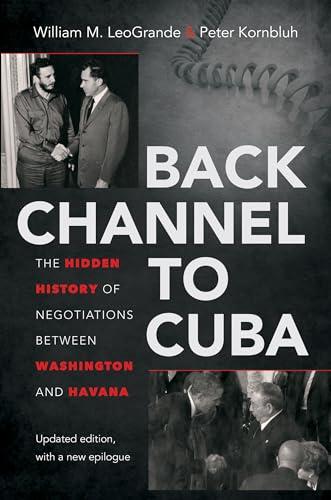
Describing the shootdown of the BTTR plane as “a Greek tragedy that played out in the skies over Cuba,” the book detailed multiple back-channel attempts by Cuban leaders, including Fidel Castro, to press the Clinton administration to halt the provocative BTTR flights.
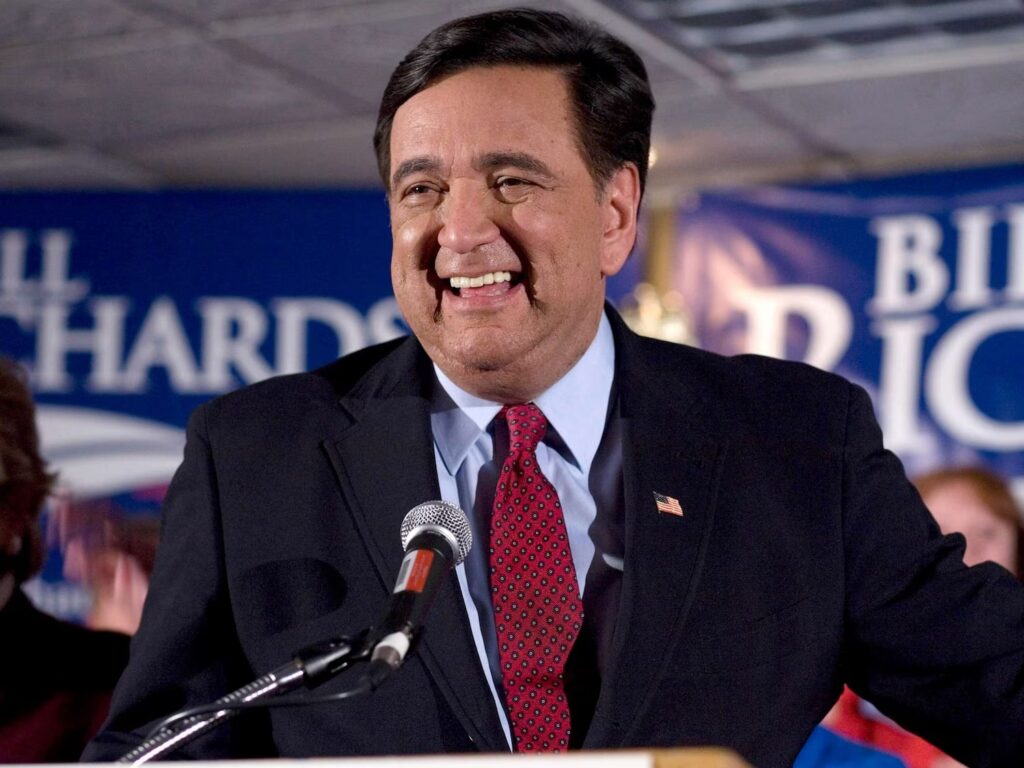
In January 1996, Castro personally struck a secret deal with then-Congressman Bill Richardson (D-NM) to release several political prisoners in return for an ironclad promise from President Clinton to ground Basulto’s planes.
Although Richardson told Castro he had obtained that commitment from the president, in reality, he had talked to other White House aides who had then appealed to Secretary Peña to intercede with the FAA.
On the night of February 23, according to Back Channel to Cuba, the White House official in charge of Cuba, Richard Nuccio, sent an email to National Security Adviser Sandy Berger alerting him that Basulto intended to fly the next day.
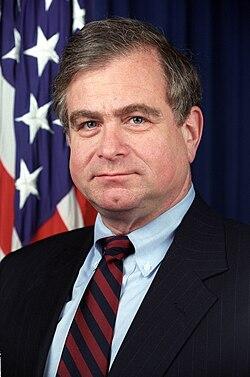
“Previous overflights by José Basulto of the Brothers have been met with restraint by Cuban authorities,” he reported. “Tensions are sufficiently high within Cuba, however, that we fear this may finally tip the Cubans toward an attempt to shoot down or force down the plane.”
Nuccio subsequently called FAA officials in Miami and instructed them to block the flights. To his surprise, they refused. The FAA agreed only to warn Basulto, again, against violating Cuban airspace.
These revelations shift a lot of the onus of blame for the tragic 1996 plane incident to the FAA and Clinton administration, which could have averted the deaths of the four BTTR members if it had taken concrete measures to ground such provocative flights.
Helms-Burton Bill Signing and USS Maine—Operation Northwoods 2.0?
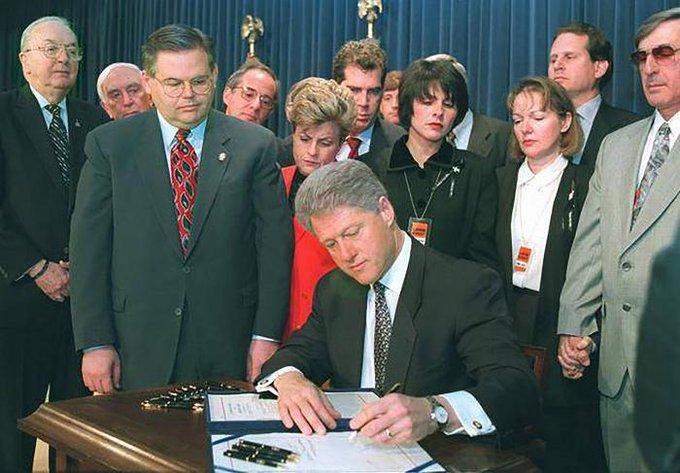
After the shootdown, Bill Clinton vowed to punish the Cuban government and reversed his opposition to the Helms-Burton bill, which imposed punishing new sanctions against foreign corporations doing business in Cuba and prohibited any lifting of the U.S. embargo.[9]
In the signing ceremony, Clinton referenced the BTTR plane shootdown as a reason why the Helms-Burton Act was important. This raises suspicion as to whether the whole incident was planned, or deliberately ignored, as a means of shifting the political environment.
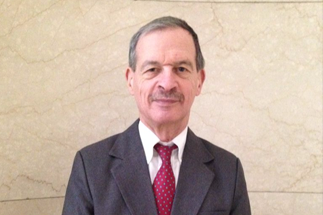
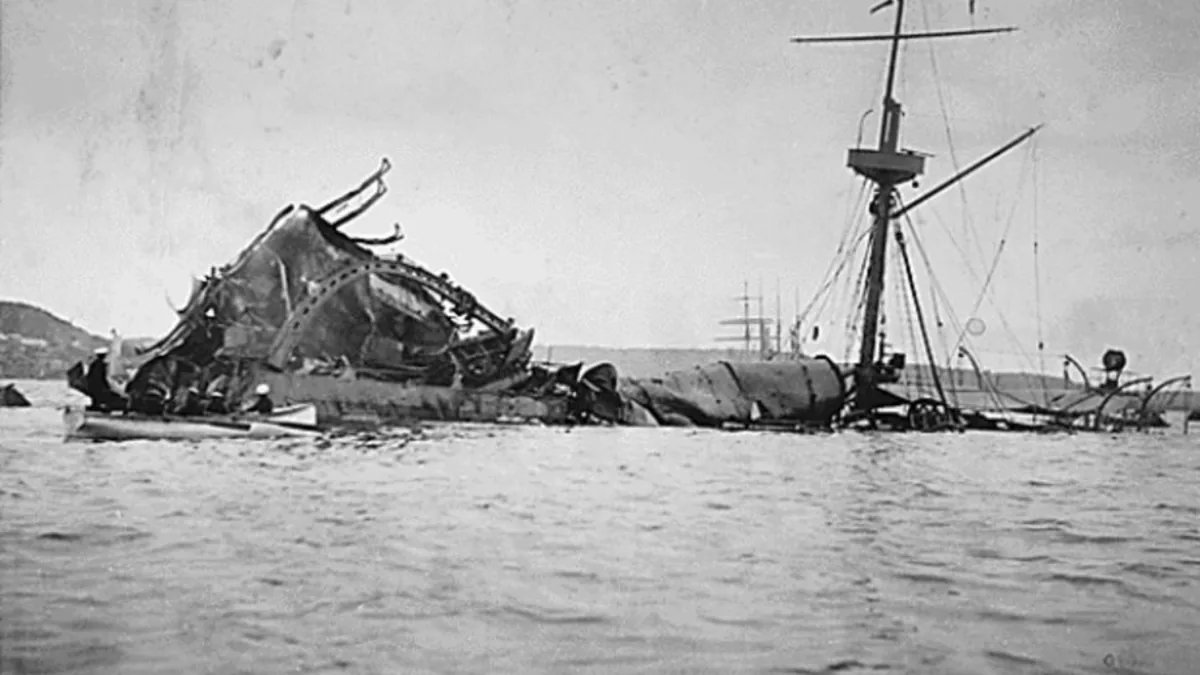
Attorney Arthur Heitzer, a member of the Wisconsin Coalition to Normalize Relations with Cuba, compared the BTTR plane attack to the 1898 sinking of the USS Maine that triggered the U.S. colonization of Cuba at the turn of the 20th century.
Heitzer said that the U.S. government deceived the public about both incidents, the latter of which conveniently occurred during the key phase of the political debate on the Helms-Burton bill and just before the Florida primary for the upcoming presidential election.
Heitzer could also have used for comparison Operation Northwoods, a proposed false-flag operation in 1962 that called for CIA operatives to stage terrorist bombings in U.S. cities and hijackings of U.S. planes to provide pretexts for a U.S. military assault on Cuba.
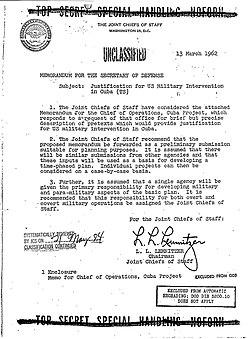
Since the BTTR overflights in Cuba could easily have been stopped, the inevitable shootdown of a BTTR plane would establish a pretext for a similar escalation as under the Northwoods plan.
Thirty years later, this latter scenario seems to be actually playing out, with The New York Times reporting that the charges “brought to bear on Mr. Castro” have “raised the possibility that the United States could be paving the way for its military to remove him from [Cuba] through a means similar to how U.S. Special Operations forces used an indictment against Nicolás Maduro, the former leader of Venezuela, to swoop into Caracas in a brazen operation in January and capture him.”[10]
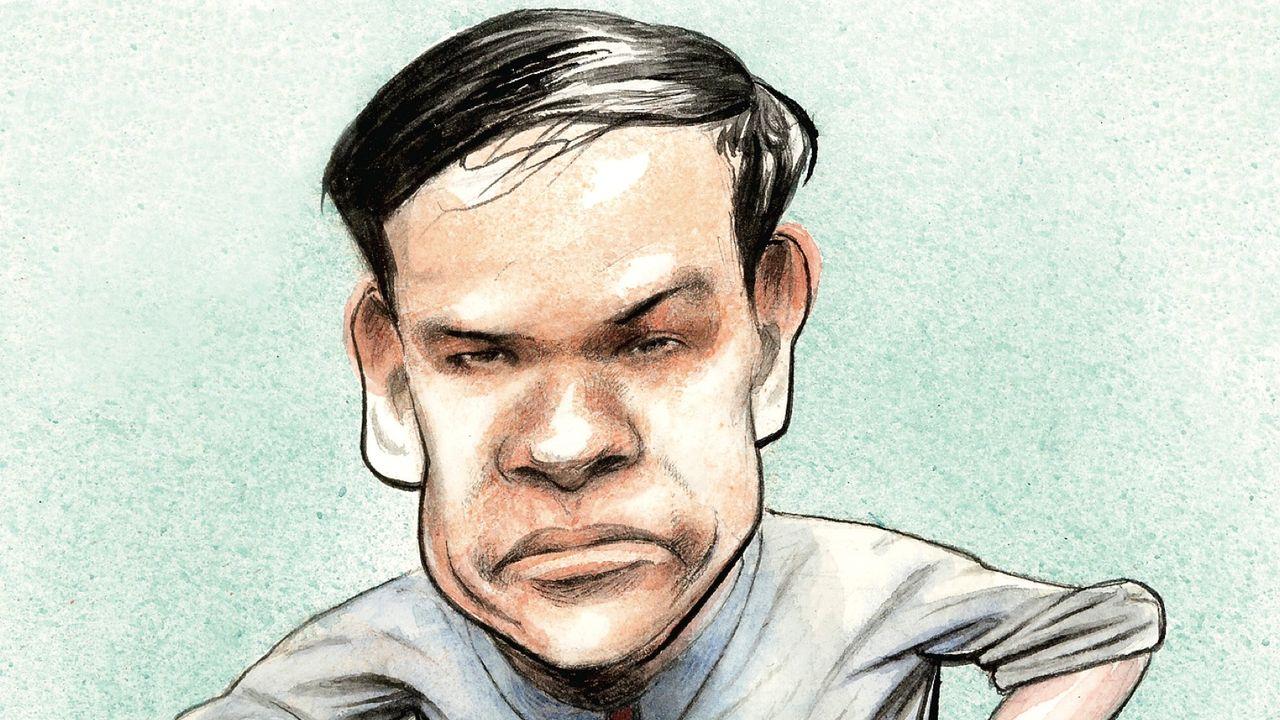
Hours before Raúl Castro’s indictment was announced, Secretary of State Marco Rubio posted a Spanish-language video addressed directly to the Cuban people demanding regime change and advocating the policy of recolonization that Washington is pursuing across Latin America.
Less than a week earlier, CIA Director John Ratcliffe traveled to Havana to demand “fundamental changes” in a meeting with Interior Ministry officials and Raúl Guillermo “Raulito” Rodríguez Castro, Raúl’s grandson.
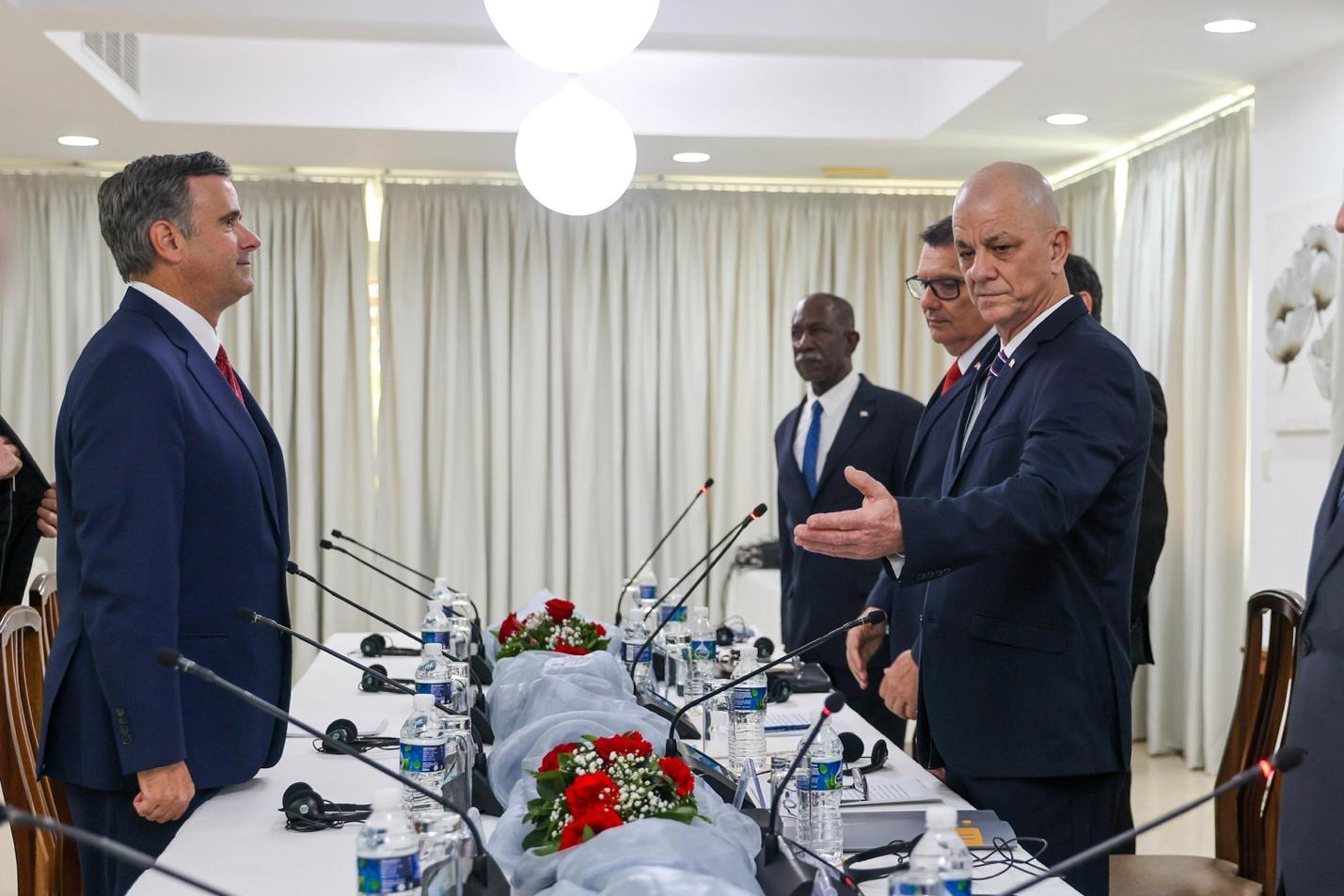
The irony was striking in that Ratcliffe was making demands of the grandson of one of the CIA’s greatest nemeses whose indictment on spurious charges stemming from a manufactured 30-year-old incident was initiated as part of a plot to gain the upper hand in a 65-year conflict that Uncle Sam will never give up trying to win.

The Cuban American National Foundation was accused of financing terrorist attacks in Cuba. ↑
According to a BTTR defector, Billy Schuss and Arnaldo Iglesias were other founders of the BTTR who had worked for the CIA. ↑
The clergymen claimed that the BTTR helped to stimulate the exodus of thousands of rafters who risked (and often lost) their lives to leave Cuba. Some members of the BTTR were associated with Alpha 66 and other CIA-linked paramilitary groups that had been mobilized to overthrow the Castro regime under the Kennedy-era Operation Mongoose and its successor projects. ↑
In a letter to The Guardian (London) on February 27, 1996, Reverend Geoffrey Bottoms of St. Thomas of Canterbury and the English Martyrs who participated in the fast, wrote that “It is ironic that the U.S. administration should describe Cuba’s shooting down of two planes belonging to Cuban exiles as ‘uncivilized behaviour’ just after confiscating 400 computers bound for the Cuban health service. The Clinton administration would do better to turn its attention to the Rev. Lucius Walker and four of his colleagues who are fasting on the U.S.-Mexican border for the release of the computers and the right of Cuba to order its own affairs.” Dr. Benjamin Spock, a famous pediatrician who ran for president in 1968 on a peace ticket with Martin Luther King, Jr., wrote to The New York Times on March 6, 1996 that “several things have become clearer about the downing of the planes piloted by members of the Cuban exile group from Miami. Similar incursions of Cuban airspace evoked warnings from the Cuban Government, which called them provocative acts, but they continued. The Clinton administration in effect justifies the incursions by accusing Cuba of being ‘violent’ and ‘scornful of international law’ (front page, Feb. 27). This brushes aside several aspects of the past relations between the two countries. The United States embargo on Cuba, imposed 35 years ago, has hurt the children and adults of Cuba. It has been condemned by the United Nations General Assembly as contrary to international law. Medical and educational personnel who chose to stay in Cuba under the Castro Government have had extraordinary success in providing health care, free, for everyone and schooling for all children. The Government has built new housing. By contrast, other Latin American countries with which we have cordial relations have been military dictatorships that have made no such efforts. President Clinton is supporting the provocation of the Cuban-American group in Miami, which will win votes in the election. We are in no position to call Cuba violent or scornful of law.” ↑
The former president of the Association of Cuban-American Pilots, Jorge Dorrbecker, said that all the pilots were aware that, if they crossed the 24th parallel, the Cuban government would not be responsible for their personal safety. The Cuban Foreign Ministry had issued a statement saying: “No self-respecting nation could tolerate what has been happening to Cuba with ever more shameless and humiliating action,’” adding that ‘”the United States would not have admitted [allowed] such behavior even once.” ↑
José de Córdoba, “The Question: Why Did Castro Do It?” The Wall Street Journal, February 27, 1996, A19. De Córdoba ultimately blamed the shootdown prejudicially on “Castro’s volcanic, confrontational temperament.” The Cuban Foreign Ministry called Christopher a liar. ↑
The indictment also accused five fighter pilots involved in the attack on the planes. It was secretly returned last month by a federal grand jury and built on earlier charges, first filed in 2003, against one of them. The Cuban government, in a statement, rebuked the U.S. “It is highly cynical for this accusation to be made by the very same government that has murdered nearly 200 people and destroyed 57 vessels in international waters of the Caribbean and the Pacific, far from United States territory, through the disproportionate use of military force,” it said. ↑
De Córdoba, “The Question: Why Did Castro Do It?” ↑
Carla Anne Robbins and José de Córdoba, “Clinton Backs Bill to Tighten Cuban Embargo,” The Wall Street Journal, February 29, 1996, A3. ↑
On the day of Castro’s indictment, the U.S.S. Nimitz and its escort warships were sent into the southern Caribbean Sea as part of the Trump administration’s campaign to pressure the Cuban government. Alan McLeod reported on the State Department, USAID and National Endowment for Democracy (NED) stepping up funding for media outlets that advance anti-regime propaganda and are designed to soften up the Cuban population for regime change. The NED currently considers Cuba a high priority and is funding 32 separate projects on the island. ↑
CovertAction Magazine is made possible by subscriptions, orders and donations from readers like you.
Blow the Whistle on U.S. Imperialism
Click the whistle and donate
When you donate to CovertAction Magazine, you are supporting investigative journalism. Your contributions go directly to supporting the development, production, editing, and dissemination of the Magazine.
CovertAction Magazine does not receive corporate or government sponsorship. Yet, we hold a steadfast commitment to providing compensation for writers, editorial and technical support. Your support helps facilitate this compensation as well as increase the caliber of this work.
Please make a donation by clicking on the donate logo above and enter the amount and your credit or debit card information.
CovertAction Institute, Inc. (CAI) is a 501(c)(3) non-profit organization and your gift is tax-deductible for federal income purposes. CAI’s tax-exempt ID number is 87-2461683.
We sincerely thank you for your support.
Disclaimer: The contents of this article are the sole responsibility of the author(s). CovertAction Institute, Inc. (CAI), including its Board of Directors (BD), Editorial Board (EB), Advisory Board (AB), staff, volunteers and its projects (including CovertAction Magazine) are not responsible for any inaccurate or incorrect statement in this article. This article also does not necessarily represent the views the BD, the EB, the AB, staff, volunteers, or any members of its projects.
Differing viewpoints: CAM publishes articles with differing viewpoints in an effort to nurture vibrant debate and thoughtful critical analysis. Feel free to comment on the articles in the comment section and/or send your letters to the Editors, which we will publish in the Letters column.
Copyrighted Material: This web site may contain copyrighted material the use of which has not always been specifically authorized by the copyright owner. As a not-for-profit charitable organization incorporated in the State of New York, we are making such material available in an effort to advance the understanding of humanity’s problems and hopefully to help find solutions for those problems. We believe this constitutes a ‘fair use’ of any such copyrighted material as provided for in section 107 of the US Copyright Law. You can read more about ‘fair use’ and US Copyright Law at the Legal Information Institute of Cornell Law School.
Republishing: CovertAction Magazine (CAM) grants permission to cross-post CAM articles on not-for-profit community internet sites as long as the source is acknowledged together with a hyperlink to the original CovertAction Magazine article. Also, kindly let us know at info@CovertActionMagazine.com. For publication of CAM articles in print or other forms including commercial internet sites, contact: info@CovertActionMagazine.com.
By using this site, you agree to these terms above.
About the Author
Jeremy Kuzmarov holds a Ph.D. in American history from Brandeis University and has taught at numerous colleges across the United States. He is regularly sought out as an expert on U.S. history and politics and co-hosts a radio show on New York Public Radio and on Progressive Radio News Network called “Uncontrolled Opposition.”
He is Managing Editor of CovertAction Magazine and is the author of eight books, including Obama’s Unending Wars (Clarity Press, 2019), The Russians Are Coming, Again, with John Marciano (Monthly Review Press, 2018), Warmonger. How Clinton’s Malign Foreign Policy Launched the U.S. Trajectory From Bush II to Biden (Clarity Press, 2023); with Dan Kovalik, Syria: Anatomy of Regime Change (Baraka Books, 2025), and Political Assassinations in America: The Intricate Nexus of Deep State Crime (Clarity Press, 2026).
Besides these books, Kuzmarov has published hundreds of articles and contributed to numerous edited volumes, including one in the prestigious Oxford History of Counterinsurgency .
He can be reached at jkuzmarov2@gmail.com and found on substack here.