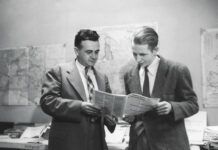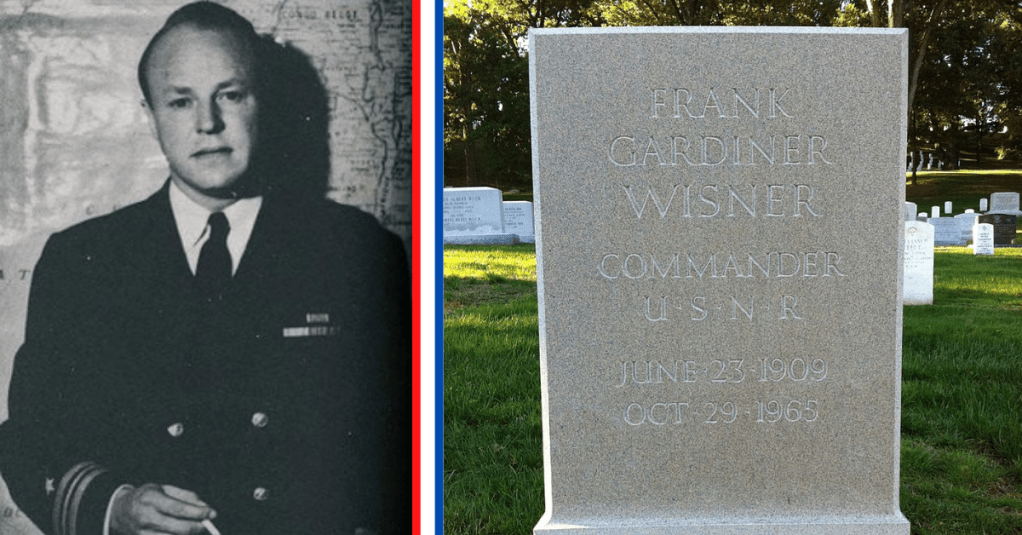
Frank Wisner was a CIA legend from the early Cold War era who earned the nickname “the Mighty Wurlitzer” for his ability to supposedly orchestrate covert operations with the precision and intricacy of a symphony maestro.
Wisner, however, got countless of his own agents killed running infiltration missions behind the Iron Curtain using Eastern European émigrés, many of whom had fascist backgrounds, and into North Korea during the Korean War.
Wisner was centrally involved in the violent suppression of left-wing movements throughout Southeast Asia and in CIA coups in Iran and Guatemala that wrought havoc in those countries.
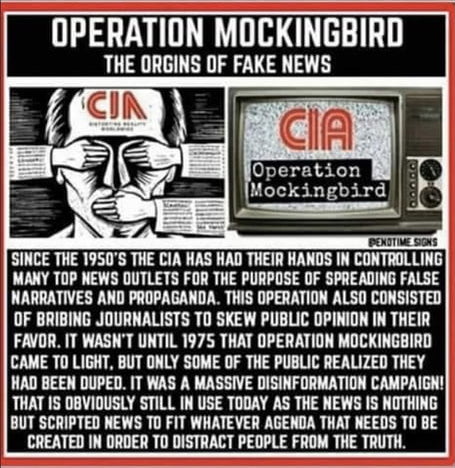
Wisner was best known as the head of the CIA’s worldwide propaganda offensive known as Operation Mockingbird resulting in the placement of CIA agents throughout the American media.
Wisner additionally helped establish Radio Free Europe to spread anti-communist messaging behind the Iron Curtain, and the Congress of Cultural Freedom (CCF) by which the CIA subsidized high-brow intellectual journals across Europe.
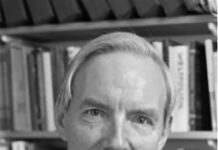
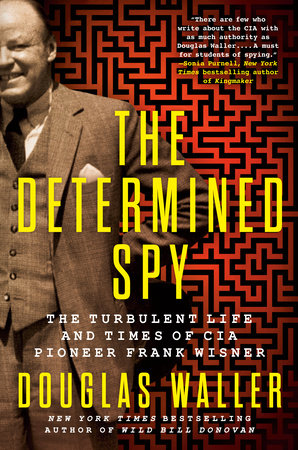
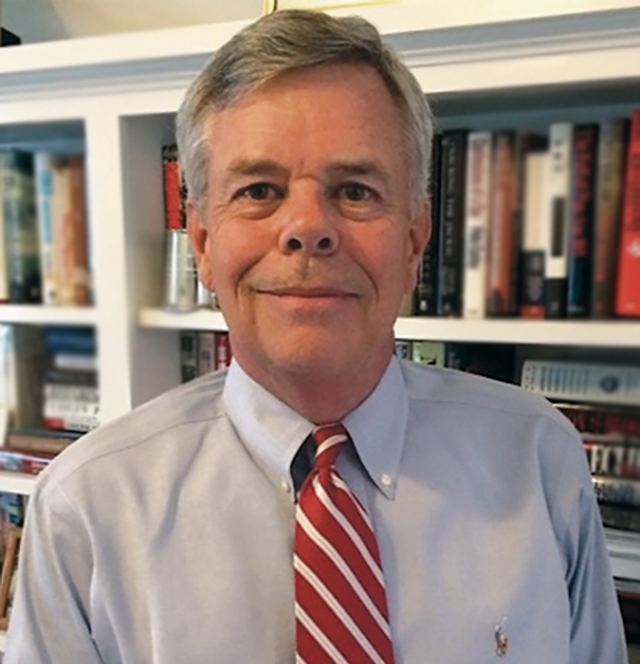
Wisner’s career is profiled in a new biography written by Douglas Waller entitled The Determined Spy: The Turbulent Life and Times of CIA Pioneer Frank Wisner.
Waller covered the CIA for Newsweek and Time and previously wrote a biography of Operation of Secret Services (OSS) founder William “Wild Bill” Donovan.
Waller’s establishment credentials make it clear that his book does not present radical analysis that examines how the CIA functioned as the policing arm of the U.S. financial capitalist elite, as Philip Agee’s writing made clear.
Nevertheless, The Determined Spy is valuable in chronicling Wisner’s nefarious worldwide activities and in shedding light on the social milieu in which he operated, known as the “Georgetown Set.”
This “set” constituted an elite group of CIA operatives and journalists, such as Stewart and Joseph Alsop, who were fanatical cold warriors and bolstered each other’s career.[1]
Wisner and his wife Polly would hold Sunday dinners with Allen Dulles and his wife, Washington Post owners Katharine and Phil Graham (the latter had an intelligence background), and the Alsops, and fed the latter stories for their newspaper columns.
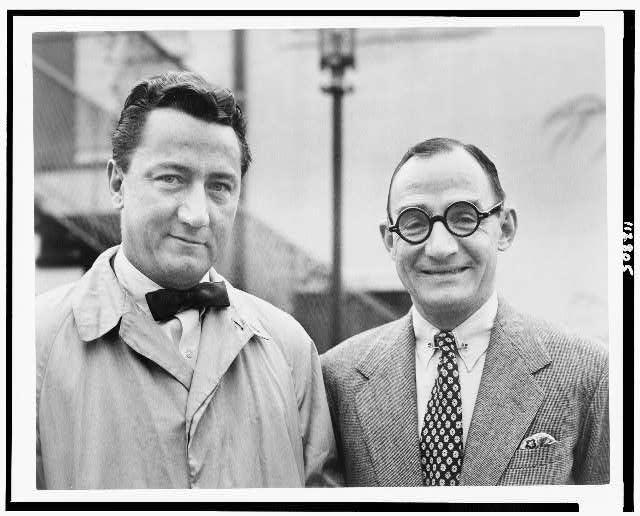
Other dinner attendees included:
- W. Averell Harriman, who helped run the Marshall Plan and became Governor of New York and a top State Department official under John F. Kennedy and Lyndon B. Johnson;
- John J. McCloy, the Chairman of the World Bank and Council on Foreign Relations and a member with Allen Dulles of the Warren Commission that investigated the Kennedy assassination;
- George F. Kennan, the father of the containment strategy and a staunch proponent of covert operations; and
- Charles E. “Chip” Bohlen, another top Marshall Plan administrator and ambassador to the Soviet Union, who served in the Kennedy administration.[2]
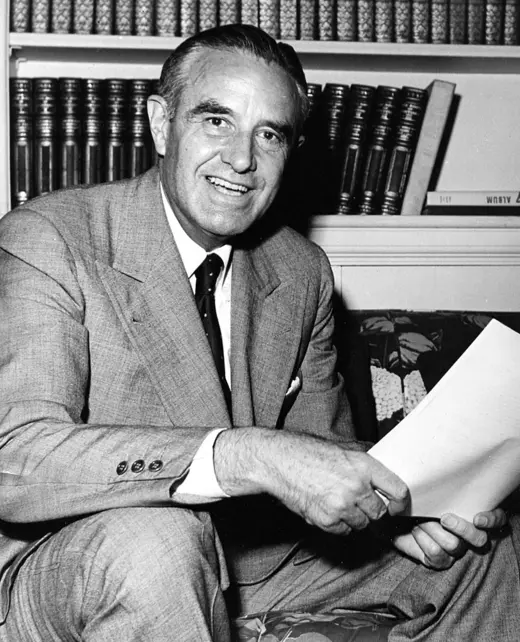
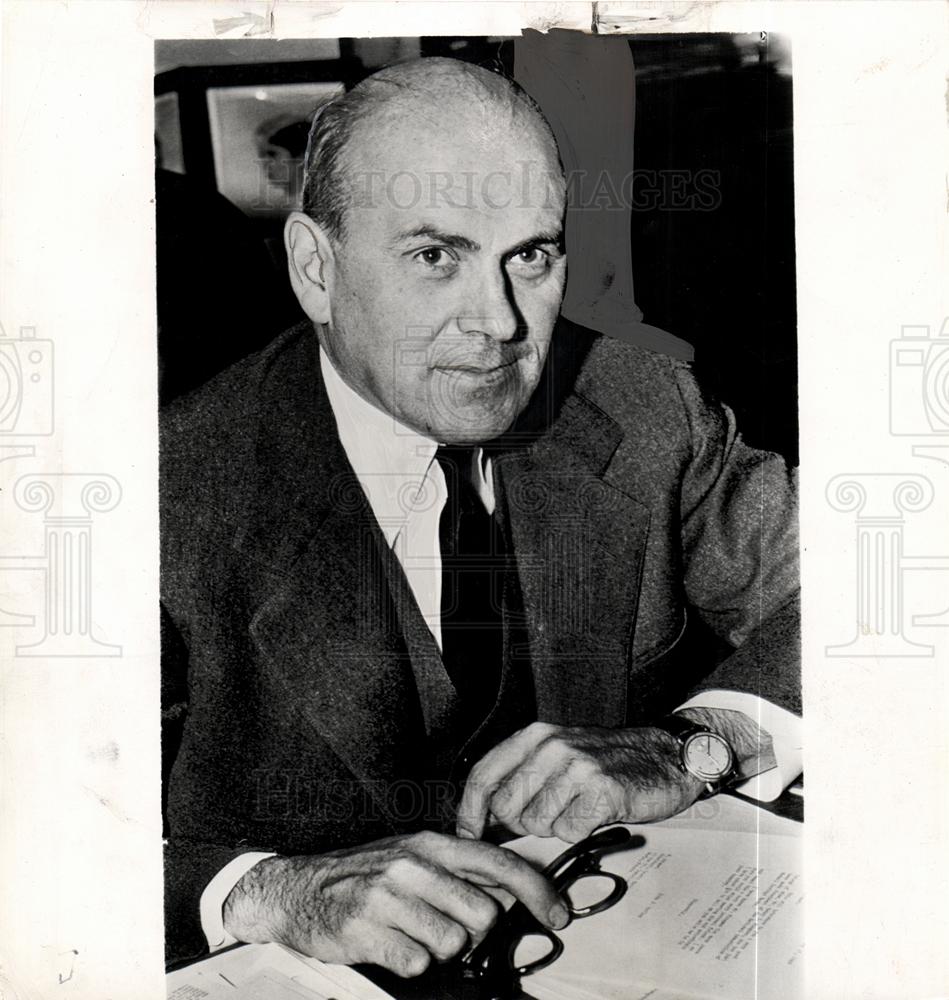
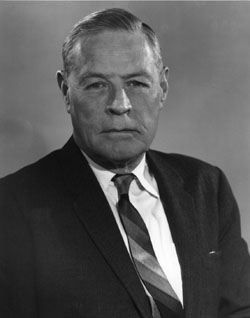
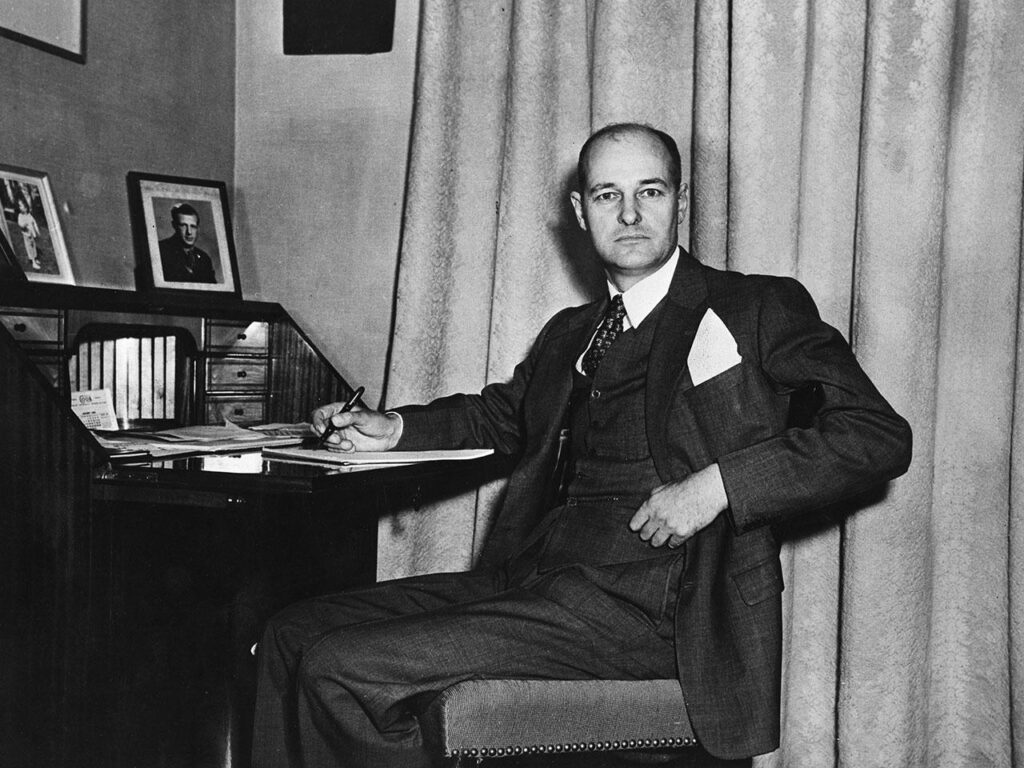
The relationship between Wisner and the Grahams and Alsops went hand-in-hand with Operation Mockingbird, by which Wisner transformed media outlets like The Washington Post and numerous others into propaganda organs of the CIA.
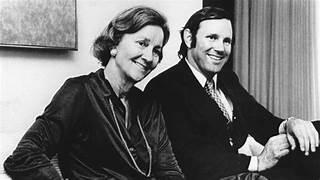
Making His Way Up in the World
Wisner was born in 1909 in Laurel, Mississippi. His father earned significant wealth as owner of a lumber company and became president of the National Lumber Manufacturers Association.[3]
Beginning in high school, Wisner became a track star who competed for a spot on the U.S. Olympic team. At the University of Virginia, he earned a Bachelor of Science and then a law degree, and was a “big man on campus” who served in the Student Senate.[4]
After graduating from law school, Wisner went to work for a top Wall Street firm, Carter Ledyard & Milburn LLP, which represented Fortune 500 companies like the Rockefellers’ Standard Oil Company, Pepsi-Cola and American Express.[5]
During his time working at this law firm, Wisner began to “inch his way into America’s foreign policy establishment,” according to Waller, joining the prestigious Council on Foreign Relations—Wall Street’s think tank, which was financed by many of America’s wealthiest men.[6]
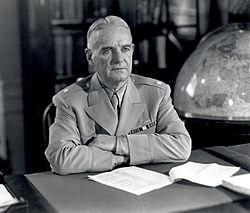
Carter Ledyard & Milburn’s office was located three floors above the Donovan Leisure law firm, headed by Office of Strategic Services (OSS) founder William J. “Wild Bill” Donovan, who recruited Wisner into the OSS after World War II broke out following his joining the U.S. Navy.
Cold War Hawk
Wisner spent the war years with the OSS in Cairo, Istanbul and Romania, where his work earned him the Legion of Merit.
Wisner was already fighting the Cold War during this latter posting, as he and his team were spying on the Soviet Union and Red Army under the cover of a military unit evacuating downed pilots and exchanging tactical information with their Red Army partners.[7]
Wisner cultivated close ties at this time with the Romanian elite that had collaborated with the Nazis against the Soviet Union, including Romania’s King Michael.[8]
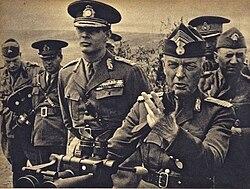
Wisner’s tenure in Romania marked the beginning of his career as a cold warrior. Until the end of his mission there, he would send Donovan’s headquarters alarmist cables about Soviet intentions in Eastern Europe along with one detailing how the Soviets rounded up ethnic Germans in Romania to send them to labor camps (i.e., gulag) in Siberia.[9]
Polly Wisner later said that her husband had been “frightened to death” by what he had seen in Romania, including especially how the Soviets had allegedly put “collars on German prisoners” and shoved them into boxcars and “sent them off into the wild.”[10]
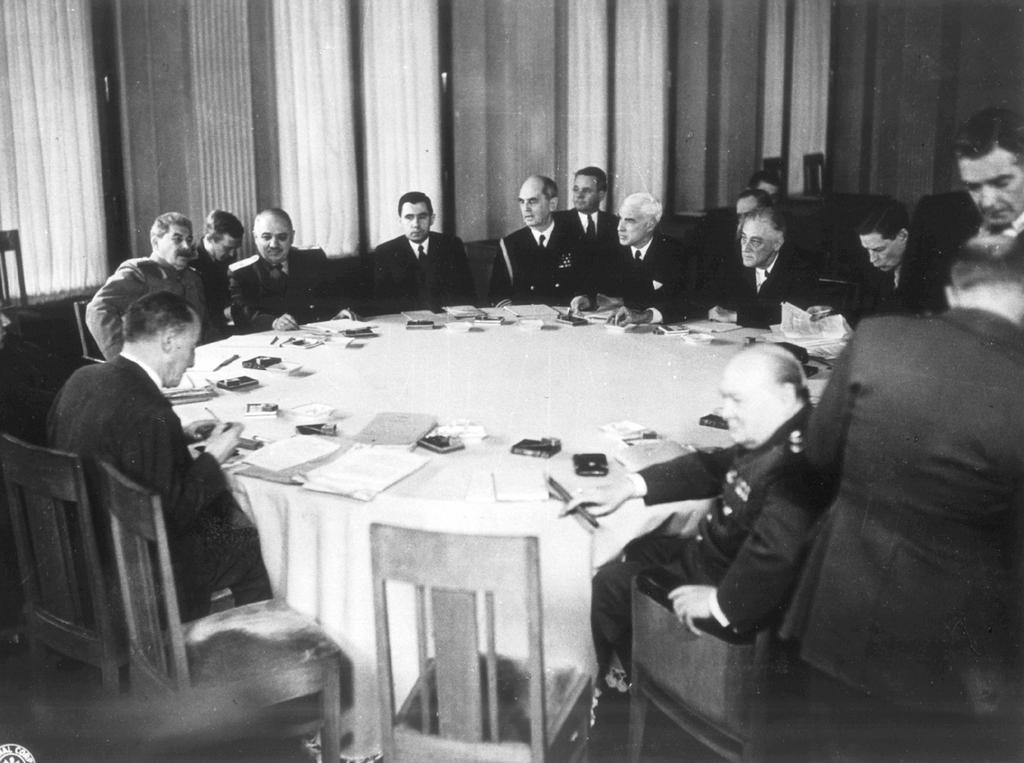
Wisner became part of a hard-line faction in the national security establishment that opposed the February 1945 Yalta agreements, which established a cooperative framework of U.S.-Soviet relations that could have averted the Cold War.[11]
Soon after the war, Wisner was sent to Wiesbaden, Germany, to run intelligence collection operations from there with Arthur Schlesinger, Jr., who later became a top aide to President John F. Kennedy.[12] Schlesinger considered himself an anti-communist but believed that Wisner became obsessed with the Soviets, and brought a religious fervor to his job that could be dangerous.[13]
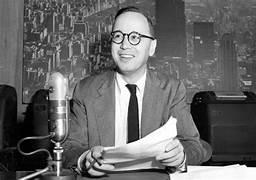
Schlesinger had particular misgivings with Wisner’s enlistment of former Nazi intelligence officers to spy on the Soviets.[14]
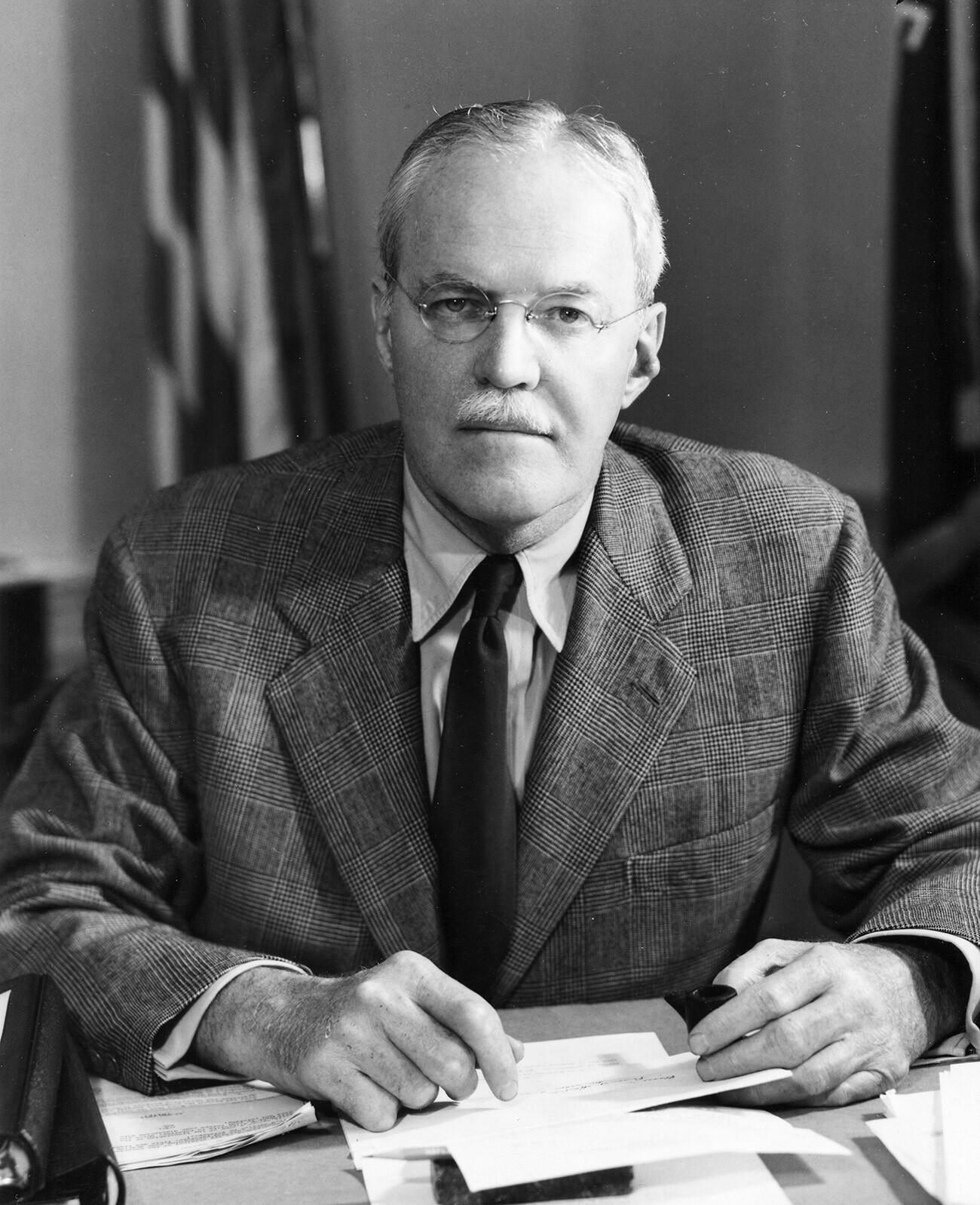
Wisner and future CIA Director Allen Dulles had been impressed with Major General Reinhard Gehlen, a senior Nazi Abwehr (intelligence) officer who had headed Nazi spy operations in the Soviet Union.[15]
In July 1949, the CIA took over Gehlen’s organization from the U.S. Army, setting him up in an old OSS warehouse in Munich under the code name “Rusty,” with a mission to collect intelligence on East Germany and the rest of Eastern Europe.[16]
Future CIA Director Richard Helms found that more than 75 members of Gehlen’s organization were SS Gestapo officers or former Nazi Party members, some of whom were major war criminals.[17]
Wisner had made some of the earliest U.S. contacts with Gehlen and received yearly Christmas cards from him. He was one of those in the CIA backing the Agency’s takeover of Gehlen’s organization with Allen Dulles, who stated that “there are few archbishops in espionage. He’s on our side and that’s all that matters. One need not invite him to one’s club.”[18]
Political Warfare and Rollback
After the formation of the CIA in 1947, Wisner headed Operation Rollback by which the CIA sent clandestine teams of émigré agents behind the Iron Curtain to try to foment rebellions against pro-Soviet leaders there.[19]
Wisner’s official title was head of the Office of Policy Coordination (OPC)—which was established to conduct economic and political warfare against the Soviet Union, to wage anti-Soviet propaganda campaigns, carry out guerrilla attacks, and aid anti-communist resistance groups inside the Eastern European satellite nations.[20]
Under an Operation Ohio, Wisner helped coordinate the assassination of suspected Soviet agents by OPC/CIA run fascist émigrés that included Ukrainian devotees of Nazi collaborator Stepan Bandera.
According to Maris Cakars and Barton K. Osborn, who published the first exposé of the Operation Ohio in 1975, the OPC/CIA’s alliance with the pro-Banderite Organization of Ukrainian Nationalists (OUN) was “sealed in blood, as U.S. intelligence financed, supervised and tolerated the murders of numerous innocent men and women who were perceived to be Soviet sympathizers or double agents. Certainly some of the victims were likely double agents, but an untold number were simply opponents of the Bandera faction of the OUN in the Displaced Person (DP) camps in Germany and Austria in the late 1940s and early 1950s.”[21]
Waller reported that Wisner assembled an unconventional group to run the political warfare operations in the early Cold War that included:
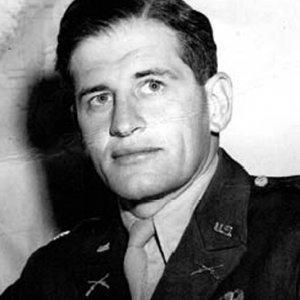
- Joseph McCargar, the son of a prominent San Francisco banker who had been a military intelligence officer during World War II;
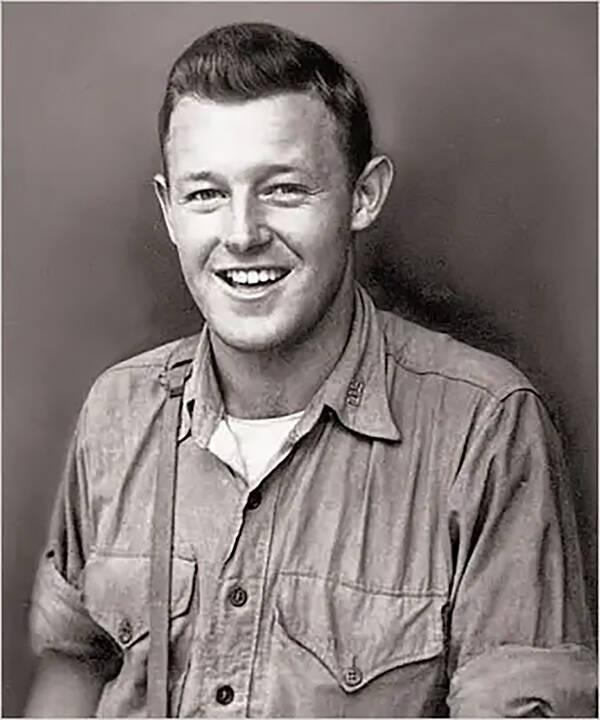
- Michael Burke, a former University of Pennsylvania football star and future CBS executive and New York Yankees president, who was hired to put the infiltration skills he learned in the OSS to insert “slipping operatives” into the Soviet Union and its satellites;
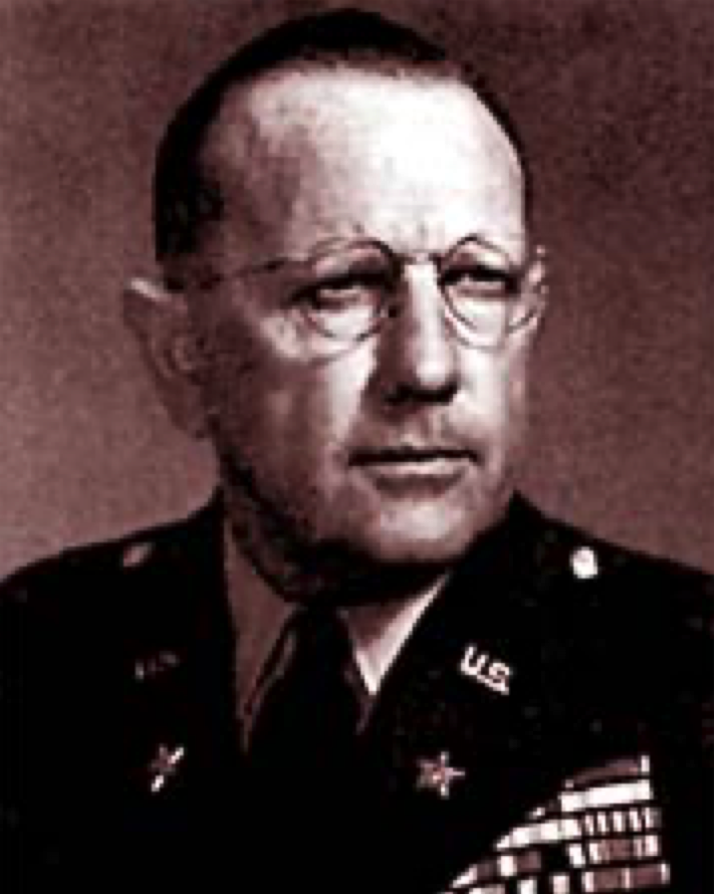
- Boris T. Pash, a White Russian émigré, who supervised a hodgepodge of special operations duties that included kidnapping and assassination;
- E. Howard Hunt, a CIA master of dirty tricks, who became infamous as one of the Watergate burglars;
- Alfred T. Cox, a China hand from the OSS, who was sent to Taiwan to advise Chaing Kai-Shek’s Nationalist government and recruit agents for penetration missions into communist China; and
- Carmel Offie, the head of Operation Paperclip, who recruited former ex-Nazis to partake in Rollback operations.[22]
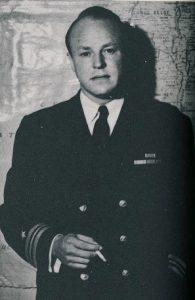
By the end of 1952, Wisner was operating with a $200 million budget. He had 2,812 staffers plus 3,142 contract personnel in 47 foreign stations.
Millions of dollars skimmed from a secret Marshall Plan fund was used to bribe European politicians, newspaper editors and labor leaders and to split Italy’s left-wing socialists from their alliance with the Communists.
Additionally, it was used to foment unrest in Czechoslovakia, to set up stay-behind guerrilla networks in France and Scandinavia to harass the Red Army if it invaded, and to smuggle anti-Communist leaflets into Soviet barracks in East Germany.[23]
Unconventional Norms of Behavior
Wisner was considered a star of the clandestine agency, admired for his tireless energy and ability to juggle multiple tasks at once. He showed up for work always well-tailored and manicured, his shoes bought from John Lobb in London.[24]
From his base of operation for anti-Soviet activities in Germany, Wisner would encourage his staff to “stop thinking of the Soviet Union as a monolithic nation and investigate the internal strains.”
To help the OPC discern the strains it could exploit, Wisner hired two German consultants considered to be experts on the Soviet Union: Gustav Hilger, who had links to the creation of the SS Einsatzgruppen death squads, and Nicholas Poppe, a Russian linguist and Nazi collaborator who helped plan the extermination of the Jews.[25]
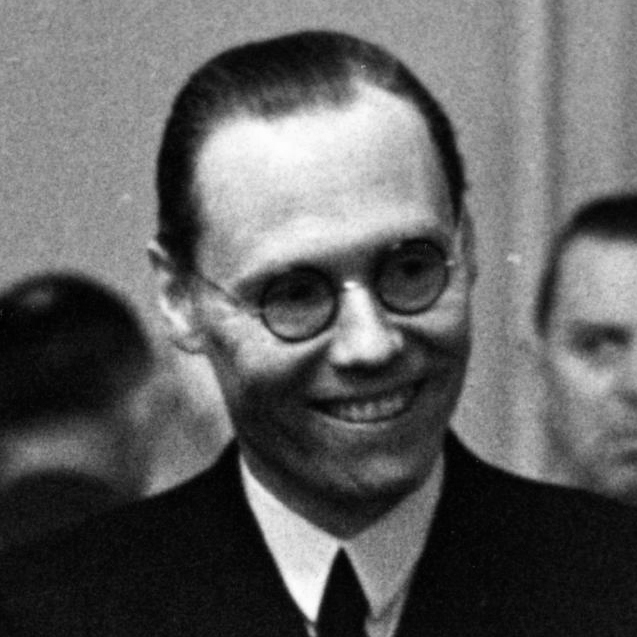
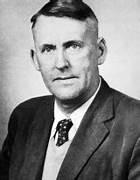
Waller writes that “Wisner paid no attention to the prominent roles both Hilger and Poppe had played in the Nazi regime. His was an unconventional war that required unconventional norms of behavior.”[26]
In the 1980s, Wisner was accused of having smuggled thousands of Nazi intelligence agents and their collaborators into the United States to train for CIA missions or as rewards for jobs fighting communism that they had performed for the Agency overseas.[27]
The Nazis included Ukrainian nationalists whose offspring worked with the CIA against the Russians again during the 2014 Maidan coup and its aftermath.
At Wisner’s urging, Congress passed a special law permitting the CIA to bring a hundred foreigners into the U.S. for national security reasons, with no questions asked about their past.[28]
Psychological Warfare
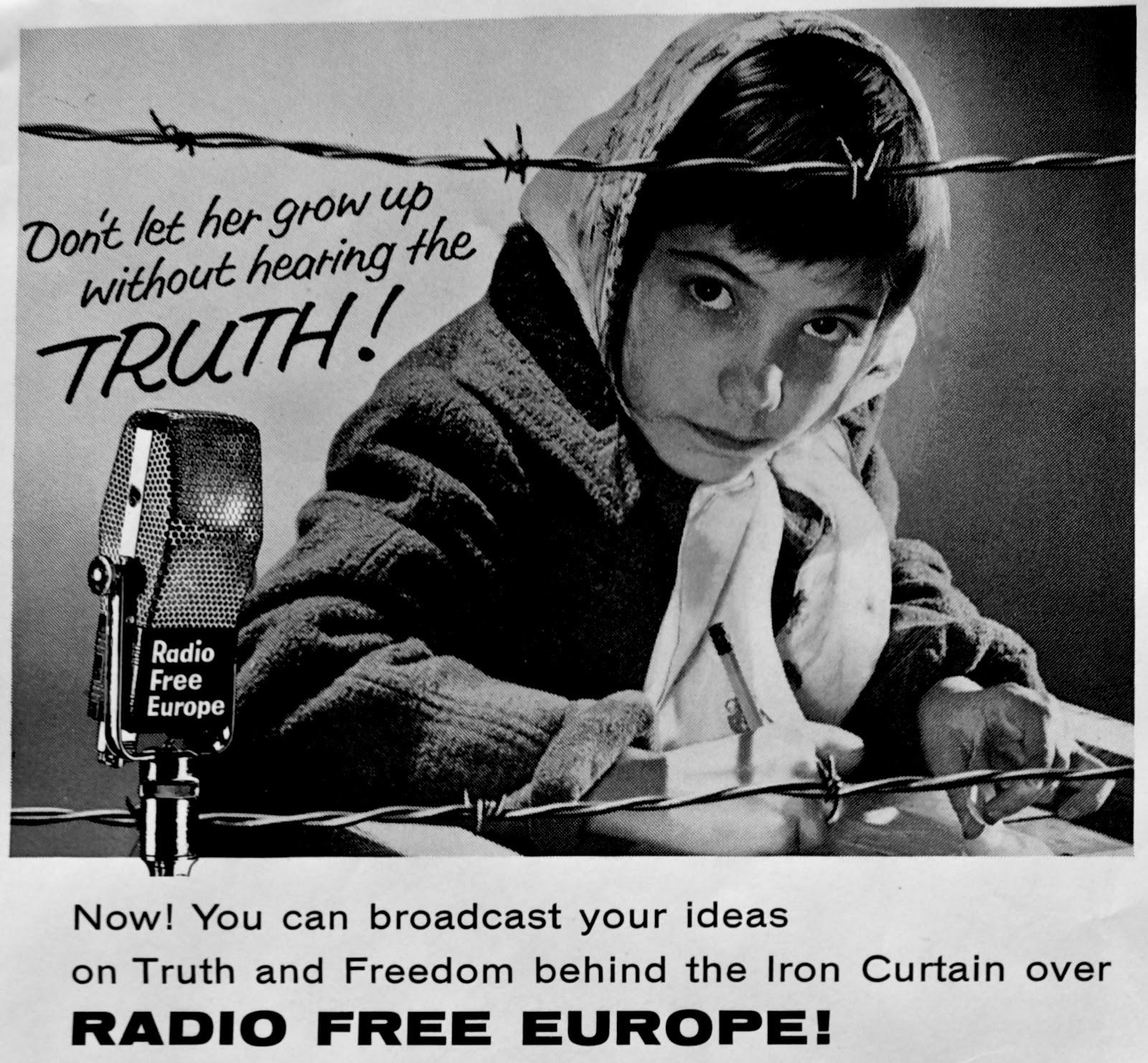
Many of Wisner’s covert operations were carried out through front groups set up by the CIA, like the National Committee for a Free Europe, which used radio broadcasts to spread propaganda behind the Iron Curtain in an attempt to foment insurrection.[29]
Wisner’s brainchild Radio Free Europe was staffed with “Nazi collaborators, quislings, war criminals and ex-fascists” who had “kept their pasts hidden,” according to Waller.[30]
Wisner would secretly arrange for OPC money to go through “pass-throughs” to the National Student Association, which financed foreign student organizations opposed to communism, and to the American Federation of Labor’s semi-autonomous Free Trade Union Committee, which funneled the payments to anti-communist labor organizations all over Europe.
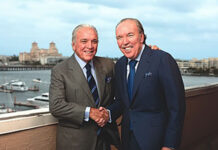
A wealthy friend named Julius Fleischmann who lived in Naples, Florida, was the pass through for cash sent to the Congress for Cultural Freedom (CCF), which coopted a generation of liberal intellectuals who were enlisted in the CIA’s anti-communist psychological warfare operation. A Pentagon memo called the CCF’s activities “unconventional warfare at its best.”[31]
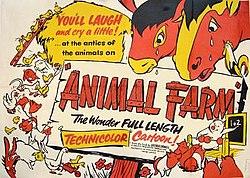
Waller writes that, in the early 1950s, more than 25 major news agencies were “cooperating with Wisner’s covert war,” and that the OPC secretly put $300,000 into the production of an animated movie version of George Orwell’s Animal Farm, a satire about the evils of Stalinism.[32]
Additionally, Wisner began to insert himself and the CIA into the fine arts, becoming something of an aficionado on their value as a propaganda tool, according to Waller.[33]
Operation Mockingbird
In 1951, Wisner established Operation Mockingbird, a program to influence the American media, in which he recruited Washington Post owner Philip Graham to run the project.
According to Deborah Davis in her 1979 biography of Graham’s wife, Katherine, “by the early 1950s, Wisner ‘owned’ respected members of the New York Times, Newsweek, CBS and other communications vehicles.”
These journalists sometimes wrote articles that were unofficially commissioned by Cord Meyer, based on leaked classified information from the CIA.[34]
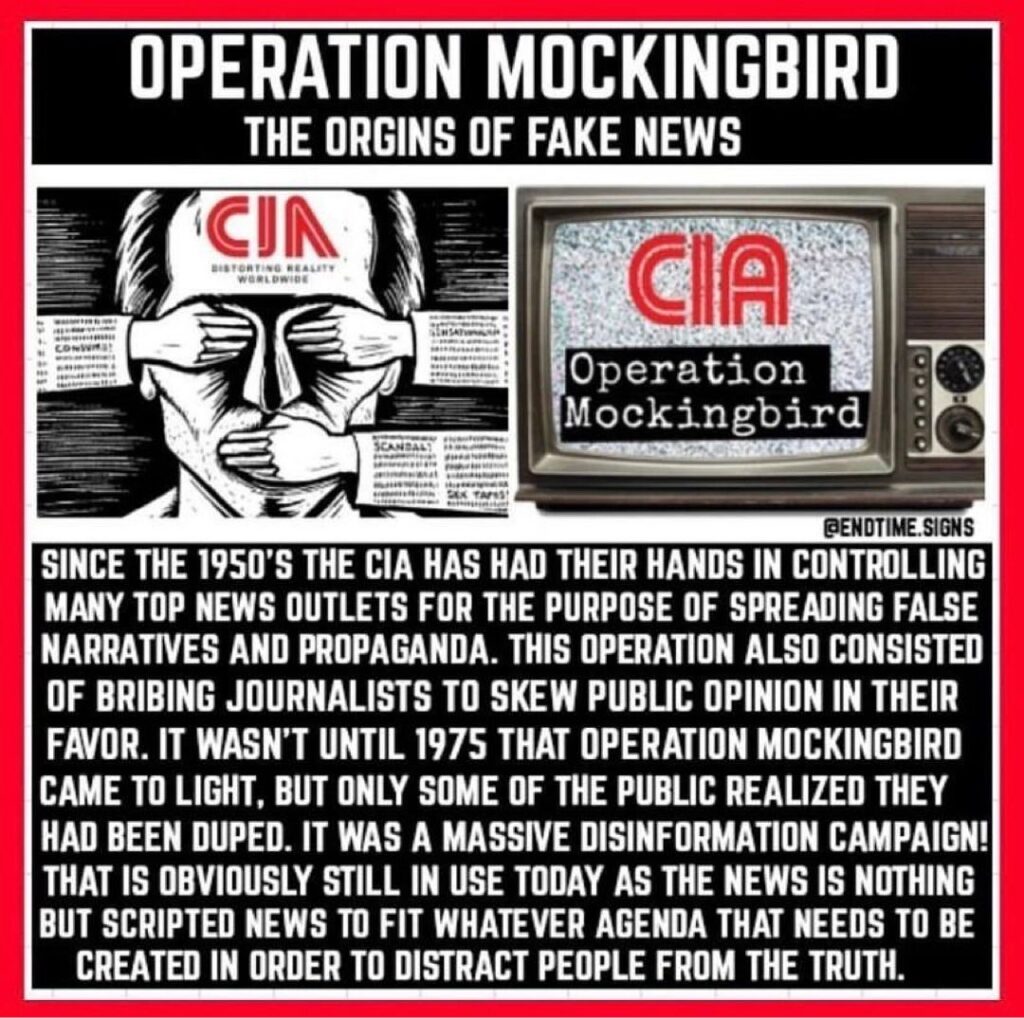
In 1977, Rolling Stone reported that there were at least 400 journalists who had secretly carried out assignments for the CIA under Mockingbird.[35]
These journalists included ones who helped cover up the CIA’s involvement in the JFK assassination by smearing critics of the Warren Report; who played a role in the CIA’s 1953 coup in Iran; and who spread CIA disinformation to help validate U.S. military intervention in Indo-China.[36]
Albania Disaster
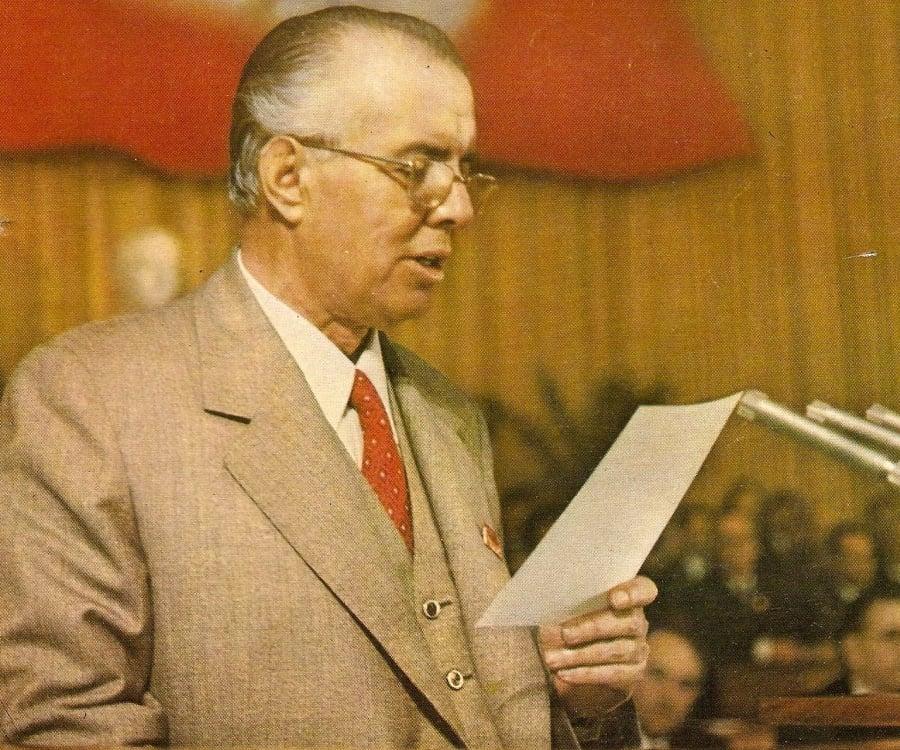
A key focal point of Operation Rollback was Albania, a country run by communist Enver Hoxha that served as a base for leftist guerrillas fighting monarchist forces backed by the U.S. and UK in Greece.[37]
Wisner’s men dropped over a million cartoons and propaganda leaflets over the country, published and distributed an anti-communist newspaper, broadcast an anti-communist radio program called Voice of Free Albania, and mailed parcels from Europe to Communist officials in Tirana with black-market items designed to embarrass them.[38]
Carmel Offie and Michael Burke organized training camps in Germany and Italy for Albanian émigrés who would become his guerrilla fighters.
Waller points out that Wisner and his secret team knew almost nothing about Albania and its people, which portended badly for their operation.
The British assisted the doomed program by offering Malta, their island colony, as another training base.[39]
When the secret teams infiltrated Albania, they were ambushed by local security forces who had been tipped off about their activities and the majority were killed.[40]
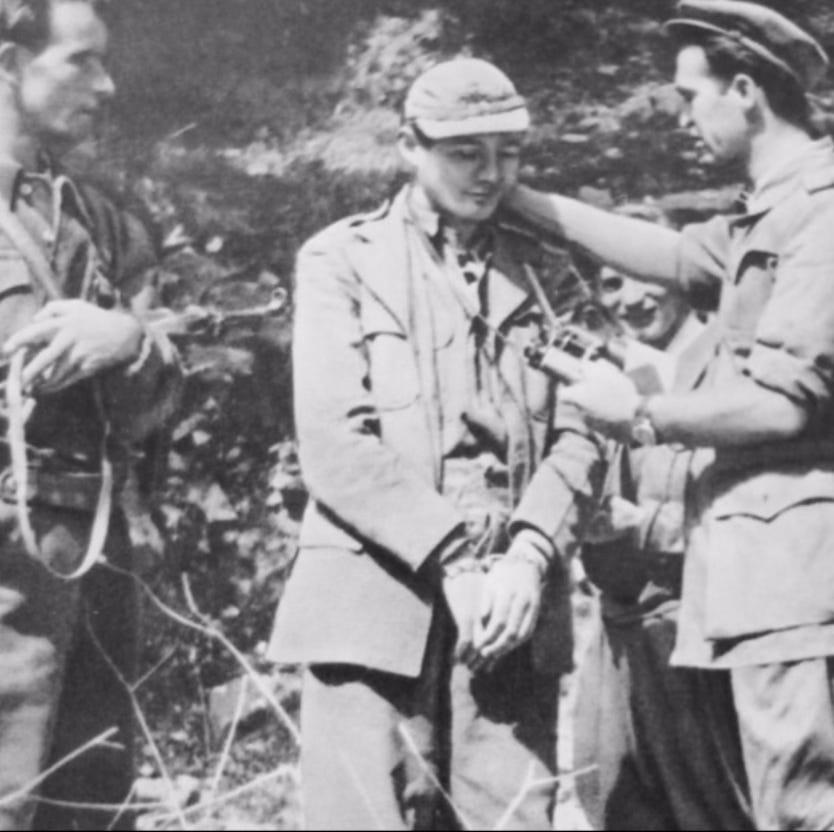
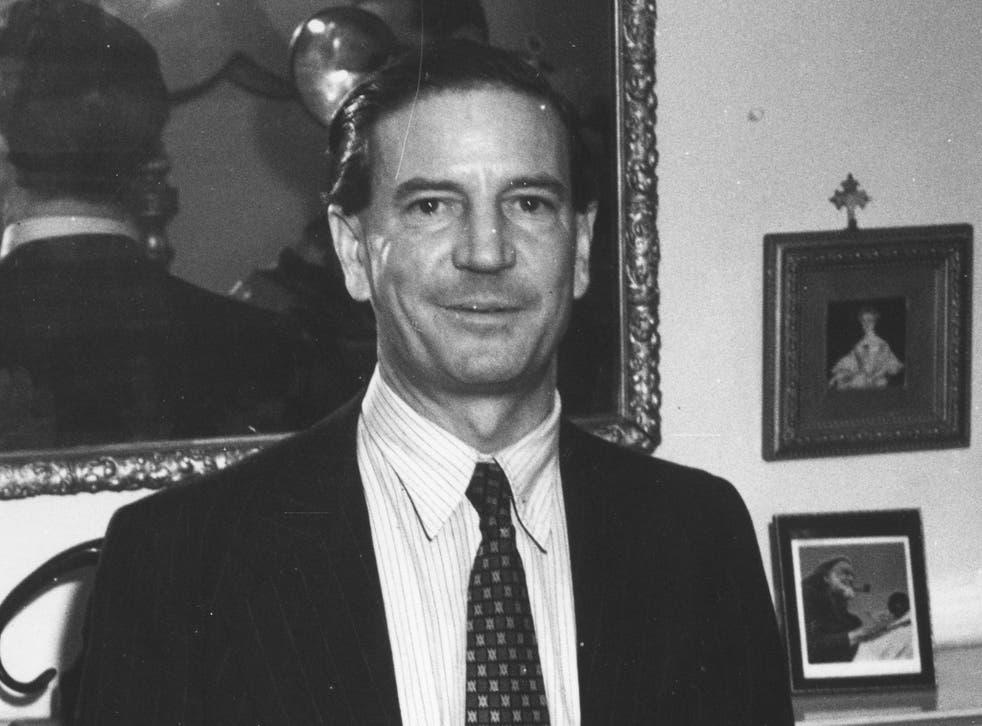
One of the Brits who had helped draft the invasion plan was none other than Kim Philby, the famed KGB defector.
Wider Failure
The failure of Rollback operations in Albania was mirrored in other Eastern European countries, such as Poland, Czechoslovakia and Poland.
Waller writes that “the operational difficulties involved in establishing long-range paramilitary assets [there] were practically insurmountable….Projects that infiltrated trained agents were compromised by Communist penetration of the sponsoring political groups. A number of valued operatives had been rounded up and executed.”[41]
“Swashbuckling of the Worst Kind”
In Southeast Asia, Wisner talked General Douglas MacArthur into allowing the CIA to collect intelligence and mount covert operations based out of the Atsugi naval base in Japan. Wisner subsequently sent one thousand OPC officers there to plan for operations in Korea.
Three hundred additional officers were posted in Taiwan to train guerrillas, carry out reconnaissance missions, broadcast propaganda to mainland China and send out balloons with leaflets.
A secret base costing $28 million was set up on the island of Saipan to train guerrillas for secret black operations in North and South Korea, China, Tibet and Vietnam.[42] Saipan was also a way station for a pioneering rendition program where leftists in Vietnam and Korea who had been kidnapped were flown blindfolded in military airplanes and subjected to enhanced interrogation techniques in a secret prison as well as MK-ULTRA type experiments leading some afterwards to have to be disposed of.
Under Wisner’s oversight, the guerrilla commandos trained at Saipan and other CIA bases on Taiwan, Okinawa and elsewhere were flown on Civil Air Transport (CAT) planes—a private airline previously owned by Clare Chennault that Wisner had purchased with $950,000 in OPC funds.
Nicknamed Air America, CAT became the CIA’s, “highly valued air arm” in Southeast Asia, according to Waller.[43] Another name for it was “Air Opium.”
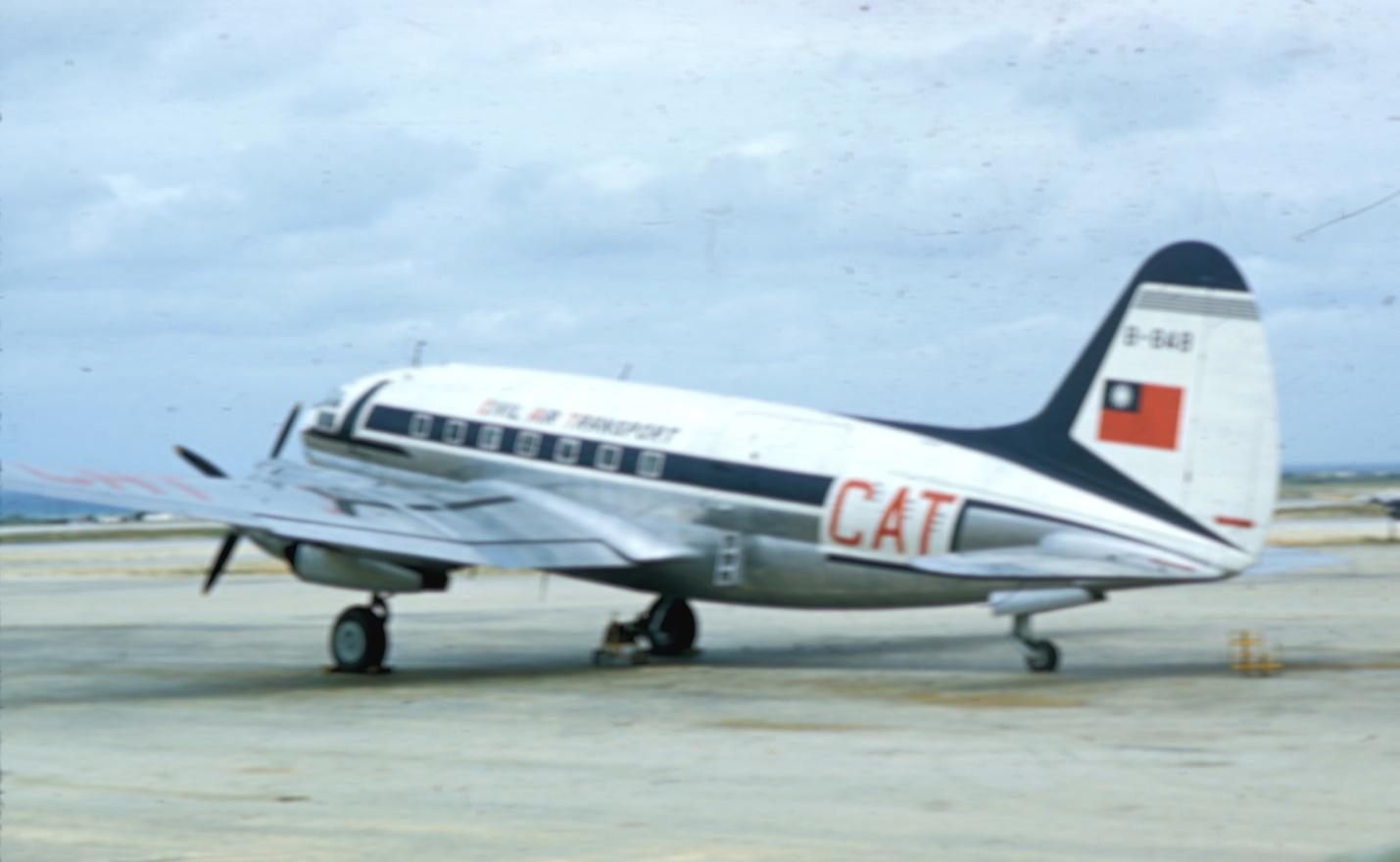
The clandestine operations into North Korea during the Korean War flopped as much as the Rollback operations in Eastern Europe.
Waller writes that the “8,500 guerrillas trained in Taiwan were sent out on crudely conceived missions that produced little except casualties.”[44]
CIA officer Donald Gregg said “we didn’t know what we were doing” and that it was “swashbuckling of the worst kind” that produced “little more than a roster of lost lives.”[45]
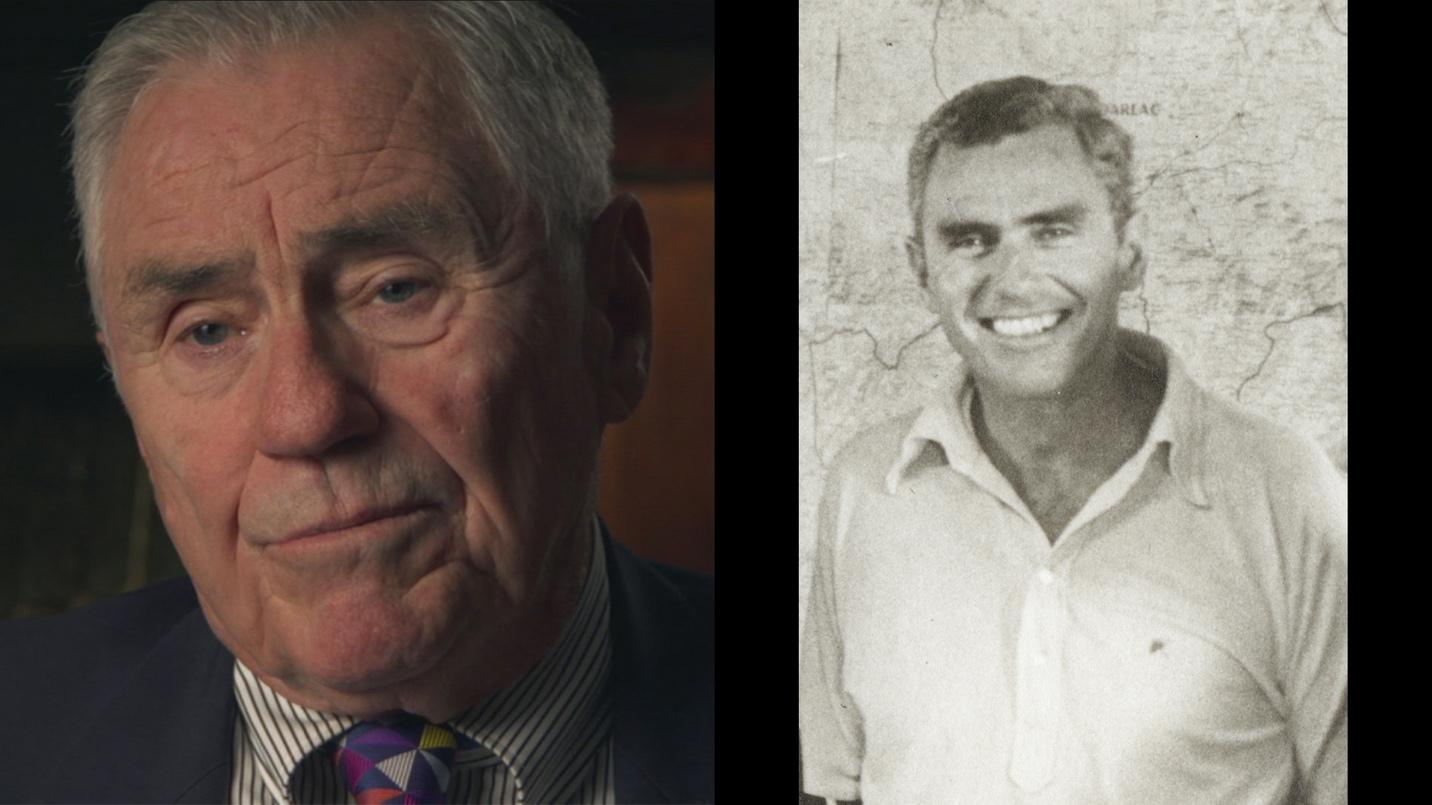
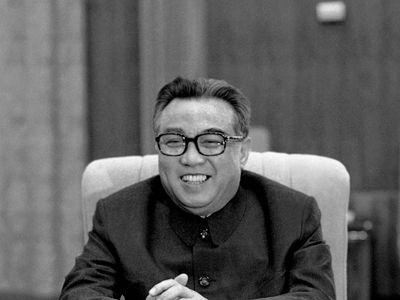
Early in the Korean War, Wisner tried to infiltrate an assassin into Pyongyang to kill North Korean leader Kim Il-Sung. The man who volunteered to do the dirty deed was a Cherokee code named Buffalo, who was paid a large sum of cash by Hans V. Tofte, who worked under Wisner. Buffalo failed in his mission and was never heard from again.[46]
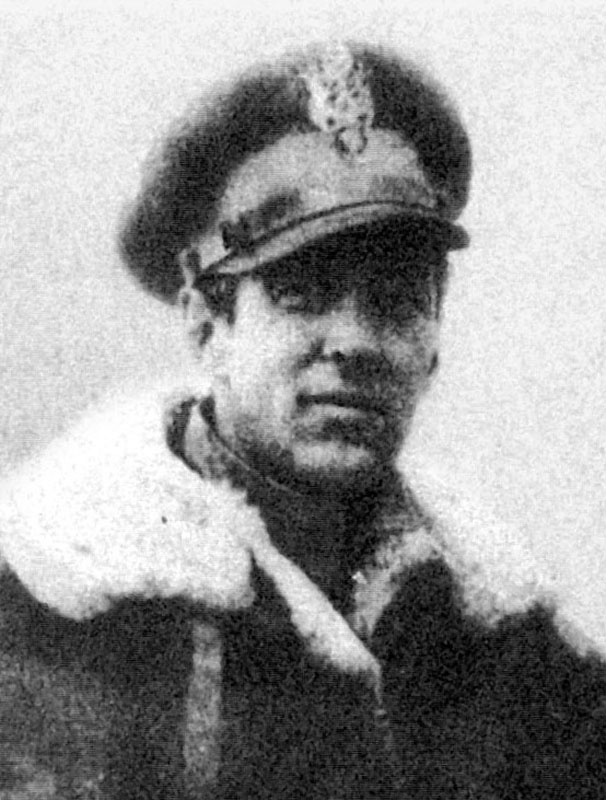
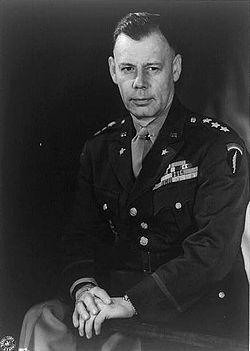
In China, Wisner and colleagues, such as Desmond Fitzgerald, Richard Stillwell and Walter Bedell Smith, hoped to create a “Third Force” movement that would be a democratic alternative to Mao’s communists and Chiang’s Nationalists.
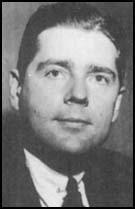
Of the 212 CIA-trained agents who were parachuted into the Chinese mainland from 1951 to 1953 to organize a Third Force army, however, 101 were killed and the other 111 were captured.
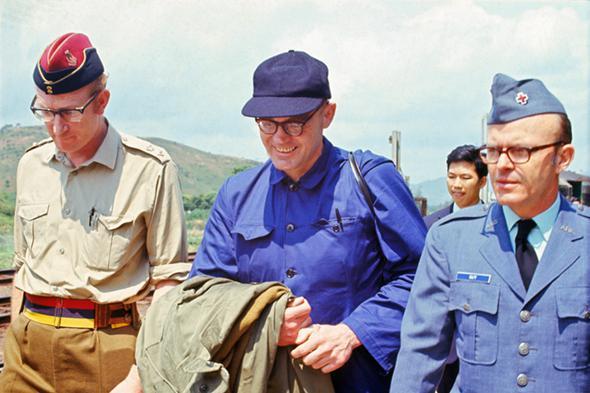
The latter figure included two Americans agents, John Downey and Richard Fecteau who wound up spending two decades in captivity.[47]
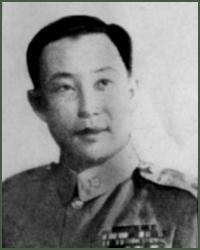
The CIA’s paid assets in the anti-China operation included Guomindang warlord Li Mi, who pocketed much of the CIA’s money to cultivate poppy fields in Burma and Thailand for lucrative opium exports.[48]
Operation DTPILLAR
Wisner’s propaganda efforts in the Far East concentrated on The Asia Foundation, which the OPC bankrolled in an operation code-named DTPILLAR to subsidize non-communist scholars and academic programs.[49]
The CIA recruited as spies students and other leaders who were brought to the U.S. in Asia Foundation-financed cultural and educational exchanges and relied on Asia Foundation staffers to gather foreign intelligence. In Borneo, a Foundation representative received CIA training to operate a CIA forward listening post.
Additionally, the Foundation channeled funds to the American Institute for Free Labor Development (AIFLD), a CIA front that infiltrated labor unions in order to elevate anti-communist factions and purge radical leftist ones.[50]

A Kindred Soul
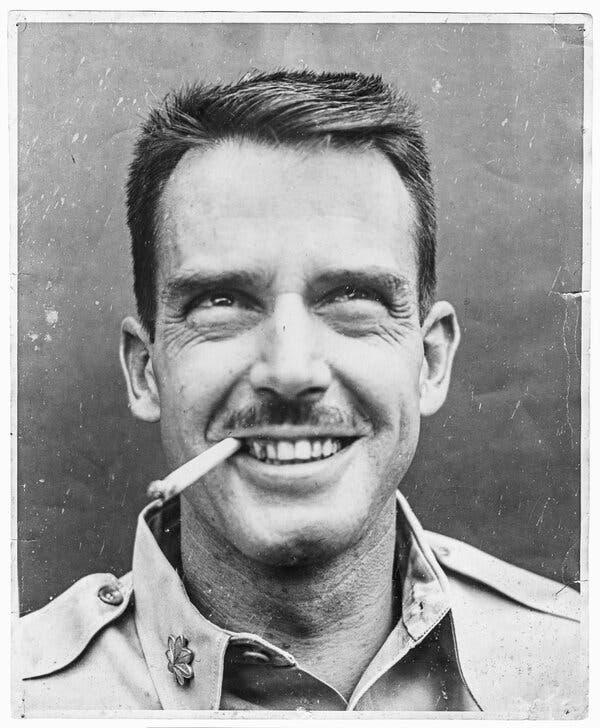
Wisner found a kindred soul in CIA operative Edward Lansdale, who adopted all kinds of macabre tactics in spearheading the CIA’s suppression of a left-wing guerrilla rebellion in the Philippines.[51]
These tactics included the “vampire trick,” where dead guerrillas were drained of their blood and hung on hooks in town squares for intimidation purposes.
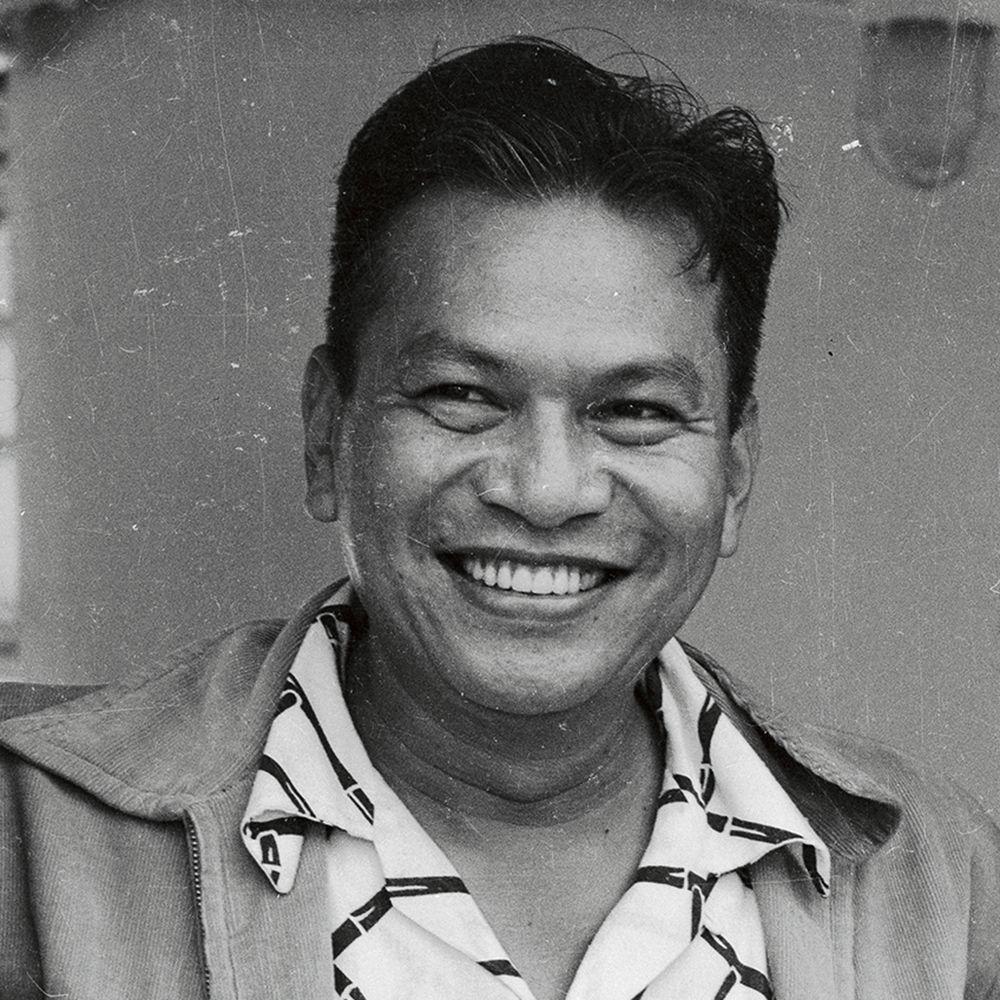
Wisner and Lansdale worked together to engineer the political rise in the Philippines of Ramon Magsaysay, who allowed for U.S. military bases and adopted economic policies that favored U.S.-based investors.[52] The Philippines under Magsaysay’s rule was further used as a launching pad for covert operations and CIA sabotage missions into North Vietnam.[53]
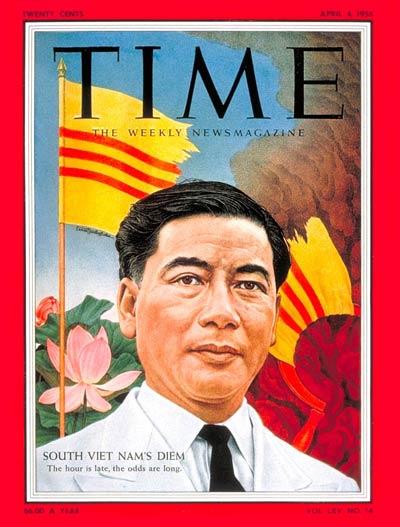
Wisner went on to support Lansdale’s efforts to build up the U.S. client regime of Ngo Dinh Diem in South Vietnam.
After a tour of CIA stations in the Far East in 1954, Wisner began lobbying Mockingbird asset Joseph Alsop to write a column on the success of U.S. policies toward Vietnam and Ngo Dinh Diem, which of course Alsop did.[54]
Assassination Unit
In a small office in his directorate, Wisner set up an assassination unit under the direction of Boris T. Pash. Called Program Branch 7, it was supposed to be used mainly against double agents and low-ranking Communist officials.[55]
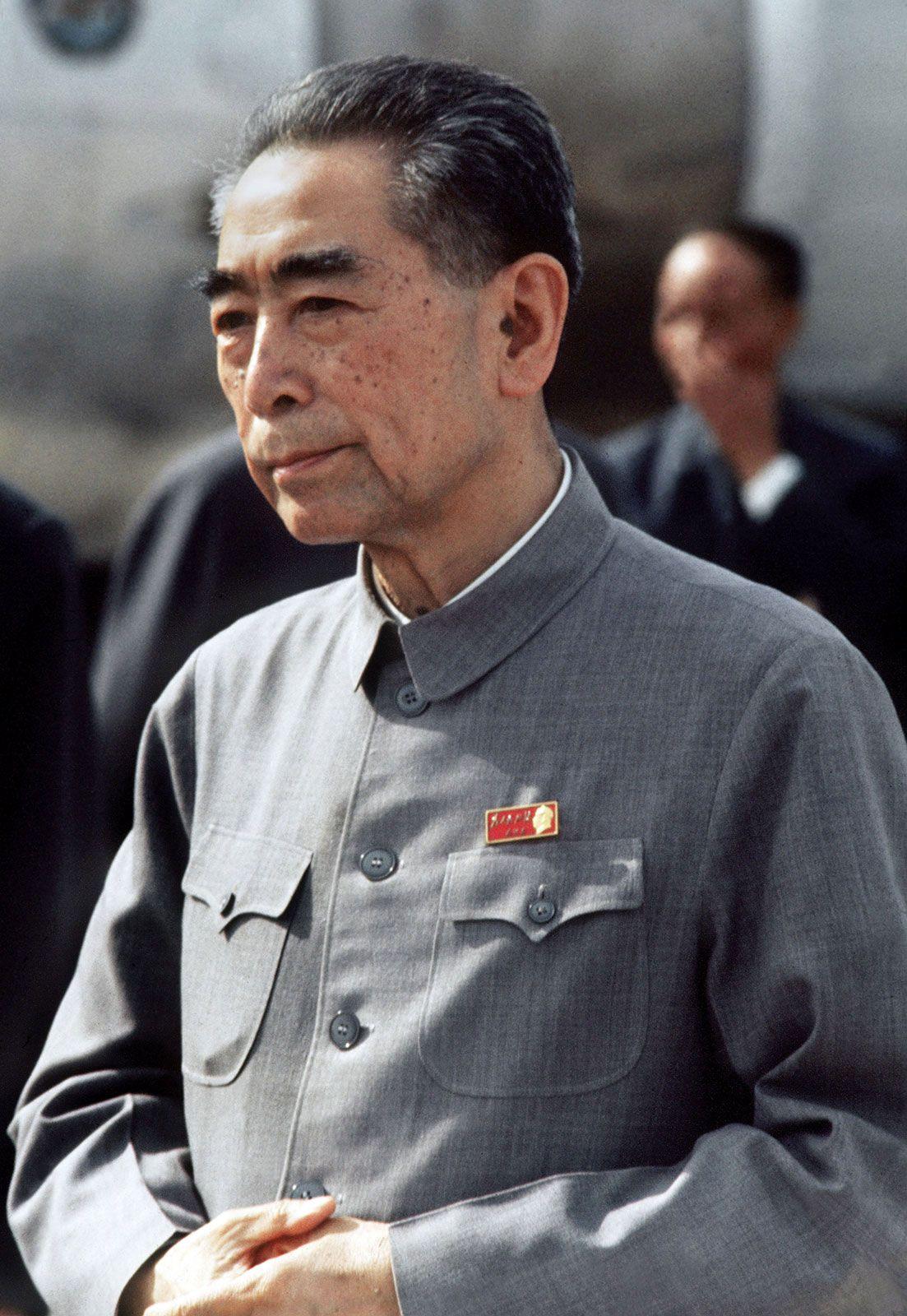
One of the proposed targets was Chinese Foreign Minister Zhou Enlai, whom Wisner suggested poisoning. Wisner also considered a plan to detonate a bomb planted in Stalin’s limousine while he was attending a conference in Paris, according to Waller.[56]
AJAX and PBSUCCESS
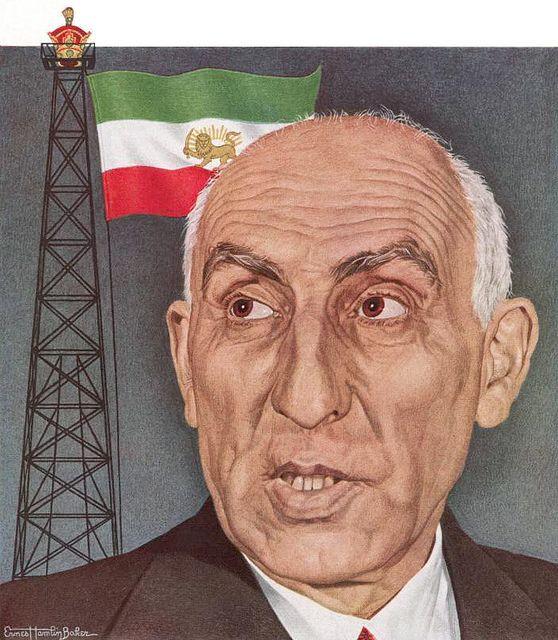
Wisner was a central figure in the 1950s CIA coups in Guatemala and Iran that replaced left-leaning, democratically elected leaders (Jacobo Arbenz and Mohammad Mosaddegh) who sought to reclaim control over their countries’ natural resources with fascistic-type dictators who served U.S. corporate interests.
Wisner shared with Allen Dulles the view that independent nationalist leaders like Arbenz and Mosaddegh were communist sympathizers, or even worse, outright communists, who had to be overthrown.
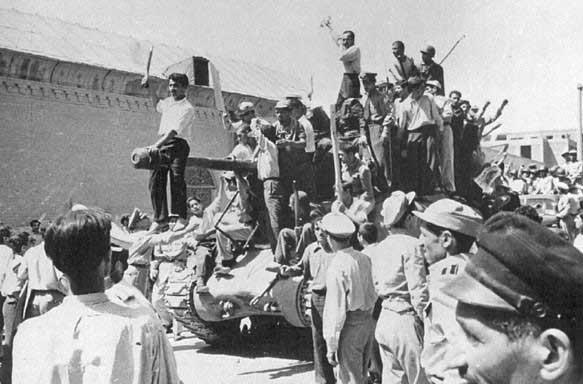
For Iran, Wisner’s staff helped draft the blueprint for Operation AJAX, by which the CIA spread propaganda about Mosaddegh, financed street protests, and worked with the army to install Shah Mohammad Reza Pahlevi, who ruled Iran with an iron fist from 1953 to 1979 while granting the Anglo-Iranian Oil Company (later British Petroleum) privileged access to Iran’s oil.[57]
One of Wisner’s pet projects was his recruitment of anti-communist guerrillas in southwestern Iran’s tribal areas, who helped set up air fields, drop zones, safe houses and supply routes to and from the Persian Gulf.[58]
Wisner approved another political operation to undercut the left-wing Tudeh Party by infiltrating spies into the party and that organized anti-Tudeh demonstrations, exposed Communist agents among labor groups, and circulated a “black propaganda book” purporting to be a Soviet attack on Islam.[59]
Wisner, additionally, authorized the CIA’s Tehran station to spend one million Iranian rials (about $11,000 per week) to buy the cooperation of Majlis deputies.[60]
Waller writes that, during the coup period, bribes were passed out around Tehran “like candy.”[61]
Press attacks against Mosaddegh reached a new virulence with stories planted by the CIA accusing him of being a communist, a Shah hater, and even a closet Jew.[62]
The CIA planted the same kinds of stories in Guatemala accusing Arbenz of being a communist while distributing 30,000 anti-Arbenz comic books.[63]
Wisner ran Guatemala’s Operation PBSUCCESS out of Opa Locka, Florida, from where he coordinated the shipment of arms by CAT to a renegade army officer, Castillo Armas, whose men were trained by CIA operatives in Honduras in guerrilla warfare tactics and assassination.[64]
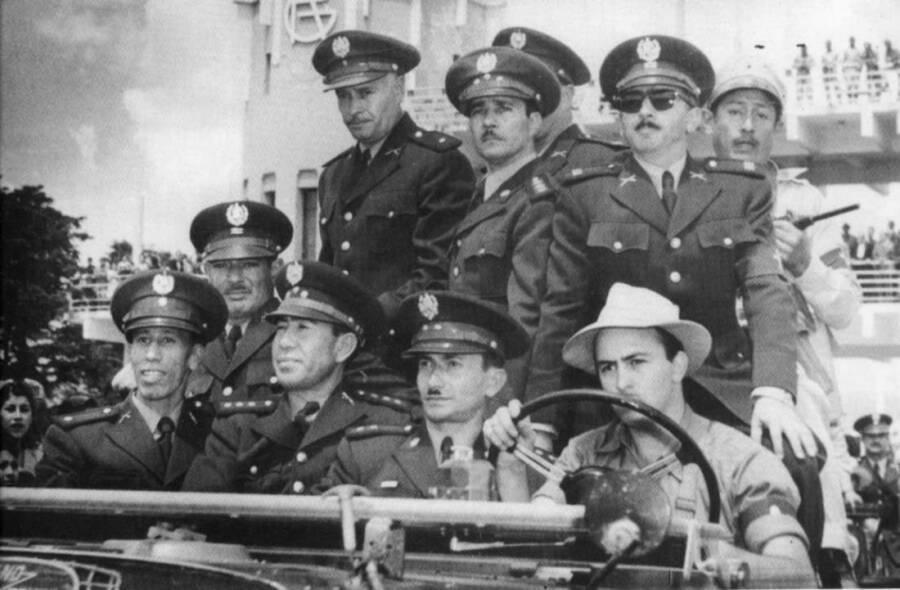
Using the code name “Harold S. Whiting” in his cables, Wisner delivered instructions for selecting 28 top communists for blacklisting, smearing and assassination.[65]
Arbenz fled the country after a clandestine radio broadcast produced by E. Howard Hunt and David Atlee Phillips made it erroneously seem like Armas had a huge network of support.[66]
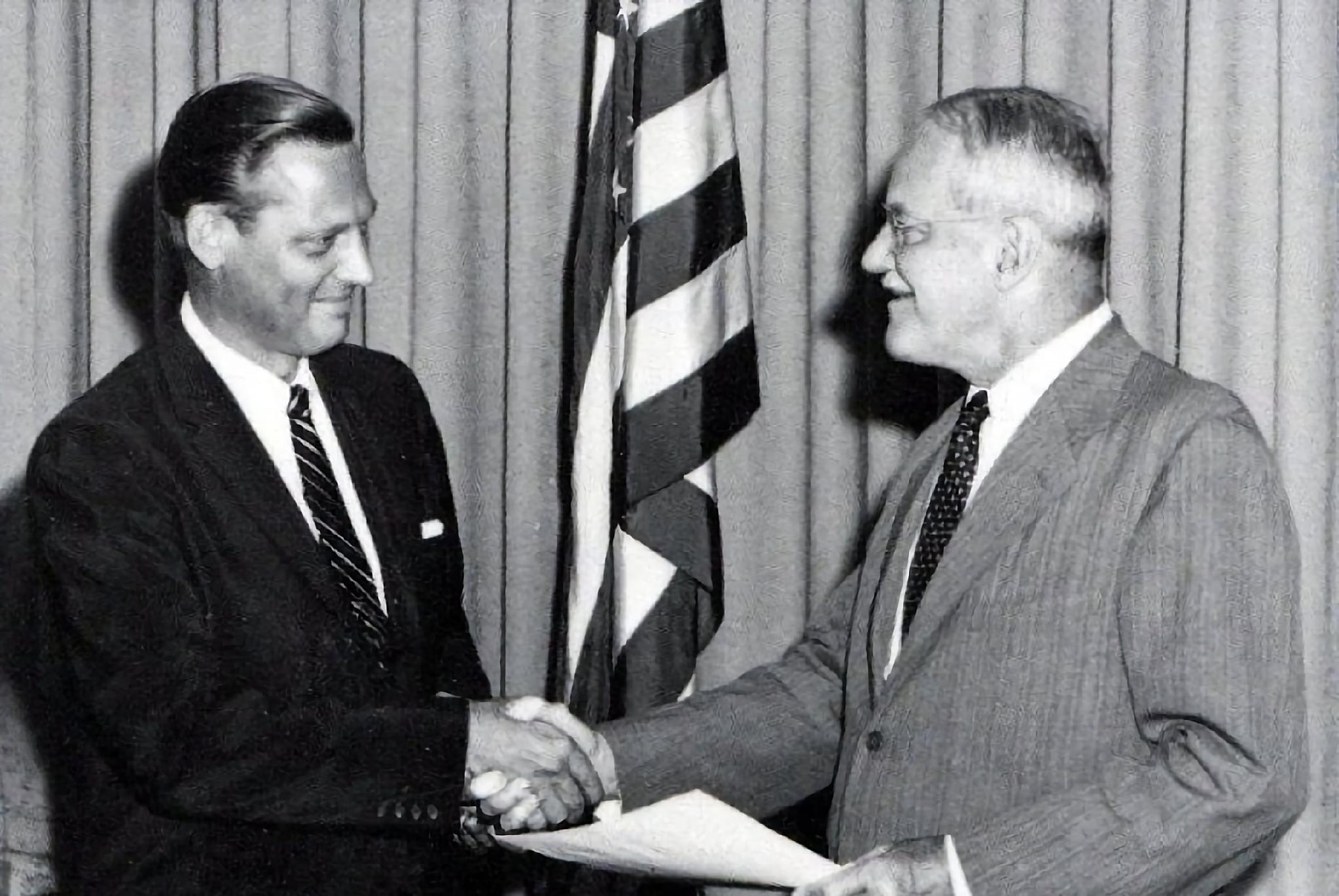
The U.S public was kept in line by a barrage of anti-Arbenz articles in The Washington Post and Look magazine, to which Wisner had fed stories.[67]
When a New York Times reporter, Sydney Gruson strayed from the CIA’s line, Dulles spoke to Times publisher Arthur Hays Sulzberger, who removed him from the Guatemala beat.[68]
Wisner later ordered the CIA station in Guatemala City to slip material to Representative Charles Kersten (R-WI), Chairman of the House Select Committee on Communist Aggression, to make sure the congressman did not “bump into PBSUCCESS”—which at the time was unknown to the American public.[69]
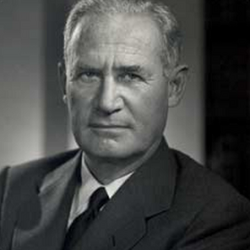
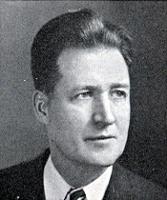
AJAX and PBSUCCESS were the crowning achievements of Wisner’s career.
The triumph of the Shah in Iran, however, led to a quarter-century of tyranny and an Islamic Revolution that was decisively anti-American.
Castillo Armas meanwhile lasted only three years in power and generated mass opposition that led to political instability and years of civil war, culminating in a genocide in the 1980s.
The End of His Rope
Wisner was worn out after PBSUCCESS and retreated to his family farm near Galena, Maryland. Afterwards, he allegedly began exhibiting increasingly erratic behavior, showing signs of mental illness and alcoholism.[70]
His depression was accentuated by the Soviet crushing of the 1956 Hungarian revolt, which the CIA had helped to incite.
After suffering a nervous breakdown, Wisner was admitted to a mental hospital and underwent electro-shock treatment. Thereafter, in October 1965, he allegedly committed suicide—though not before helping to lead one more covert operation—a joint CIA-MI6 effort to overthrow Cheddi Jagan, the socialist president of Guyana.[71]
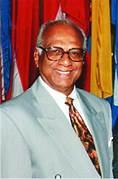
Wisner’s reactionary political views were apparent in his support for Lyndon Johnson’s escalation of the Vietnam War and disdain over the growing number of anti-Vietnam War news articles and books being published in the 1960s, which he warned could “collectively contribute much to the confusion of the public mind.”[72]
In October 1963, Wisner sent a memo to the CIA’s top deputy director claiming that a vast network of government leakers, led by several top State Department officials, was feeding salacious stories to reporters eager to vilify the CIA.[73]
Blowback
After his death, some of Wisner’s CIA colleagues eulogized him as a “casualty in the struggle against the evil forces of communism.”[74]
Waller’s study, however, shows that Wisner himself was implicated in profoundly evil acts that resulted in a large number of deaths, including of his own agents.
In 1997 on the CIA’s 50th anniversary, CIA Director George Tenet named Wisner one of the CIA’s 50 Trailblazers for establishing “the doctrine for the use of covert action” and “inspiring a cadre of future secret warriors.”[75]
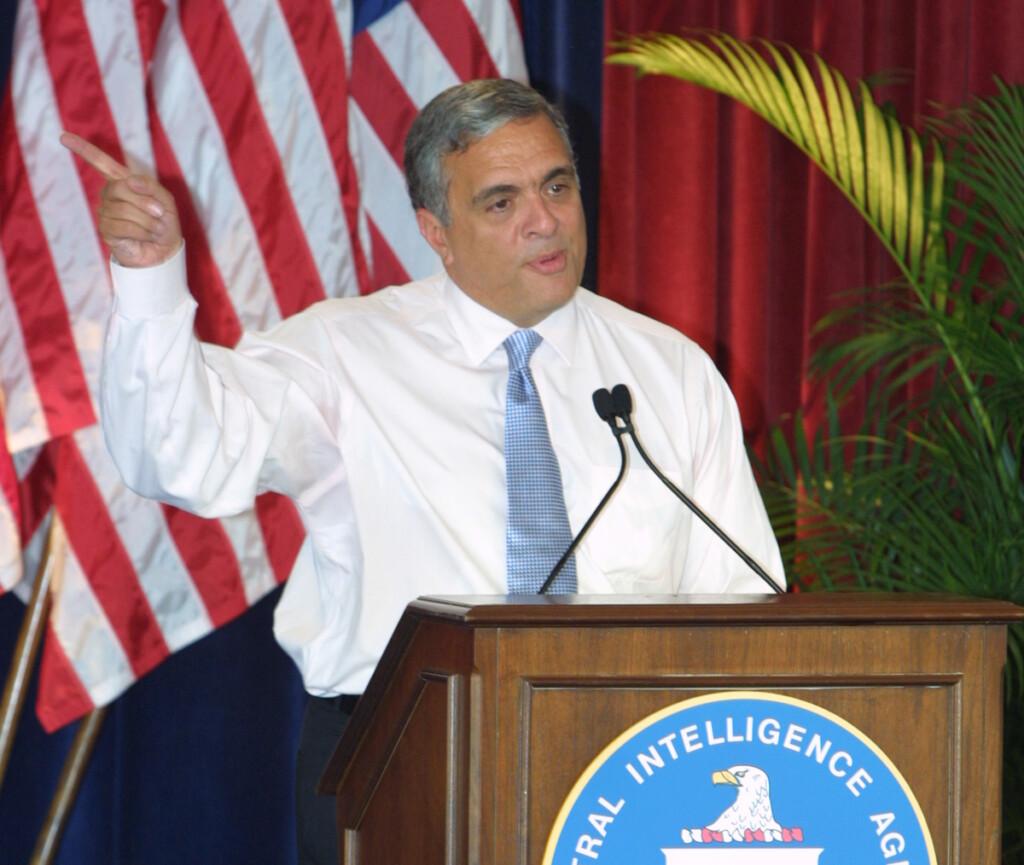
Indeed, many of the methods that Wisner adopted continue to be used by the CIA—including in its propaganda blitzkrieg, which is now adopted in part through the National Endowment for Democracy (NED).
Ultimately, Wisner’s career can be seen to embody the underside of the American empire that is in the process of unraveling.
His personal demise resulted from all the dark acts that he committed, combined with his ideological zealotry, which seems to have eaten at his inner core, leaving a shell of a man who was driven to insanity and suicide before he reached his 60th birthday.
That story can be seen as a metaphor for the nation writ large, which cannot hide its sins indefinitely nor escape them without facing blowback.
Stewart Alsop had served with the OSS in World War II, parachuting behind enemy lines in Nazi-occupied France. Stay tuned for a future CovertAction Magazine article that focuses on the Alsop’s. ↑
A lot of drinking and flirtation went on at these dinners. ↑
Douglas Waller, The Determined Spy: The Turbulent Life and Times of CIA Pioneer Frank Wisner (New York: Dutton, 2025). ↑
Waller, The Determined Spy, 29. ↑
Waller, The Determined Spy, 33. Franklin D. Roosevelt had worked for four years for the same law firm. ↑
Waller, The Determined Spy, 34, 35. ↑
Waller, The Determined Spy, 80. ↑
Waller, The Determined Spy, 81. ↑
Waller, The Determined Spy, 99. ↑
Waller, The Determined Spy, 100. ↑
Wisner had lamented the American indifference as the Soviets established control over Romania. ↑
Waller, The Determined Spy, 109, 111. ↑
Waller, The Determined Spy, 114. ↑
Waller, The Determined Spy, 121. ↑
Waller, The Determined Spy, 121, 170. ↑
Waller, The Determined Spy, 269, 270. ↑
Waller, The Determined Spy, 270. ↑
Idem. Eventually the CIA had a falling out with Gehlen and began spying on him. ↑
Waller, The Determined Spy, 155. ↑
Waller, The Determined Spy, 157. Wisner may have been involved with an Operation Bloodstone which aimed to recruit Soviet emigrés, who could be used as spies or penetration agents against the Soviet Union. According to historian Jeffrey Kaye, its activities included “recruiting defectors, smuggling refugees out from behind the Iron Curtain, and assassinations.” ↑
Cakars and Osborne noted that “in some cases, those targeted for elimination seem to have been people merely resisting OUN-B financial shakedowns, or were the unfortunate victims of personal grudges.” This is similar to the Vietnam Phoenix Operation, which Operation Ohio set the precedent for. Three veterans of Operation Ohio worked directly in Phoenix, including future CIA Director Richard Helms. Osborne incidentally was a Phoenix program veteran and whistleblower. See Douglas Valentine, The Phoenix Program (New York: Robert Morrow, 1990). Historian Jeffrey Kaye details how in the Mittenwald DP camp in the Bavarian Alps after World War II the OUN killers, using “techniques borrowed from the Nazis,” burned the bodies of those they killed “in large bread baking ovens” they were given acces to by American soldiers. ↑
Waller, The Determined Spy, 163. ↑
Waller, The Determined Spy, 165, 212. ↑
Waller, The Determined Spy, 166. ↑
Waller, The Determined Spy, 173. ↑
Waller, The Determined Spy, 174. ↑
Waller, The Determined Spy, 267. ↑
Waller, The Determined Spy, 269. ↑
Waller, The Determined Spy, 180. ↑
Waller, The Determined Spy, 269. ↑
Waller, The Determined Spy, 181. Wisner’s officers found non-communist leftists in Europe more reliable in fighting communism than rightists. The Congress for Cultural Freedom (CCF) was chaired by Sidney Hook, a New York University philosophy professor and “reformed” communist who served as a consultant to CIA Director Walter Bedell Smith (1950-1953). ↑
Waller, The Determined Spy, 205. ↑
Waller, The Determined Spy, 417. ↑
Philip F. Nelson, Who REALLY Killed Martin Luther King Jr.? The Case Against Lyndon B. Johnson and J. Edgar Hoover, new foreword by Edgar F. Tatro (New York: Skyhorse Publishing, 2018), xxvi; Deborah Davis, Katherine the Great: Katherine Graham and Her Washington Post Empire (New York: Sheridan Square Press, 1979). ↑
Carl Bernstein, “The CIA and the Media,” Rolling Stone, October 20, 1977. ↑
For the latter case, see Peter Dale Scott, “Air America: Flying the U.S. Into Laos,” in Laos: War and Revolution, ed. Alfred W. McCoy and Nina Adams (New York: Harper & Row, 1970), 310, 311. ↑
Waller, The Determined Spy, 186. ↑
Waller, The Determined Spy, 214. ↑
Waller, The Determined Spy, 189. ↑
Waller, The Determined Spy, 192. A U.S. intelligence estimate concluded that resistance inside Albania represented only a “nuisance” for the regime, certainly “not an immediate threat.” ↑
Waller, The Determined Spy, 292. ↑
Waller, The Determined Spy, 224; James P. Bevill, Spies in Saigon: CIA Covert Operations in French Indochina and South Vietnam 1950-1963 (Atglen, PA: Schiffer Military History, 2026), 282. Wisner selected Paul Springer, who had headed CIA operations in Vietnam during the 1st Indochina War (1946-1954) to oversee the training base in Saipan. Some Iranians were trained there who went to Iran to support the CIA’s 1953 coup and the Shah. ↑
Waller, The Determined Spy, 197. ↑
Waller, The Determined Spy, 227. Waller further noted that “the propaganda broadcasts and seventy-five million leaflets dropped on Mainland China had little impact. Hundreds of agents infiltrated into communist-controlled territory were forced to send back fabricated intelligence reports after being captured.” ↑
Waller, The Determined Spy, 227; Bevill, Spies in Saigon, 279. ↑
David A. Foy, Superspy: Hans Tofte, Intelligence Officer for SOE, OSS, and CIA (Pennsylvania: Casemate, 2025), 90; Annie Jacobsen, Surprise, Kill, Vanish: The Secret History of CIA Paramilitary Armies, Operators and Assassins (Boston: Little, Brown & Company, 2019), 40, 41. Foy suggests that Buffalo may have been programmed as an assassin through mind control experiments overseen by Tofte in Japan that were a prelude to the Operation MK-ULTRA. ↑
Waller, The Determined Spy, 233. See also John Delury, Agents of Subversion: The Fate of John T. Downey and the CIA’s Covert War in China (Ithaca, NY: Cornell University Press, 2022). ↑
Waller, The Determined Spy, 233. See also Alfred W. McCoy, The Politics of Heroin: CIA Complicity in the Global Drug Trade (New York: Lawrence Hill Books, 2003). ↑
Waller, The Determined Spy, 232. ↑
David H. Price, Cold War Deceptions: The Asia Foundation and the CIA (Seattle: University of Washington Press, 2024). Wisner also helped set up Radio Free Asia and the Committee for a Free Asia. ↑
Waller, The Determined Spy, 228, 229. ↑
Waller, The Determined Spy, 230. ↑
Larry Kilpatrick, “Profile of US Intelligence in Southeast Asia,” Covert Action Information Bulletin, July-August 1979, 5. ↑
Waller, The Determined Spy, 413. ↑
Waller, The Determined Spy, 273. ↑
Idem. ↑
Waller, The Determined Spy, 313. ↑
Waller, The Determined Spy, 304. ↑
Idem. ↑
Waller, The Determined Spy, 316. ↑
Waller, The Determined Spy, 324. ↑
Idem. After the Shah was installed, the CIA secretly delivered more than $5 million to General Fazlollah Zahedi so he could meet government payrolls. ↑
Waller, The Determined Spy, 362. ↑
Waller, The Determined Spy, 374. ↑
Waller, The Determined Spy, 362. ↑
Waller, The Determined Spy, 383. ↑
Waller, The Determined Spy, 376. ↑
Waller, The Determined Spy, 378. ↑
Waller, The Determined Spy, 401. ↑
Waller, The Determined Spy, 456. ↑
Waller, The Determined Spy, 489. Wisner supported Lyndon Johnson’s escalation of the Vietnam War. ↑
Waller, The Determined Spy, 501. Wisner was delighted that his son, Frank Jr., became employed by the U.S. Embassy in Saigon. His daughter and son Graham opposed the Vietnam War. ↑
Waller, The Determined Spy, 501. ↑
Waller, The Determined Spy, 512. ↑
Waller, The Determined Spy, 520. Tenet said that Wisner pioneered “some of the most intricate and challenging undertakings of the CIA in its early years.” ↑
CovertAction Magazine is made possible by subscriptions, orders and donations from readers like you.
Blow the Whistle on U.S. Imperialism
Click the whistle and donate
When you donate to CovertAction Magazine, you are supporting investigative journalism. Your contributions go directly to supporting the development, production, editing, and dissemination of the Magazine.
CovertAction Magazine does not receive corporate or government sponsorship. Yet, we hold a steadfast commitment to providing compensation for writers, editorial and technical support. Your support helps facilitate this compensation as well as increase the caliber of this work.
Please make a donation by clicking on the donate logo above and enter the amount and your credit or debit card information.
CovertAction Institute, Inc. (CAI) is a 501(c)(3) non-profit organization and your gift is tax-deductible for federal income purposes. CAI’s tax-exempt ID number is 87-2461683.
We sincerely thank you for your support.
Disclaimer: The contents of this article are the sole responsibility of the author(s). CovertAction Institute, Inc. (CAI), including its Board of Directors (BD), Editorial Board (EB), Advisory Board (AB), staff, volunteers and its projects (including CovertAction Magazine) are not responsible for any inaccurate or incorrect statement in this article. This article also does not necessarily represent the views the BD, the EB, the AB, staff, volunteers, or any members of its projects.
Differing viewpoints: CAM publishes articles with differing viewpoints in an effort to nurture vibrant debate and thoughtful critical analysis. Feel free to comment on the articles in the comment section and/or send your letters to the Editors, which we will publish in the Letters column.
Copyrighted Material: This web site may contain copyrighted material the use of which has not always been specifically authorized by the copyright owner. As a not-for-profit charitable organization incorporated in the State of New York, we are making such material available in an effort to advance the understanding of humanity’s problems and hopefully to help find solutions for those problems. We believe this constitutes a ‘fair use’ of any such copyrighted material as provided for in section 107 of the US Copyright Law. You can read more about ‘fair use’ and US Copyright Law at the Legal Information Institute of Cornell Law School.
Republishing: CovertAction Magazine (CAM) grants permission to cross-post CAM articles on not-for-profit community internet sites as long as the source is acknowledged together with a hyperlink to the original CovertAction Magazine article. Also, kindly let us know at info@CovertActionMagazine.com. For publication of CAM articles in print or other forms including commercial internet sites, contact: info@CovertActionMagazine.com.
By using this site, you agree to these terms above.
About the Author
Jeremy Kuzmarov holds a Ph.D. in American history from Brandeis University and has taught at numerous colleges across the United States. He is regularly sought out as an expert on U.S. history and politics and co-hosts a radio show on New York Public Radio and on Progressive Radio News Network called “Uncontrolled Opposition.”
He is Managing Editor of CovertAction Magazine and is the author of eight books, including Obama’s Unending Wars (Clarity Press, 2019), The Russians Are Coming, Again, with John Marciano (Monthly Review Press, 2018), Warmonger. How Clinton’s Malign Foreign Policy Launched the U.S. Trajectory From Bush II to Biden (Clarity Press, 2023); with Dan Kovalik, Syria: Anatomy of Regime Change (Baraka Books, 2025), and Political Assassinations in America: The Intricate Nexus of Deep State Crime (Clarity Press, 2026).
Besides these books, Kuzmarov has published hundreds of articles and contributed to numerous edited volumes, including one in the prestigious Oxford History of Counterinsurgency .
He can be reached at jkuzmarov2@gmail.com and found on substack here.