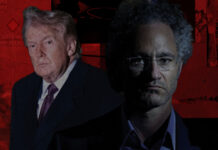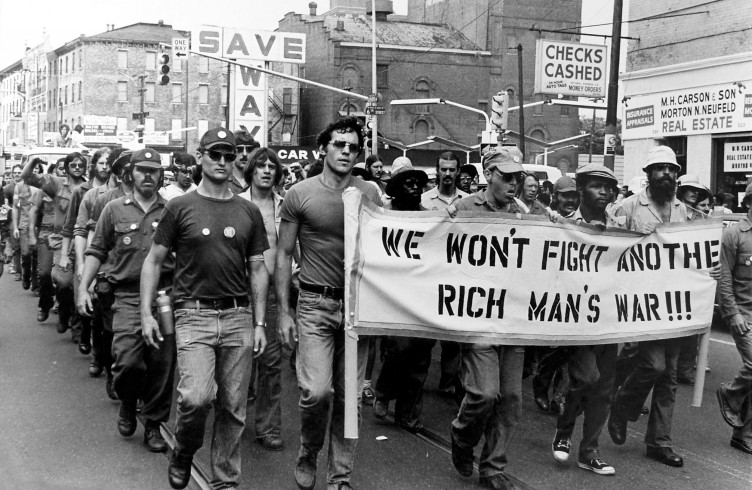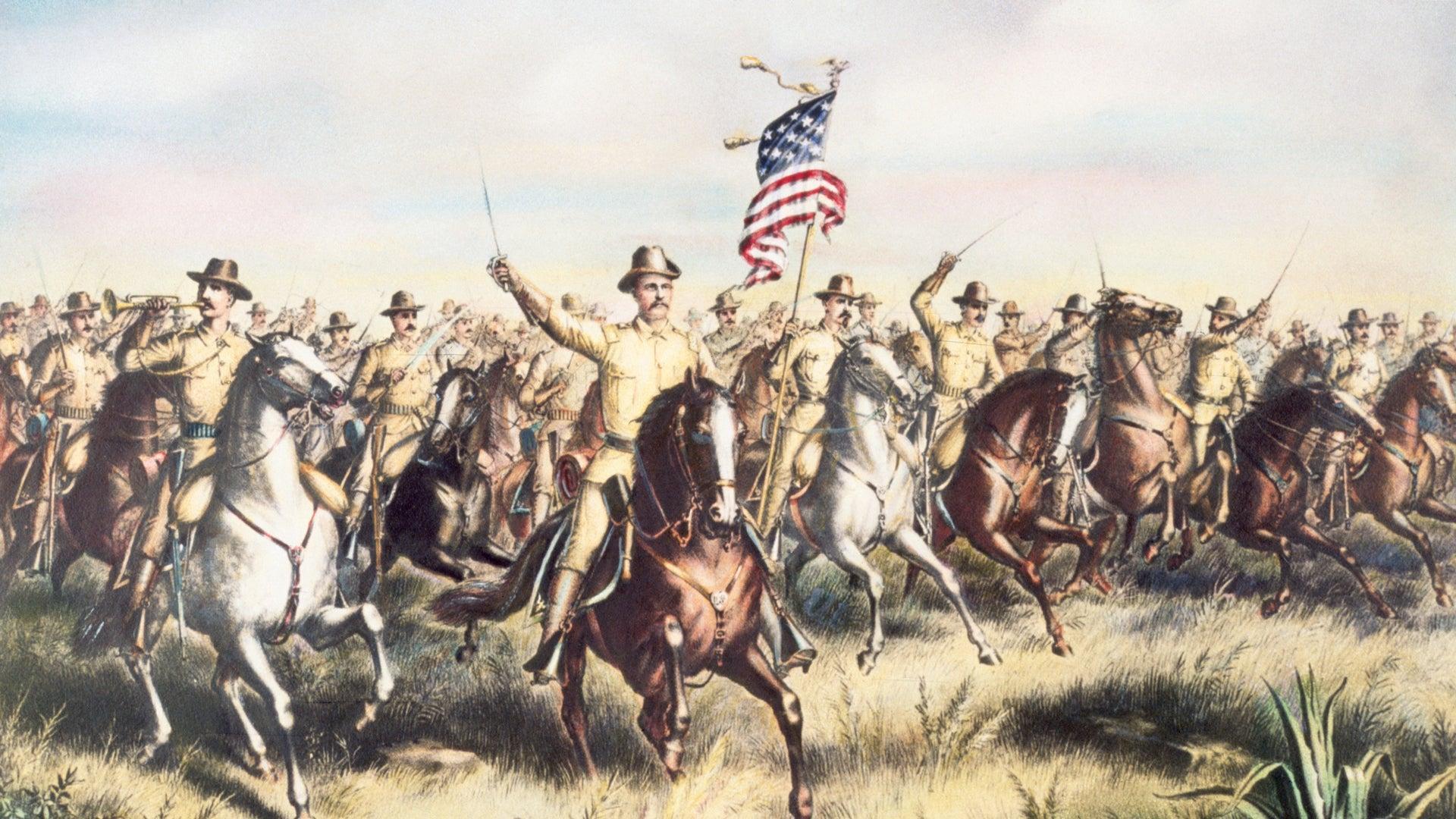
In early February, as part of its “America 250” campaign, the Trump White House issued a presidential pronouncement commemorating what it called “our victory in the Mexican-American War,” a war that it framed as being a defensive one forced upon an innocent United States.
While many recognize this pronouncement as a reversal of reality, standard history books continue to frame the Mexican-American and most other U.S. wars not too differently, and to suggest that U.S. leaders were motivated by good intentions, even if some of the consequences of the wars that they waged proved to be disagreeable.
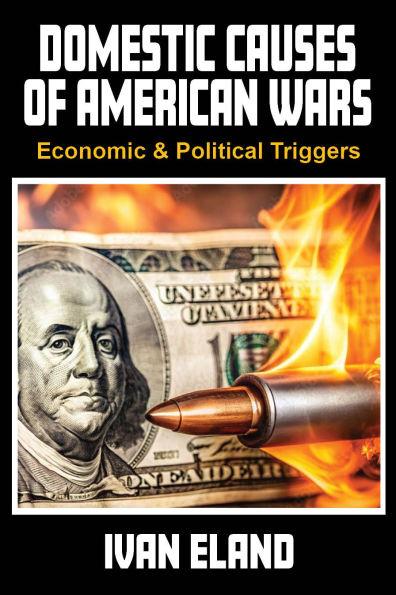
Ivan Eland’s book, Domestic Causes of American Wars: Economic & Political Triggers is significant in puncturing the dominant nationalistic narrative surrounding American wars.
Eland shows that almost all wars in American history resulted from domestic pressures and were initiated in an attempt to achieve hidden strategic motives or crass economic gain.
The latter is true, according to Eland, even for the supposed “good wars” in U.S. history, such as the Civil War and World War II, which are presented in most U.S. history texts as being noble.
An author of eight previous books who worked for 16 years in the U.S. Congress, Eland’s latest book is valuable as a historical resource that places current aggressive U.S. foreign policies in larger historical context.
Eland starts out with a discussion of the Quasi War with France from 1798 to 1800, which American history textbooks conventionally claim was initiated after France started attacking American commercial ships.
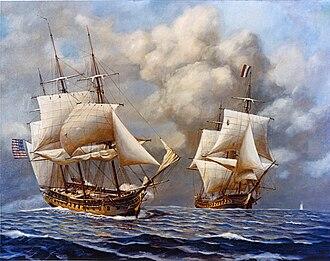
In reality, Eland emphasizes that merchant greed had caused the U.S. to renege on commercial treaties with France and to allow British ships that attacked French ships to operate out of its ports.[1]
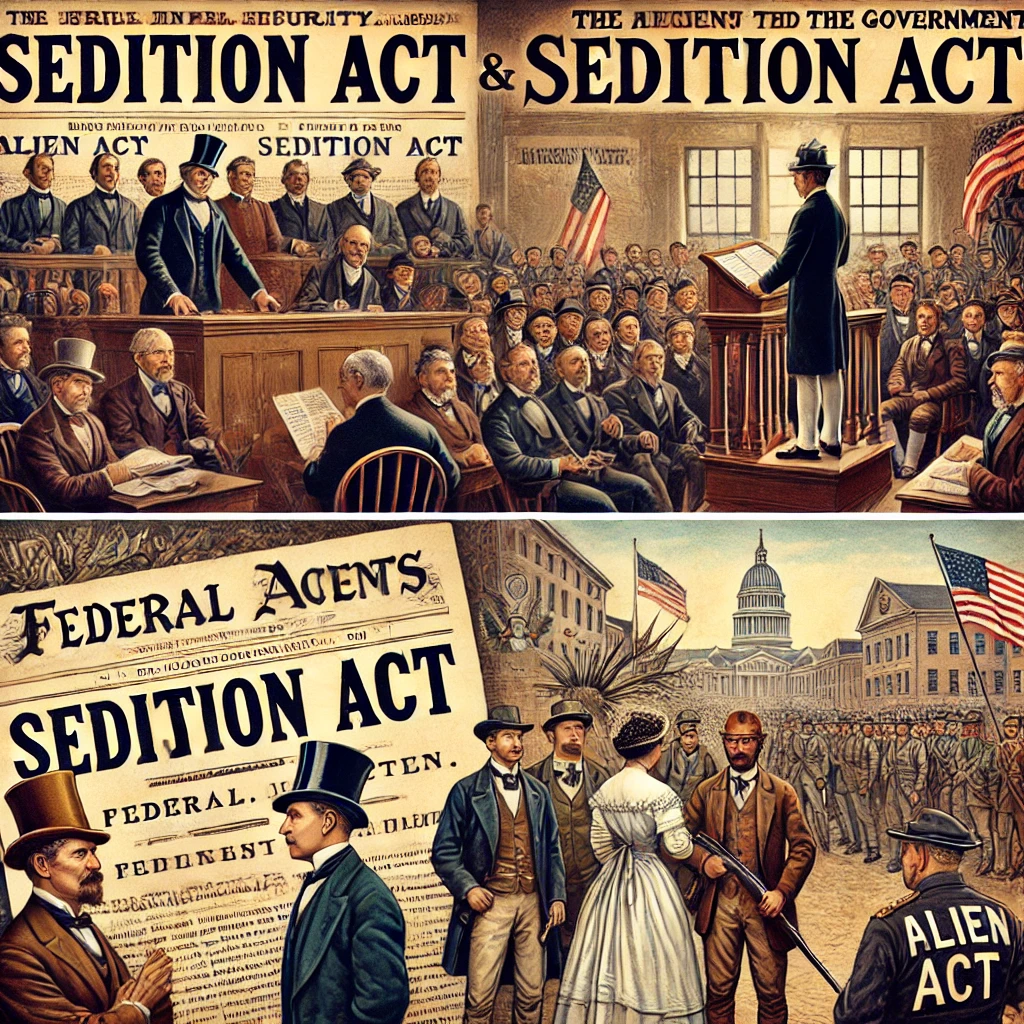
Fought entirely at sea, President John Adams and his Federalist Party used the Quasi War to increase their power at home by raising a provisional standing army, creating the Navy Department, and by passing the Alien and Sedition Acts that were used to prosecute Republican newspaper editors and other war opponents for sedition.[2]
In 1801, shortly after taking office, Thomas Jefferson sent U.S. warships to the Barbary Coast off Africa without notifying Congress. Subsequently, he declared war on a collection of pirates supported by the Tripoli government after an aggressive U.S. ship captain started firing on Tripoli’s ships.[3]
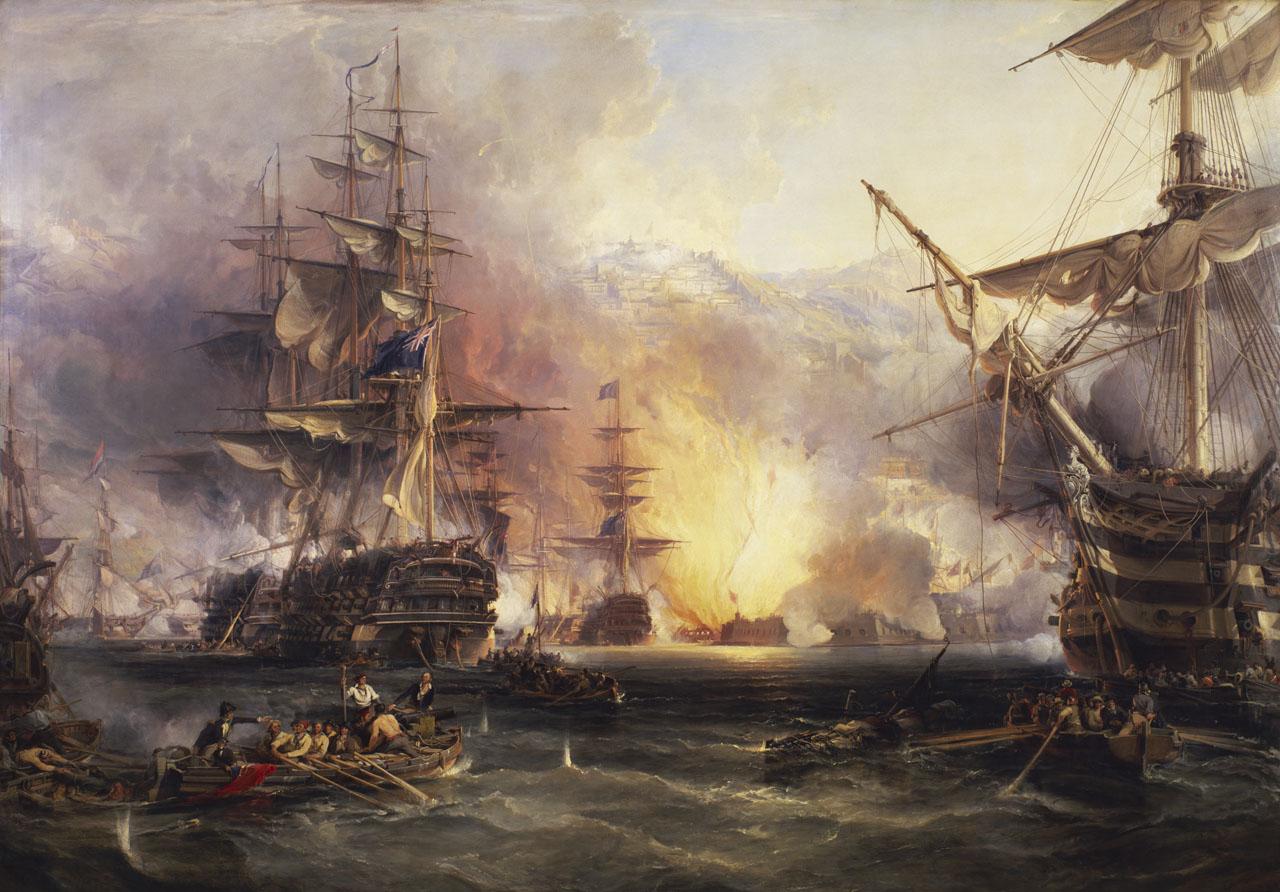
The war was framed as a great humanitarian undertaking to rid Libya of an oppressive ruler, a 19th century version of “humanitarian intervention,” though the coup plot against Yusuf Pasha failed after U.S naval forces bombarded Tripoli and Derna.
Shocked by the brutality of his military counterparts, one U.S. naval officer wrote that “they seem to talk of butchering and cutting up a Turk with as much indifference as one is accustomed to carve a turkey or chicken. [Tripoli was then part of the Turkish-run Ottoman empire]”[4]
The same thing could have been said about U.S. troops in the Indian Wars or others in the 20th and 21st century if the term Turk were replaced with the main U.S. adversaries in those wars.
“The Most Unpopular War the Country Has Ever Waged”
According to historian Samuel Eliot Morison, the War of 1812 was “the most unpopular war that the country has ever waged, not even excepting the Vietnam conflict.”[5]
Framed as a second war for independence, the Madison administration framed the war as necessary to defend the country from British attacks on U.S. ships on the high seas.
An underlying agenda, however, was to conquer resource-rich Canada from the British, which hosted only a few thousand troops there.[6]
The British responded with a counter-attack that culminated with the burning of the White House.
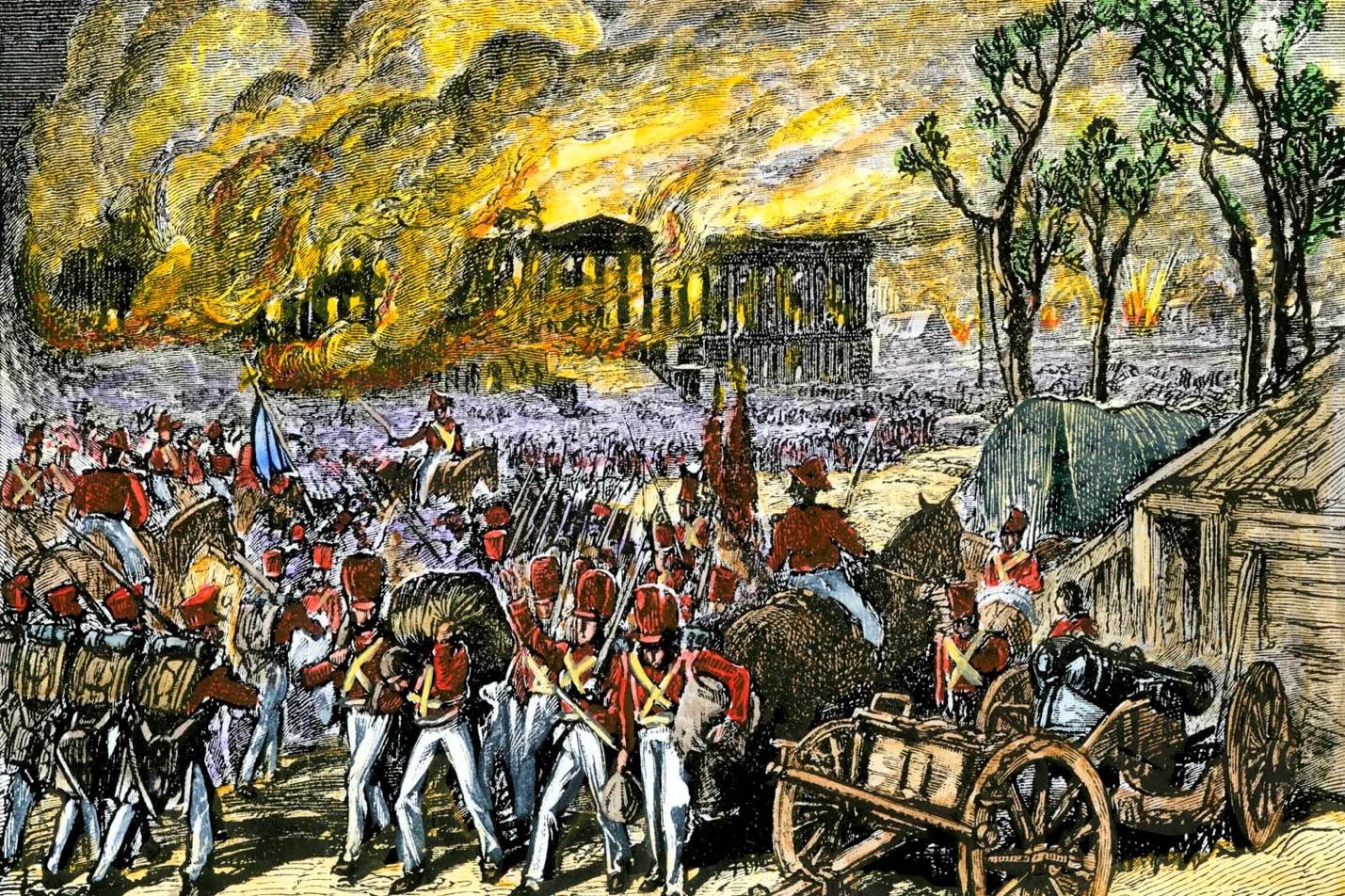
Traditional historical accounts echo the Madison administration’s propaganda and emphasize Britain’s violation of U.S. neutrality rights at sea during its conflict with France and its impressment of U.S. sailors.
Eland points out, however, that in the years before the outbreak of the war, French warships and privateers seized more American ships than did the British Navy.
British seaborne mischief toward Americans was further declining before the war broke out, with the most serious clash between U.S. and British ships having occurred in 1807.
The years 1811 and 1812 saw no major incidents and Britain had ordered its warships not to antagonize American commerce and withdrew much of its Navy from the U.S. in an attempt to avert conflict.[7]
President James Madison, in his war message to Congress, had additionally alleged British incitement of Indian attacks against U.S. settlers, though Madison provided little actual evidence of this.[8]
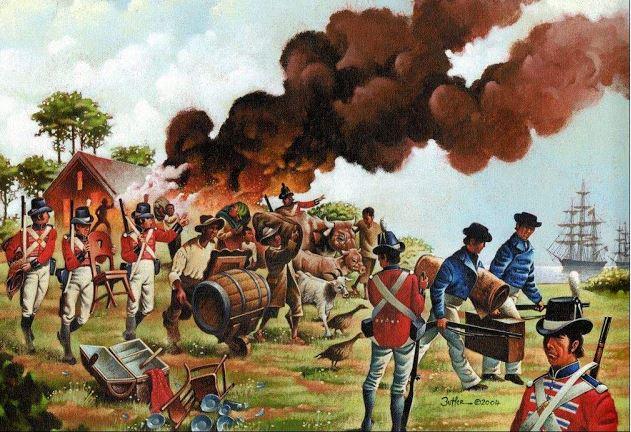
The Madison administration meanwhile used the cover of the war to recruit a mercenary army of American patriots in Florida who were promised land if they rebelled against Spanish authority.
When the Seminoles joined the war on the Spanish side, the U.S. military initiated guerrilla warfare techniques to combat them, resulting in the destruction of Seminole homes and cattle.
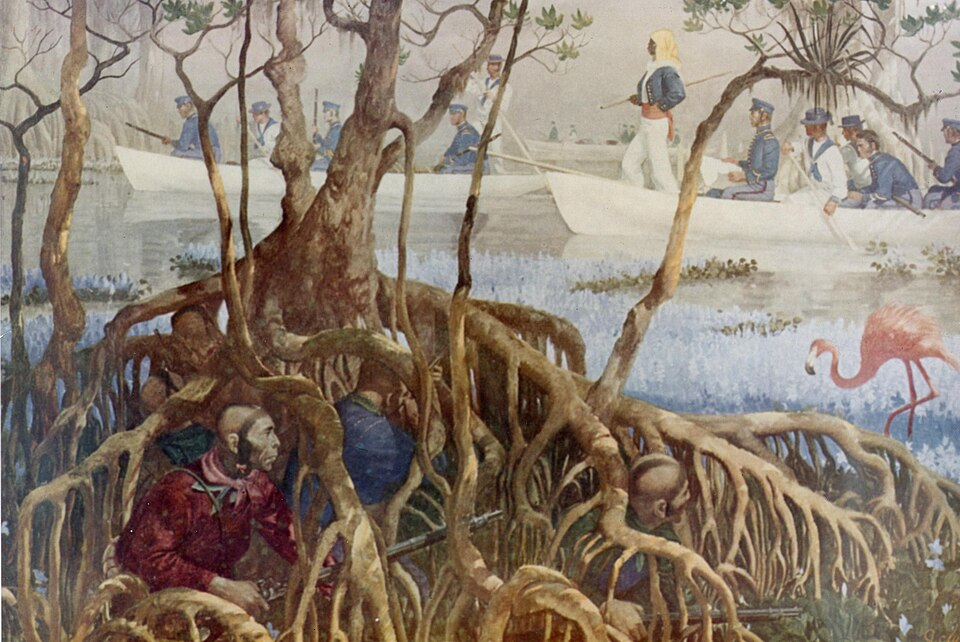
Hostilities were renewed in mid-1816, when an American force attacked Negro Fort at Prospect Bluff on the Apalachicola River in the Florida Panhandle, where free blacks and runaway slaves had established themselves at the end of the War of 1812.
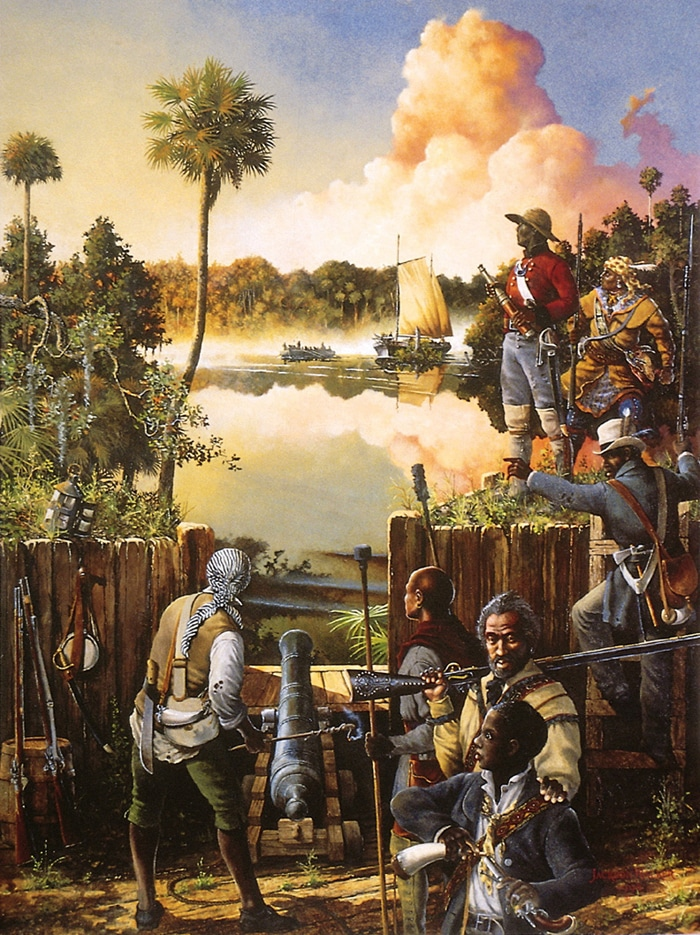
The following year, General Andrew Jackson led a force of 3,000 men against the Seminoles, burning towns, destroying crops, and killing livestock.
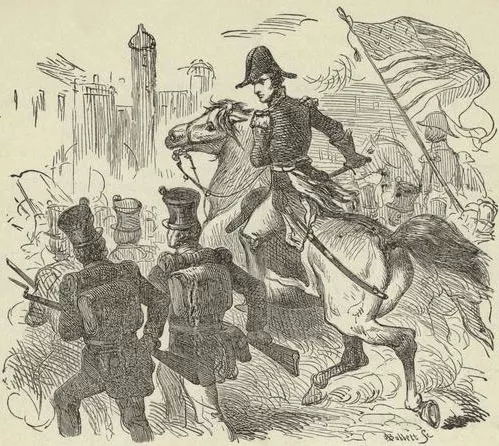
The Spanish government, convinced that it could not protect its colony, ceded Florida to the United States in the Transcontinental Treaty of 1819, which the U.S. ratified in 1821.[9]
The Mexican War
Ulysses S. Grant called the Mexican War “one of the most unjust ever waged by a stronger against a weaker nation,” and “an instance of a republic following the bad example of European monarchies in not considering justice in their desire to acquire additional territory.”[10]
Only ten months after the signing of the Treaty of Guadalupe Hidalgo ending hostilities, miners struck gold in California, which turned out to have a notable share of the world’s richest mines.[11]
To justify the war, Americans claimed that the Polk administration paid Mexico more than $15 million for more than half of Mexico. However, Polk had really used force after Mexico turned down an offer to purchase its territory.[12]
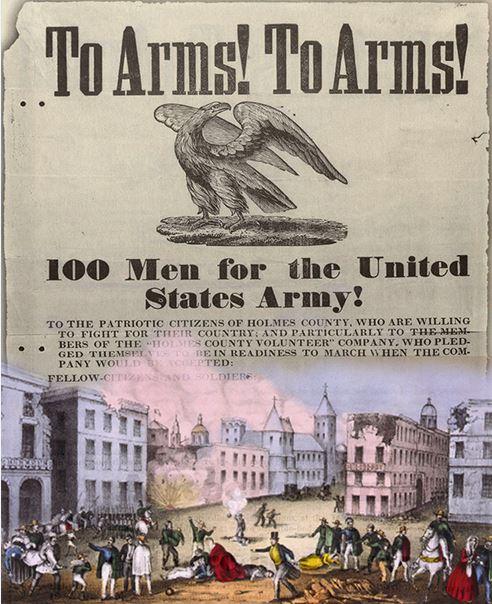
Zealously expansionist, Polk believed in the religious-infused doctrine of “Manifest Destiny” and fed off popular support for the war based on the economic benefits that it would bring.
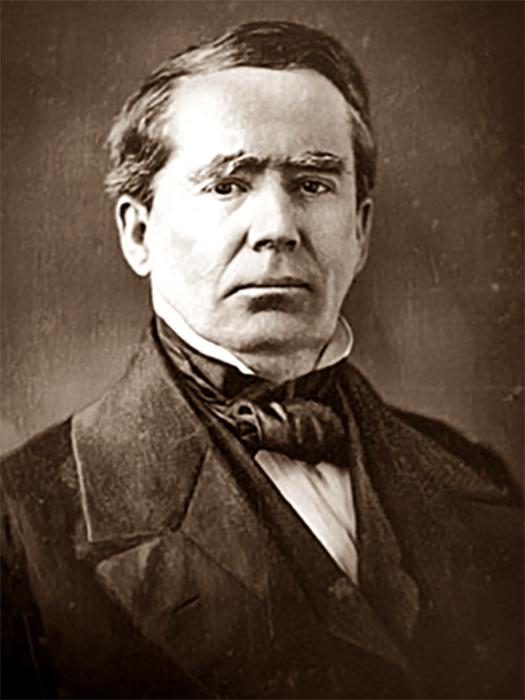
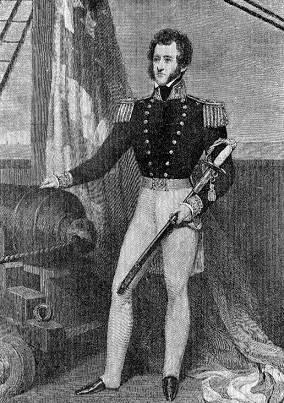
In 1844, Polk sent U.S. Commodore Robert Stockton to Texas to get Texas President Anson Jones to initiate covert activities against Mexico with the aim of provoking Mexico into an attack that would provide a pretext for a U.S. invasion of Mexico.[13]
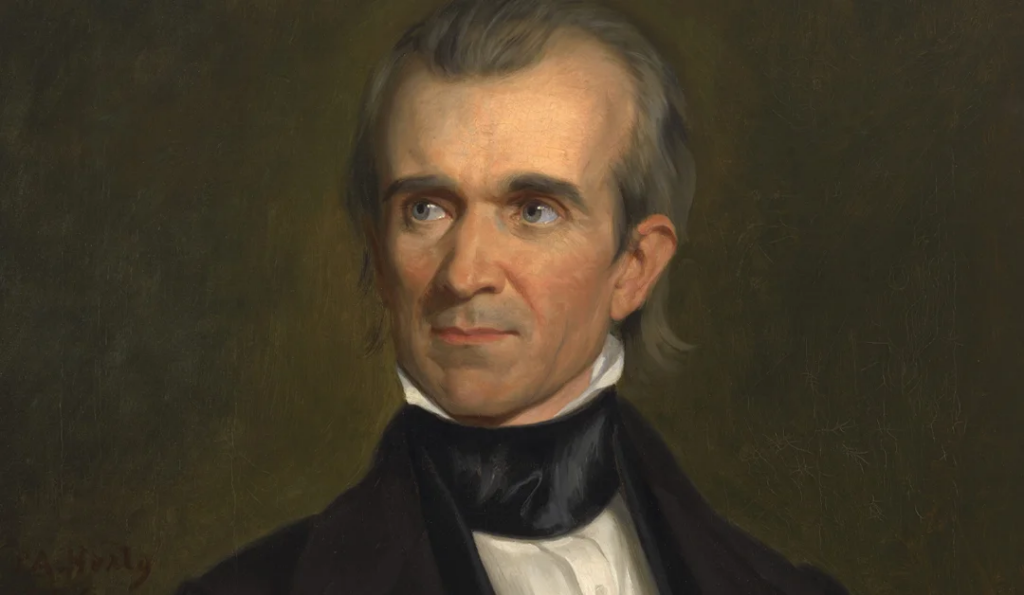
The U.S. Secretary of the Navy at this time supplied the Texas Navy with gunpowder and supplies. Polk, in turn, sent General Zachary Taylor and U.S. troops to Texas in anticipation of a Mexican attack, which was deliberately provoked.[14]
The next year, as a further provocation, Polk moved Taylor’s men into disputed territory between the Nueces and Rio Grande Rivers.
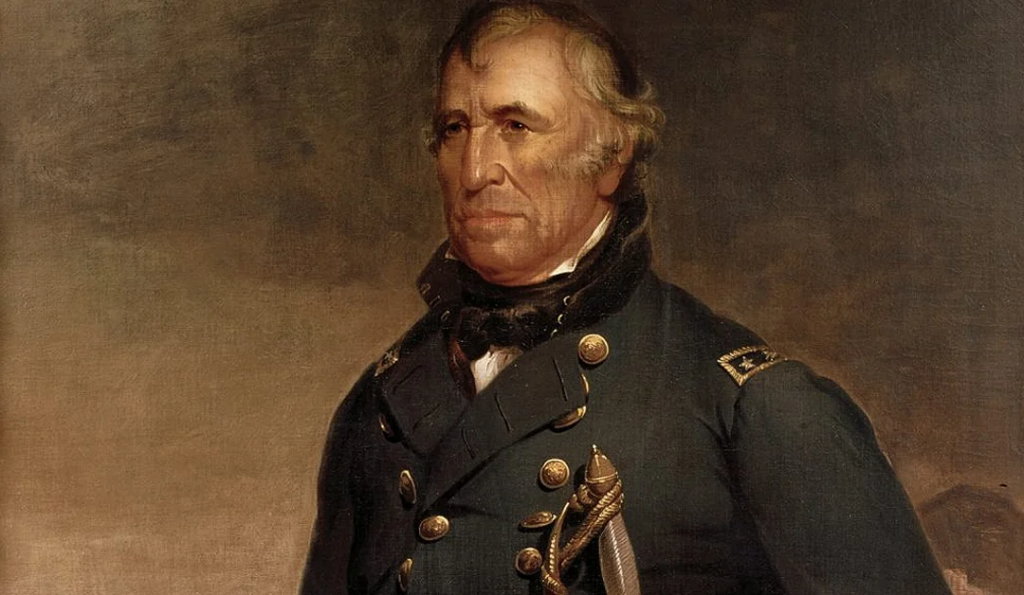
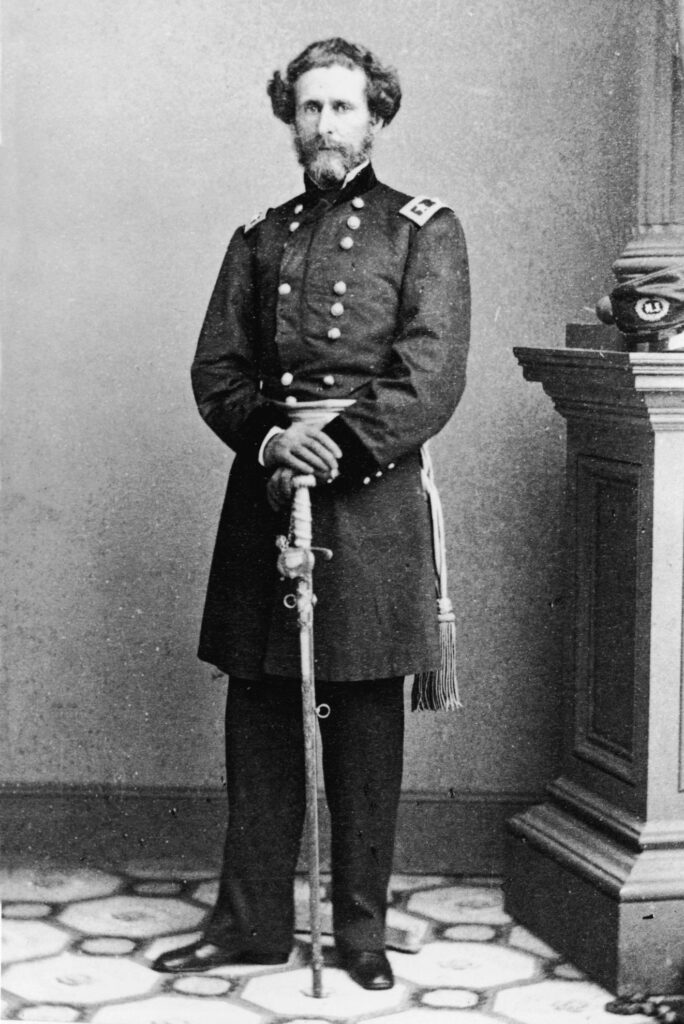
Mexico responded by declaring that it was in a “defensive war” with the U.S. Taylor’s forces added fuel to the fire by taunting and provoking Mexican troops. At the same time, John C. Fremont, a U.S. army officer, took control of a white settler rebellion against Mexico and its Indian allies in California which was another provocation.[15]
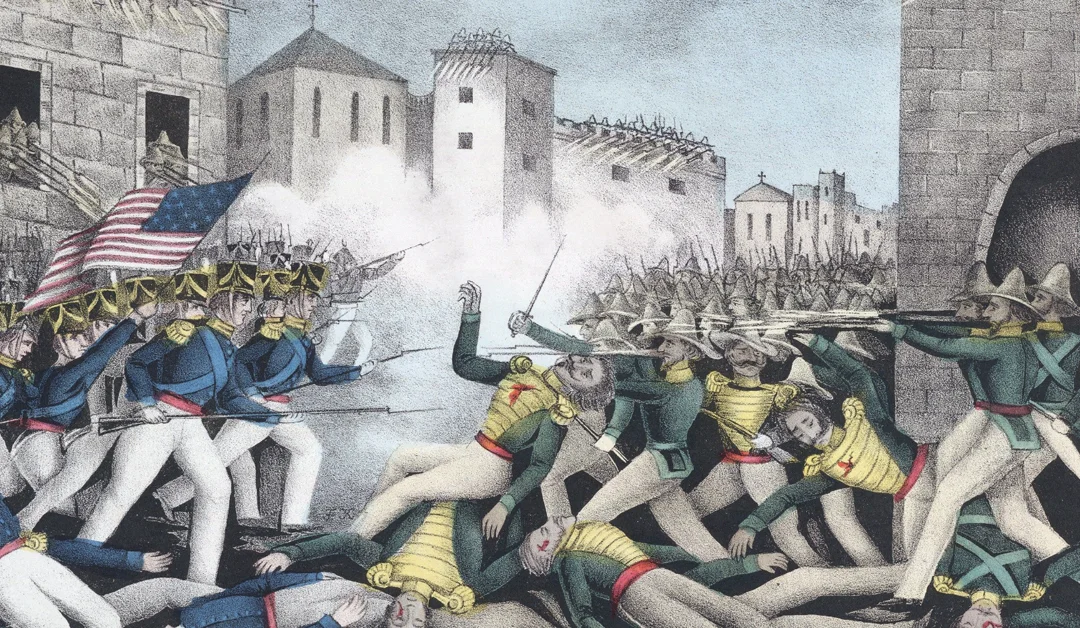
Additionally, the U.S. Army blockaded the port of Matamoros on the Rio Grande River to try to starve 6,000 Mexican troops there.[16]
When Mexico responded by firing at U.S. troops, Polk sent a war bill to Congress in May 1846, claiming that Mexico had invaded U.S territory, essentially forcing Congress’s hand.[17]
The Civil War
Eland considers the Civil War—which cost at least 750,000 lives—to be another avoidable war. He points out that slavery ended peacefully in most other countries and contends that it would have been far less costly in terms of human misery and money if the federal government had adopted a policy of gradual or compensated emancipation to end slavery rather than going to war.[18]
According to Eland, Abraham Lincoln, though deified as the greatest American president, behaved uncompromisingly toward the Confederate states, and helped provoke the Confederate attack at Fort Sumter in South Carolina, which triggered his invasion of the South.[19]
Lincoln knew that, by sending a military supply ship to Fort Sumter, it would engender a Confederate response, since it was surrounded by South Carolina artillerymen and this was only one of two forts in the South the Confederates did not control.[20]
Lincoln later confided to his friend Orville Browning: “The plan succeeded. They attacked Sumter—it fell, and this did more service than it otherwise would.”[21]
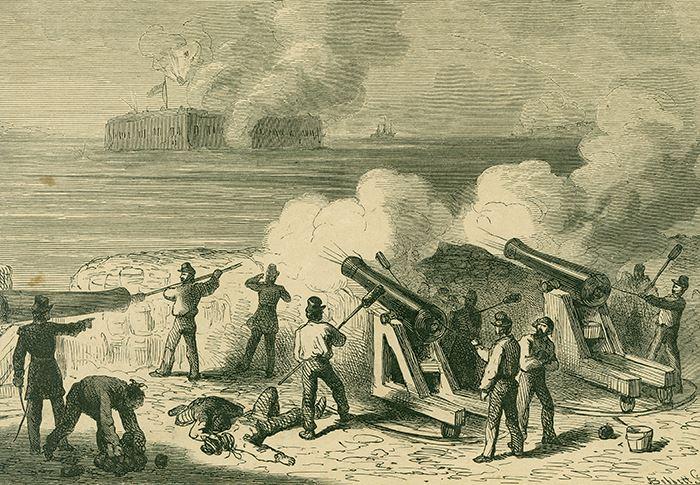
After South Carolinian forces surrendered at Fort Sumter, Lincoln escalated to a full-blown invasion of the South that adopted scorched-earth tactics, which violated international laws of war.
Eland notes that Lincoln even intervened in the court martial of a colonel convicted of atrocities and promoted him to brigadier general.[22]
According to Eland, the Confederacy could have been defeated in six months, though Lincoln’s mismanagement of the war ensured that it took four years.
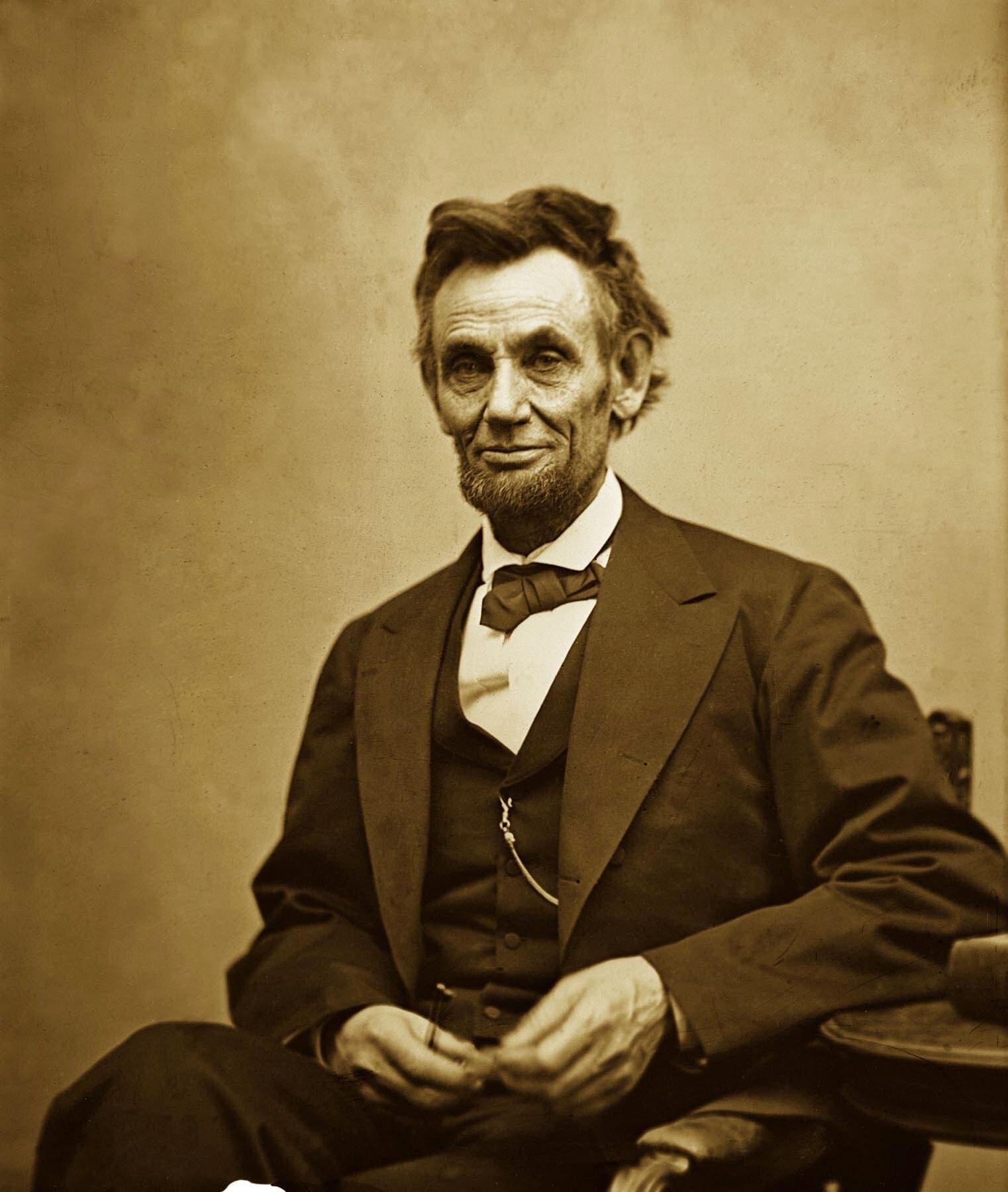
During that time, Lincoln behaved like a tyrant, arresting dissenters without due process after introducing mass conscription and declaring martial law, shutting down opposition newspapers, and imprisoning their editors and owners and censoring all telegraphic communications.[23]
Remember the Maine and Lusitania
The U.S. war in the Philippines—which represented what Eland terms America’s “coming out party” as a world power—was rationalized under blatantly false pretexts: the sinking of the USS Maine by Spain when, in fact, the ship was destroyed by an internal fire. The U.S. war in the Philippines was initiated on February 4, 1899, less than two months after Spain ceded the Philippines to the U.S. after signing the Treaty of Paris on December 10, 1898.
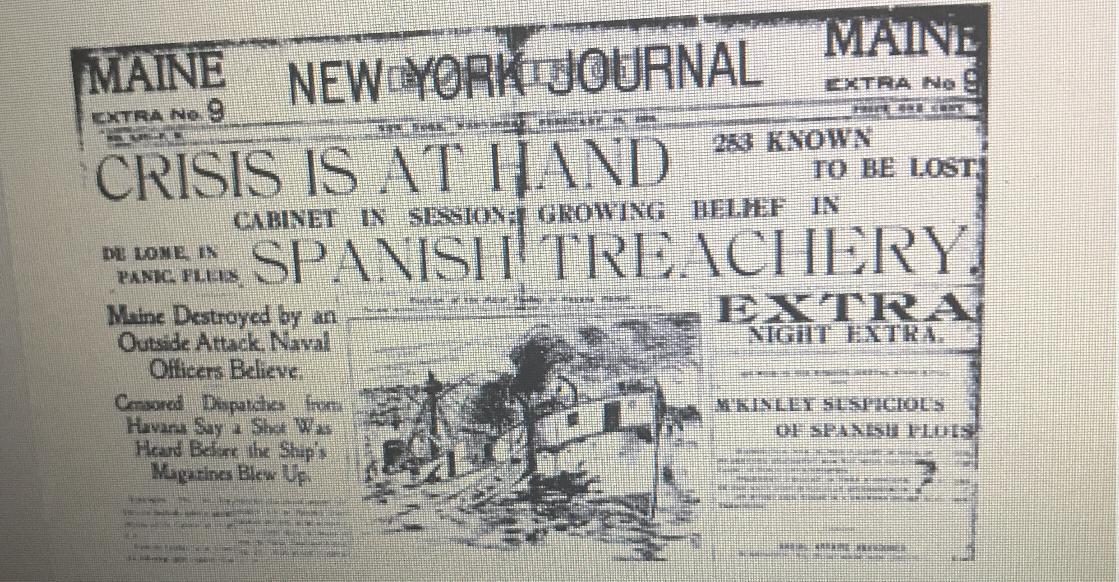
Domestic political pressures and business interests had compelled President William McKinley to support an aggressive foreign policy, with the Philippines seen as a key stepping stone for accessing the China market.
The USS Maine incident foreshadowed the 1915 sinking of the Lusitania as part of a scheme by Great Britain to get the U.S. into World War I.
The scheme involved planting explosives on the Lusitania and getting Winston Churchill, head of the British Navy as First Lord of the Admiralty, to delay sending rescue boats to maximize the number of civilian casualties in order to intensify public anger at Germany, which was blamed for sinking the ship.
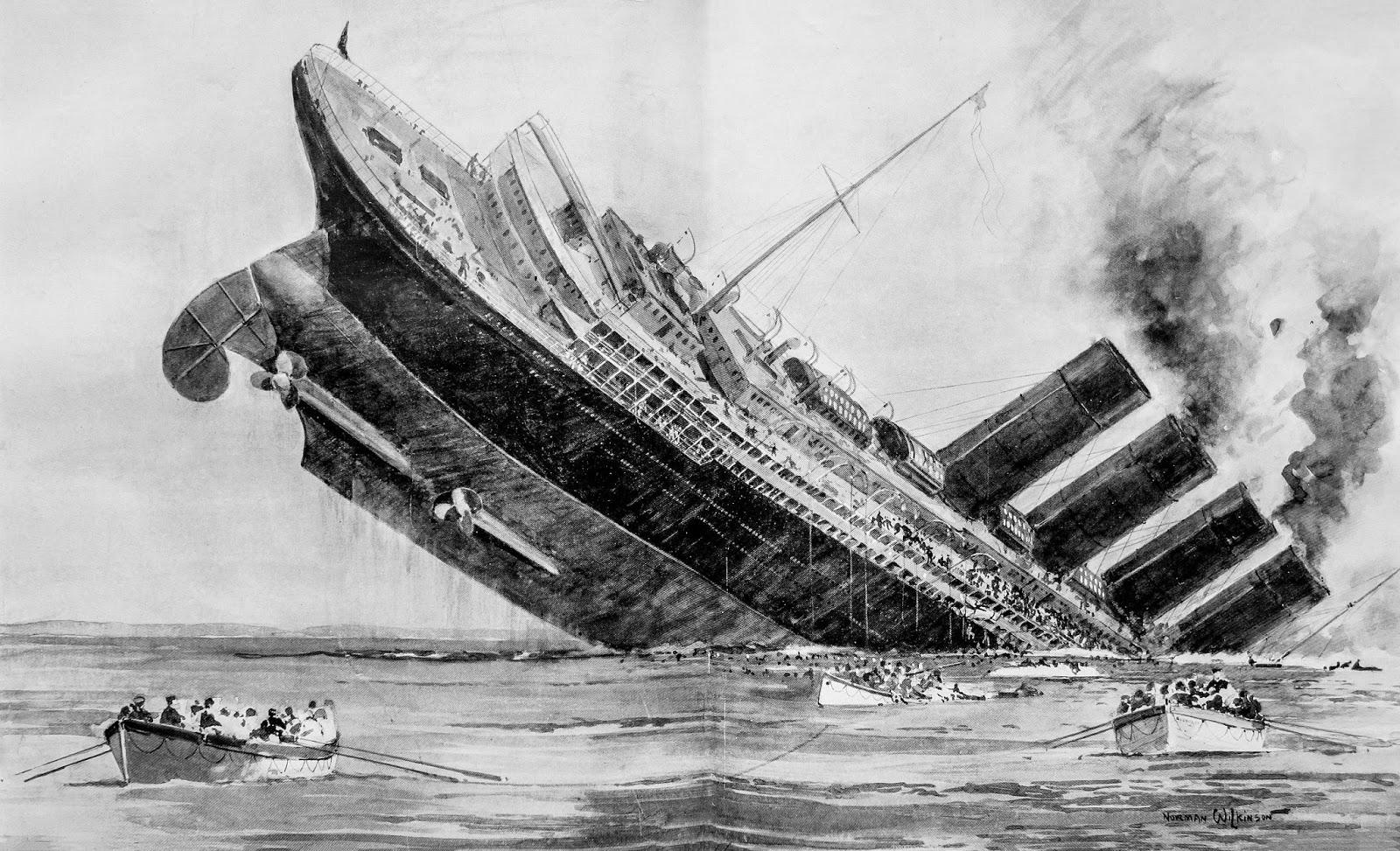
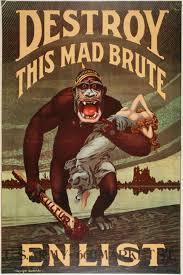
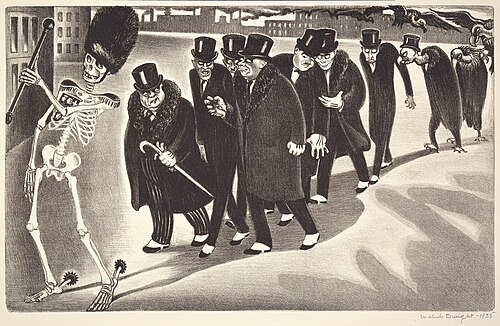
Much of the U.S. public had not wanted the U.S. to get involved in a war—which at its core resulted from a bunch of capitalists fighting over economic plunder and territory (mostly in Africa and the Middle East).
With Wall Street interests seeing an opportunity to expand corporate profits, the Wilson administration enacted a large scale propaganda offensive that helped shift public opinion while persecuting war dissenters under the Espionage Act.
Corporate war profiteering in the Great War, which resulted in the death of nearly 100,000 Americans, was exposed in the 1934 Nye Committee hearings, which helped spawn the America First movement, the largest antiwar organization in U.S. history.
World War II—Myth of Another Defensive War
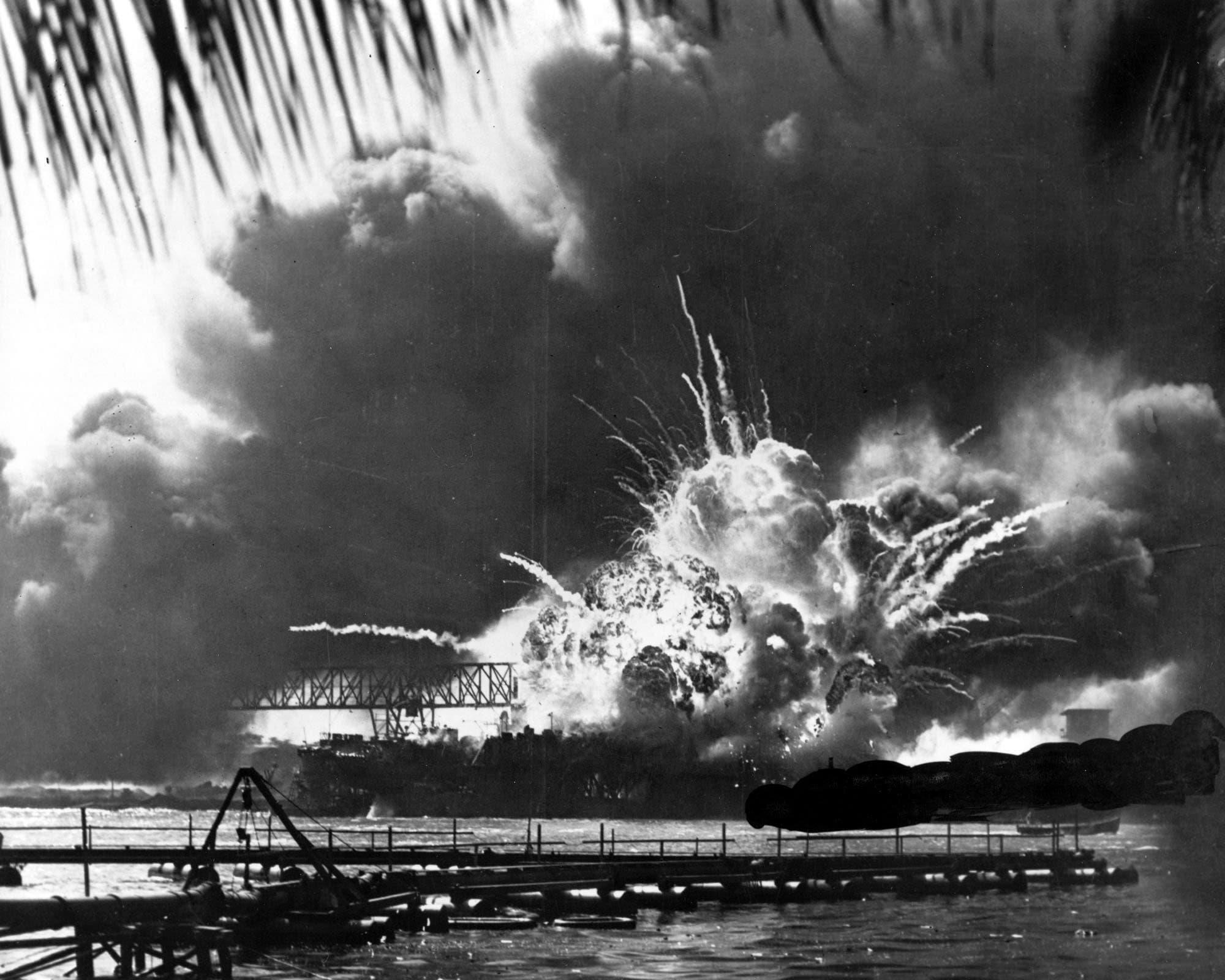
Like the Civil War, World War II is widely regarded as a good war in U.S. history that the U.S. was compelled to enter after the Japanese “sneak” attack on Pearl Harbor.
As I have detailed elsewhere, the FDR administration, in fact, deliberately provoked the Japanese into attacking Pearl Harbor and withheld advance information of the attack from naval commanders in Hawaii who were scapegoated for the supposed “intelligence failure” that resulted in the deaths of approximately 2,400 Americans.
Eland’s account rightly emphasizes U.S. provocations directed against Japan and Germany, including in the latter case an undeclared naval war in the Atlantic where U.S. ships goaded Germany into carrying out attacks that could provide a pretext for going to war.
Eland also emphasizes FDR’s rejection of Japanese diplomatic overtures that could have avoided the Pacific War.[24] The U.S wanted war precisely because of its intent to expand its military presence throughout Southeast Asia, a mineral-rich region U.S policy-makers wanted to control in order to achieve global domination.[25]
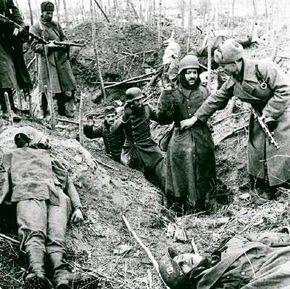
In Europe, Eland emphasizes that U.S. intervention in the war was unnecessary to defeat Hitler as the Soviet Union dealt decisive blows to his armies on the Eastern Front.
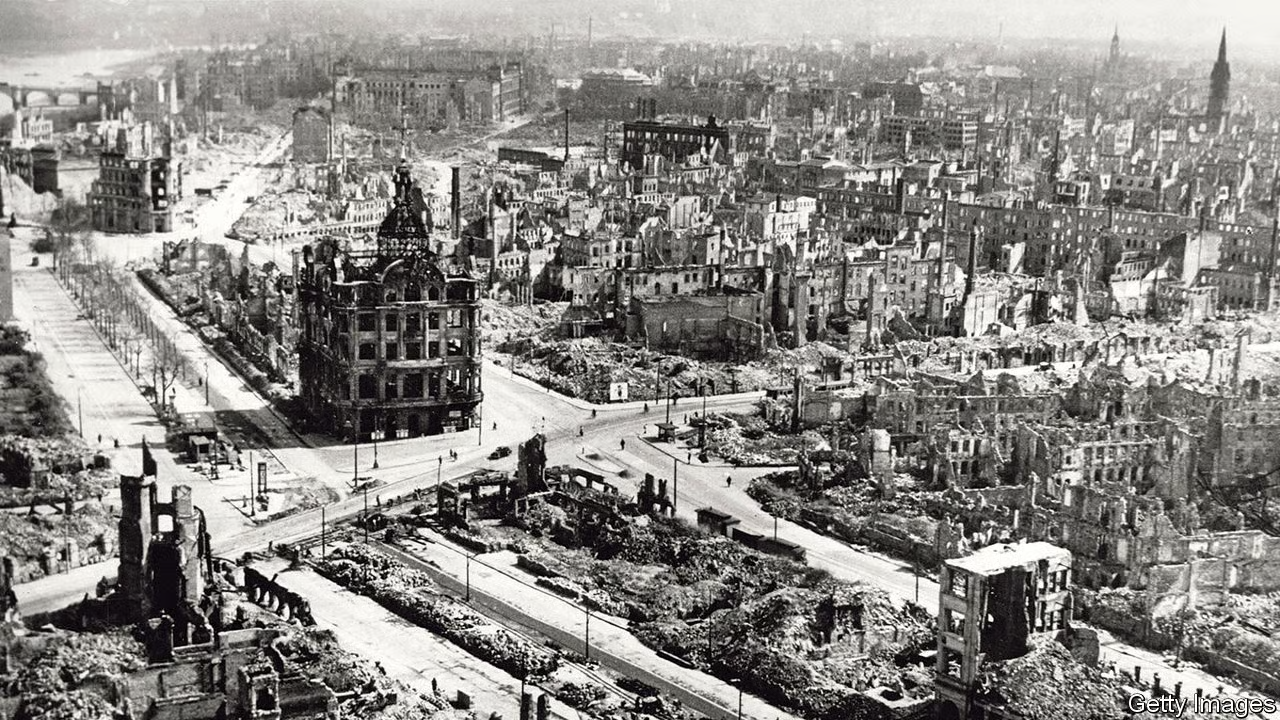
The atrocious American war conduct in Europe was epitomized by the Dresden and Cologne firebombing campaigns where thousands of civilians were killed.
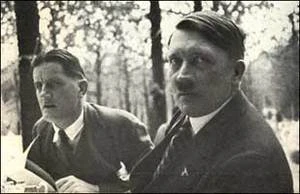
While German chancellor Adolph Hitler was clearly the aggressor in World War II, having invaded Australia, Czechoslovakia and Poland, Eland and other revisionist historians point out that Wall Street bankers helped finance Hitler’s rise to power, which was supported by large U.S. corporations whose CEOs admired Hitler’s repression of the labor movement and German left.[26]
Evidence has also come to light showing that U.S. and British intelligence agents helped Hitler’s rise to power because they had wanted a German leader who would invade and destroy the Soviet Union and thus enable the perpetuation of Anglo-American world power.
Korean War
The Korean War was an entirely avoidable war that resulted in a huge loss of life and the tragic long-term division of the Koreas.
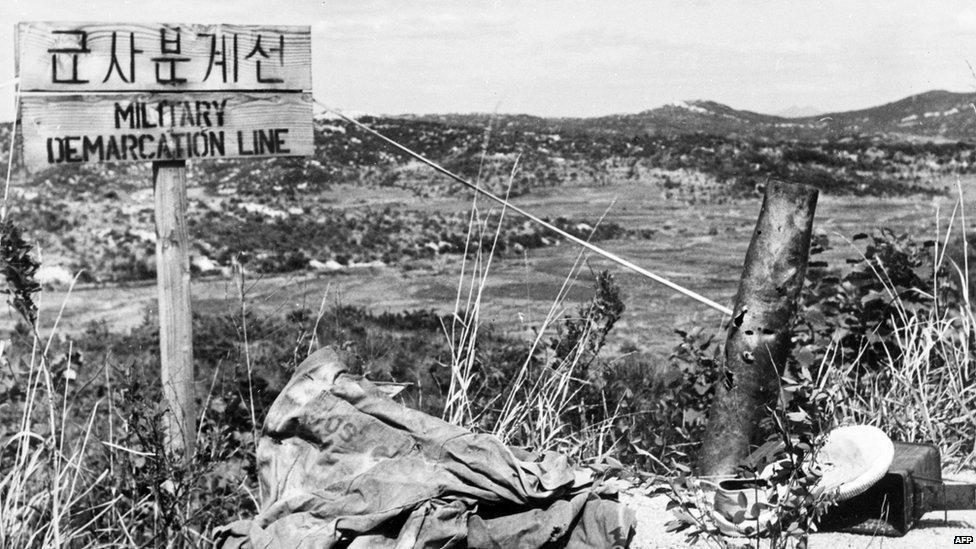
Conventional histories blame North Korea for carrying out aggression against the south across a UN-demarcated border. Eland, however, follows a well-grounded revisionist analysis that shows how the U.S. arbitrarily divided the country at the 38th parallel after World War II and violated Korean sovereignty by financing the South Korean army in an attempt to create an anti-communist bulwark in the south.
Led by Japanese colonial collaborators, the South Korean regime under Syngman Rhee was beset by rebellions that were brutally suppressed, whereas the northern regime led by Kim Il-sung was considered more authentically nationalist.[27]
My book Modernizing Repression shows how South Korea, with U.S. backing, directly triggered the Korean War by supporting covert operations into North Korea in the late 1940s using CIA-trained police commandos that were designed to provoke counter-attacks.
Evidence has also come to light showing that South Korea struck the first blow on June 25, 1950, the day the war officially broke out—though most history texts still claim that South Korea responded to a North Korean invasion.[28]
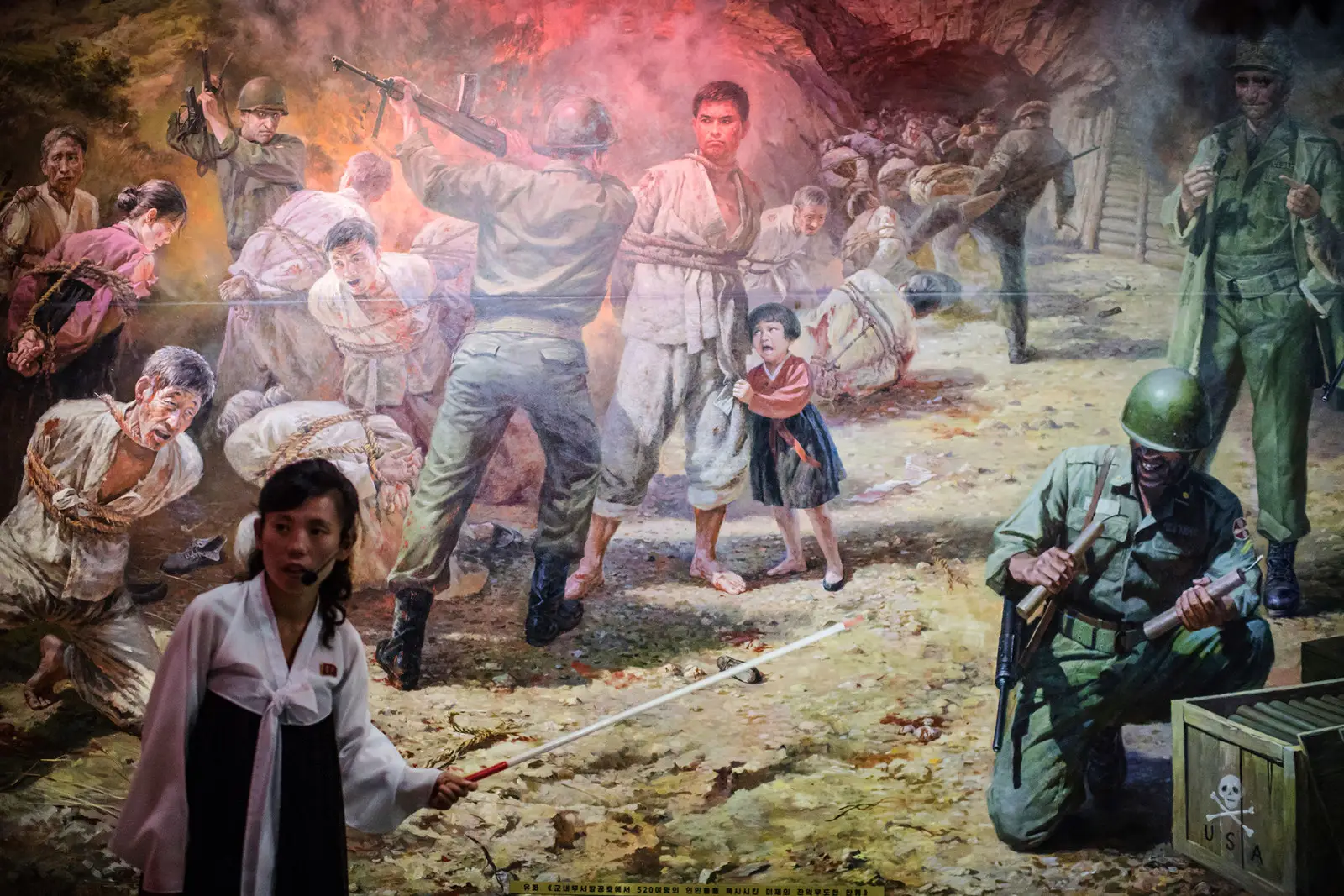
U.S. conduct in the war once it started was atrocious, with U.S. troops committing systemic atrocities and U.S. fighter pilots leveling much of North Korea.
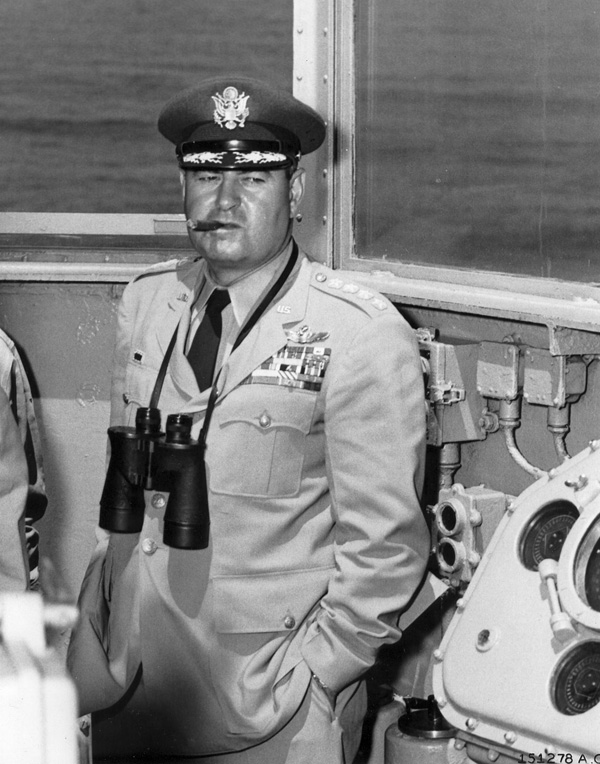
General Curtis LeMay, who masterminded the Tokyo firebombing just five years earlier, said in an oral history for Princeton University: “Over a period of three years or so, we burned down every town in North Korea and South Korea too.”
Cold War
The Korean War was the first deadly conflict of the Cold War, which Eland shows was provoked by the Truman administration through its violation of the Yalta agreements that had been signed by the FDR administration.
The Yalta agreements had recognized a Soviet security buffer in Eastern Europe in the aftermath of the Nazi invasion of World War II.
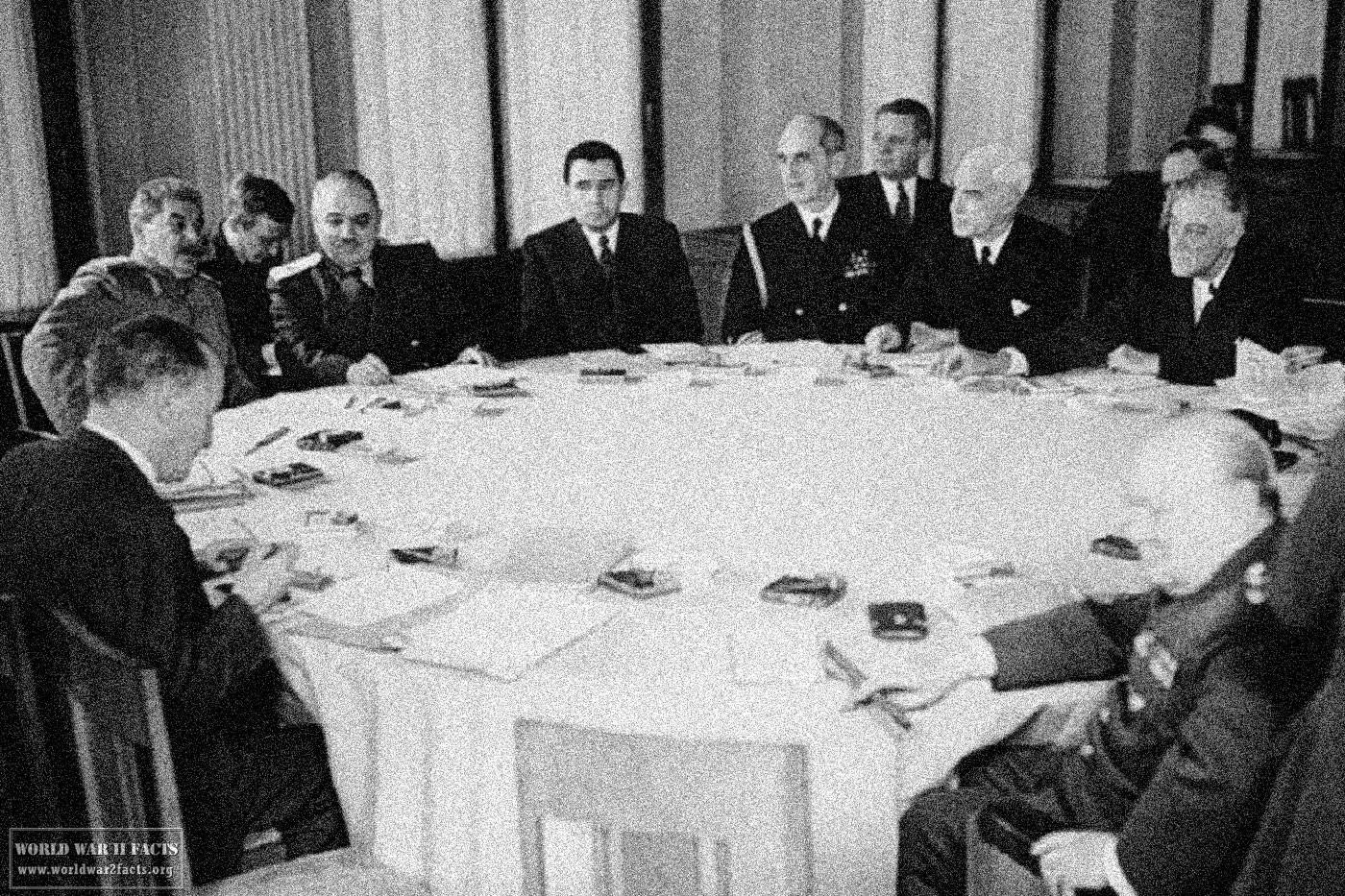
Eland affirms a scholarly consensus that, however brutal Soviet leader Joseph Stalin may have been domestically, he was cautious and pragmatic in foreign affairs.
The CIA itself acknowledged that the Soviets were intent on rebuilding their country after World War II and not starting World War III.[29]
The Truman administration provoked conflict by sending a naval task force to Turkey in an attempt to intimidate the Soviets from taking control over the Turkish straits, which Nazi warships had passed through during World War II.
Truman then began arming the Turks and Greeks under the Truman Doctrine, even though Stalin abided by his promise not to interfere in Greece’s civil war.
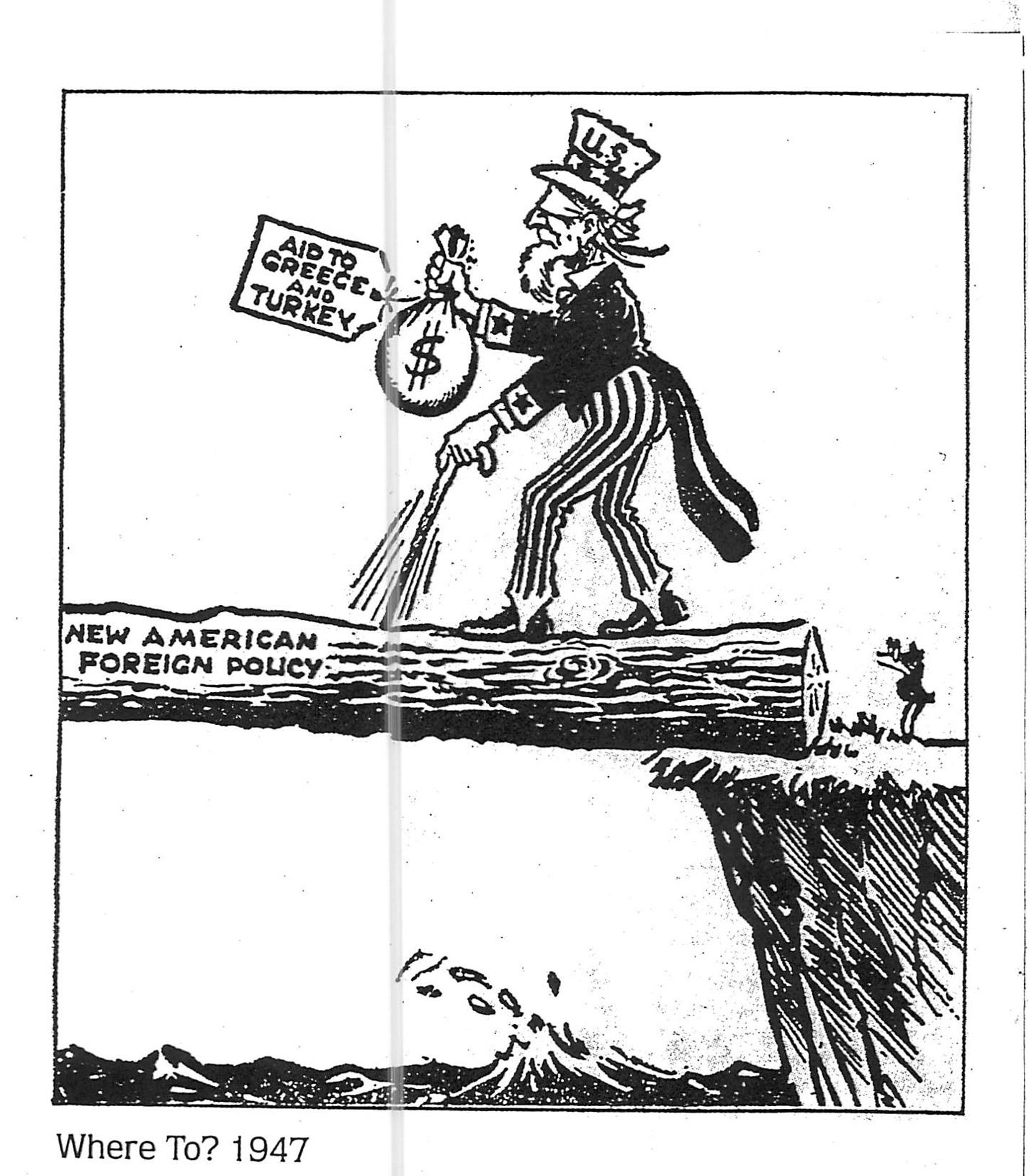
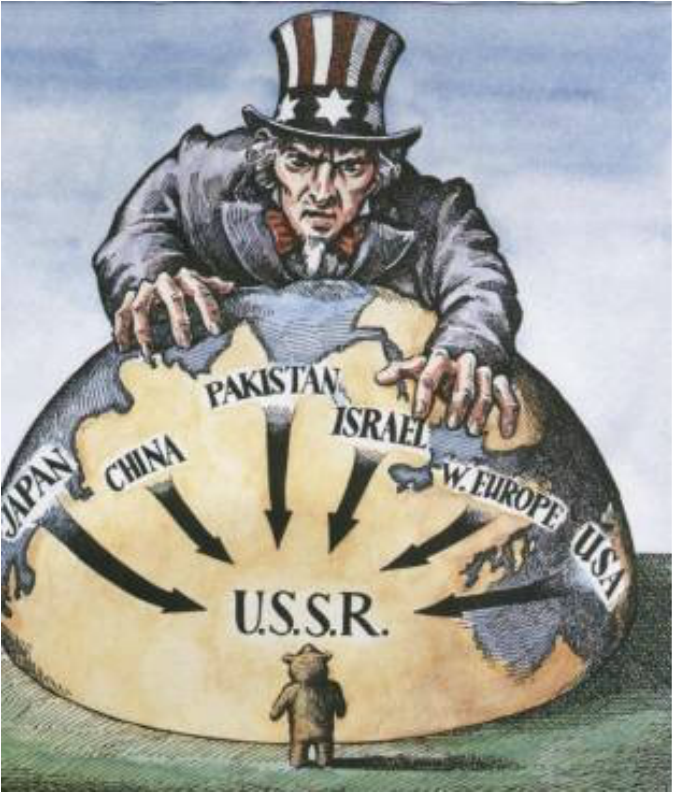
The U.S. containment doctrine was used by subsequent administrations to try to suppress revolutionary movements around the world that threatened U.S. business interests and plans for global domination.[30]
Vietnam
The Vietnam War was a blatant case of U.S. aggression exposed in the Pentagon Papers.
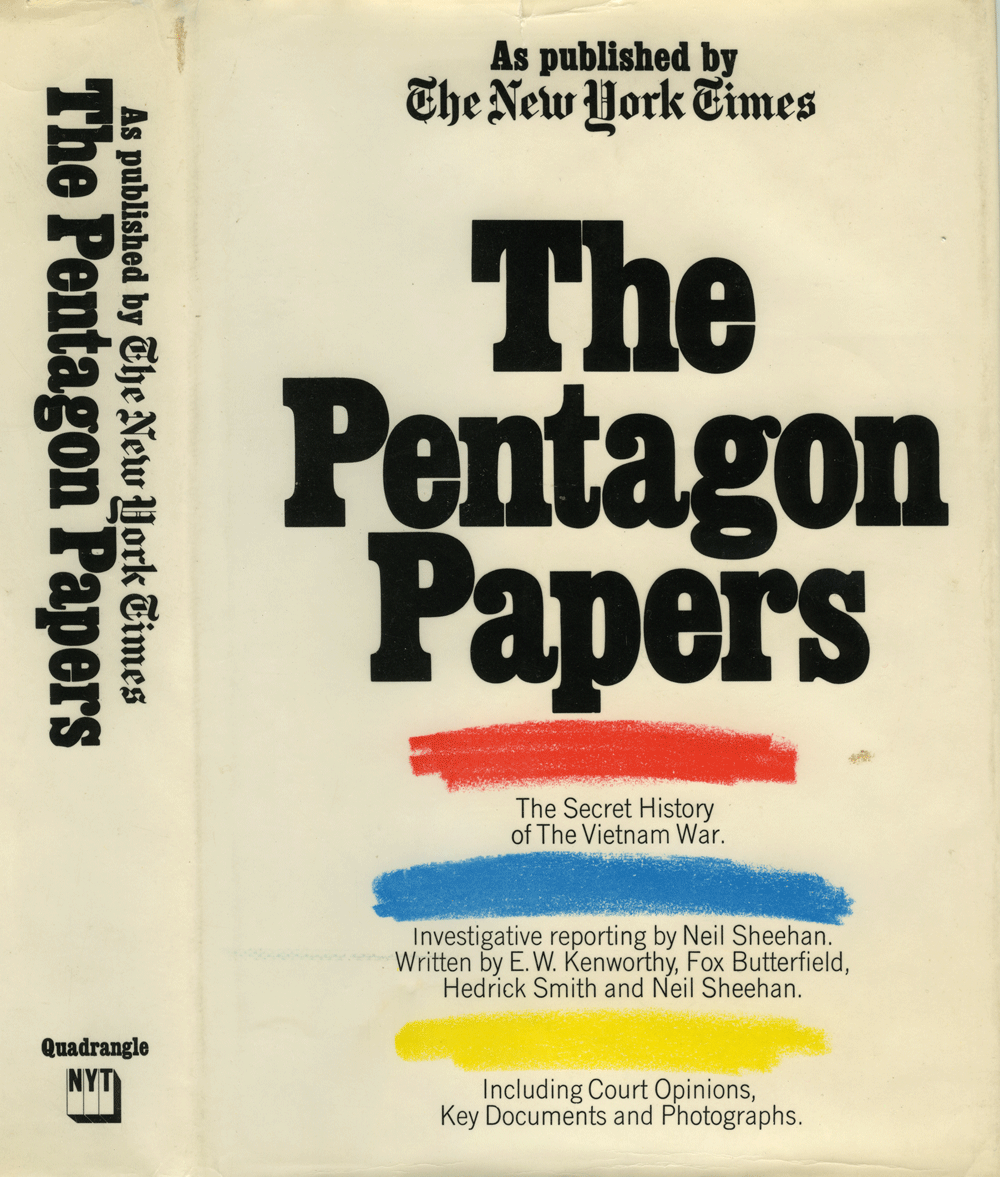
The latter disclosed years of covert CIA intervention in South Vietnam in an attempt to engineer a client regime after the U.S. refused to abide by the 1954 Geneva Conventions that called for elections to unify the two Vietnams in 1956.
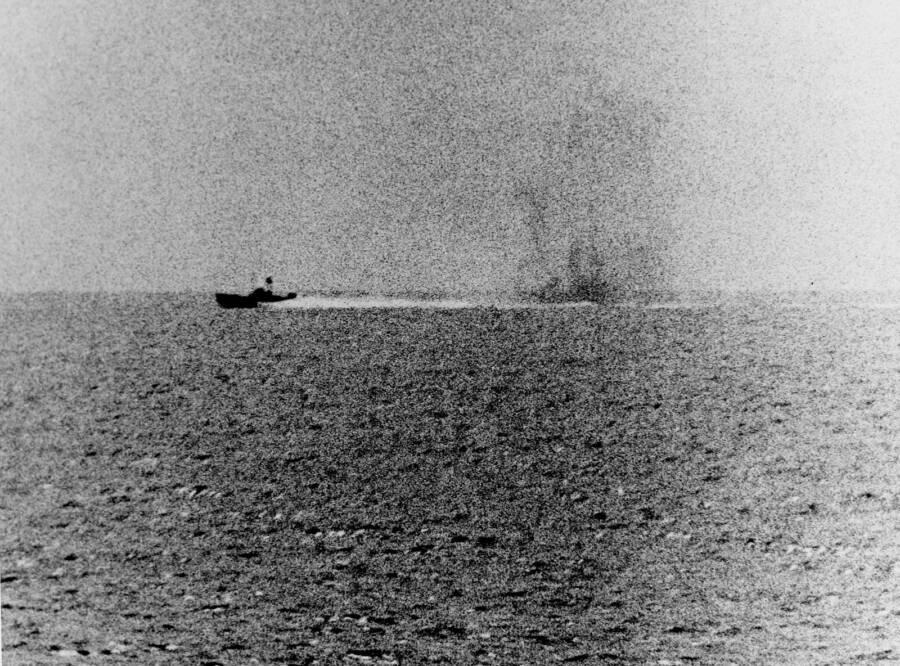
The Pentagon Papers also exposed the creation of a false-flag incident at the Gulf of Tonkin where it was alleged that U.S. ships were attacked by North Vietnam when those attacks were deliberately provoked and on a smaller scale than was reported to the U.S. public.
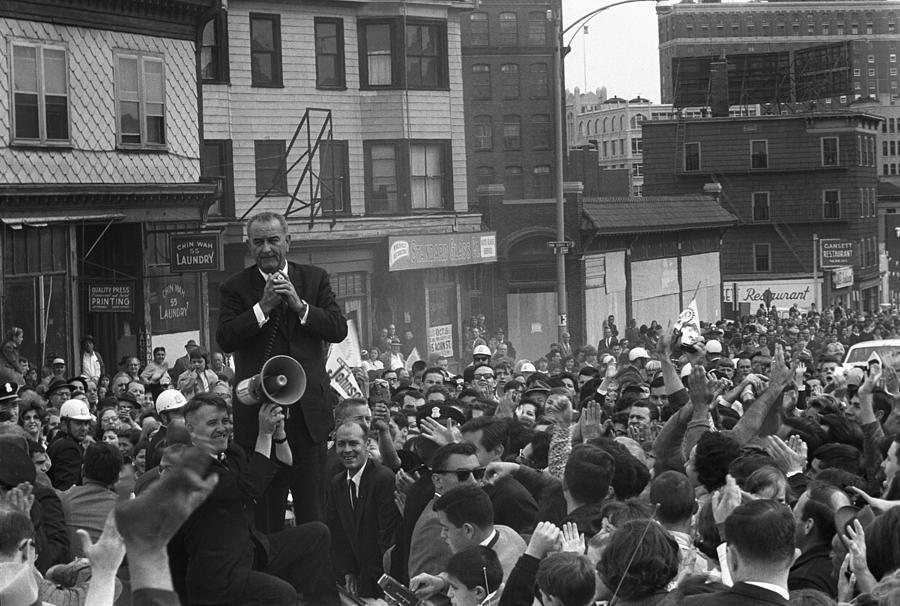
Like Wilson before him, LBJ deceived the public during the 1964 presidential election campaign when he had disingenuously assured Americans that he would “not send American boys nine or ten thousand miles away from home to do what Asian boys ought to be doing themselves.”[31]
What they were doing was trying to preserve a U.S. client government in South Vietnam that would allow for U.S. military bases and U.S. economic penetration while supplying raw materials to Japan, which the U.S. was intent on building up as a bulwark against Communist China.
Patterns of History Keep Repeating
Eland ends his account by discussing the domestic pressures and deceits underlying the U.S. interventions in the first and second Persian Gulf Wars and the so-called Global War on Terror.
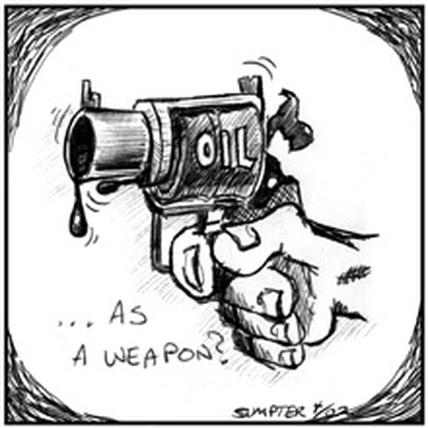
One of his most frank quotes comes from Bob Dole, the Republican Party’s presidential candidate in 1996, who stated during the first Persian Gulf War, “We are in the Middle East for three letters—oil. O-I-L. We are there because we do not want Saddam Hussein to get his hands around our throats and jack up the price of oil, which would have a severe impact on the economy.”[32]
After Saddam Hussein, the U.S. had to take out Muammar Qaddafi and Bashar al-Assad for similar reasons—and because those leaders were also nationalists who represented a potential threat to U.S. and Israeli regional hegemony.
In both Libya and Syria, the U.S. aligned with Islamic fundamentalist groups in contradiction to the rhetoric of the War on Terror, which was a fraud.
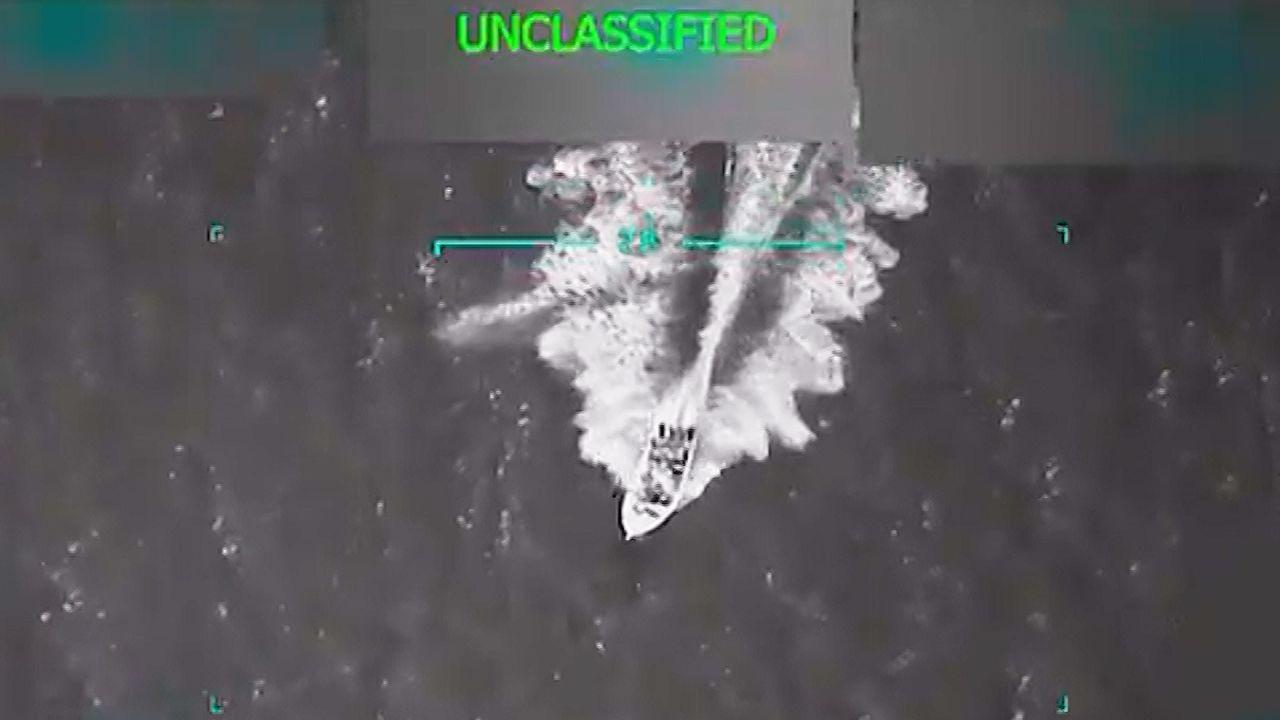
In fall 2025, the Trump administration began engaging in open aggression on international waters by attacking Venezuelan and Trinidadian fishing boats, which Trump claimed were carrying drugs.
These attacks were being used to create a pretext for a long-planned military invasion of Venezuela designed to unseat the oil-rich country’s socialist government.
As abhorrent a character as Trump may be, his behavior fits the norm in U.S. politics, where provoking wars with other countries is par for the course.
Eland’s book details that, as much as the U.S. public has been deceived, it has often been public pressure driving U.S leaders’ aggressive action.
This pressure stems from the existence of a white supremacist frontier mentality by which other peoples are considered to be morally inferior and easily conquerable, and by which the stealing of natural resources is considered legitimate.
While portions of society may have evolved, the nostalgia for the past invoked by the MAGA movement is not encouraging—even if predictable.
The patterns of the past are likely to keep repeating until American imperial overreach becomes too big and the country can no longer afford to wage endless wars.
The latter appears to have started to happen, with the overwhelming majority of the U.S. public opposing the Iran War in large part because of its negative effects on the U.S. economy.
Ivan Eland, Domestic Causes of American Wars: Economic & Political Triggers (Atlanta: Clarity Press, 2025), 12. ↑
Eland, Domestic Causes of American Wars, 13. When Thomas Jefferson replaced Adams as president, he preserved the Alien and Sedition laws and encouraged Republican governors to prosecute Federalist newspaper editors. ↑
Eland, Domestic Causes of American Wars, 16, 17. ↑
Abigail G. Mullen, To Fix a National Character: The United States in the First Barbary War, 1800-1805 (Baltimore, MD: The Johns Hopkins University Press, 2024), 138, 166; Kola Folayan, “Tripoli and the War with the U.S.A., 1801-5” The Journal of African History, 13, 2 (1972), 261-70. Folayan shows how other Muslim nations, such as Algeria and Morocco, supported Libya in a war against what were perceived as “infidel invaders” against a Muslim state. ↑
Eland, Domestic Causes of American Wars, 21. ↑
U.S. forces occupied the Upper Canada capital of York, modern-day Toronto, for six days and torched parliament buildings there. ↑
Eland, Domestic Causes of American Wars, 23, 24, 25. For a critical view of the war, see also “The War of 1812,” United States Foreign Policy, History and Resource Guide. ↑
Eland, Domestic Causes of American Wars, 27. Some 15,000 Americans were killed during the War of 1812, along with 8,600 Britons and Canadians and an estimated 13,000 Indigenous people. ↑
See “The War of 1812,” U.S. Foreign Policy History and Resource Guide. Historian J. C. A. Stagg concluded that “the East Florida revolution of 1812 was an embarrassing and shameful moment in the history of early American foreign policy. . . . It was shameful because its motivating force was the desire to seize a territory to which the United States had only a disputable claim by the illegal subversion of the Spanish colonial regime. In gratifying that desire, the administration of James Madison made a mockery of the idealism that justified its foreign policy, while in East Florida itself the American-backed revolutionaries inflicted widespread devastation on the local population.” ↑
Eland, Domestic Causes of American Wars, 53. Grant’s views were echoed by Whig leader Henry Clay, who told a gathering in Kentucky in November 1847 that “This is no war of defense but one unnecessary and of offensive aggression. It is Mexico that is defending her fire-sides, her castles and her altars, not we.” Clay’s son Henry Jr. was killed in the Battle of Buena Vista in February 1847. ↑
Eland, Domestic Causes of American Wars, 39. ↑
Idem. ↑
Eland, Domestic Causes of American Wars, 44. ↑
Idem. ↑
Eland, Domestic Causes of American Wars, 47. ↑
Eland, Domestic Causes of American Wars, 46. Neither the provocative troop deployments or blockade had congressional approval. ↑
Eland, Domestic Causes of American Wars, 46. ↑
Eland also suggests that, if the Civil War had been avoided, the South would not have been so bitter about the North’s efforts to impose Reconstruction and to establish basic African-American civil rights afterwards. As such in his assessment, it may not have advanced the Jim Crow system that pushed African-Americans back into a kind of slavery. ↑
Eland, Domestic Causes of American Wars, 54, 55. As in other U.S. wars, deliberate provocations were carried out to engender a response that would make it look like the enemy was the aggressor. ↑
Eland, Domestic Causes of American Wars, 66. ↑
Eland, Domestic Causes of American Wars, 67. ↑
Eland, Domestic Causes of American Wars, 76. ↑
Eland, Domestic Causes of American Wars, 80; Thomas J. DiLorenzo, The Real Lincoln: A New Look at Abraham Lincoln, His Agenda, and an Unnecessary War (New York: Forum Books, 2003). ↑
Eland, Domestic Causes of American Wars, 181. ↑
See also Jonathan Marshall, To Have and Have Not: Southeast Asian Raw Materials and the Origins of the Pacific War (Berkeley: University of California Press, 1995). ↑
For a comprehensive study, see Jacques Pauwels, Big Business and Hitler (Winnipeg: Lorimer, 2018). ↑
For more details, see Jeremy Kuzmarov, “The Korean War: Barbarism Unleashed,” United States and Foreign Policy, History and Resource Guide ↑
See Kuzmarov, “The Korean War: Barbarism Unleashed.” ↑
For more information on this, see Frank Kofsky’s valuable study Harry S. Truman and the War Scare of 1948: A Successful Campaign to Deceive the Nation (New York: St. Martin’s Press, 1993). ↑
Eland, Domestic Causes of American Wars, ch. 10. ↑
Eland, Domestic Causes of American Wars, 286. ↑
Eland, Domestic Causes of American Wars, 312. ↑
CovertAction Magazine is made possible by subscriptions, orders and donations from readers like you.
Blow the Whistle on U.S. Imperialism
Click the whistle and donate
When you donate to CovertAction Magazine, you are supporting investigative journalism. Your contributions go directly to supporting the development, production, editing, and dissemination of the Magazine.
CovertAction Magazine does not receive corporate or government sponsorship. Yet, we hold a steadfast commitment to providing compensation for writers, editorial and technical support. Your support helps facilitate this compensation as well as increase the caliber of this work.
Please make a donation by clicking on the donate logo above and enter the amount and your credit or debit card information.
CovertAction Institute, Inc. (CAI) is a 501(c)(3) non-profit organization and your gift is tax-deductible for federal income purposes. CAI’s tax-exempt ID number is 87-2461683.
We sincerely thank you for your support.
Disclaimer: The contents of this article are the sole responsibility of the author(s). CovertAction Institute, Inc. (CAI), including its Board of Directors (BD), Editorial Board (EB), Advisory Board (AB), staff, volunteers and its projects (including CovertAction Magazine) are not responsible for any inaccurate or incorrect statement in this article. This article also does not necessarily represent the views the BD, the EB, the AB, staff, volunteers, or any members of its projects.
Differing viewpoints: CAM publishes articles with differing viewpoints in an effort to nurture vibrant debate and thoughtful critical analysis. Feel free to comment on the articles in the comment section and/or send your letters to the Editors, which we will publish in the Letters column.
Copyrighted Material: This web site may contain copyrighted material the use of which has not always been specifically authorized by the copyright owner. As a not-for-profit charitable organization incorporated in the State of New York, we are making such material available in an effort to advance the understanding of humanity’s problems and hopefully to help find solutions for those problems. We believe this constitutes a ‘fair use’ of any such copyrighted material as provided for in section 107 of the US Copyright Law. You can read more about ‘fair use’ and US Copyright Law at the Legal Information Institute of Cornell Law School.
Republishing: CovertAction Magazine (CAM) grants permission to cross-post CAM articles on not-for-profit community internet sites as long as the source is acknowledged together with a hyperlink to the original CovertAction Magazine article. Also, kindly let us know at info@CovertActionMagazine.com. For publication of CAM articles in print or other forms including commercial internet sites, contact: info@CovertActionMagazine.com.
By using this site, you agree to these terms above.
About the Author
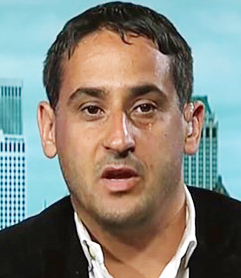
Jeremy Kuzmarov holds a Ph.D. in American history from Brandeis University and has taught at numerous colleges across the United States. He is regularly sought out as an expert on U.S. history and politics and co-hosts a radio show on New York Public Radio and on Progressive Radio News Network called “Uncontrolled Opposition.”
He is Managing Editor of CovertAction Magazine and is the author of eight books, including Obama’s Unending Wars (Clarity Press, 2019), The Russians Are Coming, Again, with John Marciano (Monthly Review Press, 2018), Warmonger. How Clinton’s Malign Foreign Policy Launched the U.S. Trajectory From Bush II to Biden (Clarity Press, 2023); with Dan Kovalik, Syria: Anatomy of Regime Change (Baraka Books, 2025), and Political Assassinations in America: The Intricate Nexus of Deep State Crime (Clarity Press, 2026).
Besides these books, Kuzmarov has published hundreds of articles and contributed to numerous edited volumes, including one in the prestigious Oxford History of Counterinsurgency .
He can be reached at jkuzmarov2@gmail.com and found on substack here.