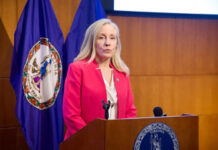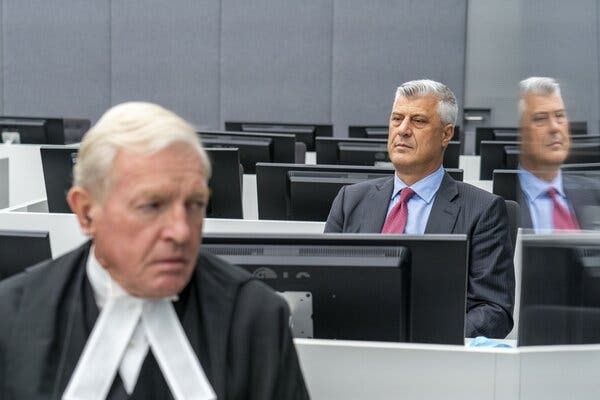
On September 16, 2026, former Kosovo President Hashim Thaçi was sentenced to 25 years in prison by the Kosovo Specialist Chambers in The Hague for war crimes.
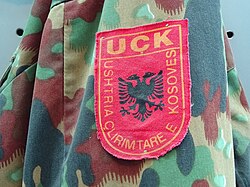
Known in his guerrilla fighting days as the “snake,” Thaçi, 58, was sentenced along with three other senior members of the since-disbanded Kosovo Liberation Army (KLA): a) former KLA head of intelligence, Kadri Veseli, sentenced to 18 years; b) former KLA spokesman, Jakup Krasniqi, sentenced to 25 years; and c) the KLA’s former head of operations, Rexhep Selimi, sentenced to 13 years.
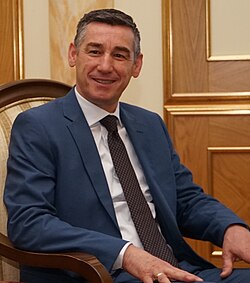
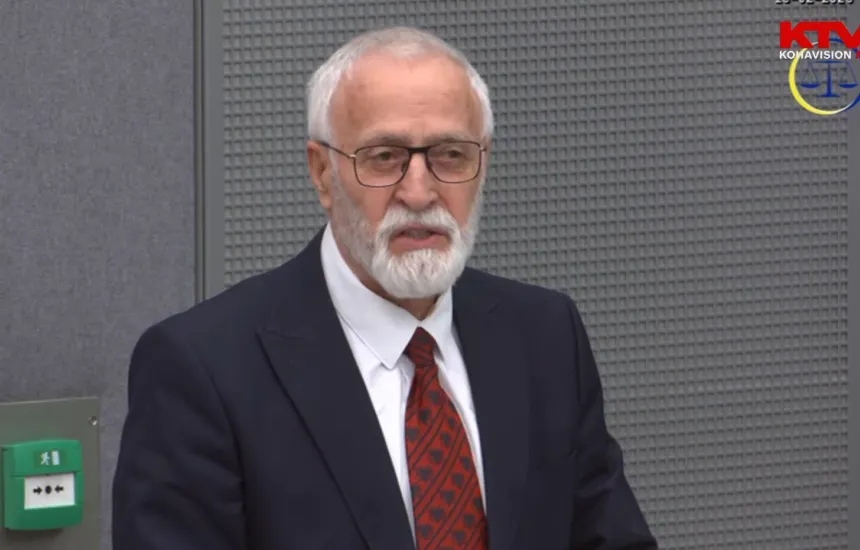
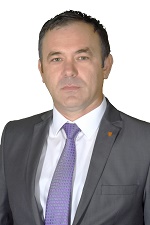
According to The Hague tribunal, Thaçi and the other KLA defendants carried out arrests, detentions and killings of perceived Serb collaborators or traitors along with ethnic minorities without due process.
Thaçi was found to have been “a key member” in setting up detention facilities and identifying alleged opponents to the KLA and detaining and killing them.
Further, Thaçi was determined to have “personally participated” in the arrest and interrogation of parliamentarians and the arrest and murder of Behajdin Allaqi, a sociology professor and KLA member with whom Thaçi had a political dispute.
The New York Times and other so-called legacy media reported on all of the above, though they left out that the KLA worked closely with the CIA and were trained by it.[1]
In March 2000, The London Sunday Times had reported that American intelligence agents admitted to training the KLA and that the KLA also admitted to long-standing links with American and European intelligence agencies.[2]
The same article went on to note that Agim Ceku, the KLA commander in the latter stages of the conflict, had established American contacts through his work in the Croatian army, which had been modernized with the help of Military Professional Resources Inc. (MPRI), an American company specializing in military training and procurement.
This company’s personnel were in Kosovo, along with others from a similar company, DynCorp, that helped in the American program of arming and training the Bosnian army.

MPRI and Dyncorp’s links to the CIA are documented. DynCorp, for example, secretly oversaw CIA-led extrajudicial rendition flights in which suspected terrorists were kidnapped and transported to U.S.-run prisons like Guantánamo Bay, and was awarded major contracts for training Afghan and Iraqi police in programs formerly run by the CIA.
Staffed by ex-CIA operatives and military officers, both MPRI and DynCorp were crucial to a covert foreign policy strategy by which the U.S. government subcontracted military operations to proxy forces like the KLA, which served larger imperialistic objectives.[3]
After it gained power, the KLA’s political arm, the center-right Democratic Party of Kosovo (PDK), allowed for the U.S. establishment of Camp Bondsteel, a major U.S. military base in the heart of the Balkans.
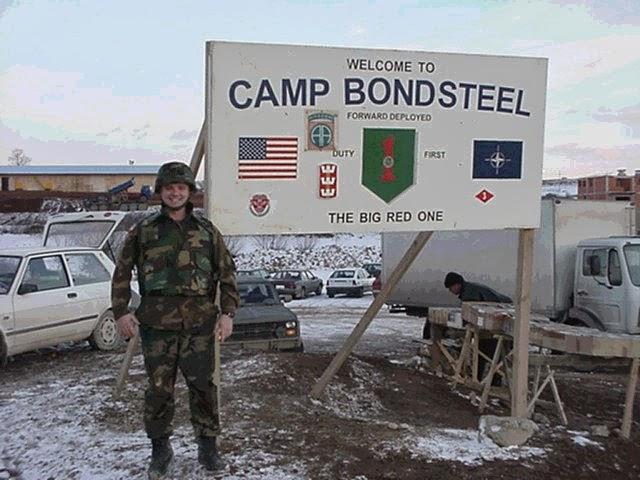
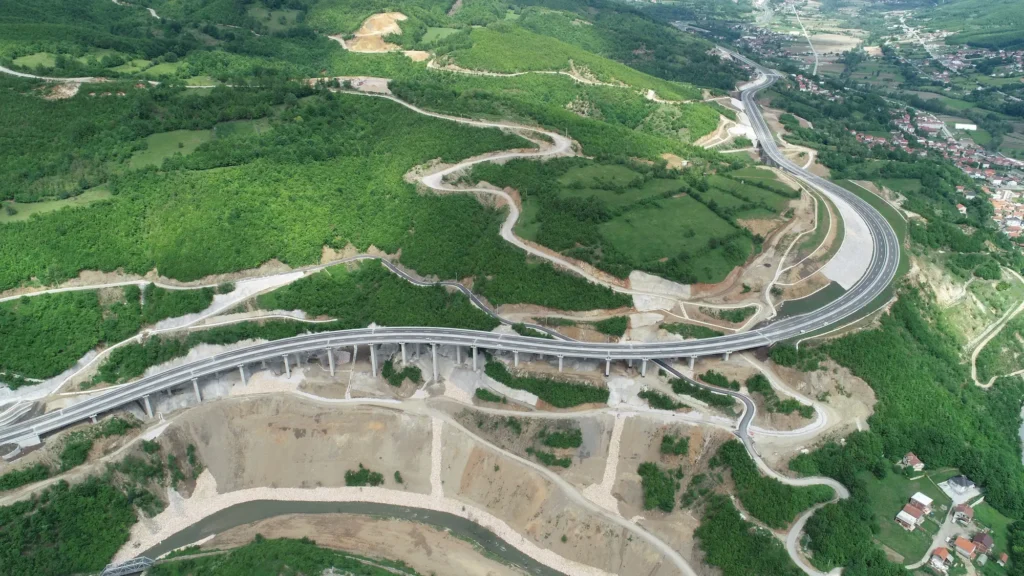
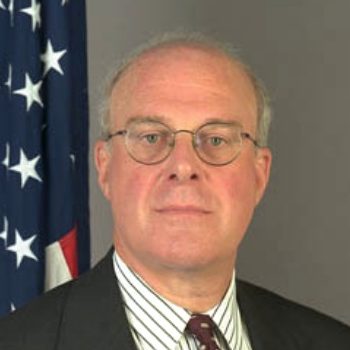
Many of Kosovo’s resources were further privatized and sold to Western multinational corporations. In December 2004, plans went forward for the construction of a $1.2 billion Trans-Balkan pipeline south of Camp Bondsteel financed by the Overseas Private Investment Corporation (the pipeline has yet to be built). Additionally, the U.S. ambassador to Kosovo, Christopher Dell (2009-2012), helped Bechtel (for whom he went on to work) secure a billion-dollar highway building contract, and the PDK granted exploration rights to a consortium of American, French and Swedish investors for the lucrative Trepca mining complex.[4]
For at least a decade after the Kosovo War ended, according to The Guardian, the CIA maintained support for the PDK’s intelligence arm, which was found to have contracted with hit men to execute political opponents and potential witnesses against Thaçi and other KLA commanders for war crimes.
The George Washington of Kosovo
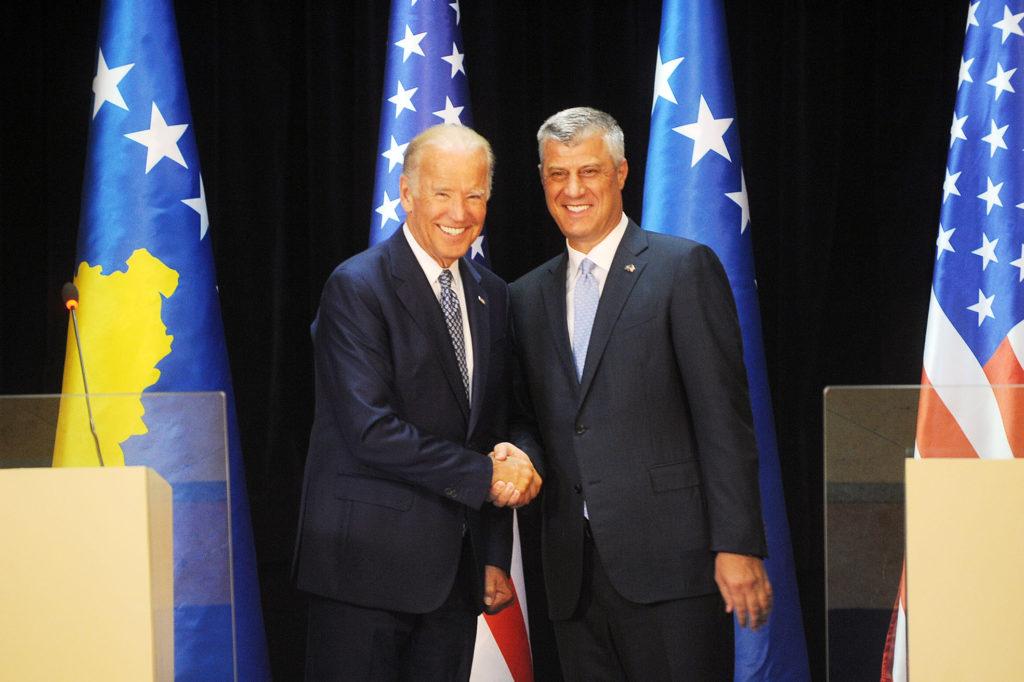
When he was vice president, Joe Biden, a staunch supporter of the bombing of Kosovo as chairman of the Senate Foreign Relations Committee, hailed Thaçi as “the George Washington of Kosovo.”
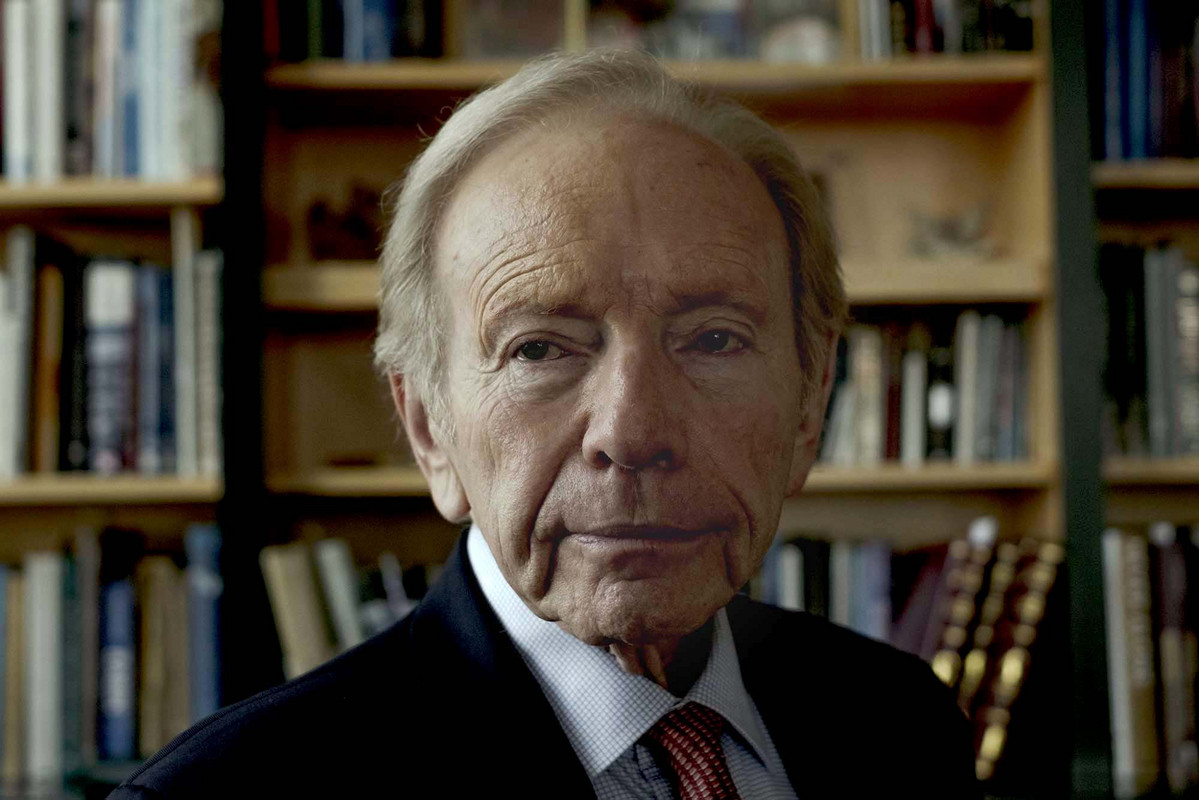
Billed in the U.S. as a great humanitarian intervention, the Kosovo War was supported by liberal luminaries of the time like Todd Gitlin, Susan Sontag, Bernie Sanders, Paul Wellstone, Maxine Waters, Christopher Hitchens and Michael Walzer. Democratic Party Congressman and 2000 vice-presidential candidate Joe Lieberman (CT) said that “fighting for the KLA is fighting for human rights.”
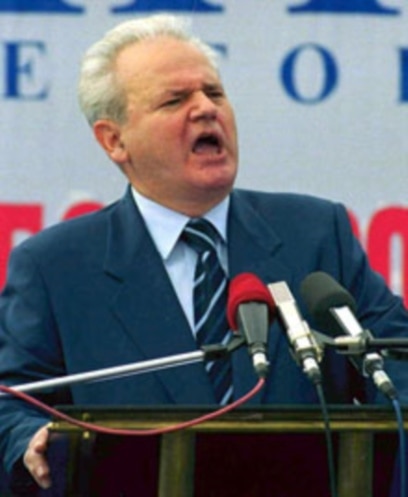
The official pretext for U.S. involvement was to protect the Kosovo-Albanian minority in Kosovo from Serb ethnic cleansing and the depredations of Serbian leader Slobodan Milošević, who was falsely accused of committing genocide.
Milošević had been targeted in a U.S. regime-change operation as the last remaining socialist leader in Europe who had tried to keep the Yugoslav Federation together (the U.S. and Germany wanted to break it up after Tito’s death as part of a strategy of divide and conquer).
Curiously, the Clinton administration had shown little interest in the Kosovar Albanians’ plight when they excluded their delegates from the 1995 Dayton negotiations, avoiding discussion of the Kosovo problem at a time when they might have been able to help advance a political solution to the crisis there.
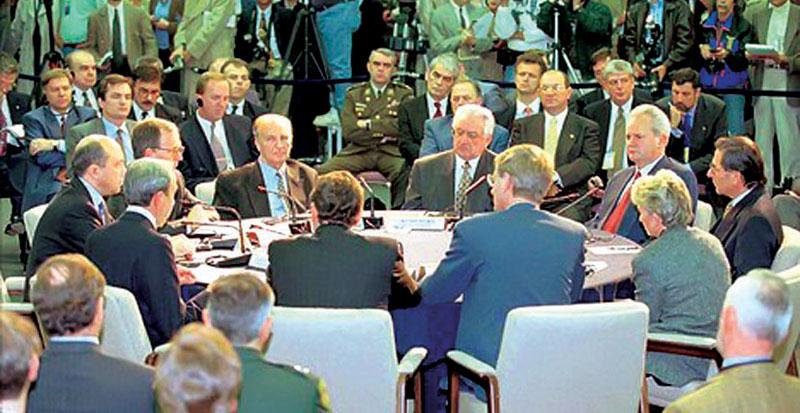
An underlying goal of the war was to separate Kosovo from Serbia—which Washington wanted to isolate—and establish a Greater Albania under U.S., NATO and Turkish influence—along with the giant U.S. military base at Camp Bondsteel, while legitimizing NATO after the end of the Cold War.
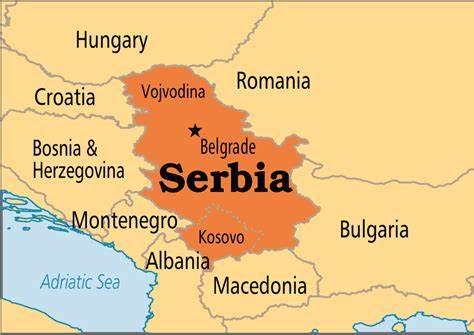
During World War II, it was the Kosovar Albanians who had collaborated with the Nazis while the Serbs were persecuted by them.
The Serbs considered Kosovo something like Jerusalem for Israelis because it was the site of the famous 1389 Battle of Kosovo against Turkey and because it was the birthplace of the Serbian Orthodox Church and many of the great Serbian monuments and monasteries are located there.
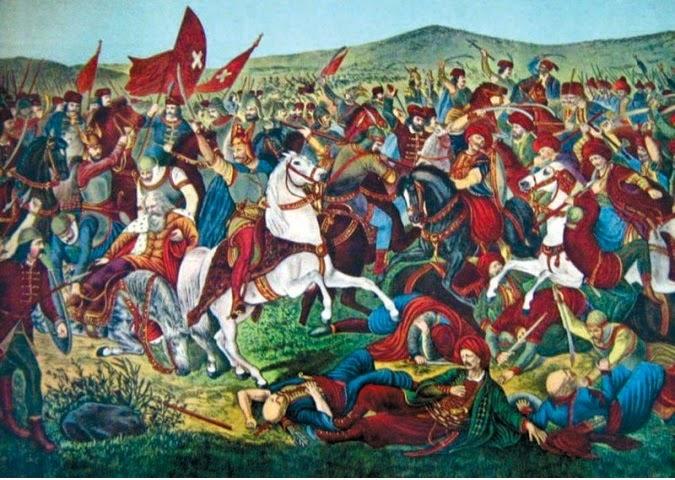
A confidential report by NATO’s North Atlantic Council stated that the KLA was “the main initiator of violence” in Kosovo and “launched what appears to be a deliberate campaign of provocation,” which led to the outbreak of hostilities with Yugoslav government forces.
A British member of parliament compared the KLA to the “Nicaraguan Contras and other groups armed by the CIA.” The KLA and Contras were both financed in part from the drug trade and committed repeated terrorist acts.
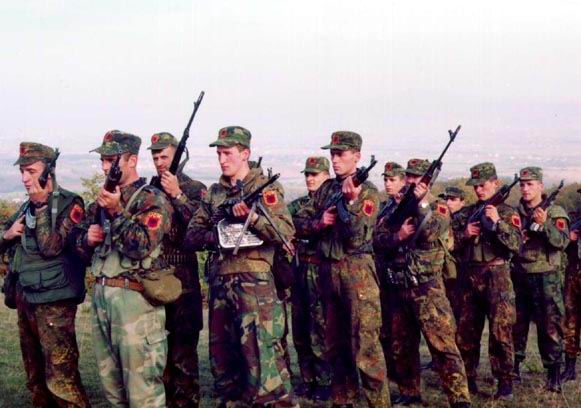
Clinton’s special envoy to the Balkans, Robert Gelbard, branded the KLA as a terrorist organization mere months before the war. Their crimes included gunning down Serb children, committing organized rapes, and blowing up Serb monasteries.
The KLA’s links to Islamic extremism was apparent in that numbers of their cadre attended Osama bin Laden’s training camps in Afghanistan.
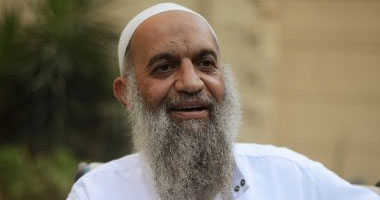
In his book Secret Affairs: Britain’s Collusion with Radical Islam, British journalist Mark Curtis noted how INTERPOL reported that Muhammad al-Zawahiri, the younger brother of bin Laden’s deputy, commanded a KLA unit.
In 2010, an investigative report for the Council of Europe confirmed long-standing rumors that the KLA was involved in the trafficking of human organs, including killing Serb prisoners of war to harvest their kidneys and other organs.[5]
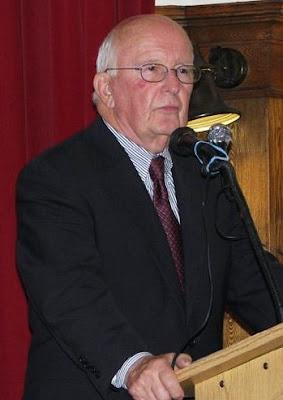
James Bissett, Canadian ambassador to Yugoslavia for much of the 1990s, noted that the CIA and British Special Air Service (SAS) trained the KLA to “foment an armed rebellion in Kosovo,” with KLA terrorists sent into Kosovo to assassinate Serb mayors, ambush Serb policemen and do everything to incite murder and chaos” and, in turn, provoke a NATO intervention.
A European battalion commander with a peacekeeping force in Kosovo told The Observer (London): “The CIA has been allowed to run riot in Kosovo with a private army designed to overthrow Slobodan Milosevic. Now [that] he’s gone the U.S. State Department seems incapable of reining in its bastard army.”[6]
During the 78-day U.S.-NATO bombing targeting Serb positions from March 24 to June 9, 1999, the KLA provided crucial intelligence using satellite phone and other communications equipment provided to it covertly by the CIA.
Some 48 schools and 33 hospitals were struck in the former Yugoslavia and Kosovo along with at least 14 historic monasteries, and between 500 and 2,000 civilians were killed.
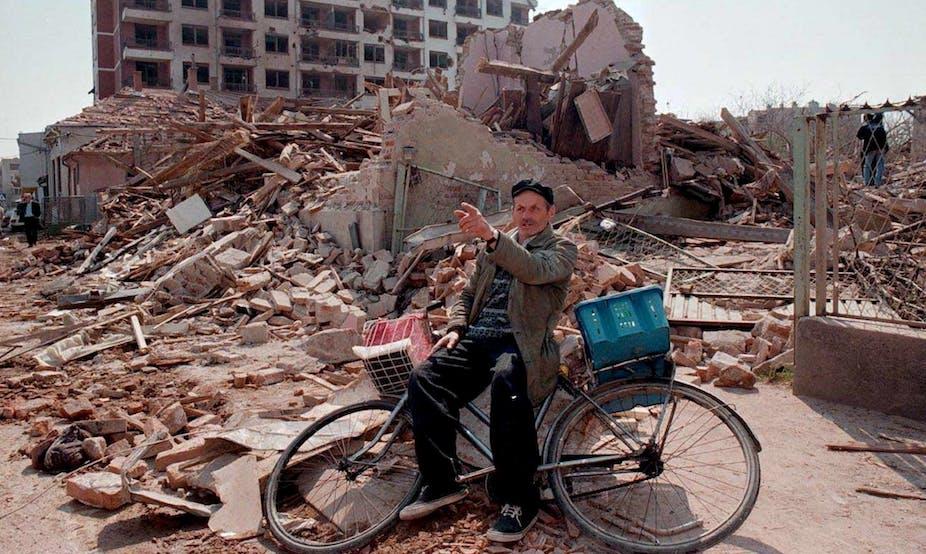
The Kosovo War represents another shameful episode in U.S. history in which the Clinton administration bombed a tiny country into submission as it helped empower thuggish geopolitical clients like Thaçi and the KLA.
Though covered up in media outlets like The New York Times, the CIA’s important role in the Kosovo War reflects the Agency’s function as the enforcement arm of the U.S. ruling class.
To ensure plausible deniability, the Agency works through proxies like the KLA whose leaders may be ultimately thrown to the dogs—all while the quiet Americans pulling the strings are left unscathed and go on to employ their dirty tricks in other world trouble spots.
The progressive-alternative media for their part did not report on Thaçi’s conviction or its implications for U.S. foreign policy. ↑
The precise nature of Thaçi’s relationship with the CIA can only be uncovered when relevant documents are declassified or if ex-CIA operatives or government officials decide to write memoirs or whistleblowers disclose possibly classified information before they die. ↑
See Jeremy Kuzmarov, “‘Distancing Acts’: Private Mercenaries and the War on Terror in American Foreign Policy,” Asia-Pacific Journal, December 21, 2014; Louis Wolf, “MPRI: Washington’s New Private Army,” CovertAction Quarterly, Fall-Winter 1999, 49. According to Col. David Hackworth, some MPRI advisers fought alongside the KLA in combat. The Atlantic Brigade consisted of mercenaries recruited mostly from the anti-communist Albanian exile community in the U.S., funded by the CIA and through proceeds from the heroin traffic. Gary Wilson, “The Hidden Hand,” in John Catalinotto and Sara Flounders, Eds., Hidden Agenda: U.S./NATO Takeover of Yugoslavia, (New York: International Action Center, 2002), 176, 177. ↑
See Jeremy Kuzmarov, Warmonger: How Clinton’s Malign Foreign Policy Launched the U.S. Trajectory from Bush II to Biden (Atlanta: Clarity Press, 2024), ch. 3. ↑
The lead investigator and author of the report was Swiss Senator Dick Marty, a highly respected champion of human rights. One of the suspects specifically named was Hashim Thaçi who was known for his links to the Albanian mafia. ↑
The KLA under Thaçi’s direction was responsible for ethnic-cleansing operations in which thousands of Serbs, as well as Roma, had to flee Kosovo. ↑
CovertAction Magazine is made possible by subscriptions, orders and donations from readers like you.
Blow the Whistle on U.S. Imperialism
Click the whistle and donate
When you donate to CovertAction Magazine, you are supporting investigative journalism. Your contributions go directly to supporting the development, production, editing, and dissemination of the Magazine.
CovertAction Magazine does not receive corporate or government sponsorship. Yet, we hold a steadfast commitment to providing compensation for writers, editorial and technical support. Your support helps facilitate this compensation as well as increase the caliber of this work.
Please make a donation by clicking on the donate logo above and enter the amount and your credit or debit card information.
CovertAction Institute, Inc. (CAI) is a 501(c)(3) non-profit organization and your gift is tax-deductible for federal income purposes. CAI’s tax-exempt ID number is 87-2461683.
We sincerely thank you for your support.
Disclaimer: The contents of this article are the sole responsibility of the author(s). CovertAction Institute, Inc. (CAI), including its Board of Directors (BD), Editorial Board (EB), Advisory Board (AB), staff, volunteers and its projects (including CovertAction Magazine) are not responsible for any inaccurate or incorrect statement in this article. This article also does not necessarily represent the views the BD, the EB, the AB, staff, volunteers, or any members of its projects.
Differing viewpoints: CAM publishes articles with differing viewpoints in an effort to nurture vibrant debate and thoughtful critical analysis. Feel free to comment on the articles in the comment section and/or send your letters to the Editors, which we will publish in the Letters column.
Copyrighted Material: This web site may contain copyrighted material the use of which has not always been specifically authorized by the copyright owner. As a not-for-profit charitable organization incorporated in the State of New York, we are making such material available in an effort to advance the understanding of humanity’s problems and hopefully to help find solutions for those problems. We believe this constitutes a ‘fair use’ of any such copyrighted material as provided for in section 107 of the US Copyright Law. You can read more about ‘fair use’ and US Copyright Law at the Legal Information Institute of Cornell Law School.
Republishing: CovertAction Magazine (CAM) grants permission to cross-post CAM articles on not-for-profit community internet sites as long as the source is acknowledged together with a hyperlink to the original CovertAction Magazine article. Also, kindly let us know at info@CovertActionMagazine.com. For publication of CAM articles in print or other forms including commercial internet sites, contact: info@CovertActionMagazine.com.
By using this site, you agree to these terms above.
About the Author
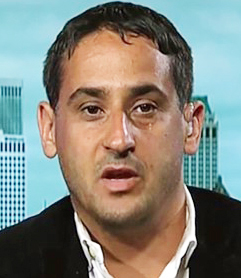
Jeremy Kuzmarov holds a Ph.D. in American history from Brandeis University and has taught at numerous colleges across the United States. He is regularly sought out as an expert on U.S. history and politics and co-hosts a radio show on New York Public Radio and on Progressive Radio News Network called “Uncontrolled Opposition.”
He is Managing Editor of CovertAction Magazine and is the author of eight books, including Obama’s Unending Wars (Clarity Press, 2019), The Russians Are Coming, Again, with John Marciano (Monthly Review Press, 2018), Warmonger. How Clinton’s Malign Foreign Policy Launched the U.S. Trajectory From Bush II to Biden (Clarity Press, 2023); with Dan Kovalik, Syria: Anatomy of Regime Change (Baraka Books, 2025), and Political Assassinations in America: The Intricate Nexus of Deep State Crime (Clarity Press, 2026).
Besides these books, Kuzmarov has published hundreds of articles and contributed to numerous edited volumes, including one in the prestigious Oxford History of Counterinsurgency .
He can be reached at jkuzmarov2@gmail.com and found on substack here.