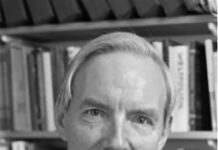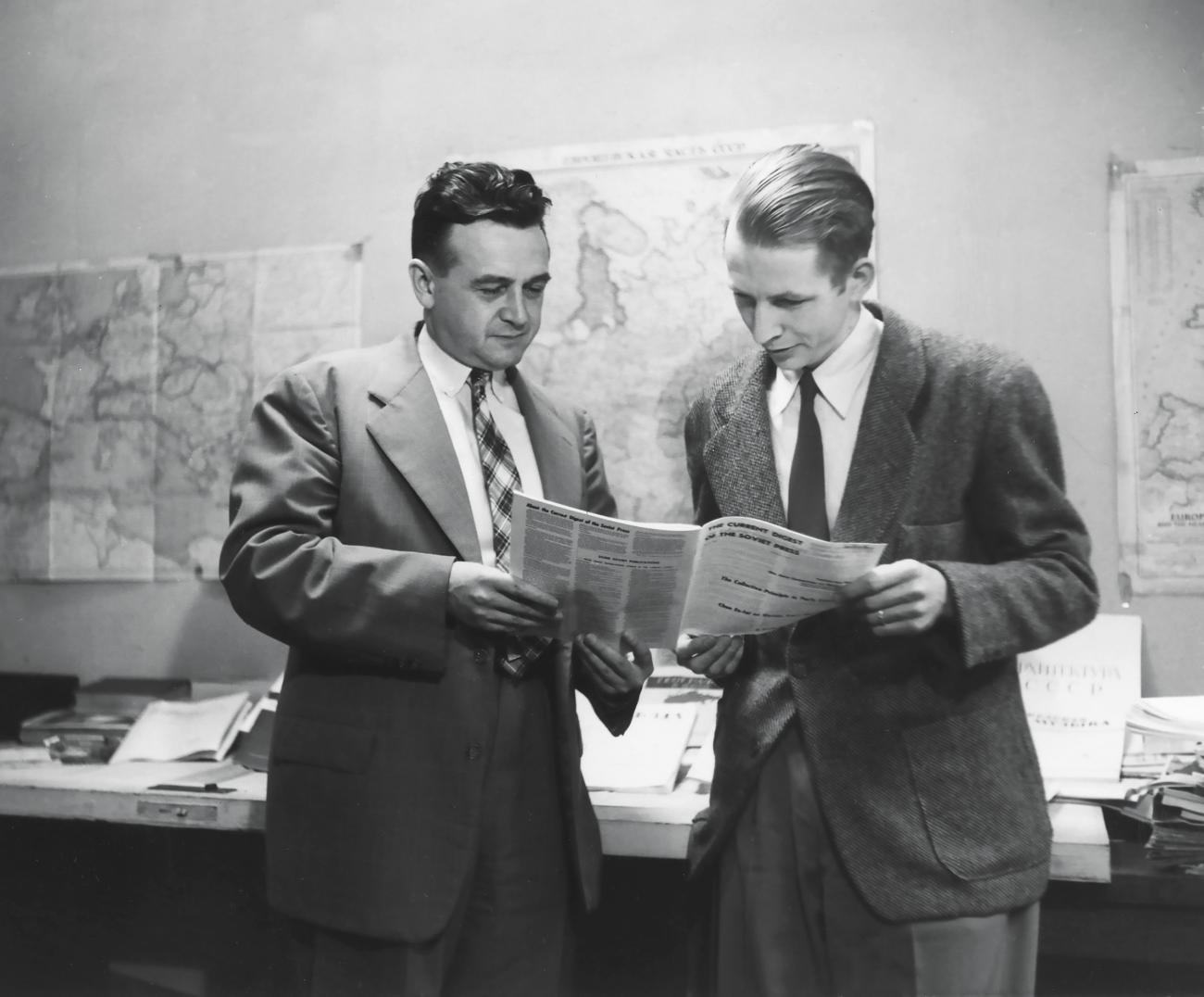
Philip Mosely, who was considered the “most influential Sovietologist of the Cold War,” embodies the close ties between academia and the CIA
[This article is part of a CAM back to school special series examining the close links between academia and the CIA. See other articles in the series here, here, here, here and here.—Editors]
In his 1987 book Cloak and Gown: Scholars in the Secret War, 1939-1961, historian Robin Winks details a close connection between academia and the CIA and its predecessor agency, the Office of Strategic Services (OSS), and how Ivy League professors served at the front lines of a secret propaganda war at the heart of U.S. Cold War strategy.[1]
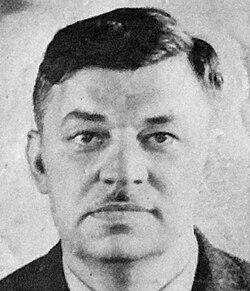
Founder (1946) and director (1951–55) of the Russian Institute at Columbia University, Philip E. Mosely (1906-1972) embodied Winks’ main thesis and the CIA’s effective infiltration of higher education institutions during the Cold War—and beyond.
For years, Mosely served on a secret board of CIA academic consultants who met four times per year at Princeton to work on intelligence assessments for the CIA with Director Allen Dulles and Sherman Kent, a Yale history professor considered the “father of intelligence analysis.”
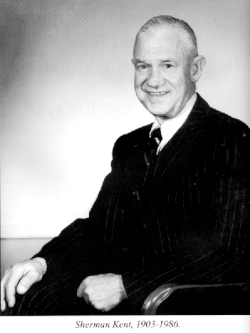
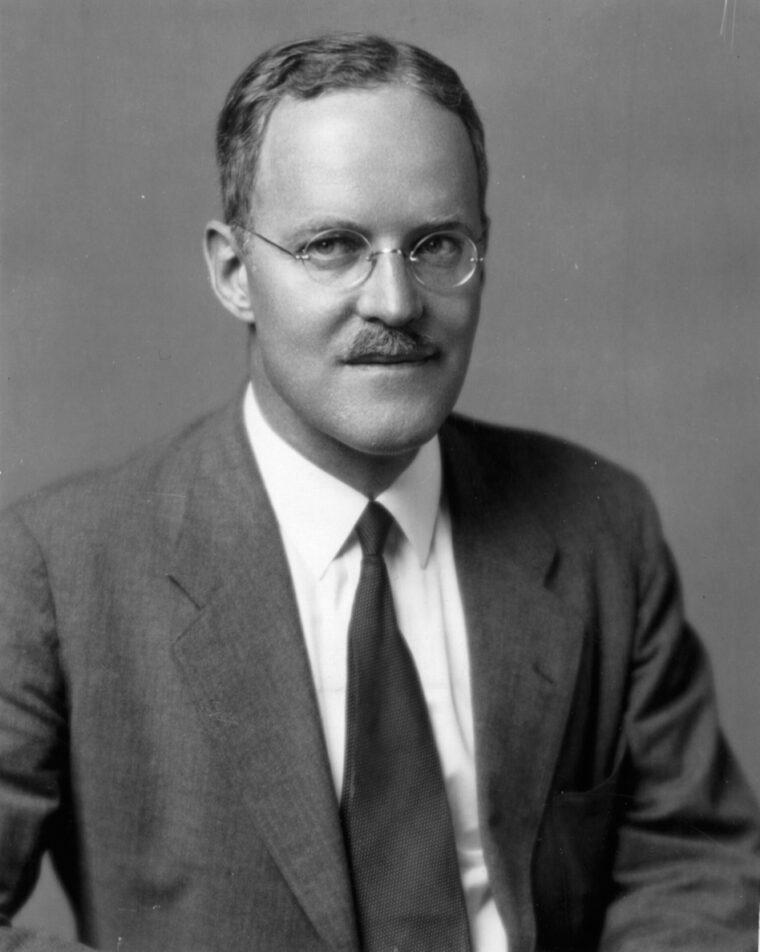
Since the assessments on which Mosely was collaborating were the highest form of intelligence, potentially serving as the basis for covert operations, this clandestine committee—described by Dulles as part of “our organization on which I rely highly for all sorts of purposes”—constituted a major project of academic collaboration with the CIA.[2]
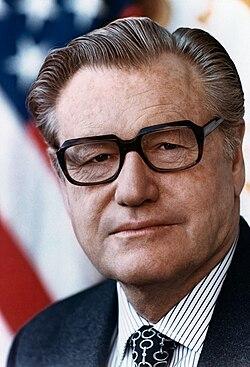
Holding a top security clearance, Mosely also a) served on a national security state panel to study “Psychological Aspects of Future U.S. Strategy” overseen by Nelson Rockefeller; b) collaborated with the American Committee for Liberation from Bolshevism (ACLB), a CIA front; c) spent the 1952 winter break on an official U.S. delegation to Tito’s Yugoslavia; d) served on the secret White House exercise Operation Solarium that shaped Eisenhower’s “New Look” defense strategy favoring nuclear deterrence over conventional military forces; e) advised two army think-tanks; and f) was a consultant and research director at the Council on Foreign Relations (CFR), Wall Street’s think tank which has deep connections to the CIA.[3]
Mosely additionally was at the center of the Rockefeller financed Marxism-Leninism project, which established an international research group, funded global conferences and intellectual exchanges, supported dissertations and funded publication projects whose goal was to discredit or pathologize the Soviet Union and “make purportedly authentic Marxist texts available that had not been perverted by Moscow’s influence.”[4]
Some historians consider Mosely to have had a moderating influence on U.S. policy and to have applied his expertise for positive ends. However, he can also be seen as someone who compromised the integrity of academic institutions by hiding his intelligence connections and advancing a demonized view of the Soviet Union to generations of students.
This demonized view helped validate imperialistic U.S. foreign policies, which were justified under the guise of the Cold War-era containment doctrine.
In a suppressed 1971 book CIA—Core of the Cancer, David W. Conde, a Canadian-born journalist who worked for the U.S. psychological warfare branch in the Pacific theater in World War II, accused the CIA of compromising an entire generation of intellectuals and of “intellectual rape and incest.”[5]
Mosely was one of those intellectuals. In a 1951 essay, he called directly for the “free nations” to carry out “an ideological offensive” relying on “morality” common to “all universal religions” that were in “fundamental contradiction to the hatred and lust for domination” allegedly driving Soviet leaders.[6]
Contradicting the latter statement, a study by economist Ruth Leger Sivard analyzing 125 military conflicts from 1946 to 1981 found that Western powers actually accounted for 79% of the interventions, communists for only 6%.[7]
Other academic studies found a direct correlation between U.S. foreign aid and human rights abuses and that countries Mosely considered to be part of the “free world” were brutal dictatorships financed by the U.S.—from South Korea, South Vietnam, Indonesia, the Philippines, Nicaragua and Haiti on down.[8]
From Socialist to Cold Warrior
Born in Westfield, Massachusetts, in 1906, Mosely identified with the socialist movement in his youth and would regale students about a trip he took in 1921 to celebrate the release of socialist Eugene Debs from prison. Like many of his generation, Mosely’s political viewpoint gradually shifted to the right as he evolved into a Cold War liberal.
After studying Russian with a tutor in Westfield, Mosely obtained his bachelor’s and doctorate degrees from Harvard in the 1920s with his dissertation focusing on Russian diplomacy in the 1830s which he researched during a two-year stint living in Moscow.
Following receipt of his Ph.D., Mosely taught at Princeton, Cornell and Hunter College before landing at Columbia where the Russian Studies Institute he directed was financed by the CIA.[9]
At the Moscow Conference in 1943, Mosely served as an adviser to Secretary of State Cordell Hull, and was a political adviser in the U.S. delegation to the European Advisory Commission (1944-45), to the Potsdam Conference (1945), to the Council of Foreign Ministers (London and Paris, 1945-46), and on the four‐power Commission for Investigation of the Yugoslav-Italian boundary (1946).
Around this time Mosely began editing the British journal-in-exile Slavonic and East European Review, and consulted for the Rockefeller Foundation, a principal financier of Soviet and other area studies programs at U.S. universities. The underlying agenda of these programs was to cultivate regional experts who could help advance U.S. capitalist interests globally.
During his tenure at Columbia, Mosely assisted the CIA by providing translations of Soviet newspapers and periodicals with his students and was involved with the CIA and Ford Foundation financed Chekhov publishing house, which translated anti-Soviet works of Russian émigrés.[10]
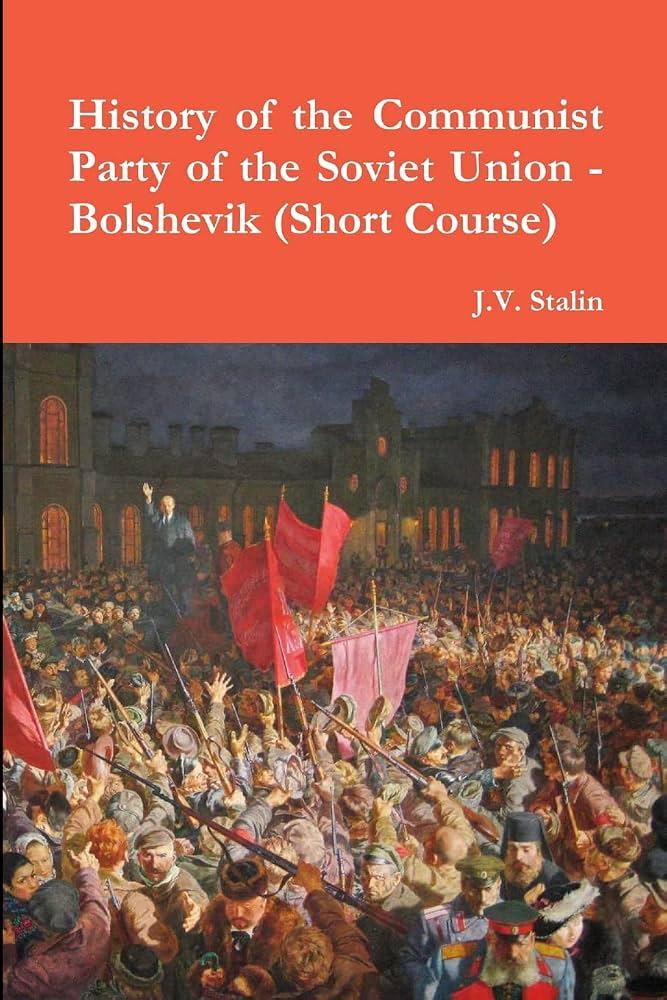
Among the projects Mosely helped coordinate was the writing of a history of the Communist Party of the Soviet Union (CPSU), which the CIA intended as a rebuttal to Joseph Stalin’s “Short Course” party history of 1938.
Historian David C. Engerman wrote that, “like so many of Mosely’s projects, the CPSU history existed at the intersection of scholarship, philanthropy and government; the CIA provided sources and advice to program authors, and Mosely kept his agency friends well informed.”[11]
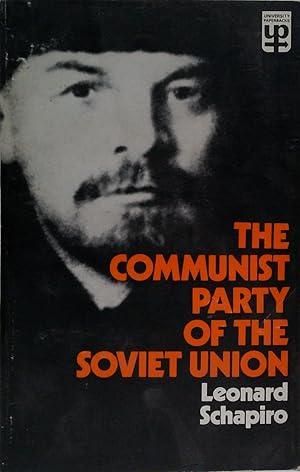
The lead author of the CPSU history tapped by Mosely was Leonard Schapiro, a professor at the London School of Economics with a background in British intelligence who claimed that Stalin had deliberately killed many more people than Hitler.
Schapiro had previously authored a pamphlet that called on the West to confront “Soviet expansion,” and a book which explored the bleak fate of Mensheviks and Socialist revolutionaries after the Russian revolution.[12]
Communist Party of the Soviet Union picked up where the latter left off in suggesting that CPSU leaders Vladimir Lenin and Stalin were motivated primarily by the pursuit of power and not ideology, something other Soviet historians have disputed.[13]
No Line Between Government and Academic Work
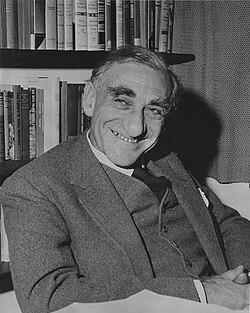
Mosely’s embrace of a Cold War ideology and idealized view of American democracy was apparent when he took Soviet Premier Nikita Khrushchev to task in a 1961 article in The New York Times Book Review for having failed to understand “the forces of freedom,” and said it was urgent for the Communist leader “to broaden his perspective.”
In his New York Times obituary, Mosely was described as a “small, dark‐haired man of normally equable temperament, but occasionally he could be roused to striking exhibitions of temper,” particularly if a fellow scholar questioned the motives behind U.S. foreign policy.
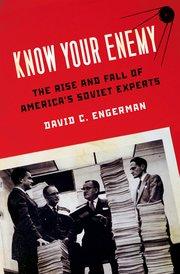
Engerman emphasized in his 2009 book Know Your Enemy: The Rise and Fall of America’s Soviet Experts, that Dr. Mosely was a gifted linguist who spoke more than half a dozen foreign languages, including Bulgarian, which he learned by conversing with Bulgarians and studying a dictionary on a train.
According to Engerman, Mosely did more than anyone to underwrite the achievements of Soviet Studies in the 1950s and its explosive growth in the 1960s.
Engerman wrote: “Thanks to the institutions [Mosely] created and led, Soviet Studies went from scholarly backwater to intellectual juggernaut in a matter of years. Scholars in the field published dozens of books that peeked inside the Soviet enigma; they also trained hundreds of other experts to do the same. Sitting at the intersection of scholarship, intelligence, and philanthropy, Mosely created a field in which practitioners like himself could imagine, as Secretary of State William P. Rogers noted, ‘no line between government and academic work.’”
While heading the Russian Institute at Columbia, Mosely helped secure Ford Foundation funding channeled through the East European Fund on whose board, coincidentally, Mosely served. The Ford Foundation had historically close links to the CIA. CIA Deputy Director Richard Bissell worked for it in the 1950s and CIA-White House liaison McGeorge Bundy was its director from 1966 to 1979.
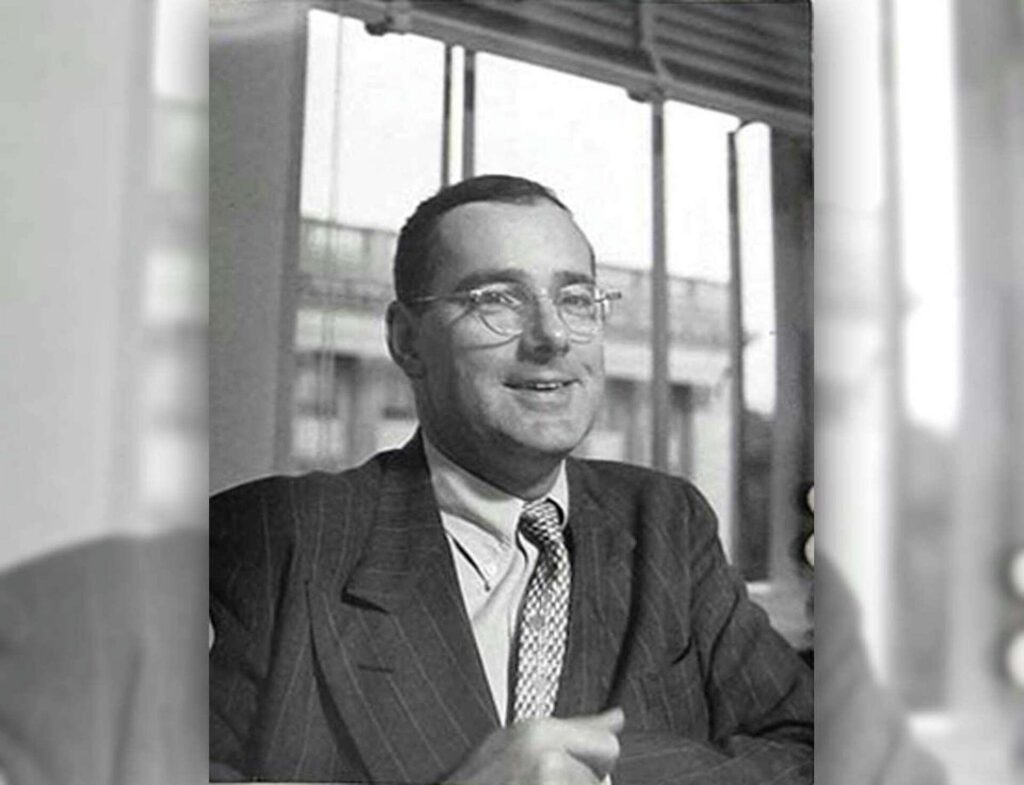
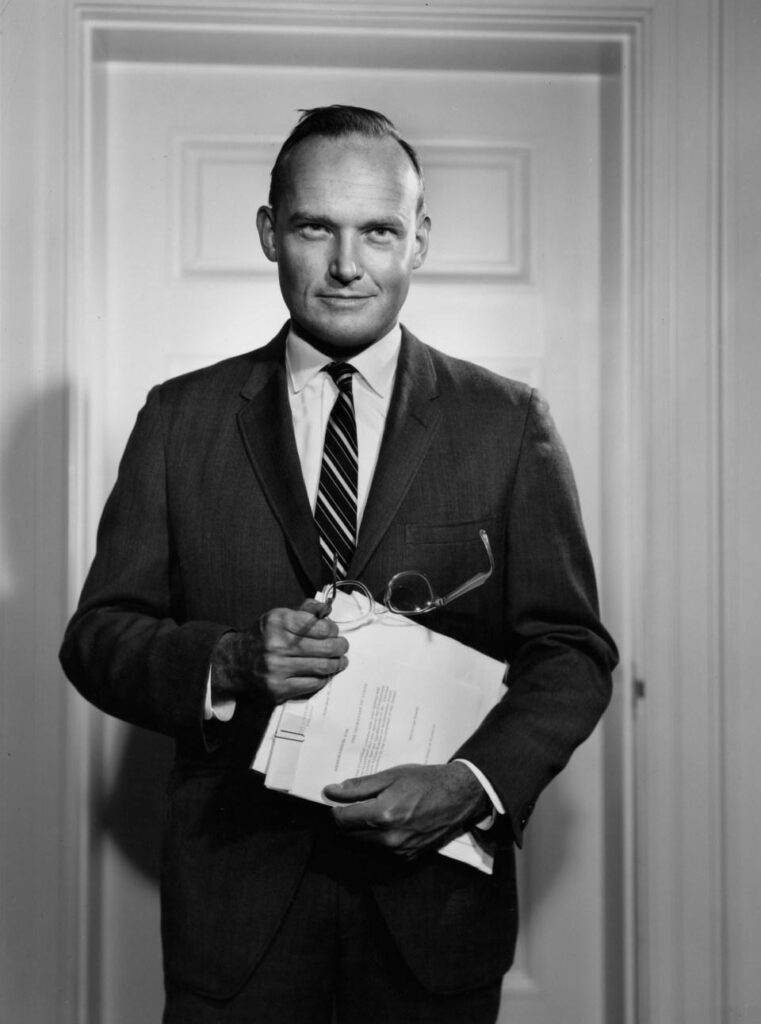
Columbia’s Russian Institute paid émigré scholars and former government officials to write monographs in English or Russian about their experiences. These émigrés were usually bitterly anti-Soviet, uncritical of Western imperialism and capitalism and prone at times to extreme emotional views bred by personal, family or class-based grievances.
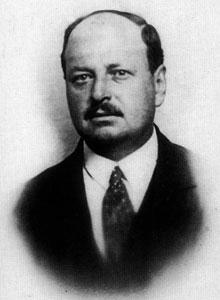
Mosely’s connection with the Russian émigré community had been facilitated through his Ph.D. adviser at Harvard and academic mentor, Michael Karpovich, the doyen of Russian historians in the U.S. who developed an intense disdain for the Bolsheviks after his family was displaced in the Russian Revolution.[14]
Karpovich considered the early 19th century, when Russia was ruled by the Romanov dynasty and serfdom still existed, as a Russian golden age and depicted the Bolsheviks as an external force interrupting authentic Russian liberal development—a view challenged by later generations of historians who saw the Russian Revolution as popularly rooted and the forces it expunged as reactionary (particularly the pro-czarist “whites” in the Russian Civil War).[15]
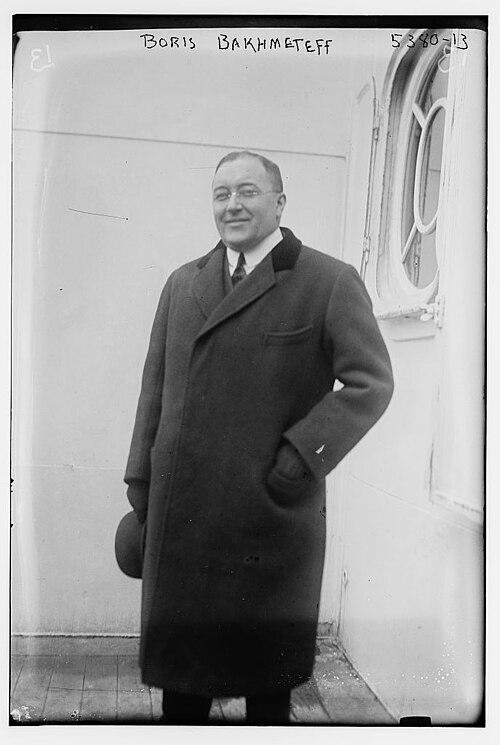
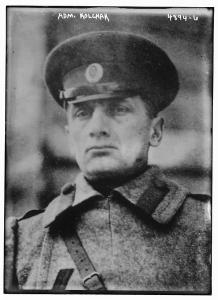
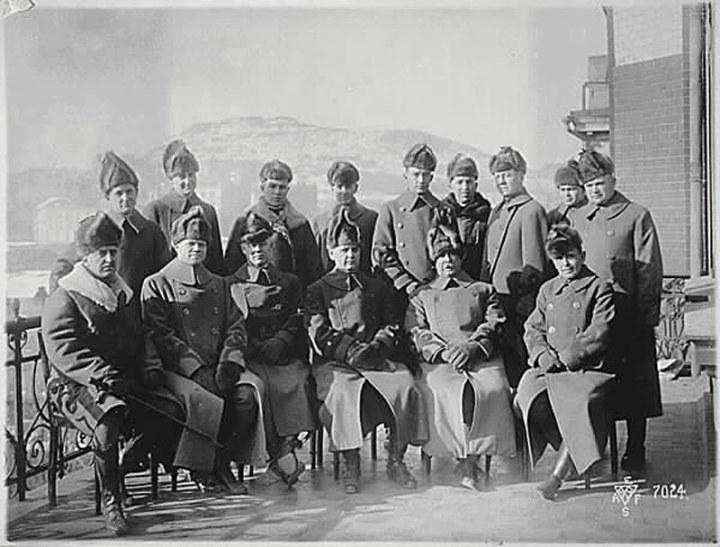
Through Karpovich, Mosely became friends with Boris Bakhmeteff, the last Russian ambassador in Washington before the Bolshevik takeover, who covertly funneled $50 million in military aid to Admiral Alexander Vasilyevich Kolchak, commander of the White counter-revolutionary army who set up a dictatorship in Omsk, Siberia, in his quest to become a new Czar.
Historian Robert Maddox called Bakhmeteff the “quartermaster” for the Kolchak regime, which represented the “minority and ancient imperialists who were obstinately impervious to the new Russia flaming in revolution against age long abuses and tyrannies,” as a lieutenant in the 339th Infantry put it.[16]
The Responsibility of Intellectuals
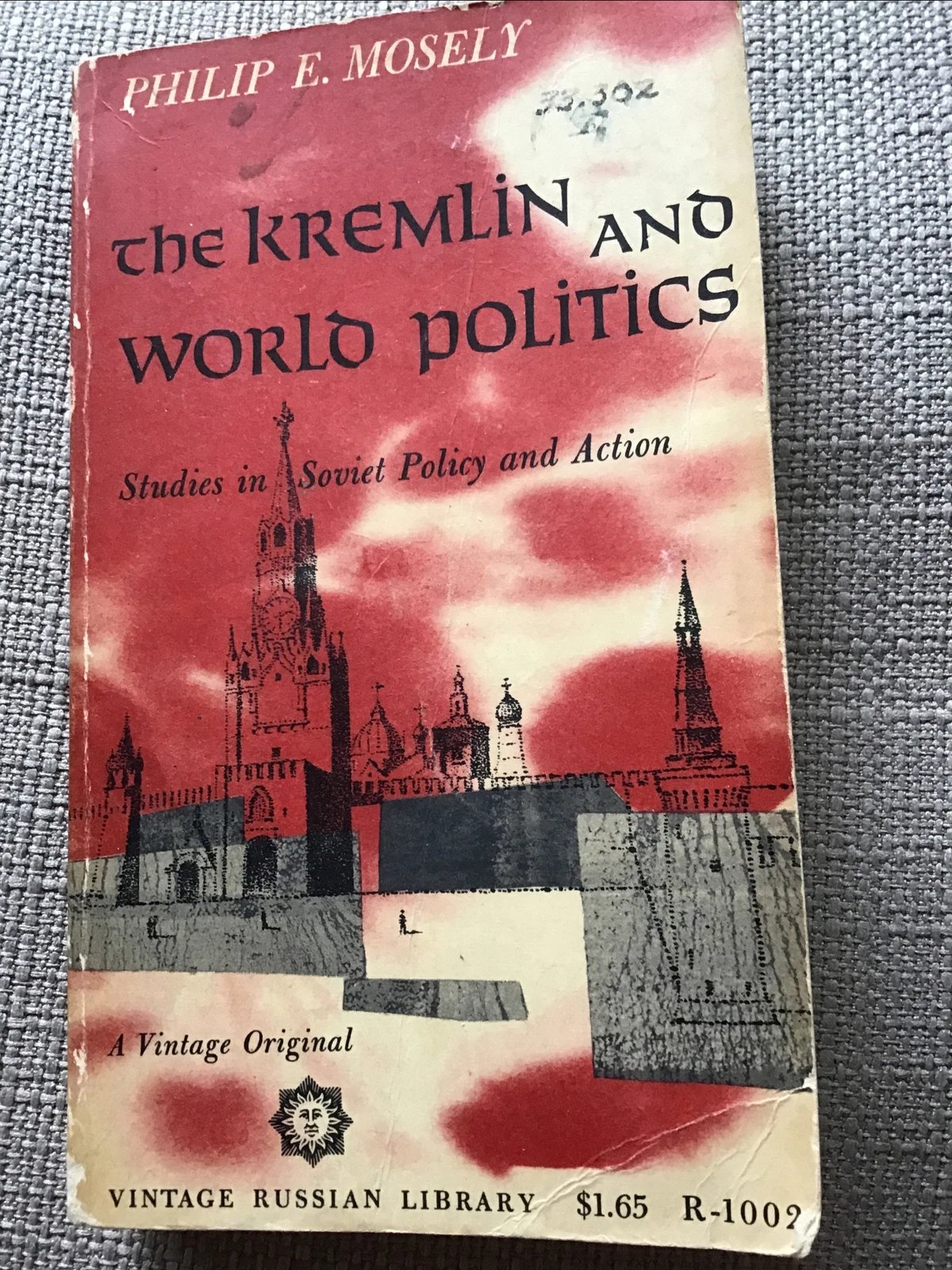
A collection of Mosely’s writings, The Kremlin and World Politics: Studies in Soviet Policy and Action (New York: Vintage Books, 1960) display his advancement of Manichaean Cold War and at times Russophobic analysis that helped validate U.S. imperialism.[17]
One of the essays, drawn from a talk that Mosely gave at Boston University in 1948, presents Russia as an aggressive and expansionist power throughout its history, with strong continuities from the Czarist and Soviet eras.
No comparison was made with the United States, which colonized North America by brutally subjugating the Native-American population, stole significant parts of Mexico after provoking a war, and went on to establish an overseas empire of military bases unparalleled in history.[18]
When Mosely mentions American imperialism, he puts imperialism in quotation marks to emphasize its use as a term adopted by Soviet propagandists—as if it was not a reality.
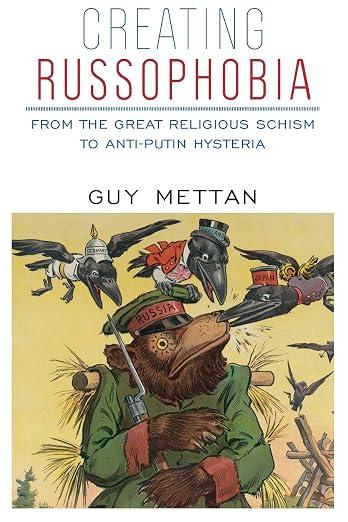
Swiss journalist Guy Mettan takes aim at the kinds of analyses advanced by Mosely in his book Creating Russophobia: From the Great Religious Schism to Anti-Putin Hysteria, which shows how Western writers routinely blamed Russia for precipitating conflicts it did not start, projected onto Russia characteristics that were more applicable to Western societies and invoked the specter of “Russian imperialism” to validate their own imperial expansion.[19]
When he discusses the origins of the Cold War, Mosely mimics U.S. government policy-makers of the 1940s and 1950s who blamed Stalin and the Soviet Union for carrying out aggressive policies and wanting to “reshape the world in its own image,” which was clearly a goal of the U.S.
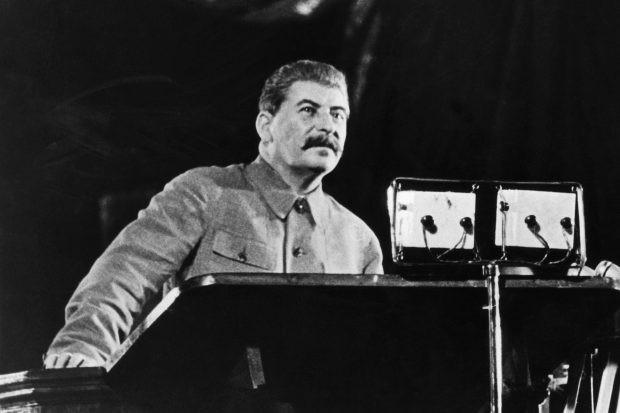
Mosely excoriates the Soviets for their alleged aggression in Eastern Europe without acknowledging the suppression of civil liberties before World War II under fascist leaders there, the aim of overcoming a neo-colonial economic relationship with Western Europe, and Soviet need for a security buffer in Eastern Europe as protection from renewed German aggression—which the Roosevelt administration recognized under the 1945 Yalta Agreement.
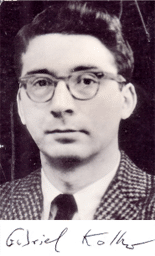
Historian Gabriel Kolko was among those to characterize the Kremlin’s post-World War II foreign policy as “counter-revolutionary” due to its ordering Soviet troops out of Azerbaijan, enabling the liquidation of the Communist regime of Jafar Pishevari and the failure to back the Greek leftist movement.[20]
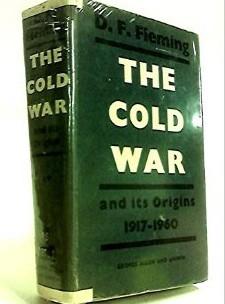
Historian D. F. Fleming wrote that Stalin “scoffed at communism in Germany, urged the Italian Reds to make peace with the monarchy, did his best to induce Mao Zedong to come to terms with the Guomindang [Chinese nationalist party] and angrily demanded of Tito that he back the [Greek] monarchy, thus fulfilling Stalin’[s bargain with Churchill].”[21]
Mosely claimed falsely that the Greek leftists were overtaken by Stalinist elements as part of his attempt to justify U.S. military intervention in the Greek civil war and collaboration with monarchist forces that had collaborated with the Nazis.
Remarkably, Mosely fails to offer any credit to the Soviets for spearheading defeat of the Nazis in World War II, which Douglas MacArthur called the “greatest military achievement in all of history.” The Soviet Red Army destroyed 507 German divisions and 100 allied Axis divisions, 77,000 enemy planes, 48,000 enemy tanks and armored vehicles, and accounted for 75-80% of Axis casualties in World War II, killing at least 10 million German soldiers.
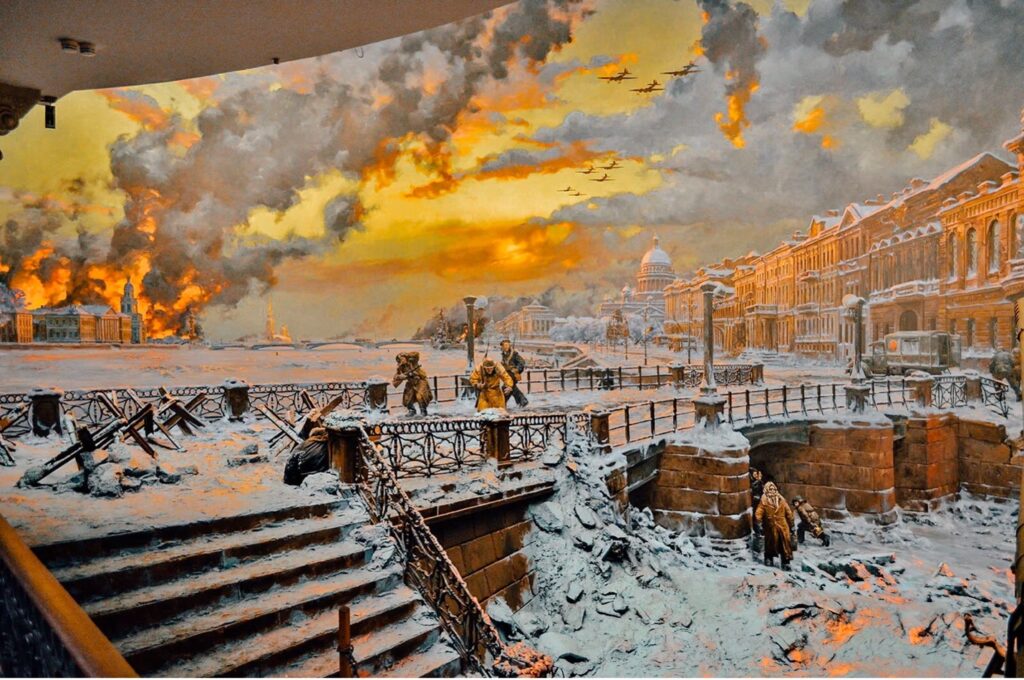
Revising history, Mosely tried to equate “Soviet totalitarianism” with Nazism, obscuring the major ideological differences and material benefits of the Soviet system, including free health care, education and housing, and its ideal of empowering working people.
Mosely additionally omits any discussion of how the Russian Revolution was intended to overcome Russian backwardness under the Czar and subordination to Western banking and corporate interests that dominated the Russian economy.[22]
In his coverage of Stalin, Mosely attributes to him crimes that are disputed by historians—such as the Ukrainian famine of the 1930s and related to collectivized agricultural projects whose intent was to eradicate unjust landholding patterns.[23]
Mosely assumes that all of the plots against Stalin’s regime were made up when some were real and provoked by foreign interests, which had invaded Russia in 1918—a pivotal historical event he seems to pretend never occurred.[24]
In my opinion, Mosely’s worst essay in The Kremlin and World Politics collection is the one on the Korean War, which erroneously attributes the origins of the war to “Stalinist armed conquest” while blaming the Soviet Union for prolonging the war.[25]
Mocking the peace movement for its supposed naivety toward Soviet aggressive designs, Mosely claimed that North Korean soldiers were led by Soviet officers, and that the “North Korean invaders found no support in the South.”
In reality, Stalin held back support for North Korea and North Korean troops found support among southerners who had revolted en masse against the South Korean government under Syngman Rhee.[26]
The organic nature of the North Korean revolution was rooted in the popular desire to escape the yoke of foreign colonialism and to industrialize the North Korean economy and establish control over its natural resources.[27]
Mosely is oblivious to the U.S. role in supporting Japanese colonial collaborators in South Korea and building up a neo-colonial police state under Syngman Rhee that repressed all political opposition and provoked war with the North and invaded it on June 25, 1950.
Both before and after that date, the U.S. intelligence agencies infiltrated commando units in the North to carry out terrorist activities and even plotted the assassination of North Korean leader Kim Il Sung—something Mosely predictably omits.[28]
At the end of the article, Mosely expresses approval of a U.S. military policy that resulted in the death of one-tenth of North Korea’s population and risked a nuclear war with China, suggesting that it had “upset the timetable for the expansion of Soviet power and influence in Asia, without compensating to Soviet strength in Europe or in the Middle East.”[29]
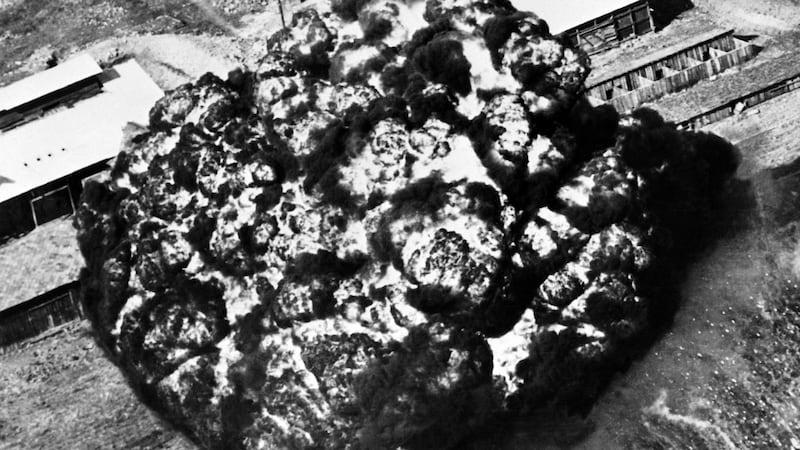
Mosely also approved of U.S. intervention in Vietnam in the 1950s, ridiculing what he called the “Moscow-Peking axis” for “ceaselessly denouncing” U.S. economic and military aid as a new form of “colonization”—which is how it was viewed by much of the Vietnamese population.
In the same essay, Mosely criticized the “Soviet bloc press and radio” for tirelessly denouncing the U.S. for its unwillingness to have South Vietnam participate in unifying elections that were mandated in the 1954 Geneva Accords, which Mosely said the U.S. and South Vietnam were not bound by because they did not sign them.[30]
Mosely’s argument about Vietnam echoed another CIA academic, Michigan State political scientist Wesley R. Fishel, who wrote an article in the CIA-subsidized New Leader magazine entitled “Vietnam’s Democratic One-Man Rule,” which also presented tortured logic as to why the U.S. was justified in blocking elections and supporting a dictatorial regime in South Vietnam supposedly with the aim of spreading democracy.
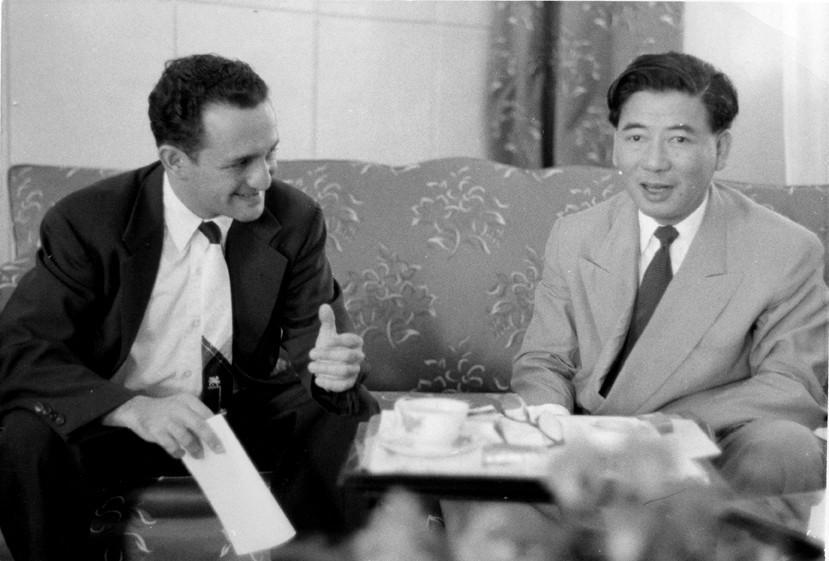
Mosely’s biased coverage of the Korean and Vietnamese conflicts is emblematic of a world view that was repudiated by youth in the 1960s who protested against the Vietnam War and the repressive political culture of the Cold War.
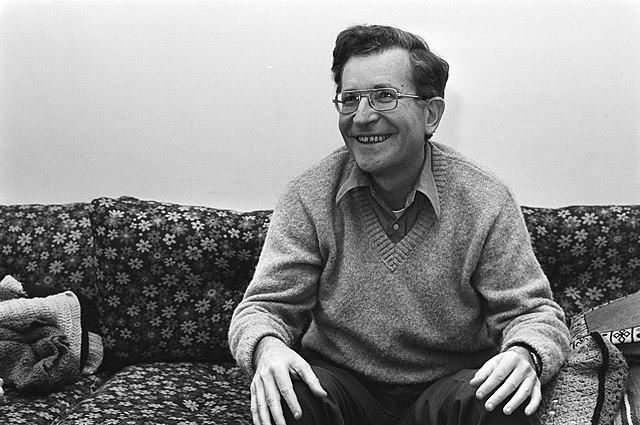
In February 1967, Noam Chomsky published an essay in The New York Review of Books about the responsibility of cold warrior intellectuals like Mosely for providing ideological rationalizations for U.S. aggression in Vietnam and elsewhere around the world, especially through the incessant demonization and dehumanization of the “communist enemy.”
Mosely’s legacy lived on in many of his students, one of whom, Alexander Dallin, authored a book and founded a fellowship program for Russian studies at Stanford University with Condoleezza Rice, a key architect of the Iraq War.[31]
The academic field of Soviet studies on which Mosely left an indelible mark is known for its close links with U.S. intelligence agencies, conservatism and support for Cold War foreign policies. Historian Sheila Fitzpatrick described the field’s dominant approach as “looking at the Soviet political system and showing how bad it was.”[32]
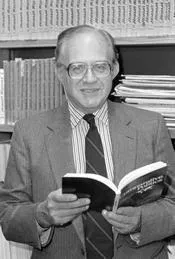
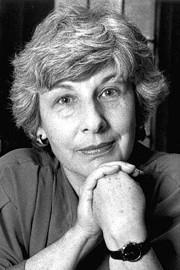
Luminaries in Soviet studies included a) Zbigniew Brzezinski, a Columbia University professor who pushed for the strategy of arming Islamic extremists to induce a Soviet invasion of Afghanistan as National Security Adviser under Jimmy Carter, and b) Richard Pipes, a Harvard history professor with a staunchly conservative world view who headed Team B, a group of hawkish CIA analysts who promoted alarmist reports about the Soviet Union intended to undermine Nixon-Kissinger’s détente policy and to provoke a renewed arms buildup.[33]
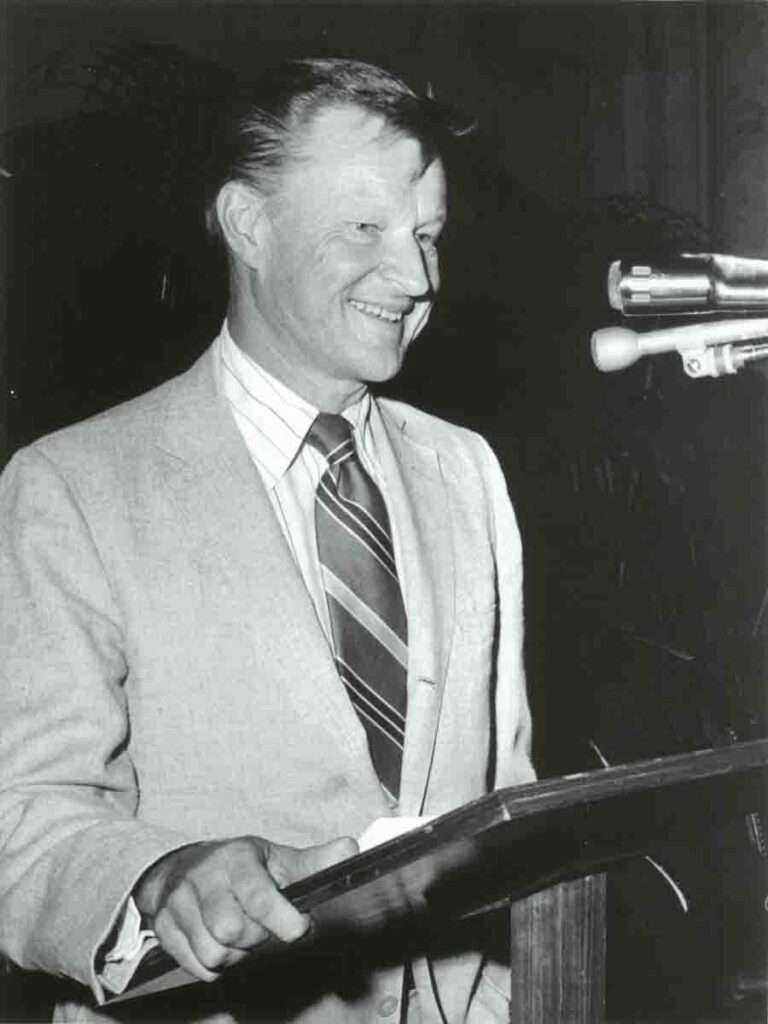
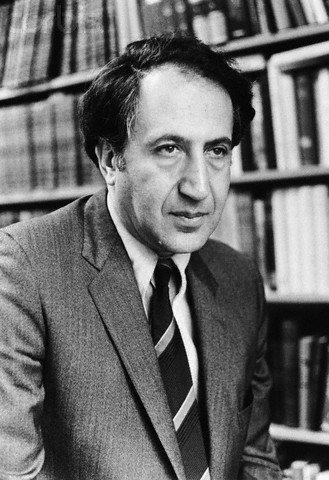
Mosely was in many ways an intellectual forebearer of Brzezinski and Pipes whose CIA ties reflect on the nexus between academia and U.S. intelligence agencies that compromised scholarly integrity and contributed to the miseducation of generations of students.
Tellingly, Barack Obama, a key figure in launching Cold War II who appointed his old professor, Zbigniew Brzezinski, as a presidential adviser, said the courses he took on the Soviet Union and other socialist countries at Columbia University in the 1980s painted an extremely unflattering view of those societies.[34]
A balanced course should address the Moscow show trials and Leninist and Stalinist crimes judiciously (whether Mosely did so is open for question[35]) and the historical factors driving support for socialism in Russia and Eastern Europe and predatory behavior of Western imperialism. The course should counter-balance the positive achievements and ideals of socialism/communism with some of its practical failings.[36]
Today, there is nostalgia for the communist era and Soviet Union in Russia and among sectors of the international left rooted in the Soviet Union’s having a) stood up to U.S. imperialism; b) defeated the Nazis; c) spurred the country’s industrialization and catapulted Russia to superpower status; d) helped advance decolonization in the Third World; e) helped put the Russians in space; f) eliminated unemployment and homelessness; and g) provided free health care and education.
None of these achievements is highlighted in Mosely’s writings or those of his CIA academic colleagues, whose only value today is as a showcase for the kind of thinking that has underlain disastrous foreign policies.
Robin W. Winks, Cloak and Gown: Scholars in the Secret War, 1939-1961 (New York: William Morrow, 1987). ↑
Gabriel Rockhill, Who Paid the Pipers of Western Marxism? (New York: Monthly Review Press, 2025), 285. See also David C. Engerman, Know Your Enemy: The Rise and Fall of America’s Soviet Experts (New York: Oxford University Press, 2009). ↑
Rockhill, Who Paid the Pipers of Western Marxism, 94, 286; Engerman, Know Your Enemy; David C. Engerman, “The Cold War’s Organization Man: How Philip Mosely Helped Soviet Studies moderate American policy,” Humanities, September/October 2009. The other members of the national security panel were C. D. Jackson, head of the U.S. psychological warfare program in the 1950s, Henry Kissinger, and Max Millikan, a CIA-linked political scientist who headed the CIA-financed MIT Center for International Studies. ↑
Rockhill, Who Paid the Pipers of Western Marxism, 282, 283. ↑
At the end of World War II, Conde stayed in Japan as head of the motion picture division of the Supreme Command of the Allied Powers (SCAP), helping in that capacity to revitalize Japanese filmmaking and theater by encouraging anti-militaristic and democratic themes. Among the films that Conde supported were Those Who Make Tomorrow (1946), a pro-union story portraying the heroic labor struggle of members of a Japanese film studio, and Akira Kurosawa’s 1946 film No Regrets for Our Youth inspired by the true-life story of Hotsumi Ozaki, a Japanese journalist executed during the war for aiding a Soviet spy ring and trying to undermine Japanese imperialism. In July 1946, Conde was fired over disagreements about the political messages of some of the section’s films, and because of growing rumors that he was a communist sympathizer. Conde characterized SCAP head General Douglas MacArthur as an “anti-red psychopath” and “dictator.” ↑
Philip E. Mosely, “The World Impact of the Russian Revolution” in The Kremlin and World Politics: Studies in Soviet Policy and Action (New York: Vintage Books, 1960), 537. ↑
Ruth Leger Sivard, with foreword by George F. Kennan, World Military and Soviet Expenditures 1981 (Leesburg, VA: World Priorities, 1981), 8. Most of the Soviet interventions were on their own borders where there were real provocations. Some of the six percent also resulted from Soviet and Cuban support for liberation wars in sub-Saharan Africa. ↑
See, for example, David F. Schmitz, Thank God They’re on Our Side: The United States and Right-Wing Dictatorships, 1921-1965 (Chapel Hill: University of North Carolina Press, 1999); Lars Schoultz, “U. S. Foreign Policy and Human Rights Violations in Latin America: A Comparative Analysis of Foreign Aid Distributions,” Comparative Politics, 13, 2 (January 1981), 149-70; Noam Chomsky and Edward S. Herman, The Political Economy of Human Rights: The Washington Connection and Third World Fascism (Boston: South End Press, 1979). For analysis as to why the U.S. is not a functioning democracy and displays features of totalitarian states, see Jeremy Kuzmarov, Political Assassinations in America; The Intricate Nexus of Deep State Crime (Atlanta: Clarity Press, 2026). ↑
In the 1980s, Columbia’s Russia Institute became the Harriman Institute after it received a generous donation from Averell Harriman, founder of a famous Wall Street investment firm who is considered one of the “fathers of the Cold War.” Victoria Nuland, a notorious Russia hawk who served in top positions in the U.S. State Department, is today on the Harriman Institute’s faculty. ↑
Rockhill, Who Paid the Piper of Western Marxism, 94. CIA and Ford Foundation financing of the Chekhov publishing house is discussed in Sarah Chatta, “The Kremlin Banned These Books. You Can Find Them in a New York Library,” The New York Times, February 23, 2026; Frances Stonor Saunders, The Cultural Cold War: The CIA and the World of Arts and Letters (New York: The New Press, 2013). Mosely recruited Herbert Marcuse, an OSS Soviet expert who later became a guru to the 1960s New Left movement, to Columbia where according to Rockhill Marcuse continued to pursue his “intelligence work under academic cover.” (Rockhill, Who Paid the Piper of Western Marxism, 288). Rockhill considers Marcuse to have been part of the compatible left in that he equated pathologies in the American governing system with those in the Soviet Union, which he had analyzed in his book Soviet Marxism: A Critical Analysis (New York: Columbia University Press, 1958). This served the interests of the CIA and capitalist ruling elite because it ensured the 1960s youth counterculture did not support the leading resistance force to U.S. imperialism in the world, the Soviet Union, or advocate for a socialist political-economic system in the U.S. Marcuse, who also had long association with CIA linked academics William Langer and Barrington Moore, further helped channel social activism in the New Left away from class solidarity and towards identity politics, which was used by the ruling elite to fracture and weaken the left. ↑
Engerman, Know Your Enemy, 166. ↑
Ibid., 165. Published in 1955, the latter book was called The Origins of Communist Autocracy. In it, Schapiro rejected the claim that the Bolsheviks were driven by doctrine; he suggested instead that they branded their opponents as counter-revolutionary in order to justify their elimination. ↑
Engerman, Know Your Enemy, 166. ↑
Ibid., 154. ↑
Ibid., 156. ↑
The United States ambassador to Japan, Rowland Morris, reported that, throughout Siberia under Kolchak’s rule, there was an “orgy of arrests without charges; of executions without even the pretense of a trial; and of confiscations without the color of authority. Panic and fear has seized everyone. Men support each other and live in constant terror that some spy or enemy will cry ‘Bolshevik’ and condemn them to instant death.” Among those killed were former members of the constituent assembly, and railroad workers who had struck for higher wages. In Ekaterinburg, where the Bolsheviks executed Czar Nicholas II and his family, Kolchak allowed Cossacks to massacre at least 2,000 Jews, part of a larger wave of pogroms. ↑
Mosely, The Kremlin and World Politics. ↑
See Richard Drinnon, Facing West: The Metaphysics of Indian-Hating and Empire Building (Norman: University of Oklahoma Press, 1980). ↑
Guy Mettan, Creating Russophobia: From the Great Religious Schism to Anti-Putin Hysteria (Atlanta: Clarity Press, 2017). ↑
See Joyce and Gabriel Kolko, The Limits of Power: The World and United States Foreign Policy, 1945-1954 (New York: Harper & Row, 1972). ↑
D.F. Fleming, The Cold War and Its Origins, 1917-1960, vol. 2 (New York: Doubleday, 1961), 1060. ↑
See William Appleman Williams, American-Russian Relations, 1781-1947, rev ed. (New York: Octagon Books, 1971). The failure of the revolution to achieve its goal of entirely expunging U.S. corporate influence is detailed in a 2025 CovertAction Magazine article here. ↑
- See Mark B. Tauger, “Natural Disaster and Human Actions in the Soviet Famine of 1931–1933,” The Carl Beck Papers in Russian and East European Studies, June 2001. Mosely and his counterparts present Stalin as a monster but are silent about atrocities carried out by U.S. allies in the 1930s, 1940s and 1950s, including fascistic leaders like General Francisco Franco in Spain, Chiang Kai Shek, Syngman Rhee and many others.
See Grover Furr, The Murder of Sergei Kirov: History, Scholarship and the Anti-Stalin Paradigm (Kettering, OH: Erythros Press, 2013); Grover Furr, Yezhov vs. Stalin: The Truth About Mass Repressions and the So-Called ‘Great Terror’ in the USSR (Kettering, OH: Erythros Press, 2018); Stewart Steven, Operation Splinter Factor The untold story of America’s most secret Cold War intelligence operation (run by Allen W. Dulles) (Philadelphia: J.B. Lippincott, 1974). Even George Kennan, the father of the Cold War’s anti-Soviet containment doctrine, wrote about the 1918 U.S. invasion of Russia and how it shaped the mindset of Soviet leaders—though Mosely leaves it out. See my essay on the U.S. invasion of Russia here.Philip E. Mosely, “Soviet Policy and the Korean War,” in The Kremlin and World Politics, 323-35. This article was originally published in Journal of International Affairs. ↑
See Jeremy Kuzmarov, “The Korean War: Barbarism Unleashed,” United States Foreign Policy, History & Resource Guide. ↑
See Charles K. Armstrong, The North Korean Revolution, 1945-1950 (Ithaca, NY: Cornell University Press, 2004). ↑
See Frank Hoffmann and Mark E. Caprio, eds., Witness to Korea 1945-1947: The Unfolding of an Authoritarian Regime (Berkeley, CA: Academia Publishers, 2026); Jeremy Kuzmarov, Modernizing Repression: Police Training and Nation-Building in the American Century (Amherst, MA: University of Massachusetts Press, 2012); Bruce Cumings, The Origins of the Korean War, Volume 1: Liberation and the Emergence of Separate Regimes, 1945-1947 (Princeton, NJ: Princeton University Press, 1981); David A. Foy, Superspy: Hans Tofte, Intelligence Officer for SOE, OSS, and CIA (Havertown, PA: Casemate, 2025). ↑
Mosely, “Soviet Policy and the Korean War,” in The Kremlin and World Politics, 335. The human costs of the Korean War for which Mosely shows no regard is covered in Kuzmarov, “Barbarism Unleashed—The Korean War.” Folk singer Woody Guthrie eloquently criticized the faulty logic of the warmongers in forgotten songs that he wrote about the Korean War, which are featured in my article published in The Asia Pacific Journal. ↑
Mosely, “The Moscow-Peking Axis in World Politics,” in The Kremlin and World Politics, 487. ↑
Dallin’s father David had been a Menshevik during the Russian Revolution (rival to Bolsheviks) who wrote for The New Leader, a CIA-funded anti-Stalinist magazine, for which David worked for 20 years. In 1947, David wrote a book on forced labor and the Soviet gulag that foreshadowed Alexander Solzhenitsyn, although was distrusted by people because of a reliance on Soviet defectors, some of whom had collaborated with the FBI. Serving as a consultant to U.S. government agencies, one of the studies Alexander undertook was on Russian émigrés, and another was on political terror in communist societies. ↑
Fitzpatrick quoted in Engerman, Know Your Enemy, 296. Though aspects of the Soviet system were indeed bad, there was no nuance in the assessments of leading Sovietologists, whose work fit an ideological agenda in validating George F. Kennan’s containment doctrine or more radical Rollback variant promoted by neo-conservatives. Sovietologists were often divided between more hawkish and dovish elements, but few defended the Soviet system and ideals underpinning it writ large or questioned the underlying thrust of the containment doctrine and its supposed moral imperative. If anyone did, they would likely have been blacklisted. ↑
Both Brzezinski and Pipes were Poles who vehemently hated the Russians and adopted Russophobic stereotypes that blamed supposed Russian pathologies on the malign Russian character. A welcome revisionist wave in the Sovietology profession did produce some good scholarship and there are, of course, exceptions to the general norm, including such highly professional and productive scholars as Ronald Grigor Suny, Sheila Fitzpatrick and Stephen Cohen among others. But today, getting a full-time academic job at a reputable university if one advances critical views of U.S. foreign policy and more sympathetic attitudes toward Russia is extremely difficult. ↑
See Jeremy Kuzmarov, Obama’s Unending Wars: Fronting the Foreign Policy of the Permanent Warfare State (Atlanta: Clarity Press, 2019). ↑
New scholarship by Grover Furr and others has challenged the orthodox interpretation advanced by Mosely and his contemporaries by showing certain hidden manipulations and foreign pressures. Furr has also challenged the anti-Stalinist paradigm dominant in the Sovietology field. ↑
Variations in socialist systems should also be covered objectively as well as attempts by Chile’s socialist government and others to establish democratic socialism compared with the lack of political freedom in Soviet Russia. ↑
CovertAction Magazine is made possible by subscriptions, orders and donations from readers like you.
Blow the Whistle on U.S. Imperialism
Click the whistle and donate
When you donate to CovertAction Magazine, you are supporting investigative journalism. Your contributions go directly to supporting the development, production, editing, and dissemination of the Magazine.
CovertAction Magazine does not receive corporate or government sponsorship. Yet, we hold a steadfast commitment to providing compensation for writers, editorial and technical support. Your support helps facilitate this compensation as well as increase the caliber of this work.
Please make a donation by clicking on the donate logo above and enter the amount and your credit or debit card information.
CovertAction Institute, Inc. (CAI) is a 501(c)(3) non-profit organization and your gift is tax-deductible for federal income purposes. CAI’s tax-exempt ID number is 87-2461683.
We sincerely thank you for your support.
Disclaimer: The contents of this article are the sole responsibility of the author(s). CovertAction Institute, Inc. (CAI), including its Board of Directors (BD), Editorial Board (EB), Advisory Board (AB), staff, volunteers and its projects (including CovertAction Magazine) are not responsible for any inaccurate or incorrect statement in this article. This article also does not necessarily represent the views the BD, the EB, the AB, staff, volunteers, or any members of its projects.
Differing viewpoints: CAM publishes articles with differing viewpoints in an effort to nurture vibrant debate and thoughtful critical analysis. Feel free to comment on the articles in the comment section and/or send your letters to the Editors, which we will publish in the Letters column.
Copyrighted Material: This web site may contain copyrighted material the use of which has not always been specifically authorized by the copyright owner. As a not-for-profit charitable organization incorporated in the State of New York, we are making such material available in an effort to advance the understanding of humanity’s problems and hopefully to help find solutions for those problems. We believe this constitutes a ‘fair use’ of any such copyrighted material as provided for in section 107 of the US Copyright Law. You can read more about ‘fair use’ and US Copyright Law at the Legal Information Institute of Cornell Law School.
Republishing: CovertAction Magazine (CAM) grants permission to cross-post CAM articles on not-for-profit community internet sites as long as the source is acknowledged together with a hyperlink to the original CovertAction Magazine article. Also, kindly let us know at info@CovertActionMagazine.com. For publication of CAM articles in print or other forms including commercial internet sites, contact: info@CovertActionMagazine.com.
By using this site, you agree to these terms above.
About the Author
Jeremy Kuzmarov holds a Ph.D. in American history from Brandeis University and has taught at numerous colleges across the United States. He is regularly sought out as an expert on U.S. history and politics and co-hosts a radio show on New York Public Radio and on Progressive Radio News Network called “Uncontrolled Opposition.”
He is Managing Editor of CovertAction Magazine and is the author of eight books, including Obama’s Unending Wars (Clarity Press, 2019), The Russians Are Coming, Again, with John Marciano (Monthly Review Press, 2018), Warmonger. How Clinton’s Malign Foreign Policy Launched the U.S. Trajectory From Bush II to Biden (Clarity Press, 2023); with Dan Kovalik, Syria: Anatomy of Regime Change (Baraka Books, 2025), and Political Assassinations in America: The Intricate Nexus of Deep State Crime (Clarity Press, 2026).
Besides these books, Kuzmarov has published hundreds of articles and contributed to numerous edited volumes, including one in the prestigious Oxford History of Counterinsurgency .
He can be reached at jkuzmarov2@gmail.com and found on substack here.