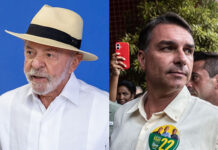
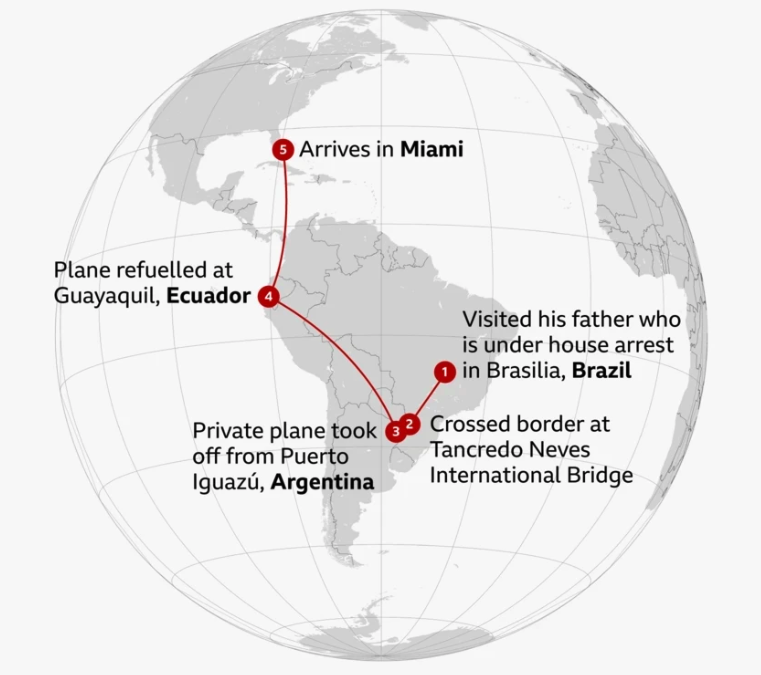
[NOTE: Flávio Dino, a Brazilian Supreme Court Justice, has ordered an investigation into Rockbridge Network. The U.S.-based organization, co-founded by U.S. Vice President J.D. Vance, is suspected of funneling resources to support Flávio Bolsonaro’s 2026 presidential election campaign. The inquiry, which will be headed by Brazil’s federal police, is also tasked with investigating other forms of foreign financing of Flávio’s campaign, as well as accusations of interference by social media platforms.]
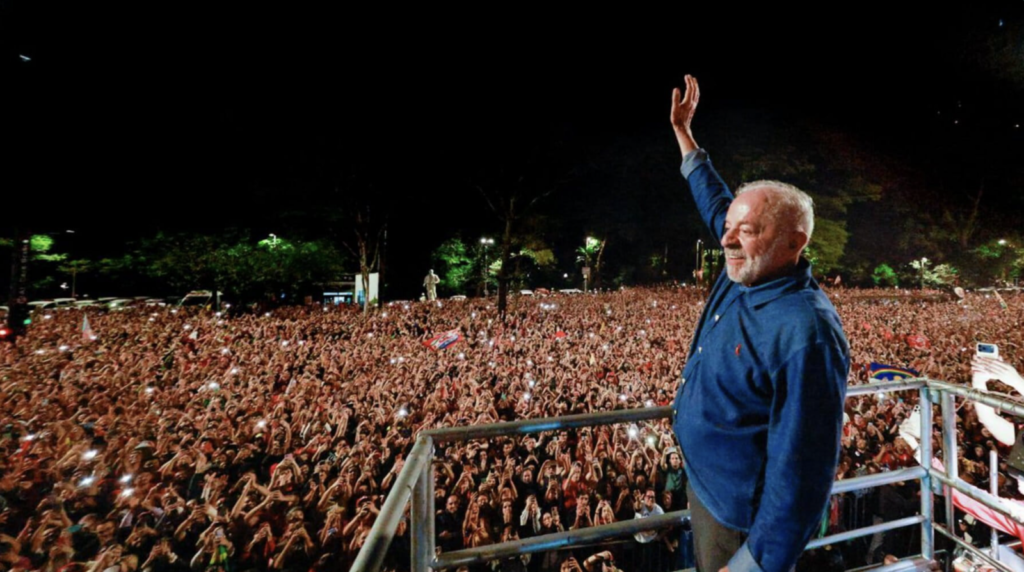
The magnitude, distinction and dramatic contradictions in the turnaround 2026 presidential election victory of Luíz Inácio Lula da Silva warrants this and other grass-root analysis. Claiming a historic fourth term as Brazil’s head of state, this time defeating the now-fugitive son of the coup-attempt, convicted and disgraced former president, Jair Bolsonaro, the continued rise of the 4th-grade school dropout who speaks, on and off, broken Portuguese to this day, could not be more noteworthy.
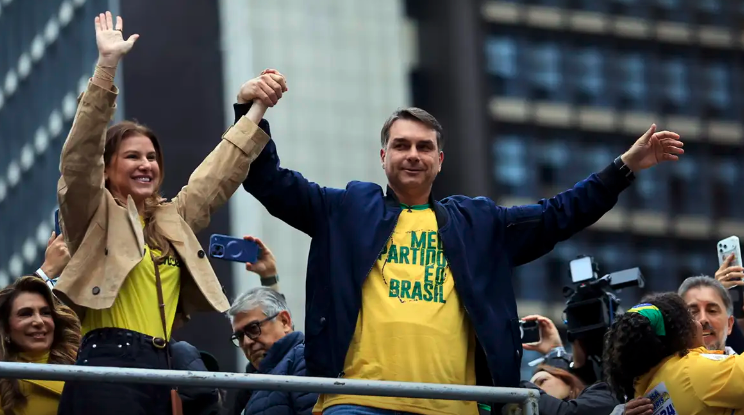
Hoping for the best but focused on preparing for the worst, my calculation for the presidential winner was off, outright wrong. Convinced, much more so during this race compared to four years ago, that highly polarized, political dichotomies would coalesce neatly and firmly into their respective camps, I figured Lula’s goose was cooked. Flávio’s first-round, indecisive victory was not an off-handed fluke nor did it come in isolation. It was accompanied by hundreds of senatorial and congressional victories where stern, rapacious right-wing candidates expanded their already majority caucus in Brazil’s “casadinha” (legislature). The foray continued in gubernatorial election victories.
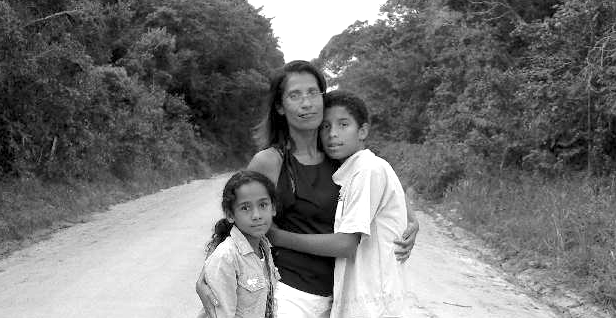
To help make sense of Lula’s political success, not only overcoming the opposition onslaught but, arguably, a paralyzed, badly scarred and whupped left, I give the floor to Diego, a friend and grass-root MST organizer I met while living in Prado (southern Bahia, Brazil) for insight and clarification.
Diego de Bacural
First, allow me to introduce myself: I am Diego de Bacural, a social assistant worker, son of a teacher and bricklayer, grandson of MST settlement militants, a young Brazilian from Salvador. Since I was a small child, I was accustomed to politics in my home’s living room. Even before I was able to offer my opinion on such matters, I was attentive to the discussions and facts I heard while on the sofa. This happened even from small mannerisms like serving a cup of water or pouring coffee.
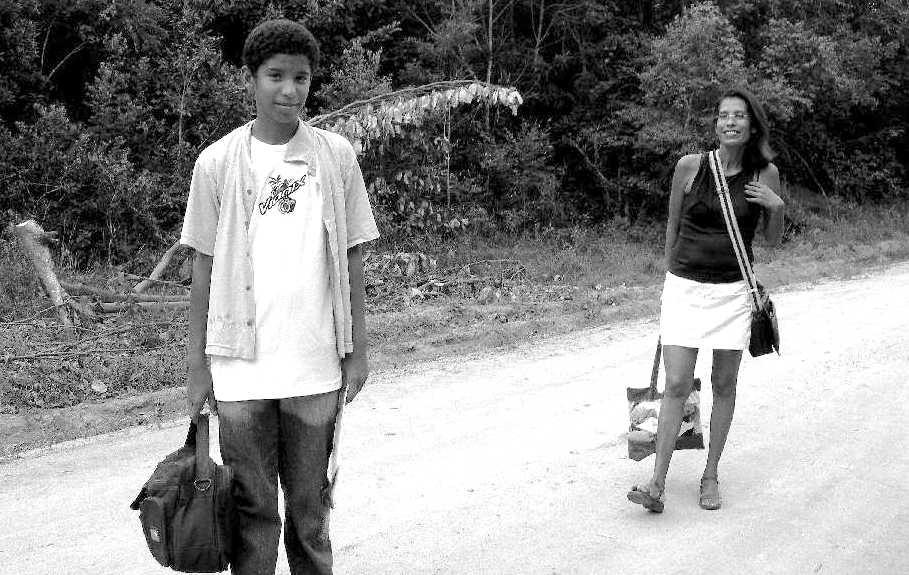
The local, state and federal panoramas became my encyclopedia of a future in which I never questioned to engage with and understand. Life, however, is not made solely by chance. My origins demanded that I join in this struggle. It began with me in a protagonist role as leader of an (MST) occupation settlement in Prado. Today I hold the temporary title of vice president of the MLT (Struggle for Land Movement).
From this introduction, I’ll speak on Brazil’s northeast region which, for the first time in the country’s history, gave voice to those who for so long were ignored and forgotten. Lula is the first president to defeat an incumbent head of state, Jair Bolsonaro, in 2022. This year he achieved another milestone, becoming the first Brazilian president to be elected (2002, 2006, 2022 and 2026) for a fourth term in office. His defeat of Flávio Bolsonaro came in the decisive second-round vote after falling well short in the first round, thus, consolidating his place as the greatest Brazilian political leader. This gives me the opportunity to be a part of history, a young man, son of Brazil’s rural interior, who sees the Workers’ Party (PT) as a chance for a better country.
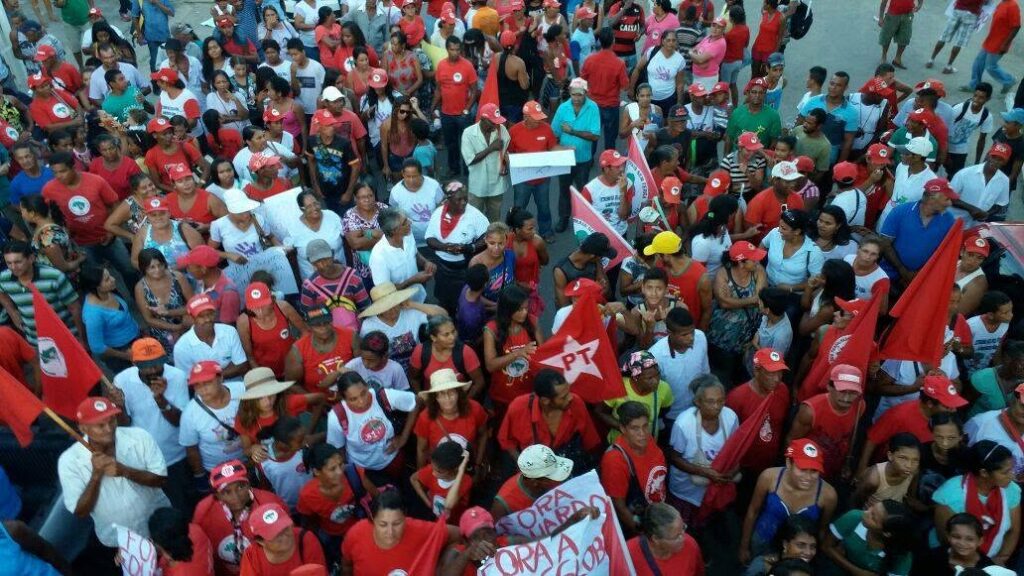
Round One
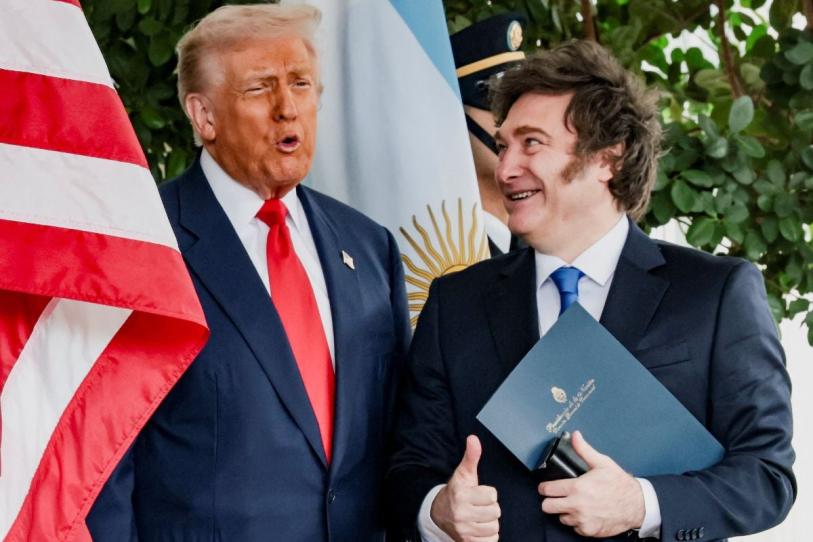
To understand Brazil’s 2026 presidential election, it is necessary to look closely at the continent. Latin America is experiencing a right-wing wave propelled by an imperialist advance spearheaded by U.S. President Donald Trump. Through his regional partner, Argentinean President Javier Milei, the virtual land grab has gained momentum across South America. Both heads of state, however, recognized Lula as an obstacle to their larger plans.
For those who observed this presidential election, it became clear that foreign interference marked the campaign. However, despite all of these efforts, the Brazilian and U.S. right, neither of which is known for their intelligence, saw their attempts to sway the election slip through their fingers.
Brazil’s presidential election kicked off with Flávio winning the first-round vote by a relatively large margin. It was marked by what we call the “salto alto” (high heel). From the point of view of a humble, everyday voter, politics, despite it being a science, is hard to comprehend at times. However, this is how it is designed. Flávio’s advantage blinded supporters of his candidacy, to the point of fomenting a climate of someone who had “already won.”
His campaign strategists and operatives forgot the sacrifices voters made in casting their ballots. Consequently, they sat back, betting on a full-scale transfer of votes cast among the overwhelmingly right-wing candidates, at least nine out of ten, in the first round. As part of this process, their major social media references, Nikolas Ferreira to name one, began running attack videos against those voters who would be their main source of support.
A leaked conversation that thanked the “old man” (Lula) for Flávio’s first-round victory, gave the impression that the incumbent president was somehow retired. However, it backfired, thus fortifying the Exército de Lula (“Lula’s Army,” a social media juggernaut supporting his presidential election campaign and spearheaded by Minas Gerais Congressman André Janones of the allied REDE Network political party).
Apart from that, social media videos that denigrated Brazil’s northeast region as being a land of wretchedly poor and miserable people, fomented a climate of indignation. This resulted in voters in the northeast increasing their presence at polling stations for the second-round vote, adding to the mix the “turnaround-vote,” mainly in the state of Bahia, the country’s fourth largest electoral college. The neighboring interior state of Minas Gerais, which often defines a presidential victor, once again proved its thermostat by placing Lula in first place, demonstrating how much it was in step with the northeast.
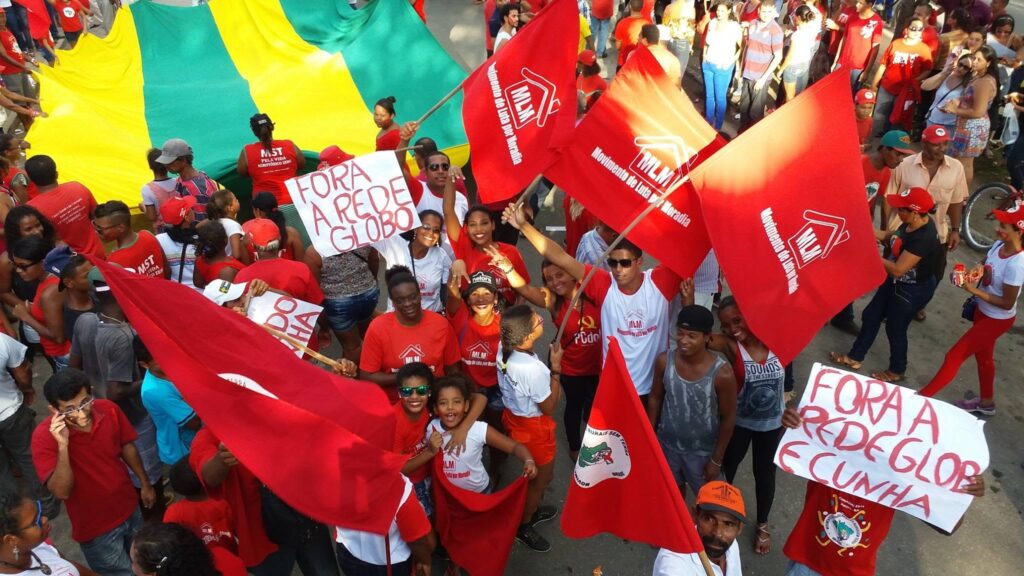
The vote for Brazil’s legislative branch favored Flávio, electing an overwhelming right-wing majority of representatives. However, their presidential hopeful showed up to the decisive second-round vote de-energized after heavy investment and time spent on the first.
What the right failed to realize was that the cost of winning the first-round vote weakened their militancy in the second. Voter abstention which adversely affected Lula in round one, began affecting Flávio, who started to believe his victory was guaranteed, regardless if people voted or abstained. Contrary to what many believed, in an imperceptible phenomenon, some of the votes cast in round one flipped in the second.
The question worth gold is: Where did the more than 10 million votes that secured Lula’s victory come from?
Decisive Round Two
On the day of the decisive second-round vote came a two-hour voting extension at polling stations that remained open. How can this be explained and understood?
Both presidential campaigns had motives to request an extension: On one hand there were heavy rains in Brazil’s southern region; on the other were maneuvers to impede the popular vote (lack of public transportation in major cities such as Salvador and São Paulo), moves dating back to the penultimate election.
The difference was that, this time, both sides requested an extension, resulting in a review followed by authorization issued by Brazil Supreme Court Justice Cristiano Zanin. Only through a lottery pick was he, Lula’s former defense attorney in multiple lawfare cases, selected to rule on the requests. Zanin’s review and ruling to extend polling stations already open by two additional hours was supervised by Kassio Nunes Marques, a more senior Supreme Court justice nominated by Lula’s predecessor, Jair Bolsonaro.
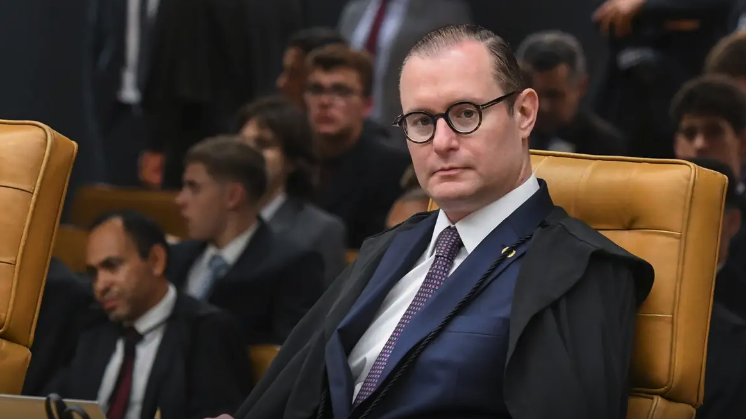
The result of Zanin’s decision was the largest demonstration of popular sovereignty: More than 64 million votes were cast for Lula, accompanied by massive street rallies in support of democracy. This re-energizes the left in Latin America and Caribbean countries. Meanwhile, the opposition simply repeat their script of past elections: When they win it is time to exalt democracy but, when they lose, complain of a coup.
A presidential candidate who flees the country after receiving 59 million votes clearly demonstrates that his commitment was not aligned with the country, rather his own ego, on a campaign based on lies and a project to flee. Even counting on international financial support and political measures that afforded munition to their Brazilian allies, their defeat, including that of the “Big-Techs Bros,” was rubber-stamped.

The biggest example of big-tech interference came from Meta. It elevated politicians and influencers, the likes of Nikolas Ferreira, into online figures with greater numbers of clicks and views than some of the most popular celebrities in the world. When asked why popular leftist social media platforms were taken offline (i.e., the Exército de Lula being the most notable during the height of this presidential election campaign), their response was due to “technical failures.”
What can be said of a man with known ties to notorious militia (para-military groups) members in Rio de Janeiro who is welcomed for a visit at the White House? As far as U.S. Secretary of State Marco Rubio is concerned, he complains to the four corners of the world of possible election fraud. Suggestions of this calibre are as hilarious as the memes and funk music of Flávio whining to the U.S. president: “Trump, Trump, protect my dad.”

In the Thick of Things
The best response to U.S. imperialism is a son who does not flee the struggle in which we are embroiled, someone who brought to the street’s university students, elders, artists and cultural promoters, political moderates to anarchists, all in a single, unified voice: “We don’t fit in nobody’s backyard.”
In this presidential election campaign, Brazilian sovereignty won over para-military hatred, the same result leads to a historical inflection point: the beginning of the end of an era known as Luíz Inácio Lula da Silva.
Those who hear such words might imagine a fairytale with flowers from the beginning to the end of the story. The PT flirted with defeat several times in its attempt to develop a perfect presidential election campaign. On the other end of the political spectrum, Bolsonarismo gained ground due to the left’s own immaturity, falsely believing that, once it had assumed power, nobody could touch it. This type of thinking helped to stimulate and fortify an adversarial monster. Now, the left’s greatest nightmare is figuring out how to govern, faced with a Brazilian legislature counting the largest far-right-wing caucus in the country’s history.
The current political scenario demands self-criticism of the left, which has drastically changed over the past years. In this process the left has also expanded. However, to be on the left is no longer an open camp. It requires enormous demands, thus turning its back on its main mission and objective, proximity to the working class with the proletariat at its base. Instead, the left has transformed into a predominantly intellectual elite, represented by a profile of those who are “owners of the truth.”
It is this group that labeled anyone who did not agree with their costumes as a “poor right-winger.” As a result, even more poor to middle-class people have distanced themselves from the left who no longer view politics as the primary/main vehicle to address the challenges and difficulties of their day-to-day lives. Instead, through discourses made by the new right, they find a culprit to blame for their frustrations. Then comes along a youth capable of earning millions by posting videos online compared to a manual, hands-on laborer struggling just to put food on the table.
The world has experienced various crises, from basic sanitation to economic, all of which is part of a larger dynamic, transforming this mix of factors into a complex equation of great variability.
Ultimately, I speak of the horizon which I face. Today, communism and socialism show what they can offer. Still, it is hard to say where they fit in totality, mainly because the world remains, predominantly, capitalist-orientated. China demonstrates that it is possible to build a new world order without invading other countries, starting wars, or killing people. Super-developed countries, after drinking from the well of capitalism, demonstrate that, in order to maintain themselves as members of the first world, it is necessary to tilt more toward socialism. Those who believe in the American dream realize that this is just an eternal promise while the transition never occurs.
In my humble opinion, we can achieve a more just society, a socialism that unites intellectuals, artists, religious devotees, all in a power composition of the proletarian state.
Diego de Bacural
Porto Seguro (Bahia, Brazil)
27th of October 2026
(translation by Julian Cola)

CovertAction Magazine is made possible by subscriptions, orders and donations from readers like you.
Blow the Whistle on U.S. Imperialism

Click the whistle and donate
When you donate to CovertAction Magazine, you are supporting investigative journalism. Your contributions go directly to supporting the development, production, editing, and dissemination of the Magazine.
CovertAction Magazine does not receive corporate or government sponsorship. Yet, we hold a steadfast commitment to providing compensation for writers, editorial and technical support. Your support helps facilitate this compensation as well as increase the caliber of this work.
Please make a donation by clicking on the donate logo above and enter the amount and your credit or debit card information.
CovertAction Institute, Inc. (CAI) is a 501(c)(3) non-profit organization and your gift is tax-deductible for federal income purposes. CAI’s tax-exempt ID number is 87-2461683.
We sincerely thank you for your support.
Disclaimer: The contents of this article are the sole responsibility of the author(s). CovertAction Institute, Inc. (CAI), including its Board of Directors (BD), Editorial Board (EB), Advisory Board (AB), staff, volunteers and its projects (including CovertAction Magazine) are not responsible for any inaccurate or incorrect statement in this article. This article also does not necessarily represent the views the BD, the EB, the AB, staff, volunteers, or any members of its projects.
Differing viewpoints: CAM publishes articles with differing viewpoints in an effort to nurture vibrant debate and thoughtful critical analysis. Feel free to comment on the articles in the comment section and/or send your letters to the Editors, which we will publish in the Letters column.
Copyrighted Material: This web site may contain copyrighted material the use of which has not always been specifically authorized by the copyright owner. As a not-for-profit charitable organization incorporated in the State of New York, we are making such material available in an effort to advance the understanding of humanity’s problems and hopefully to help find solutions for those problems. We believe this constitutes a ‘fair use’ of any such copyrighted material as provided for in section 107 of the US Copyright Law. You can read more about ‘fair use’ and US Copyright Law at the Legal Information Institute of Cornell Law School.
Republishing: CovertAction Magazine (CAM) grants permission to cross-post CAM articles on not-for-profit community internet sites as long as the source is acknowledged together with a hyperlink to the original CovertAction Magazine article. Also, kindly let us know at info@CovertActionMagazine.com. For publication of CAM articles in print or other forms including commercial internet sites, contact: info@CovertActionMagazine.com.
By using this site, you agree to these terms above.
About the Author
A former editor-at-large for African Stream and ex-staff writer at Telesur, Julian Cola is publishing a memoir of intimate, community-inspired stories titled “Proibidão (Big Prohibited): Off-Grid Correspondence From Brazil & Ecuador.”
The pre-launch is in December 2025. It includes media beefs and, having taught in the teaching-English-industrial-complex, the book discusses linguistic soft-power in the region and creative ways of dealing with it as mentioned in the essay, Listening To 2Pac In The Andes (Kawsachun News).
For more information contact: traducoessemfronteiras@protonmail.com