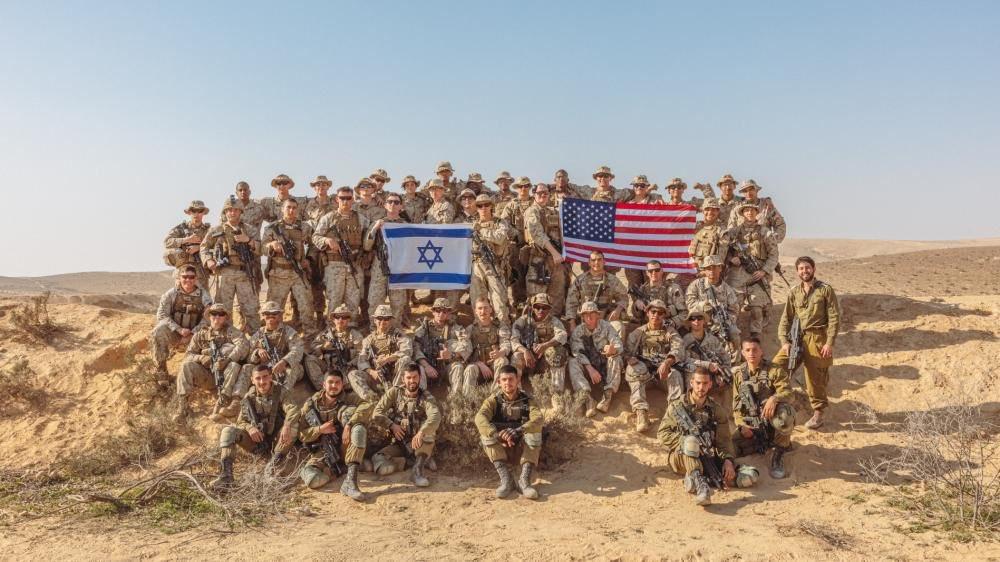
The conservative media landscape has recently been embroiled in an explosive debate about Israel.
One one side, there is former Fox News host Tucker Carlson, who has broken with Donald Trump and the MAGA universe over the Iran War, stating that Trump betrayed his anti-war election pledge because of his fealty to Israel and that the Iran War has been driven by Israel.
Carlson further suggested that Israel was an “insignificant country with no resources,” to which the U.S. should not commit taxpayer money. According to Carlson, America gets “nothing” from the relationship.”
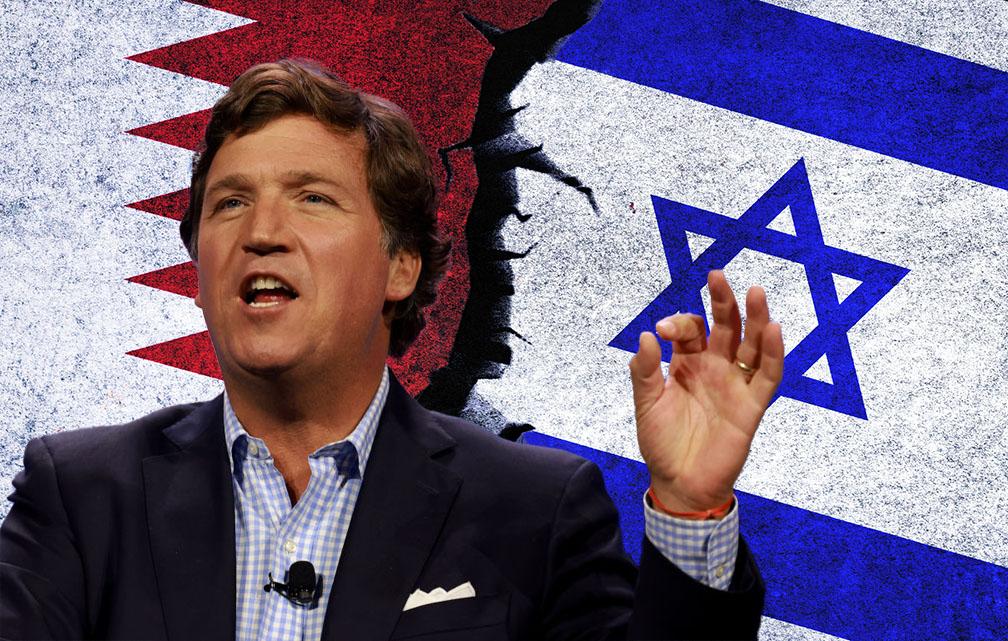
On April 25, the New York Post ran a retort to this viewpoint by Joseph Epstein, the former editor of The American Scholar from 1975 to 1997 and a writer for the neo-conservative journal Commentary.
Epstein’s article was titled “Sorry, Israel-haters—US aid pays off big for America and the numbers don’t lie.”

Liberal-progressives opposed to the genocide in Gaza and Israeli military aggression in Lebanon, Syria and Iran will rightfully object to Epstein’s language and overall argument.
In my view, however, the article is worth reading because Epstein provides some important information that helps to explain the geo-strategic imperative underlying U.S. support for Israel over so many decades.
Epstein, furthermore, debunks the narrative being promoted on both the left and right that Israel has hijacked U.S. policy when the U.S. government is the one that has used Israel to advance its power in the Middle East and, hence, bears the lion’s share of responsibility for its crimes.
After relaying Carlson’s viewpoint, Epstein begins his article by stating emphatically that Israel is “the best investment the U.S. government makes,” especially because, he says, most of the $3.8 billion in military aid that the U.S. provides to Israel annually “must be spent on American-made military equipment.”
The money is not given as charity but as a “subsidy for our own defense industrial base. Israel’s largest purchases flow to Lockheed Martin, Boeing, Raytheon and General Dynamics. The F-35 program alone—which Israel was the first to use in combat—supports 290,000 American jobs, generates $72 billion in annual economic output and has produced a $173 billion order backlog.”[1]
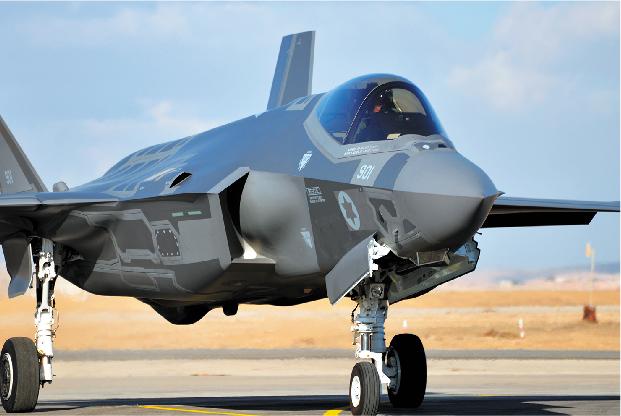
Epstein further noted that “Israel’s real-world combat testing fixed critical glitches engineers couldn’t replicate in a lab, contributing to over $40 billion in export sales….Israel also shares daily operational lessons from every American weapons system it fields, saving an estimated 10 to 20 years and potentially billions in research and development.”
These latter comments imply that the Palestinians are functioning as human guinea pigs for the testing of advanced American weapons systems—which, unfortunately, is a reality.
Epstein goes on to detail the value of Israeli intelligence assistance to the U.S., quoting from Air Force General George Keegan, Jr., who stated decades ago that “the intel Israel provides would cost America ‘five CIAs’ to produce independently.”
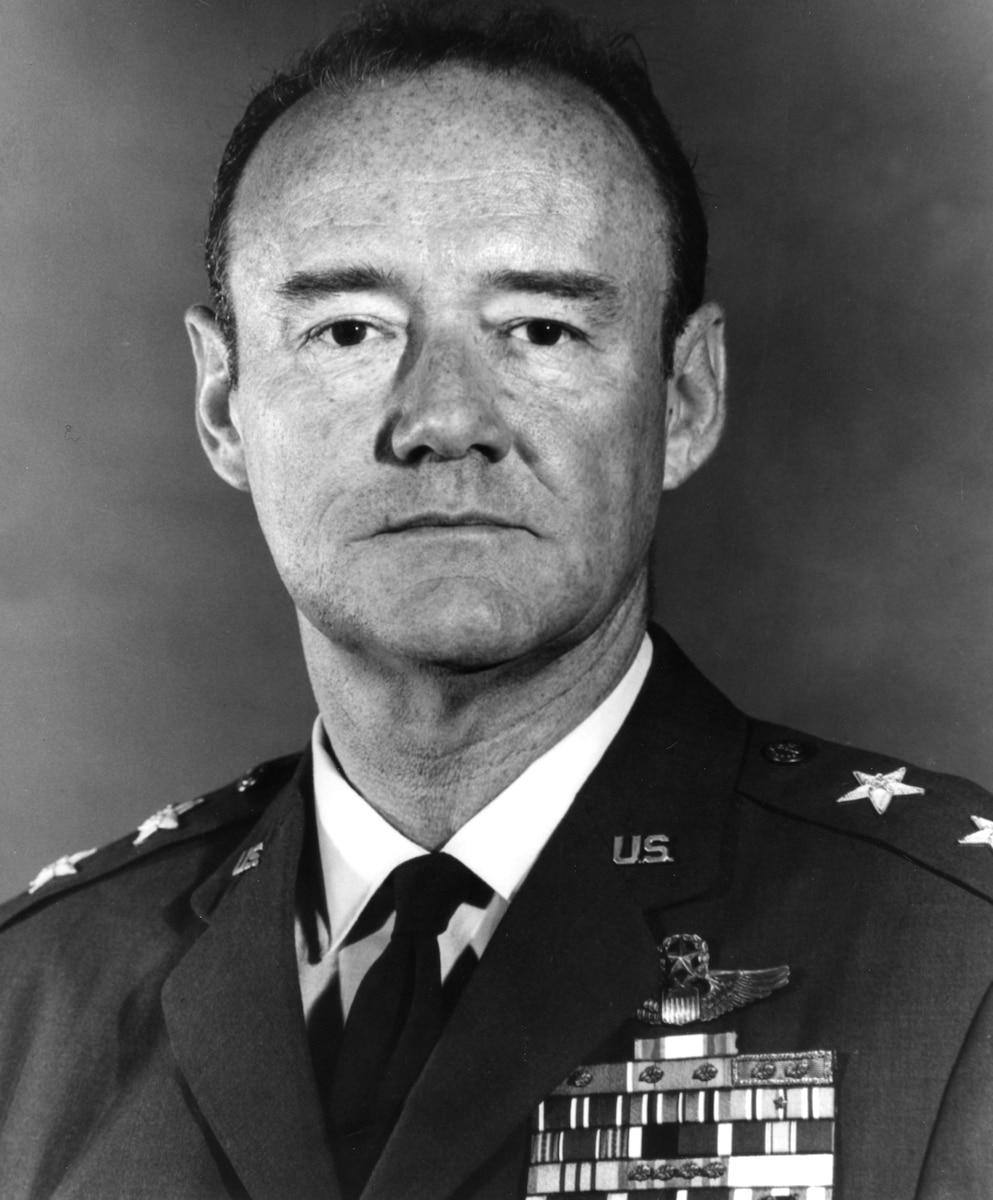
This is a significant statement highlighting the strategic importance of Israel to U.S. imperial designs in the Middle East, which, as Epstein points out, “sits atop 48% of global oil reserves and straddles the shipping lanes between Asia and the West.”
In 2021, the Pentagon formally moved Israel into U.S. Central Command—institutional recognition that the Jewish state was America’s strategic anchor in the Middle East.
According to Epstein, “a single Gerald R. Ford-class carrier costs $13 billion to build and up to $8 million per day to operate—and experts have assessed that Israel’s military effectively replaces multiple U.S. aircraft carriers and ground divisions across the Mediterranean, Red Sea and Persian Gulf. That’s without a single permanent U.S. soldier stationed there, while in Europe we spend $25 billion to $30 billion a year to station 80,000 troops.”
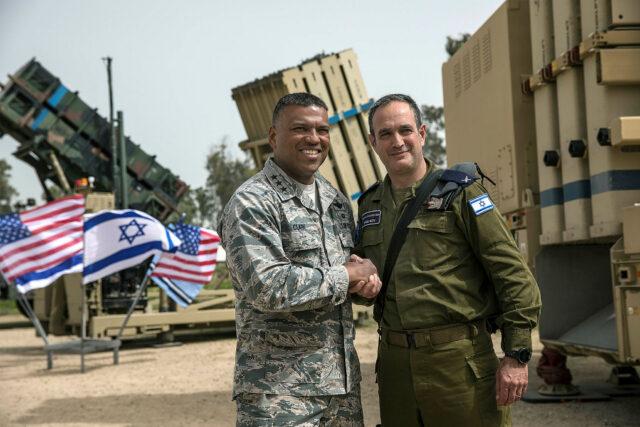
Additionally, Epstein suggested that “Israel’s June 2025 air offensive against Iran—featuring 200 U.S.-made F-35s, F-16s and F-15s—was the most consequential live demonstration of American air superiority in a generation. It exposed the vulnerabilities of Russian and Chinese air defenses, tilted the global balance of power in Washington’s favor and became the best sales pitch Lockheed Martin could ever ask for.”
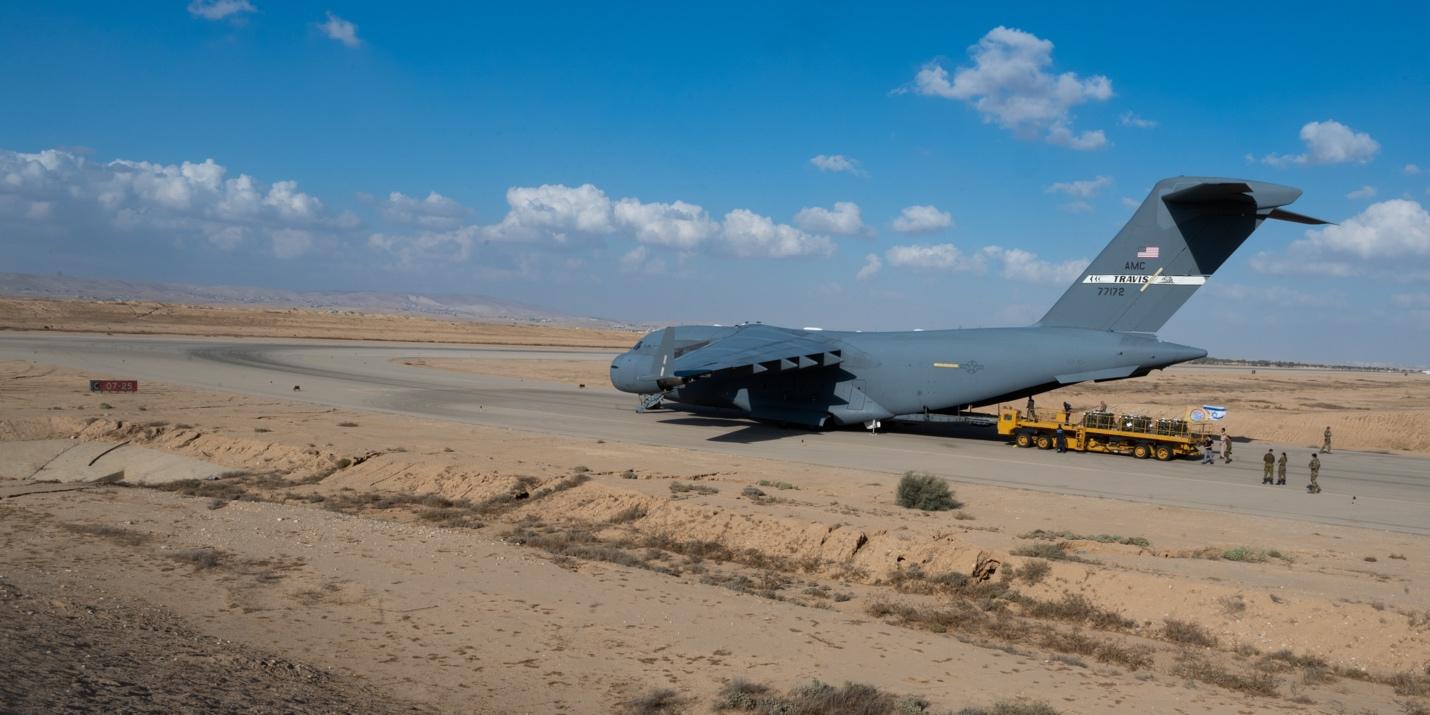
To help advance his argument, Epstein could have addressed the not-so-secret U.S. military bases in the Negev desert, the potential bonanza from oil deposits off the Gaza coast, a $35 billion gas deal signed by Israel with Chevron in December 2025, and U.S.-Israeli cooperation in the overthrow of Syrian leader Bashar al-Assad.
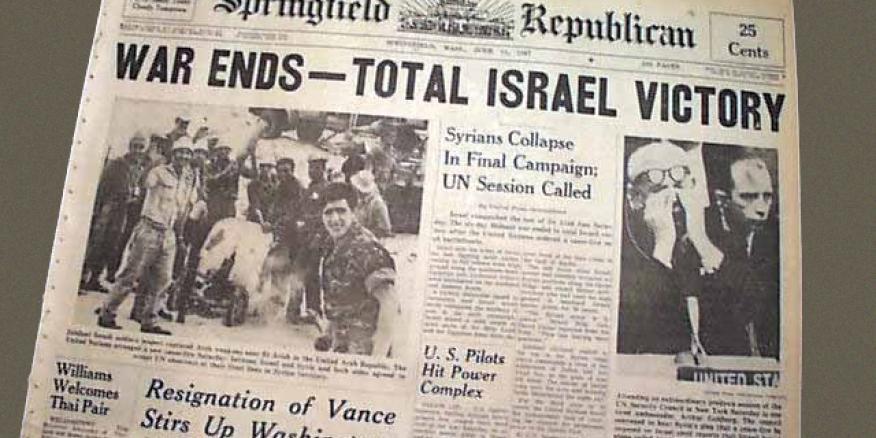
In addition, he could have compared the Iran War with previous wars that Israel has fought as a stand-alone proxy for the U.S., including especially the 1967 Six-Day War where Israel delivered a hammer blow to Egyptian leader Gamal Abdel Nasser, whose calls to unify various Arab countries under socialism had made him the bête noir of U.S. foreign policy.
Israeli Mossad agents have further been used to perform dirty work for the U.S. empire in Africa, helping to support guerrilla movements and fortify right-wing governments in mineral and oil-rich countries like Uganda, the Democratic Republic of Congo, Cameroon and Sudan, among others.[2]
Recognition of this history helps to undercut the argument that Donald Trump and Joe Biden were manipulated by Benjamin Netanyahu—a claim that personalizes politics too much and obfuscates the underlying geo-political calculations shaping the special U.S.-Israel relationship.
In an informative article in New Eastern Outlook that aims to debunk the myth that the U.S. attacked Iran on behalf of Israel, Brian Berletic emphasizes that the U.S. war in Iran is part of a “decades-spanning U.S. project to assume complete control over the Middle East and the oil and gas that is produced and exported from the region,” which has made use of Israel as a pivotal proxy.
A main intent of the war, according to Berletic, is to cut off Iranian oil supplies to China and the rest of Asia and to have U.S.-based oil and gas companies pick up the market share (as they have in Europe as a result of the Ukraine War and destruction of the Nord Stream pipeline) and transform Asian countries surrounding China—like the Philippines, Vietnam and Japan—into oil-dependent U.S. satrapies capable of serving as a base for a war on China, America’s top geo-strategic rival.

While the Israeli lobby is certainly a significant force, including especially within the legislative branch of government (Congress), the U.S. executive branch generally would not continue to support Israel unless there was a rational reason behind it.
In the late 1940s, there was an element of the U.S. governing elite, led by Defense Secretary James Forrestal and CIA operative Archie Roosevelt, Jr., that argued that U.S. support for Israel would anger the Arab states and jeopardize U.S. access to the Middle East’s oil treasures. Roosevelt set up the American Friends of the Middle East (AFME) to promote pro-Arab policies and counter Zionism.[3]
However, the Forrestal-Roosevelt faction was defeated (Forrestal was himself killed under suspicious circumstances) and, from the Kennedy era onwards, the U.S. armed Israel to the hilt and supported it as part of its imperialistic strategy.


The more progressives recognize and understand this, the more they can channel their activism constructively. A main focus should be on building an anti-imperialist movement that challenges the drive for world domination that has led the U.S. to ally with Israel, along with other human rights-abusing countries around the world.[4]

Epstein pointed out that Israeli firms are the second-largest source of foreign listings on NASDAQ, and Israeli investment in the United States has tripled to nearly $24 billion. In New York alone, 600 Israeli-founded companies generated $19.5 billion in output last year and supported 57,000 jobs; bilateral trade tops $49 billion. ↑
See Andrew and Leslie Cockburn, Dangerous Liaison: The Inside Story of the U.S.-Israeli Covert Relationship (New York: HarperCollins, 1991). ↑
For more on AFME and Roosevelt, see Hugh Wilford, America’s Great Game: The CIA’s Secret Arabists and the Shaping of the Modern Middle East (New York: Basic Books, 2013). ↑
Some of the worst of these governments include: Ukraine, Rwanda, Saudi Arabia, Syria, Cameroon, El Salvador, Uganda, the United Arab Emirates, Argentina, Bangladesh and the Philippines. ↑
CovertAction Magazine is made possible by subscriptions, orders and donations from readers like you.
Blow the Whistle on U.S. Imperialism

Click the whistle and donate
When you donate to CovertAction Magazine, you are supporting investigative journalism. Your contributions go directly to supporting the development, production, editing, and dissemination of the Magazine.
CovertAction Magazine does not receive corporate or government sponsorship. Yet, we hold a steadfast commitment to providing compensation for writers, editorial and technical support. Your support helps facilitate this compensation as well as increase the caliber of this work.
Please make a donation by clicking on the donate logo above and enter the amount and your credit or debit card information.
CovertAction Institute, Inc. (CAI) is a 501(c)(3) non-profit organization and your gift is tax-deductible for federal income purposes. CAI’s tax-exempt ID number is 87-2461683.
We sincerely thank you for your support.
Disclaimer: The contents of this article are the sole responsibility of the author(s). CovertAction Institute, Inc. (CAI), including its Board of Directors (BD), Editorial Board (EB), Advisory Board (AB), staff, volunteers and its projects (including CovertAction Magazine) are not responsible for any inaccurate or incorrect statement in this article. This article also does not necessarily represent the views the BD, the EB, the AB, staff, volunteers, or any members of its projects.
Differing viewpoints: CAM publishes articles with differing viewpoints in an effort to nurture vibrant debate and thoughtful critical analysis. Feel free to comment on the articles in the comment section and/or send your letters to the Editors, which we will publish in the Letters column.
Copyrighted Material: This web site may contain copyrighted material the use of which has not always been specifically authorized by the copyright owner. As a not-for-profit charitable organization incorporated in the State of New York, we are making such material available in an effort to advance the understanding of humanity’s problems and hopefully to help find solutions for those problems. We believe this constitutes a ‘fair use’ of any such copyrighted material as provided for in section 107 of the US Copyright Law. You can read more about ‘fair use’ and US Copyright Law at the Legal Information Institute of Cornell Law School.
Republishing: CovertAction Magazine (CAM) grants permission to cross-post CAM articles on not-for-profit community internet sites as long as the source is acknowledged together with a hyperlink to the original CovertAction Magazine article. Also, kindly let us know at info@CovertActionMagazine.com. For publication of CAM articles in print or other forms including commercial internet sites, contact: info@CovertActionMagazine.com.
By using this site, you agree to these terms above.
About the Author
Jeremy Kuzmarov holds a Ph.D. in American history from Brandeis University and has taught at numerous colleges across the United States. He is regularly sought out as an expert on U.S. history and politics and co-hosts a radio show on New York Public Radio and on Progressive Radio News Network called “Uncontrolled Opposition.”
He is Managing Editor of CovertAction Magazine and is the author of eight books, including Obama’s Unending Wars (Clarity Press, 2019), The Russians Are Coming, Again, with John Marciano (Monthly Review Press, 2018), Warmonger. How Clinton’s Malign Foreign Policy Launched the U.S. Trajectory From Bush II to Biden (Clarity Press, 2023); with Dan Kovalik, Syria: Anatomy of Regime Change (Baraka Books, 2025), and Political Assassinations in America: The Intricate Nexus of Deep State Crime (Clarity Press, 2026).
Besides these books, Kuzmarov has published hundreds of articles and contributed to numerous edited volumes, including one in the prestigious Oxford History of Counterinsurgency .
He can be reached at jkuzmarov2@gmail.com and found on substack here.









There is a brief reference to Nasser is this article. Nasser was not a good guy as described in this article. People who admire Nasser are out of touch with reality.
https://engelsbergideas.com/reviews/nassers-children/