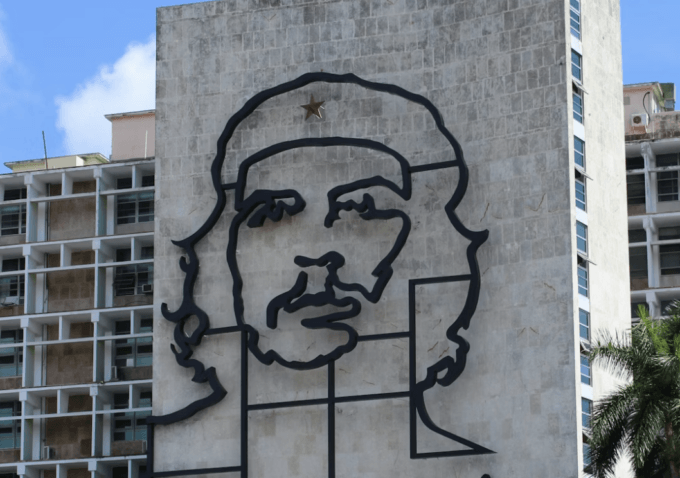
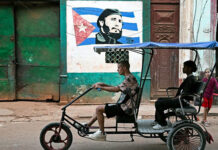
Veteran Intelligence Professionals for Sanity (VIPS) recently issued a memo which states: Cuba is not Venezuela. What does that mean? “The same people who keep ’57 Chevrolets on the road with a coat hanger will wreak havoc against a foreign-imposed regime.”
In 1975, Jamaica’s socialist Prime Minister Michael Manley expressed support for Cuba’s solidarity with the Angola liberation struggle.
He later described Henry Kissinger’s response: “Suddenly he [Kissinger] raised the question of Angola and said he would appreciate it if Jamaica would at least remain neutral on the subject of the Cuban army presence in Angola. I told him that I could make no promises but would pay the utmost attention to his request…and that before taking any official position on it internationally, I would communicate with him in Washington. Afterwards Kissinger…brought up…the Jamaican proposal for the hundred million dollar trade credit…I had the feeling he was sending a message.”
“We took the Angolan situation seriously. We knew what Jamaica’s duty must be. Within five days of his leaving, I let Kissinger know that Jamaica had decided to support the Cuban army presence in Angola because we were satisfied that they were there because of the South African invasion. The Jamaican government then publicly announced its support for Cuba in Angola. I never heard another word about the hundred million dollar trade credit. Soon after the news that Jamaica was supporting Cuba, Kissinger confidante, James Reston of The New York Times, wrote a vicious and utterly inaccurate article about Jamaica….This started a chain reaction in the US press which never ceased until we were finally defeated in the elections of October 1980.”
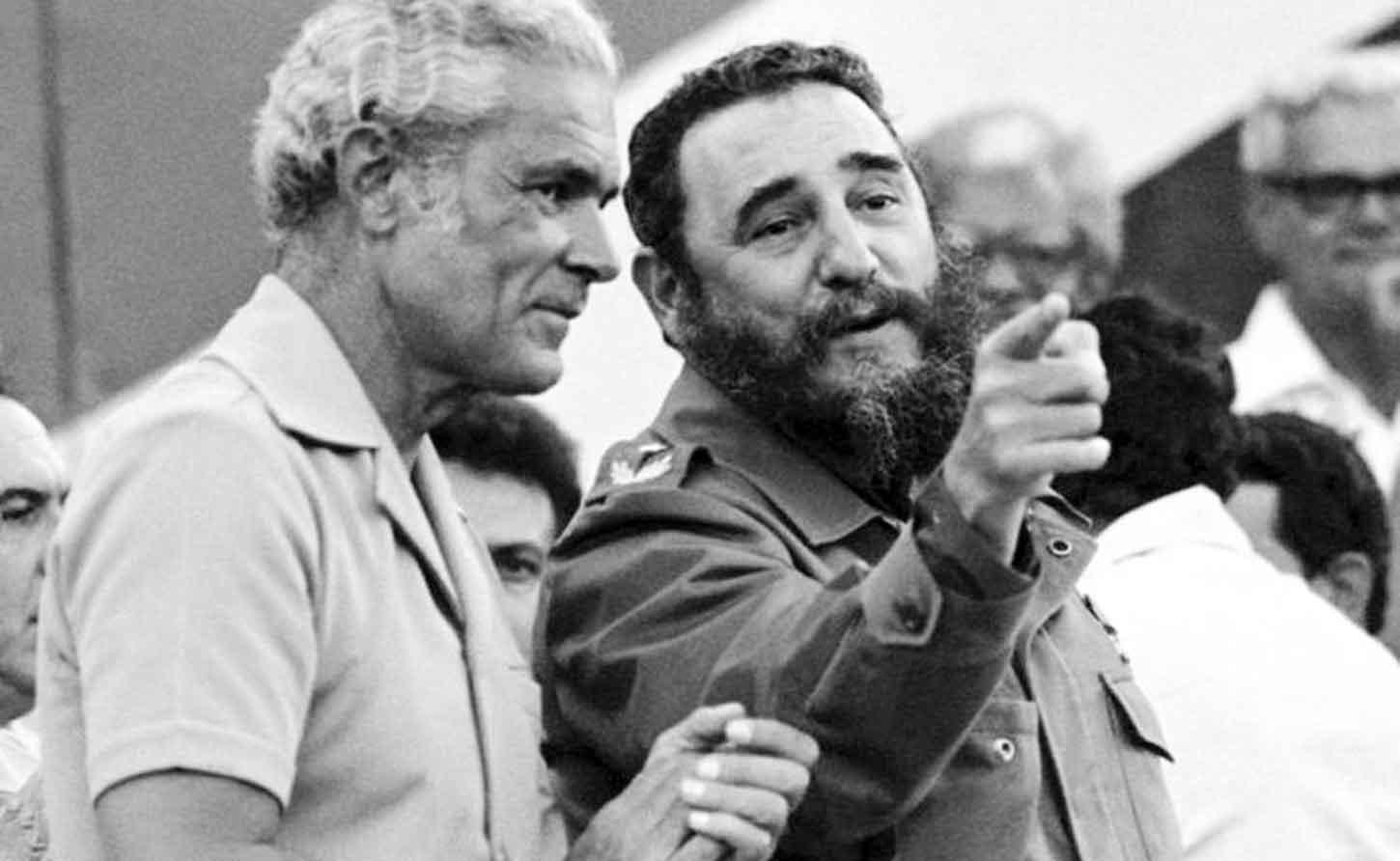
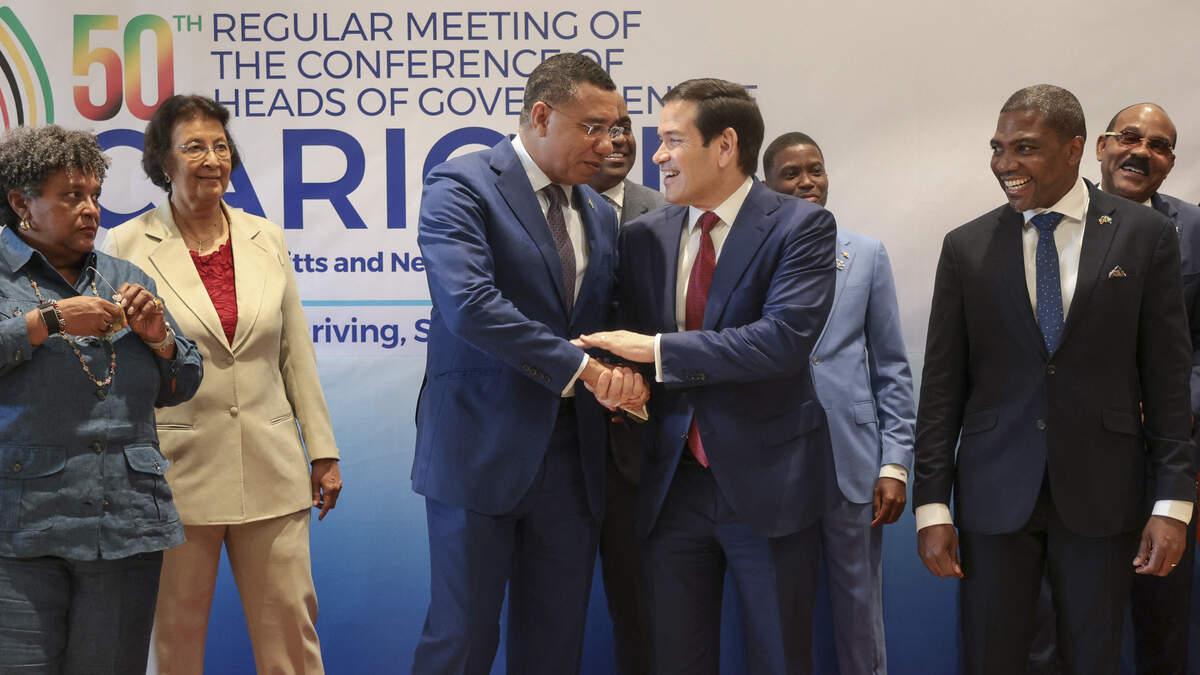
The days of Michael Manley’s support of Cuba are long gone, but recently, current Jamaica Prime Minister Andrew Holness expressed concern for the humanitarian crisis in Cuba. As a result, soon thereafter, the U.S. directed Jamaica to end its five-decade program with Cuba to provide doctors and other health-care workers to Jamaica’s poor, and Jamaica complied. Sovereignty means the power of a country to control its own government. If Jamaica needed to comply, is it sovereign?
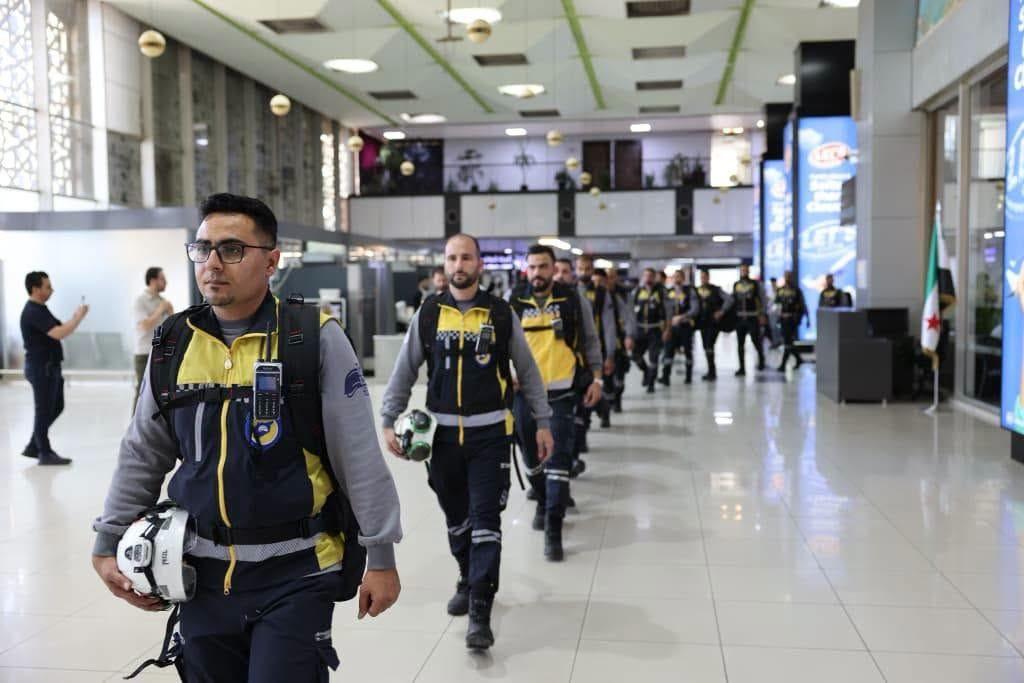
Has Venezuela compromised its sovereignty? Kit Klarenberg recently published The White Helmets Invade Venezuela, which states that on June 27th, a “specialized” team of “highly trained search and rescue specialists” flew into Venezuela from Damascus.
Syrian head-chopper/leader Ahmad al-Sharaa ordered the group to assist disaster efforts in response to Venezuela’s devastating twin earthquakes. “Among them are members of the notorious White Helmets. A bogus humanitarian group constructed by MI6, they played a central role in Britain’s protracted coup of Bashar Assad. Are the White Helmets similarly in Venezuela to assist regime change?”
It is stark irony that the White Helmets’ expertise in dealing with complex rubble and the extraction of trapped survivors thanks to the West’s dirty war against Assad, will be used to participate in international emergency response missions, “with Venezuela being their debut,” states Klarenberg.
He continues: “The White Helmets will ‘work in close coordination’ with international rescue units in shattered Caracas for up to 10 days, ‘with the possibility of extending the mission depending on operational requirements and developments on the ground.’ An ‘operational requirement’ of the rescuers may be assisting in the construction of quasi-state structures in Venezuela, a la Syria, ensuring Western powers have the requisite people, organisations and structures in place locally to take over when the embattled interim government of Delcy Rodríguez finally collapses.”
There is still a dispute about reports in the Miami Herald that former Venezuelan Vice President Delcy Rodríguez, now Acting President with the approval of the U.S., had reached out to Washington to present a “more acceptable” alternative to the Maduro regime before his kidnapping in January. The Telegraph quotes Francisco Santos Calderón, Colombia’s former vice president of eight years: “I’m absolutely certain Delcy Rodríguez handed [Maduro] over. All the information we have, you start to put it together and say: ‘Oh, this was an operation in which they handed him over…’ They didn’t remove him. They handed him over.”
Regardless of whether Rodríguez explicitly cooperated with the plot to remove Maduro, these facts are not in dispute: After Maduro and his wife were kidnapped, Trump threatened, “If she [Rodríguez] doesn’t do what’s right, she is going to pay a very big price, probably bigger than Maduro.” It appears she did what Trump declared was “right.”
According to Venezuela Analysis, since Maduro’s abduction, Rodríguez has fast-tracked a diplomatic rapprochement with the U.S., and reformed oil and mining legislation to favor Western investment. The U.S. continues to dictate conditions on Venezuela’s energy industry for the benefit of U.S. and Western corporations and issued multiple sanctions waivers to allow Western corporations to secure favorable energy and mining agreements.
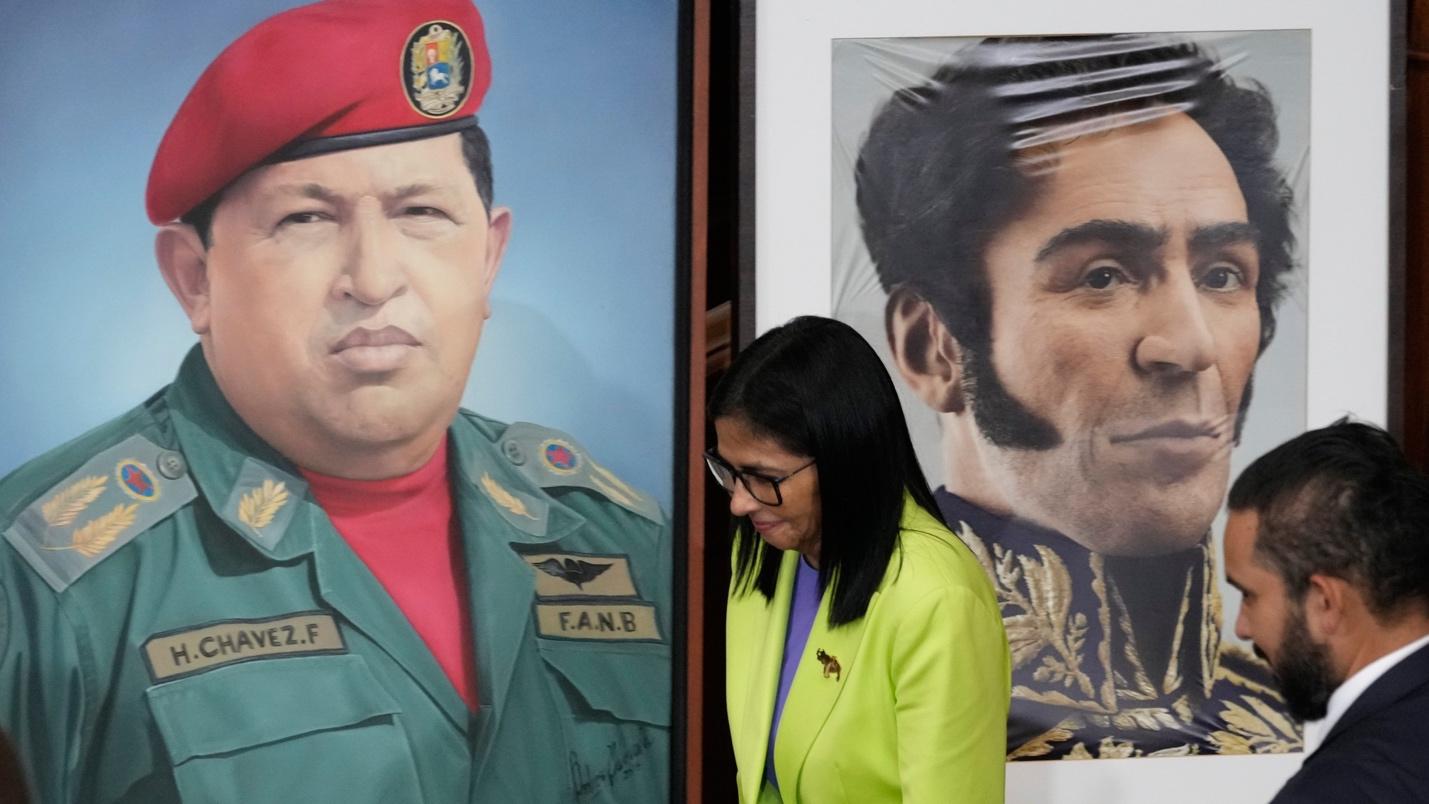
The U.S. seized control of Venezuelan export revenues, disbursing a portion back to Caracas at U.S. officials’ discretion. Transactions between Caracas and its allies China, Russia, Cuba and Iran are prohibited by the waivers and subject to secondary sanctions. The U.S. demands “ending oil shipments to Cuba, halting cocaine trafficking routes [allowing extrajudicial murder on the open seas (Ed.)], curbing Iranian and Russian access, and opening Venezuela’s energy sector to U.S. companies…”
Trump then declared, “Because of this cooperation, I have cancelled the previously expected second Wave of Attacks…however, all ships will stay in place for safety and security purposes.” The U.S. then lifted sanctions on Rodríguez herself and, in April, the U.S. Department of the Treasury announced it would issue new licenses to allow transactions with certain Venezuelan banks and individuals.
The Grayzone recently published a scathing piece entitled “Delcy’s ‘gatekeeper’: sources say ex-Trump official Claver-Carone holds keys to Caracas.” The article noted that, according to an insider who enjoys close contacts within both the Venezuelan and U.S. governments, Marco Rubio’s influence over Rodríguez is said to be “traced to one ‘gatekeeper’: former Trump Latin America envoy Mauricio Claver-Carone. ‘Mauricio is picking who can operate and Delcy [Rodríguez] is taking instructions. Now he’s got a lock on everything…He could say to anyone who wants to work in Venezuela, I’m the guy. I have the keys. If you want to play ball, invest with me,” the source told The Grayzone.
A former senior U.S. official with access to leadership in both Caracas and Washington offered the same assessment, remarking to The Grayzone, “Mauricio’s calling the shots on private sector economic positions, and if anyone wants in, they have to go to him.”
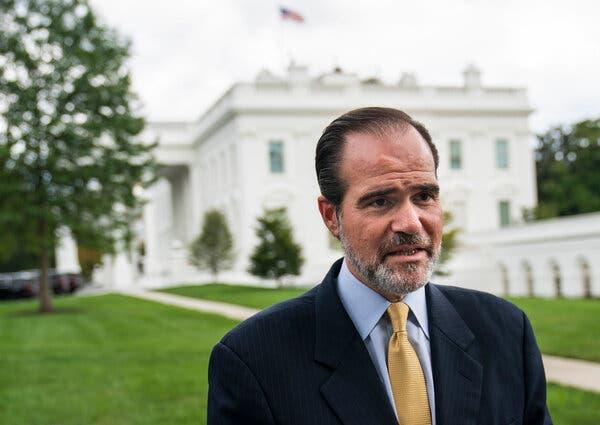
When the Trump administration announced that Venezuela could hire a financial adviser to assist with its sovereign debt, Rodríguez initially planned a public bidding process for the coveted post, but Claver-Carone ultimately chose the person.
Consortium News reported that Trump announced, “We are going to run the country until such time as we can see a proper and judicious transition. We can’t take a chance that someone else takes over Venezuela who doesn’t have the good of the Venezuelan people in mind.”
If Trump were truly concerned about the Venezuelan people, he would end the sanctions to facilitate disaster relief. But to add insult to injury, even after the double earthquakes, Washington is maintaining its punishing economic sanctions against Venezuela.
The U.S. Treasury Department issued a general license to authorize transactions related to earthquake relief efforts, but Venezuelan assets abroad, including bank accounts, remain frozen, so aid efforts still face hurdles or require U.S. approval.
Caracas has also been unable to access some $4.8 billion in gold held by the Bank of England, as well as nearly $5 billion in IMF Special Drawing Rights.
CodePink states: “Too often, we’ve seen the U.S. and other Western countries exploit natural disasters like this in order to deepen foreign control. In Haiti, the U.S. and its allies have repeatedly pushed militarization and politically conditioned aid instead of genuine recovery led by the country itself…The world must refuse to allow Venezuela to be forced down the same path.”
So not only is Venezuela unable to exercise its sovereign rights as a country, but its capitulation to Uncle Sam has not even resulted in true assistance with this national tragedy. Regime change is never for the benefit of the country targeted, but only for U.S. financial and hegemonic interests. When choreographed from outside the target country, regime change is an attack on sovereignty.
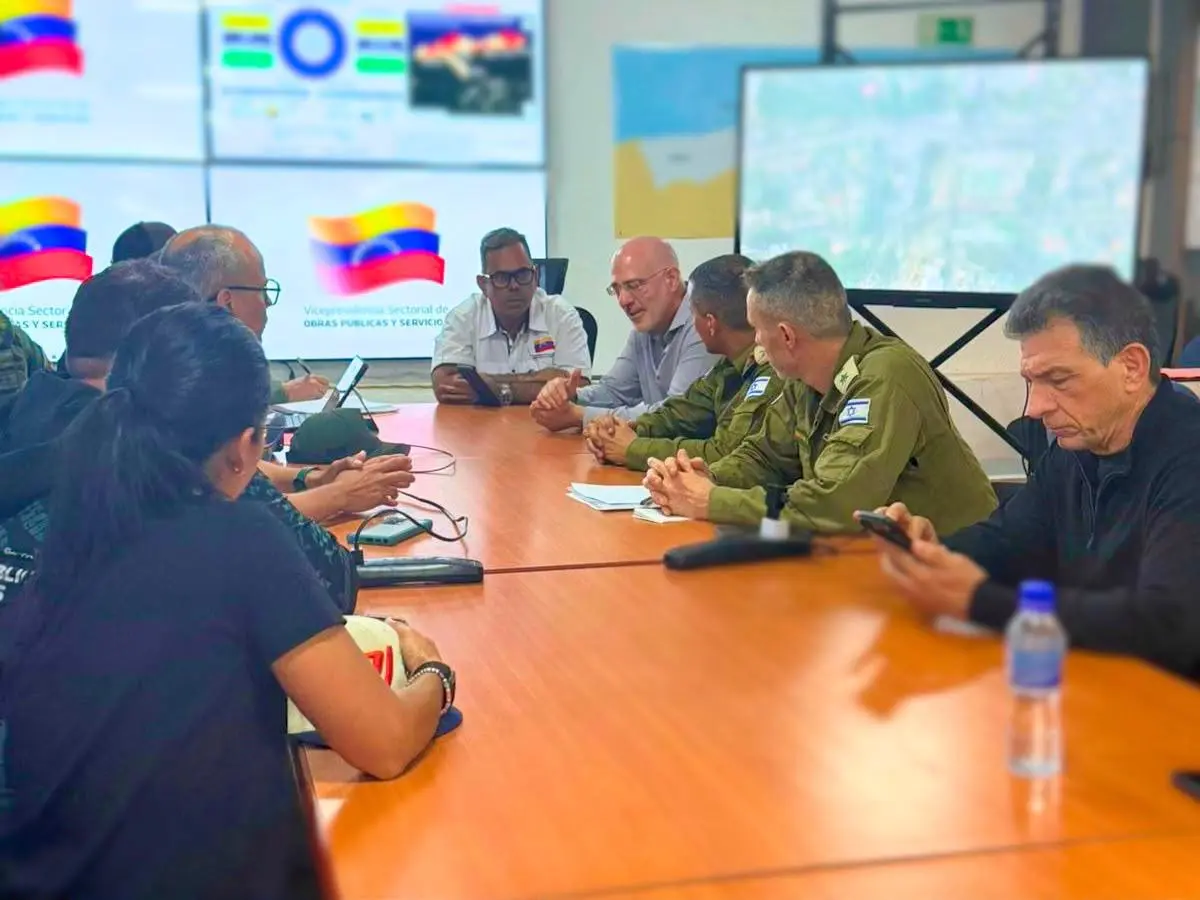
To add further insult to injury, Venezuela Analysis reports that the Venezuelan government has welcomed an official Israeli delegation for hurricane relief, in the first significant bilateral engagement since former President Hugo Chávez severed ties with Israel in 2009.
Chávez fiercely denounced Operation Cast Lead as “genocide” and voiced solidarity with the Palestinian people. Maduro maintained Chávez’s policy position condemning Israeli military occupation and war crimes in Gaza and Lebanon, as well as the June 2025 Twelve-Day War against Iran.
The Maduro government publicly endorsed South Africa’s activation of the Genocide Convention against Israel at the International Court of Justice (ICJ) in 2024.
The arrival of an Israeli mission has drawn backlash from the Chavista grassroots. Hindu Anderi, spokesperson for the Platform of Solidarity with the Palestinian Cause, slammed the “hypocrisy” of Israel claiming the mantle of humanitarianism amid its ongoing genocides in Gaza and Lebanon.
According to Anderi, “the Zionist regime wants to whitewash its record through rescue teams…after condemning the Palestinian people to rubble.” Was Rodríguez free to say no? If not, is Venezuela sovereign?
The proposed merger of the U.S. and Israeli militaries raises the question of sovereignty as well. Dennis and Elizabeth Kucinich recently condemned Congress’s plans in the 2027 NDAA to deepen U.S. strategic integration with Israel as a plan to surrender sovereignty.
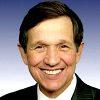
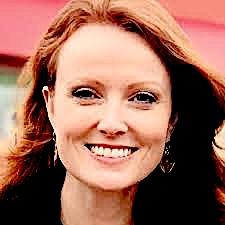
Section 224 of the House Armed Services Committee chairman’s mark for the FY27 NDAA would expand cooperation in defense research, development, testing, evaluation, production and sustainment. The proposal goes beyond traditional foreign military sales and existing cooperative programs by encouraging closer collaboration among government agencies, defense contractors, research institutions and technology developers from both countries.
After the House narrowly passed the bill, Thomas Massie (R-KY) said “Let’s hope this version fails in the Senate because Section 2019 is a betrayal of our sovereignty.”
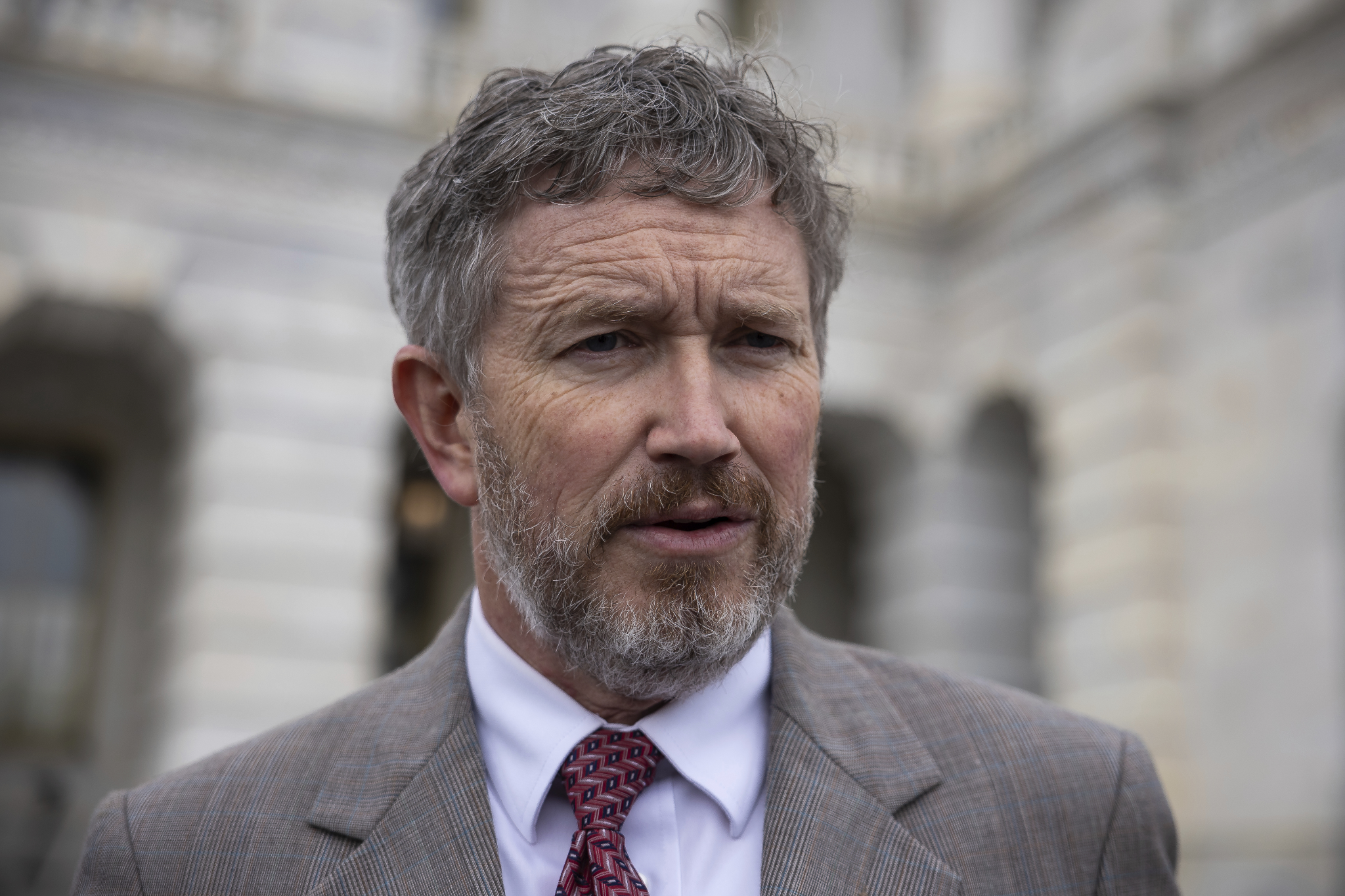
With a large majority of Americans opposed to Israel’s daily acts of genocide, why would Congress propose such a military partnership? Because of the astronomical congressional contributions from AIPAC, some say Congress is Israeli-occupied territory. If the U.S. puts Israel first, and not its own interests, is the U.S. sovereign? Whose interests are shaping foreign policy? The Epstein Syndicate?
Cuba is one of the few challengers to U.S. hegemony still standing. The U.S. has waged a bipartisan war against Cuba for the “sin” of reclaiming national sovereignty, punishing Cuba for its defiance.
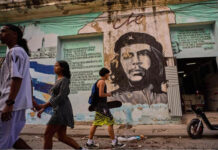
Eric Ross, a Ph.D. candidate in the History Department of the University of Massachusetts, Amherst, asserts that “Despite this long war against Cuba, the Cuban government and people have not abandoned their revolutionary project. They have continued to build socialism and a new social order toward what Che Guevara described as the construction of “new [people]”: human beings whose motivations, commitments and social relations are not governed by opportunistic self-interest at the expense of others, but by solidarity and a shared sense of collective humanity.”
Ross continued: “For more than six decades then, Cuba has represented the ‘threat’ of example: the possibility of building a more just and humane society in which the state serves the people and not the other way around…Since 1959, Washington has pursued a singular, near-fanatical obsession with reversing the Cuban Revolution and restoring the neocolonial shackles it once imposed on the island. Its aim has been not only to undermine Cuba’s social transformation and internationalist commitments, but to extinguish the example the revolution represented: that an alternative to U.S. hegemony and capitalist underdevelopment was possible.”
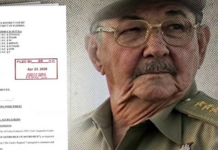
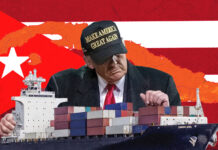
Recently, CIA Director John Ratcliffe went to Havana to demand economic “reforms” and the closing of Russian and Chinese listening posts in exchange for U.S. assistance after Cuba declared its fuel reserves had run out. Cuba has not succumbed.
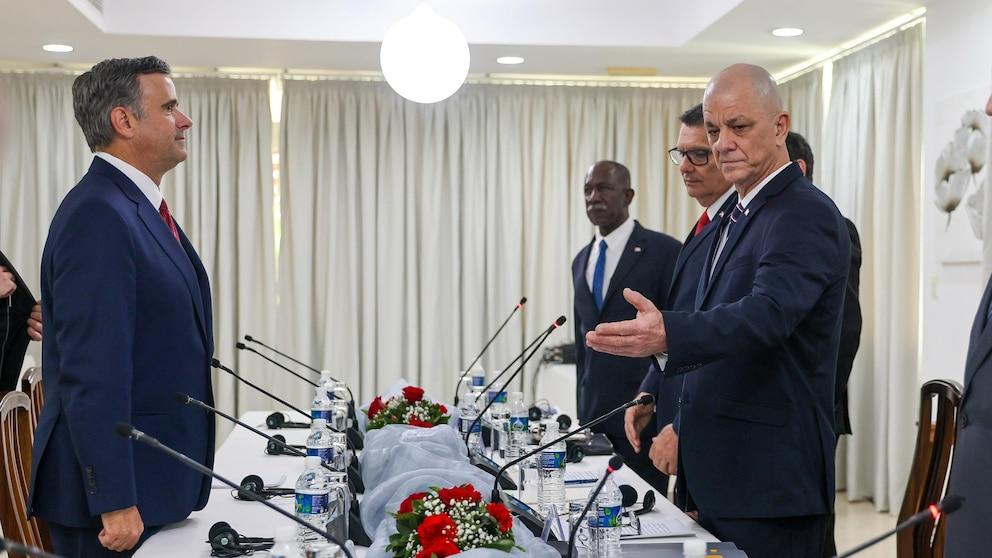
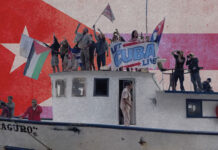
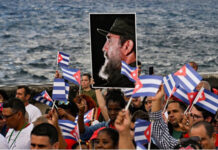
Instead, the Cuban people have vowed to resist a new U.S. invasion. The small island of Cuba, with its indefatigable, courageous and compassionate people, will never succumb to threats and give up their sovereignty.
Cuban President Miguel Díaz-Canel said Cuba is a “free sovereign state” with the right to “self-determination,” and it is not “subject to the designs of the United States.” Apparently, Cuba is not Venezuela. Cuba would rather go down fighting.
It’s better to die free, than live as a slave.
–Frederick Douglass

CovertAction Magazine is made possible by subscriptions, orders and donations from readers like you.
Blow the Whistle on U.S. Imperialism

Click the whistle and donate
When you donate to CovertAction Magazine, you are supporting investigative journalism. Your contributions go directly to supporting the development, production, editing, and dissemination of the Magazine.
CovertAction Magazine does not receive corporate or government sponsorship. Yet, we hold a steadfast commitment to providing compensation for writers, editorial and technical support. Your support helps facilitate this compensation as well as increase the caliber of this work.
Please make a donation by clicking on the donate logo above and enter the amount and your credit or debit card information.
CovertAction Institute, Inc. (CAI) is a 501(c)(3) non-profit organization and your gift is tax-deductible for federal income purposes. CAI’s tax-exempt ID number is 87-2461683.
We sincerely thank you for your support.
Disclaimer: The contents of this article are the sole responsibility of the author(s). CovertAction Institute, Inc. (CAI), including its Board of Directors (BD), Editorial Board (EB), Advisory Board (AB), staff, volunteers and its projects (including CovertAction Magazine) are not responsible for any inaccurate or incorrect statement in this article. This article also does not necessarily represent the views the BD, the EB, the AB, staff, volunteers, or any members of its projects.
Differing viewpoints: CAM publishes articles with differing viewpoints in an effort to nurture vibrant debate and thoughtful critical analysis. Feel free to comment on the articles in the comment section and/or send your letters to the Editors, which we will publish in the Letters column.
Copyrighted Material: This web site may contain copyrighted material the use of which has not always been specifically authorized by the copyright owner. As a not-for-profit charitable organization incorporated in the State of New York, we are making such material available in an effort to advance the understanding of humanity’s problems and hopefully to help find solutions for those problems. We believe this constitutes a ‘fair use’ of any such copyrighted material as provided for in section 107 of the US Copyright Law. You can read more about ‘fair use’ and US Copyright Law at the Legal Information Institute of Cornell Law School.
Republishing: CovertAction Magazine (CAM) grants permission to cross-post CAM articles on not-for-profit community internet sites as long as the source is acknowledged together with a hyperlink to the original CovertAction Magazine article. Also, kindly let us know at info@CovertActionMagazine.com. For publication of CAM articles in print or other forms including commercial internet sites, contact: info@CovertActionMagazine.com.
By using this site, you agree to these terms above.
About the Author
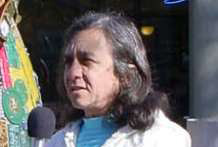
Riva Enteen is the former Program Director of the San Francisco National Lawyers Guild.
She is a lifelong peace and justice activist, retired social worker, lawyer, and editor of “Follow the Money,” interviews by Pacifica Radio Flashpoints producer Dennis J. Bernstein.
In 2019, she went to Russia with a 50-member peace delegation. Black Agenda Report printed many of her articles.
Riva can be reached at rivaenteen@gmail.com.


Does accepting aid compromise sovereignty? Not inherently. Accepting life-saving search-and-rescue assistance during a catastrophic natural disaster is a standard exercise of sovereign state decision-making, even if it creates friction with domestic ideological purists. Sovereign nations routinely balance geopolitical hostility with pragmatic humanitarian necessity during emergencies.
It is okay to be critical of Israel, and certainly Israel needs change and become better, but in reference to the conduct which being described as hypocritical, I think Israel should continue this beneficial conduct as described below:
Israel has provided humanitarian aid and disaster relief to more than 60 countries across five continents through both military delegations and non-profit groups. In the Americas and the Caribbean, teams have deployed to the United States for hurricane recovery and building collapses, while sending medical aid, clean water, and rescue teams to countries like Colombia, the Bahamas, Guatemala, Peru, Honduras, and Ecuador. Across Africa, Israeli operations have focused on building clean water systems and providing drought relief in Kenya, South Sudan, Uganda, and Mozambique, alongside rushing medical teams to handle explosions in Equatorial Guinea and fighting Ebola outbreaks in Sierra Leone and Liberia. In Asia and the Pacific, rapid-response teams have built field hospitals and restored drinking water after massive tsunamis, cyclones, and earthquakes in Japan, the Philippines, India, Indonesia, Vanuatu, Myanmar, Sri Lanka, Thailand, and the Maldives. Finally, within Europe, emergency workers have built civilian field hospitals in Ukraine, sent structural engineers to evaluate earthquake safety in Albania and Croatia, deployed firefighting planes to Greece and Cyprus, and provided psychological therapy to refugees in Moldova and Germany.