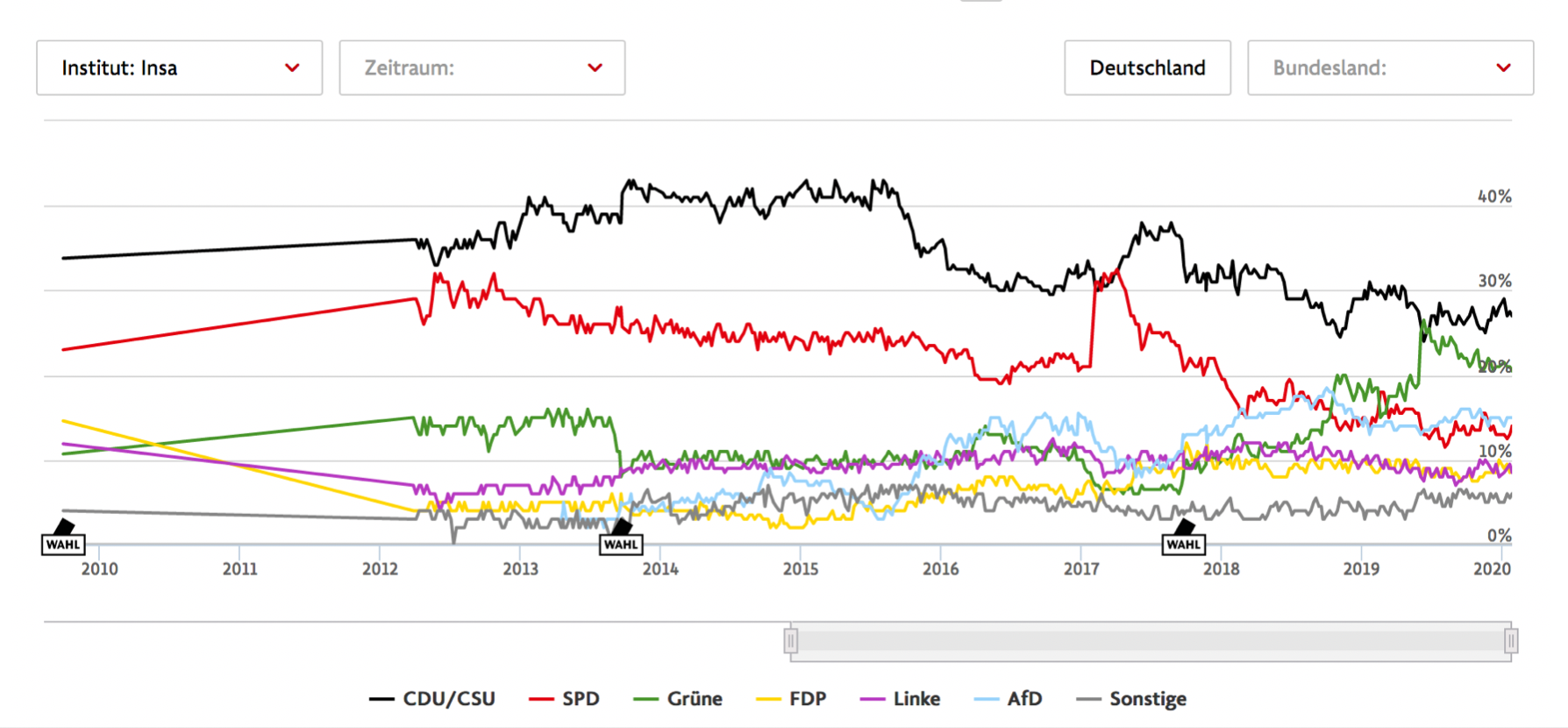
Many
still see Germany as a beacon of stability in an increasingly polarized Europe,
with the Christian Democratic chancellor Angela Merkel leading the country for
15 years in a row by now. But the façade of ostensible perdurability is
crumbling quickly as the country currently experiences rather drastic shifts in
its political power structure,...

Like the proverbial cat, some concepts have several lives. Or, like the mythological phoenix, they can be reborn from the ashes. This is certainly the case of the Intermarium, a geopolitical concept that envisaged an alliance of countries reaching from the Baltic Sea over the Black Sea to the...
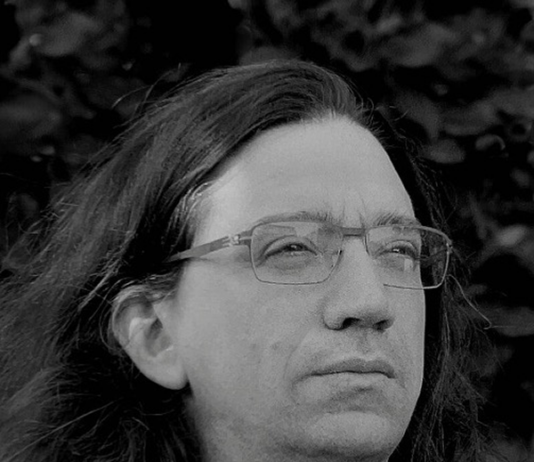
Yarvin is a cheerleader for “neocameralism,” a system where states operate like corporations, prioritizing efficiency and governance by technocrats or capable leaders rather than elected officials
Meet Curtis Yarvin: whose seemingly crazed ideas have found fertile ground among technocrats and oligarchs who have never quite shaken entitled Ayn Rand’s “greed...
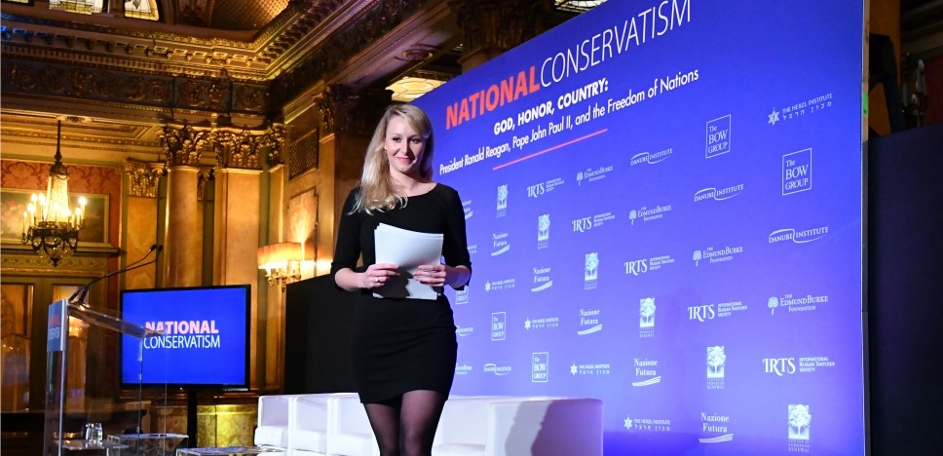
Will Marion Maréchal (MM), who announced her premature retirement from politics three years ago at age 27, return to the forefront? Having since founded her far-right “metapolitical school,” the Institute of Social, Economic and Political Sciences (ISSEP) in Lyon, MM looks to be far from done with her political...
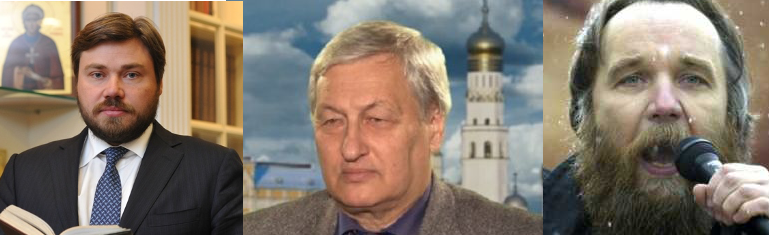
Right-wing radicals and neo-fascists have become more powerful in Russia over the past few years. After the Soviet Union collapsed, the new, aggressively anti-communist government of Boris Yeltsin overthrew the weak social-democratic government of Mikhail Gorbachev, and two right-wing Russian structures merged. The émigré anti-communists, who had been nurtured...
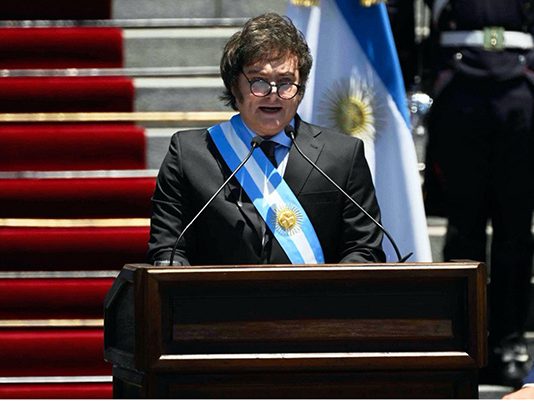
Rather than growing wealth, conservative economic policies have led to a lack of money in the country
The country has changed in the last eight months; it is different. Since Javier Milei took office on December 10, 2023, Argentinians have only heard austerity, devaluation, recession, layoffs, poverty, repression, privatizations and...

On October 7, after a five-year trial, the leadership of the fascist Golden Dawn (GD) party of Greece was found guilty of criminal actions and the party itself was deemed a “criminal organization.” Fifty-one of the sixty-nine accused received prison terms based on their crimes. It was the longest...
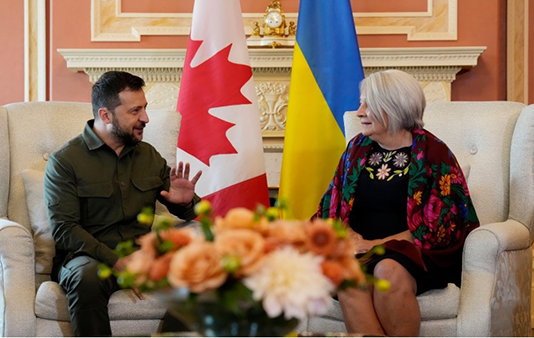
A few days before Remembrance Day, November 11, 2024, the Government of Canada announced that it will not release that portion of a report produced by the Commission of Inquiry into War Criminals in Canada (Deschênes Commission) that names 900 Canadians accused of war crimes committed on behalf of...

Part 1: Old Nazi Networks and Cold War Crooks
While voter support for Germany’s most powerful party, the Christian Democratic Union (CDU), had been crumbling in the course of the current legislation period (2017-2021), with the onset of the coronavirus crisis, the tables have turned importantly in favor of the...
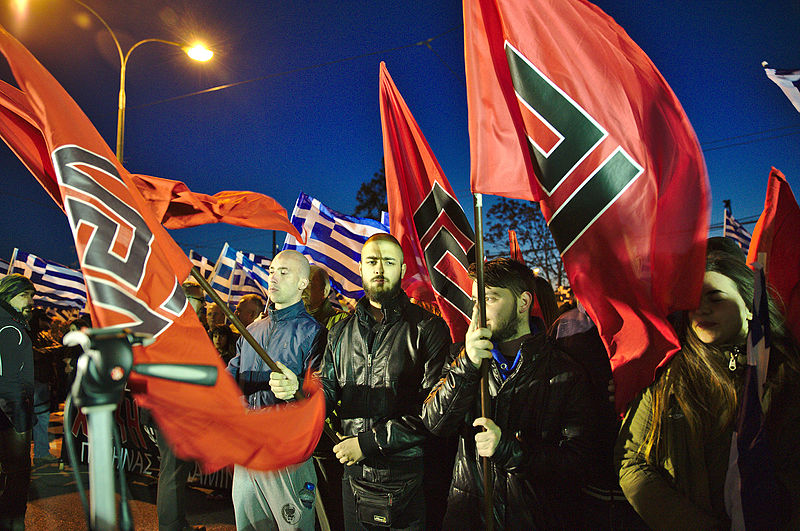
With the dramatic rise of extreme
Rightist, Fascist, and neo-Nazi parties and movements in Europe, attention is
now focusing on the last stages of a profoundly important trial in Greece.
In Athens on September 18, 2013
Pavlos Fyssas, an antifascist rapper, was murdered by Giorgios Roupakias, a member
of a gang from...

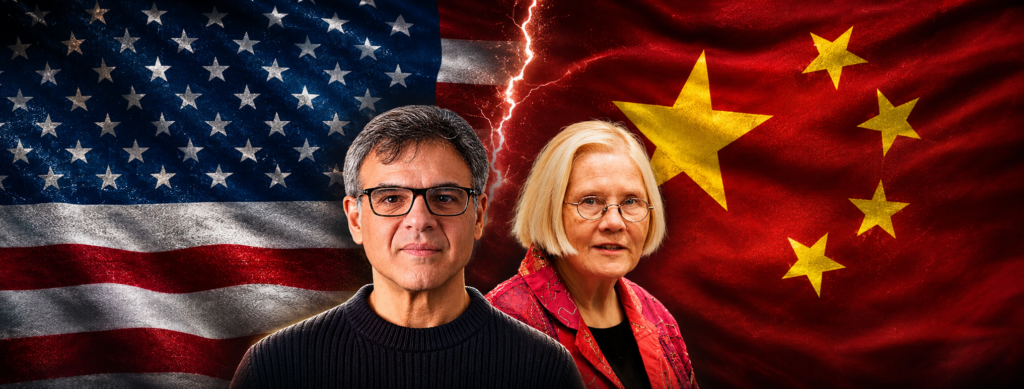
 Radhika Desai is a Professor of Political Studies at the University of Manitoba, Winnepeg, Canada, Director of its Geopolitical Economy Research Group, and Convenor of the International Manifesto Group. Ms. Desai is an author of multiple books, including Geopolitical Economy(2013) and her most recent Capitalism, Coronavirus and War(2022). Ms. Desai hosts a fortnightly show, Geopolitical Economy Hour on the Geopolitical Economy Report website.
 Yan Pan is a Chinese PhD researcher at LUT University, Finland. Her work examines the political economy of China’s technological and industrial development, with a particular focus on the industrialization and governance of neurotechnology in China. Her research concerns industrial policy models for future industries in Chinese and Global South contexts. Prior to her PhD, she researched educational reforms and structural change in labor demand in China.
 Ken Hammond is professor emeritus of East Asian and Global History at New Mexico State University. He has lived and worked in China from time to time since 1982. A lifelong political activist, he is a member of the Party for Socialism and Liberation.