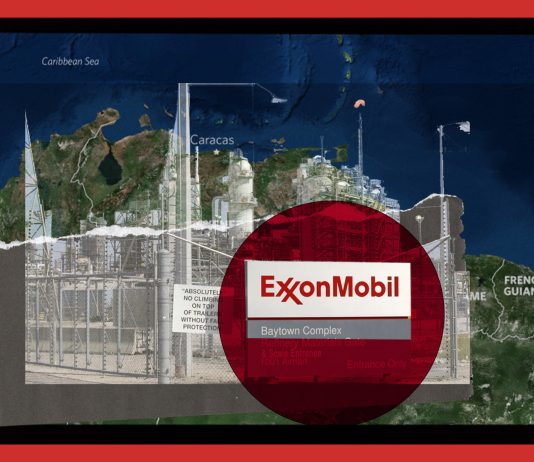
The United States government is inserting itself into a border dispute between Venezuela and Guyana on behalf of ExxonMobil. The oil-rich Essequibo region has the world’s biggest reserves per capita of crude oil and in May of this year, a “significant discovery” by ExxonMobil was announced in the area’s 6.6-million acre Staborek Block oil field...
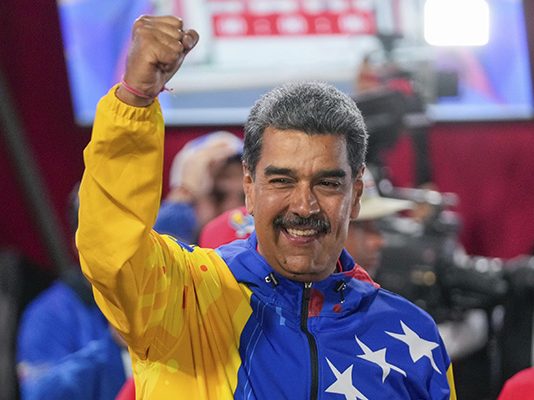
Sanctions are a misnomer when it comes to Venezuela. Here, the U.S. isn’t “just” illegally punishing a nation-state to effect regime change by withholding necessary resources and key inputs that cause food shortages, grave illness, death and economic instability.
In Venezuela, the United States is also committing racketeer-level crimes against...
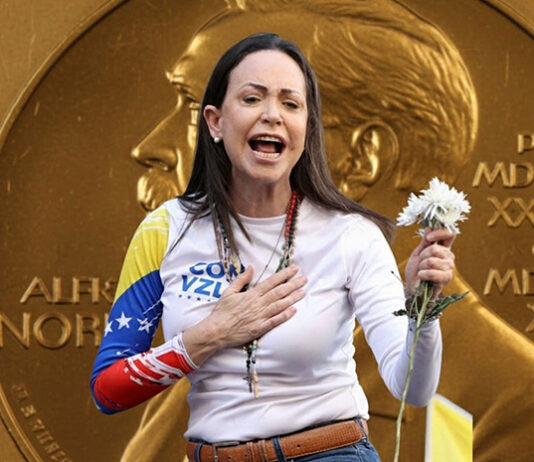
After the Trump administration’s kidnapping of Nicolás Maduro, the legitimate president of Venezuela, Trump held a press conference in which he was asked about María Corina Machado, the most visible face abroad of the Venezuelan opposition.
He responded: “I think it would be very tough for her to be the...
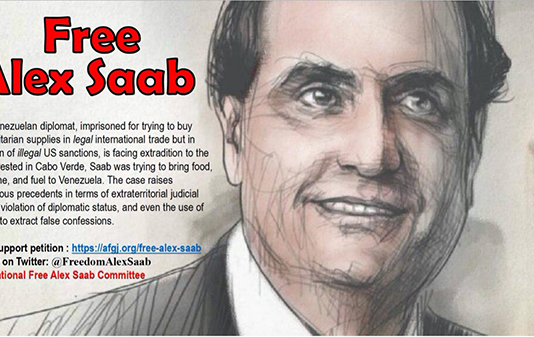
New documentary by Alex Smith explores travails of Saab who faces U.S. wrath because he tried to circumvent Washington’s onerous illegal sanctions levied against Venezuela
The U.S. imperialists “want Alex Saab like they want Julian Assange to suffer,” charges human rights and international law expert Alfred-Maurice de Zayas, who the...
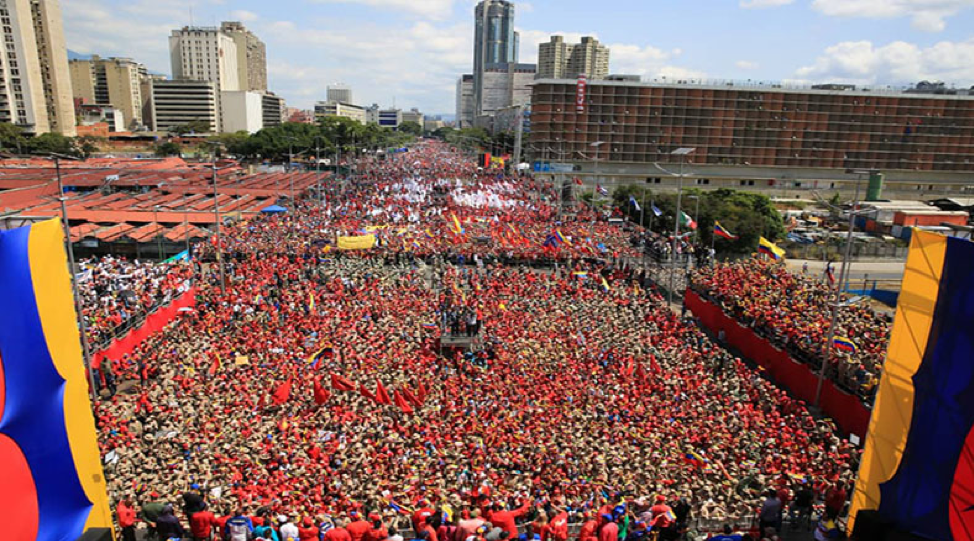
While sitting in my apartment in Caracas, Venezuela, and reading the online edition of Time magazine (5/19/16), I noticed a report asserting that there was not even something as basic as aspirin to be found anywhere in Venezuela: “Basic medicines like aspirin are nowhere to be found.”
I walked out of the...
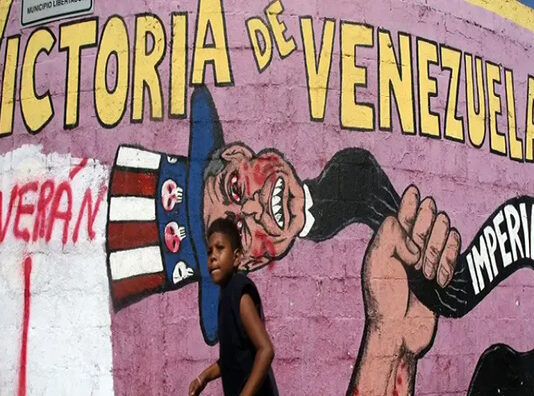
They ask if our own nation was not using massive doses of violence to solve its problems, to bring about the changes it wanted. Their questions hit home, and I knew that I could never again raise my voice against the violence of the oppressed in the ghettos without...
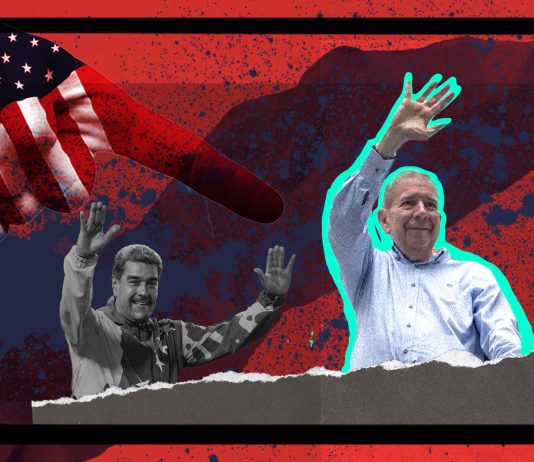
Venezuela’s elections took place on July 28th. Nicolás Maudro defeated the right-wing candidate Edmundo González Urrutia by over a million votes. The imperialist machine immediately jumped into action to denounce the elections, condemning Maduro as a dictator and calling the results undemocratic...
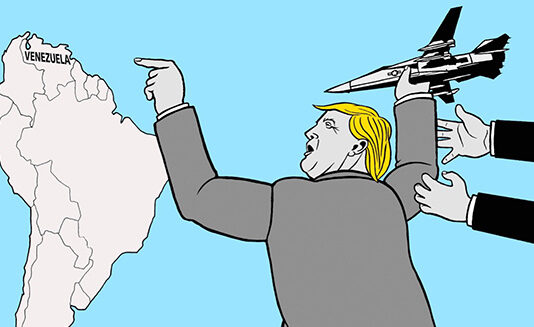
On October 16, 2025, Donald Trump’s second term ignited a reckless campaign against Venezuela, greenlighting covert CIA operations, deploying 4,000 Marines and F-35 jets to the Caribbean, and launching strikes on Venezuelan vessels that have killed more than 27 people—all framed as a fight against drugs and migration.
This is no noble mission:...
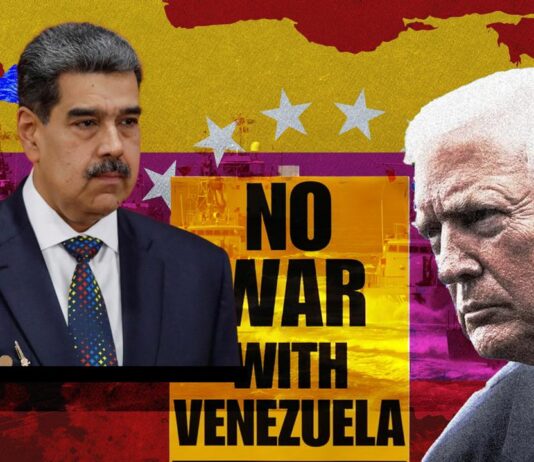
At the final Cabinet meeting of 2025, Donald Trump said that the strikes on fishing boats in the Caribbean would continue, and that “We're going to start doing those strikes on land, too”—signaling that a ground invasion of Venezuela and possibly other countries may be imminent...
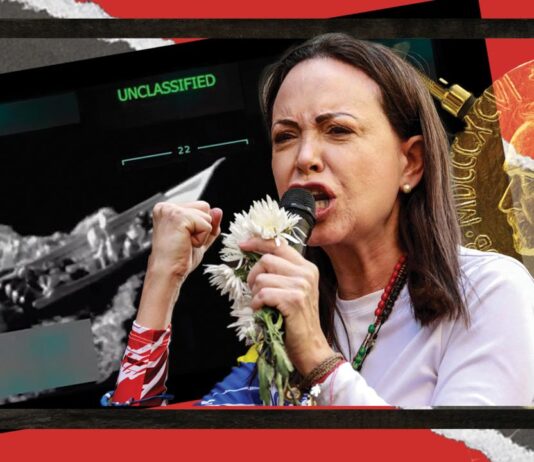
Donald Trump did not win the Nobel Peace Prize, as he boasted he should for supposedly being the “peace President”—a claim we’ve debunked numerous times on this show...

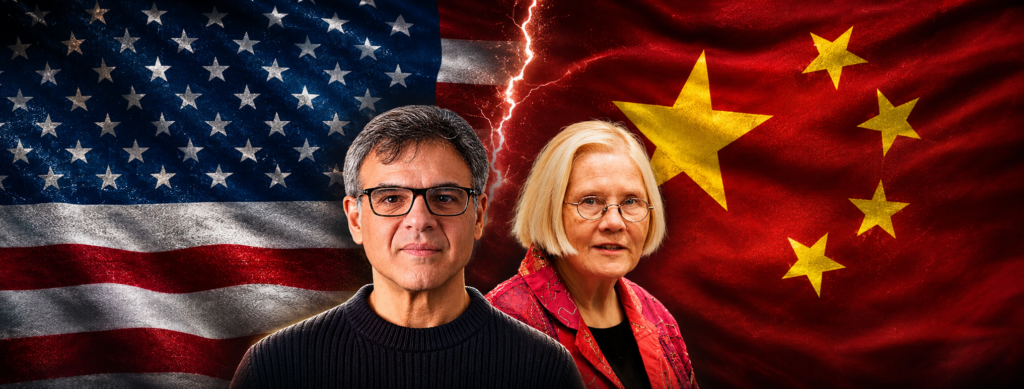
 Radhika Desai is a Professor of Political Studies at the University of Manitoba, Winnepeg, Canada, Director of its Geopolitical Economy Research Group, and Convenor of the International Manifesto Group. Ms. Desai is an author of multiple books, including Geopolitical Economy(2013) and her most recent Capitalism, Coronavirus and War(2022). Ms. Desai hosts a fortnightly show, Geopolitical Economy Hour on the Geopolitical Economy Report website.
 Yan Pan is a Chinese PhD researcher at LUT University, Finland. Her work examines the political economy of China’s technological and industrial development, with a particular focus on the industrialization and governance of neurotechnology in China. Her research concerns industrial policy models for future industries in Chinese and Global South contexts. Prior to her PhD, she researched educational reforms and structural change in labor demand in China.
 Ken Hammond is professor emeritus of East Asian and Global History at New Mexico State University. He has lived and worked in China from time to time since 1982. A lifelong political activist, he is a member of the Party for Socialism and Liberation.