Tag: Asia
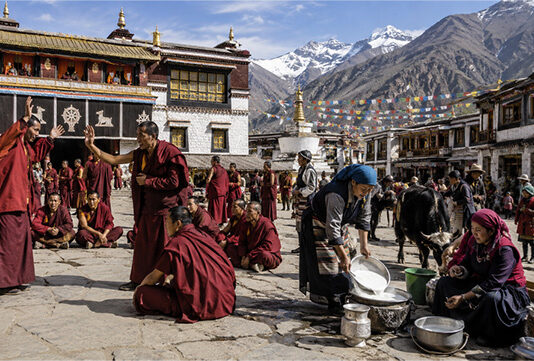
Vibrant monasteries, villages, the local language, and a woman I met who had three husbands—places where culture is not merely preserved—not suppressed—but actively lived.
Far from the capital, deep in the remote countryside, a Tibetan woman invited me and my Vietnamese friends into her home. She lives with three...
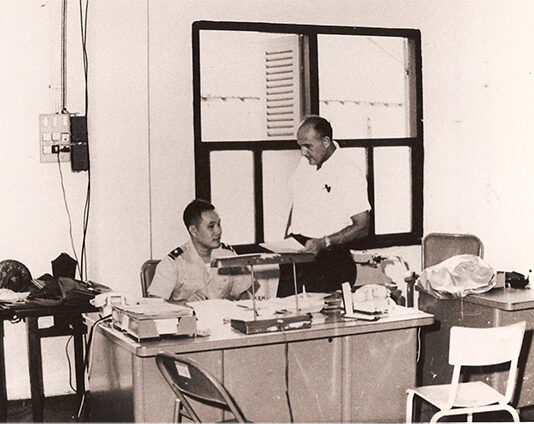
The best spies work for everyone.– Lucien Conein, legendary CIA operative.
Colonel Nguyen Mau was director of the Special Branch of the Republic of Vietnam’s national police force from 1968 to 1972. Created, funded and advised by the CIA, the Special Branch consisted of professional interrogators and agent handlers who maintained...
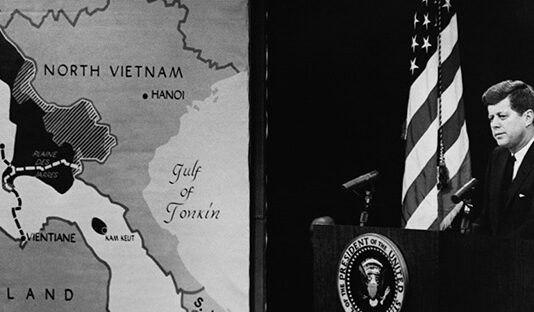
This article addresses one of the most consequential and deliberately obscured chapters in American history: President John F. Kennedy’s potentially planned strategic withdrawal from Vietnam, its abrupt reversal under Lyndon B. Johnson, and the documentary evidence suggesting foreknowledge of policy transformation.
The focus centers on National Security Action Memorandum (NSAM)...
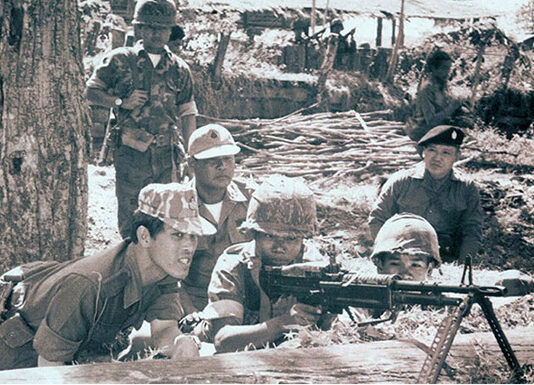
The Thai Border Patrol Police was created by the CIA
In an April 28 interview with The Washington Post, Thai Foreign Minister Sihasak Phuangketkeow expressed his opposition to the war in Iran and noted Thailand’s strengthening ties with Russia and China, a departure from the past 75 years when Thailand existed firmly within the U.S....
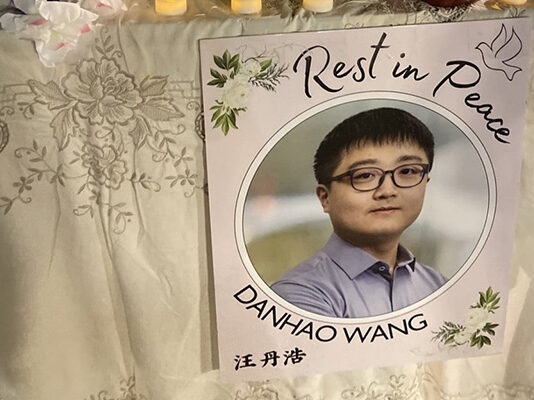
Persecution of Chinese scientists is part of anti-China policy that could lead to World War III
On March 20, Danhao Wang, a brilliant thirty-year-old Chinese post-doctoral physicist at the University of Michigan, allegedly took his own life after being subjected to hostile questioning by federal agents.
China’s Ministry of Foreign Affairs...
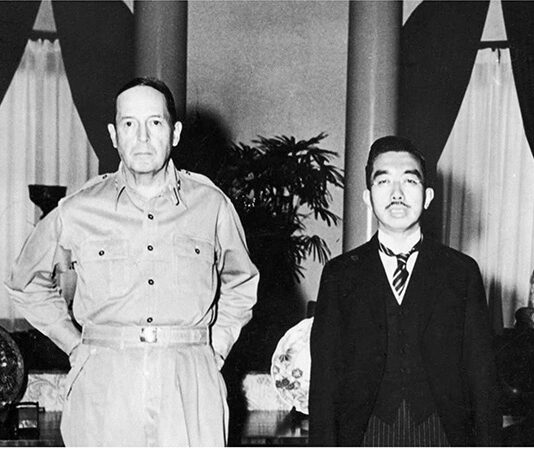
This is the second part of a two-part series, the first of which focused on Japan’s occupation of China prior to and during World War II, the human experimentation that occurred at Unit 731 (Japan’s bioweapons research facility in occupied Manchuria), and the after-effects of the Empire of the...
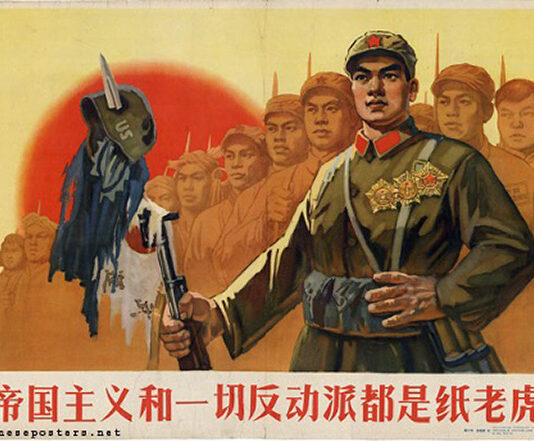
On September 3, 2025, the People’s Republic of China held a commemorative military parade to celebrate the 80th anniversary of the Chinese victory over Imperial Japan in the second Sino-Japanese War.
The parade sparked outrage from Japan, inciting Tokyo’s leadership to urge European and Asian...
On August 8, 1973, Kim Dae-jung, an opposition leader with the Korean New Democratic Party (KNDP), was kidnapped by the Korean Central Intelligence Agency (KCIA) from the 22nd floor of the Grand Palace Hotel in Tokyo and drugged while he was imprisoned.
The plot was to swiftly eliminate Kim, though...
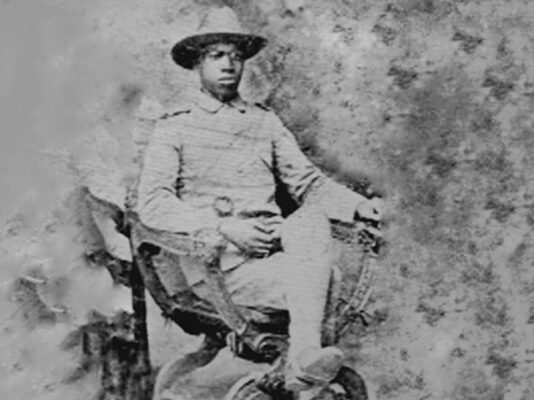
In a 1952 song entitled “Bye Bye Big Brass,” anti-war singer Woody Guthrie dreamed up a scenario in which he is shipped off to the Korean War and, rather than kill a Chinese soldier he encounters, sits and talks with him by a campfire, hides out with him, and...
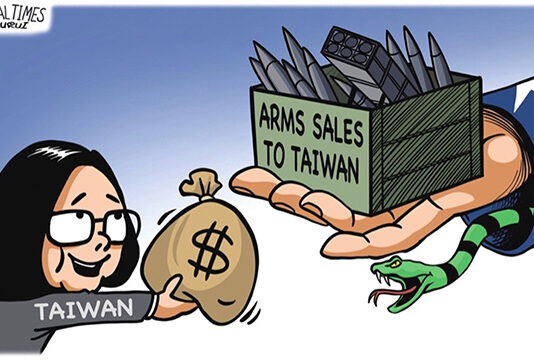
The United States of America seeks to pretend that it earnestly is focused on enforcing the 1823 Monroe Doctrine toward Central America, Latin America and the Caribbean. Its 2025 National Security Strategy and articles in the U.S. mainstream media seek to impart the perception of an America shifting away...

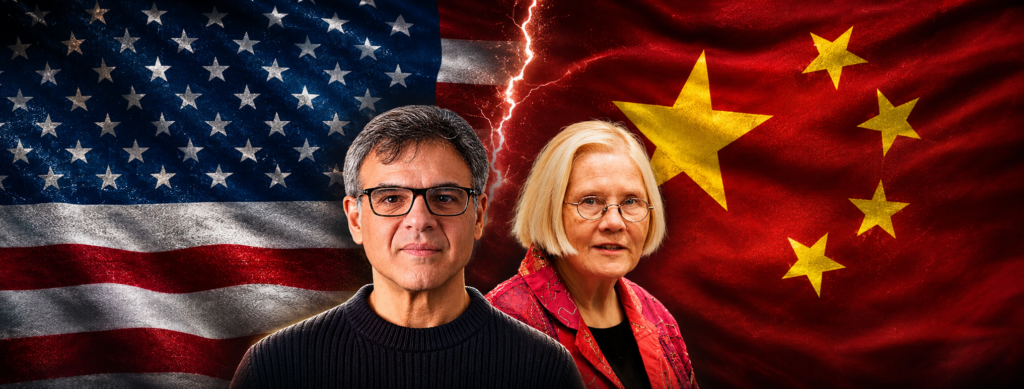
 Radhika Desai is a Professor of Political Studies at the University of Manitoba, Winnepeg, Canada, Director of its Geopolitical Economy Research Group, and Convenor of the International Manifesto Group. Ms. Desai is an author of multiple books, including Geopolitical Economy(2013) and her most recent Capitalism, Coronavirus and War(2022). Ms. Desai hosts a fortnightly show, Geopolitical Economy Hour on the Geopolitical Economy Report website.
 Yan Pan is a Chinese PhD researcher at LUT University, Finland. Her work examines the political economy of China’s technological and industrial development, with a particular focus on the industrialization and governance of neurotechnology in China. Her research concerns industrial policy models for future industries in Chinese and Global South contexts. Prior to her PhD, she researched educational reforms and structural change in labor demand in China.
 Ken Hammond is professor emeritus of East Asian and Global History at New Mexico State University. He has lived and worked in China from time to time since 1982. A lifelong political activist, he is a member of the Party for Socialism and Liberation.