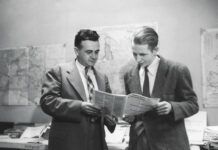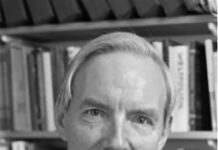
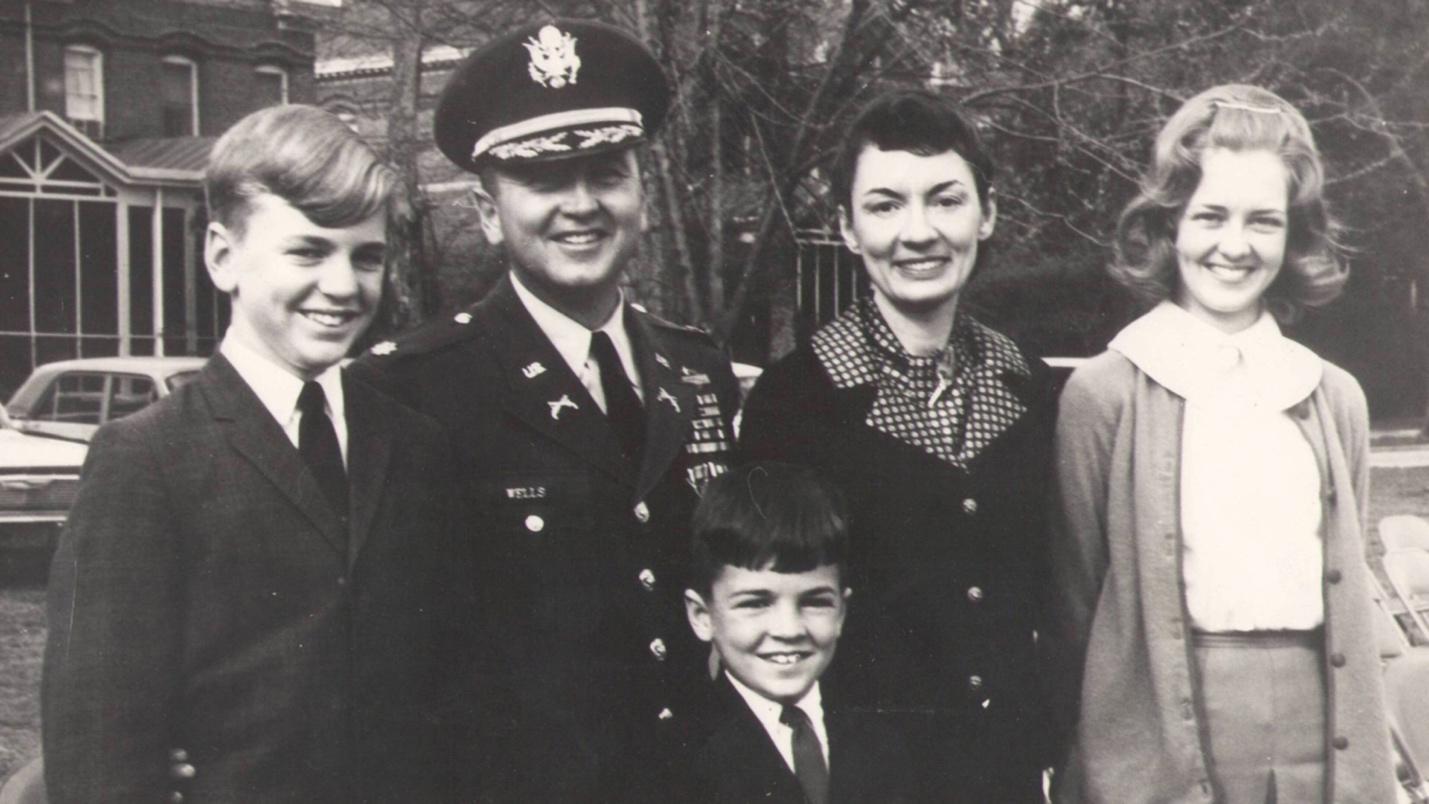
James B. Wells is a retired criminal justice professor at Eastern Kentucky University who was nine years old on September 27, 1965, when he received the terrible news that his father Jack had died in a small plane crash in Bao Tri, some ten kilometers southwest of Cu Chi, while traveling on an Air America Beechcraft C-45.
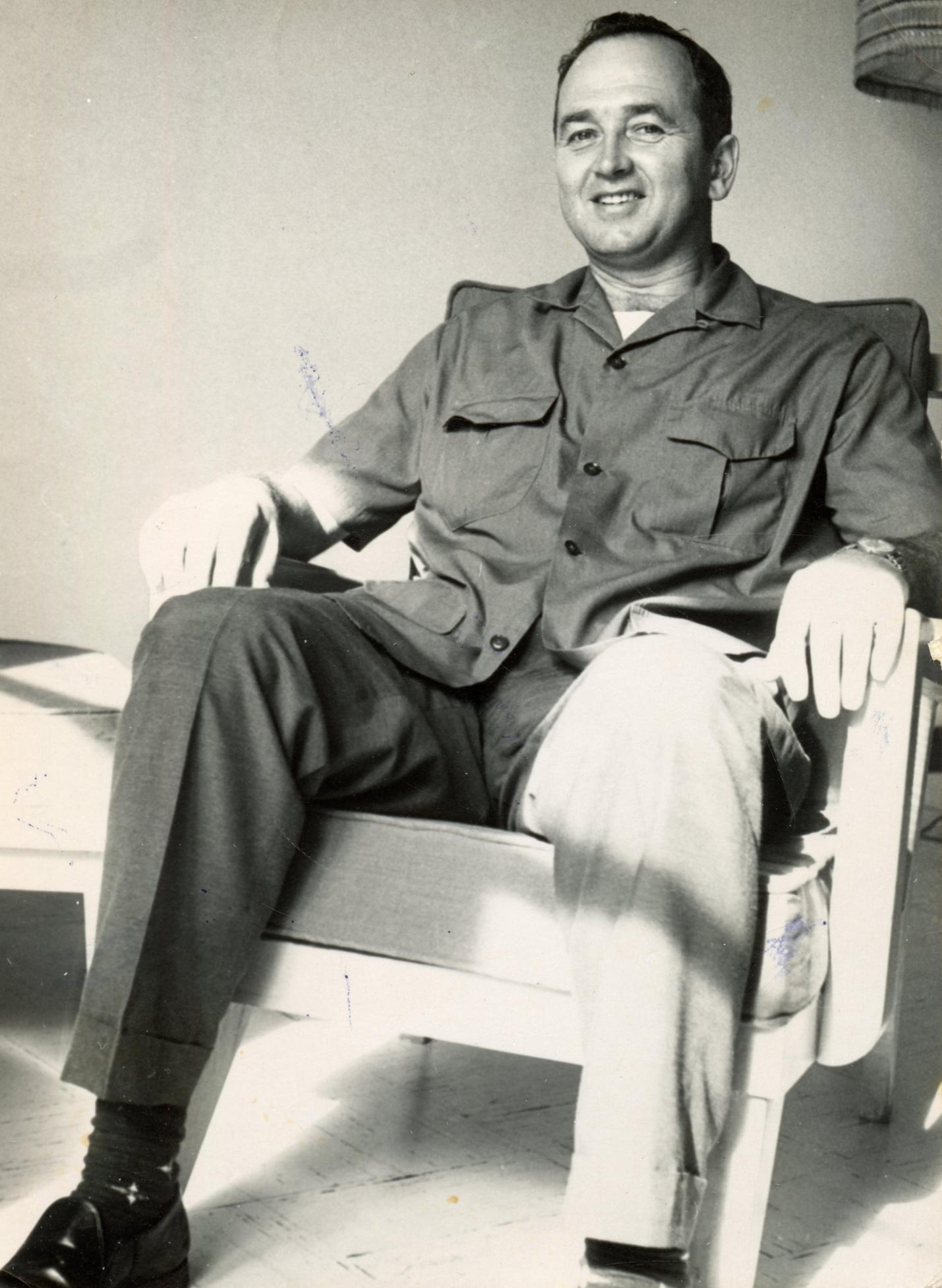
A Pacific War veteran, Jack was working at the time as a police adviser for the United States Agency for International Development (USAID) Office of Public Safety (OPS), a CIA front.
Wells and his family were told that Jack’s plane was shot down by enemy “Vietcong” fire and that the Vietcong had also killed seven South Vietnamese police officers who came on the scene, slitting their throats.
However, after embarking on an intense 30-plus-year investigation that included a visit to the crash site and to archives around Vietnam and the U.S., James found that the official story was a lie the CIA was continuously covering up, refusing to release the plane crash report even after more than 60 years.
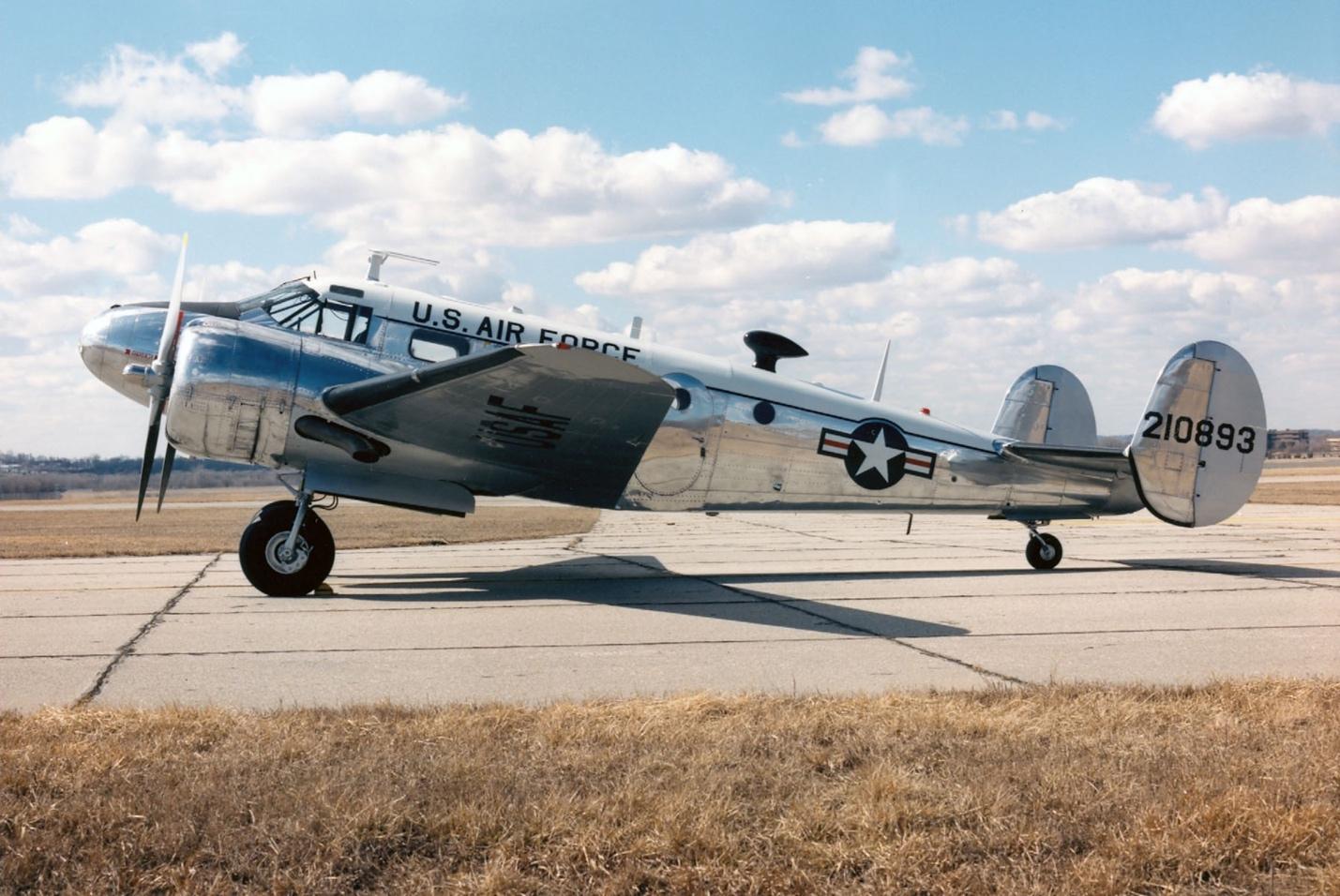
James’s research led to the discovery that his father’s plane crashed after the pilot had been shot inside the plane. James also found out that there were additional passengers on the plane than was originally disclosed, and that his father appears to have been assassinated because he had reported on corruption within the South Vietnamese army, which the CIA and other U.S. government agencies did not want to be revealed publicly.
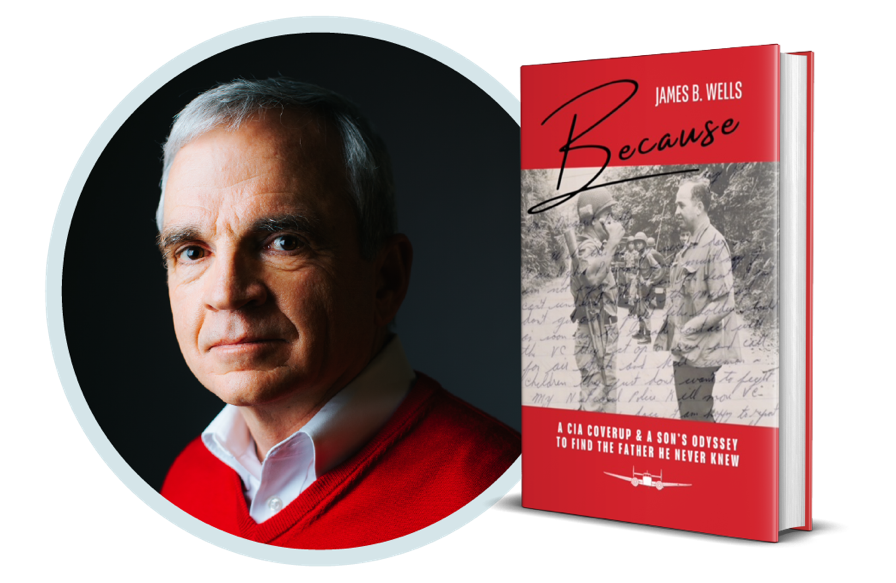
James’s intriguing story is relayed in his book Because: A CIA Coverup & A Son’s Odyssey to Find the Father He Never Knew, which reads as a “whodunit” mystery.
The title of the book comes from the phrase that Jack used in letters to his wife Betty, James’s mom, which James discovered in 1991.
After reading those letters, James came to the conclusion that his father was a moral man who was critical of others who did not perform their jobs as they were supposed to and could be qualified as a whistleblower because of his outspoken dissent.
A high school dropout who worked for a period as a welder before enlisting in the U.S. Army in the fall of 1944, Jack Wells fought the Japanese in the Philippine Islands and then headed a confinement unit at the Nuremberg trials in Germany and served as a member of the military police in Korea.
Wells complained in letters to Betty about how his fellow American soldiers were exploiting the prisoners they confined at Nuremberg and how he turned two in for selling contraband. Jack also wrote about the wide political unrest in South Korea and that American occupying troops sometimes “had to shoot Korean civilians.”[1]
During his assignment as an OPS counterinsurgency expert, Jack worked tirelessly to improve police professionalism in South Vietnamese provinces (Hau Nghia and Phuoc Long) that were controlled at night by the left-wing insurgent National Liberation Front (NLF, or “Vietcong”).
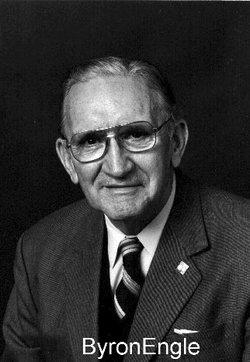
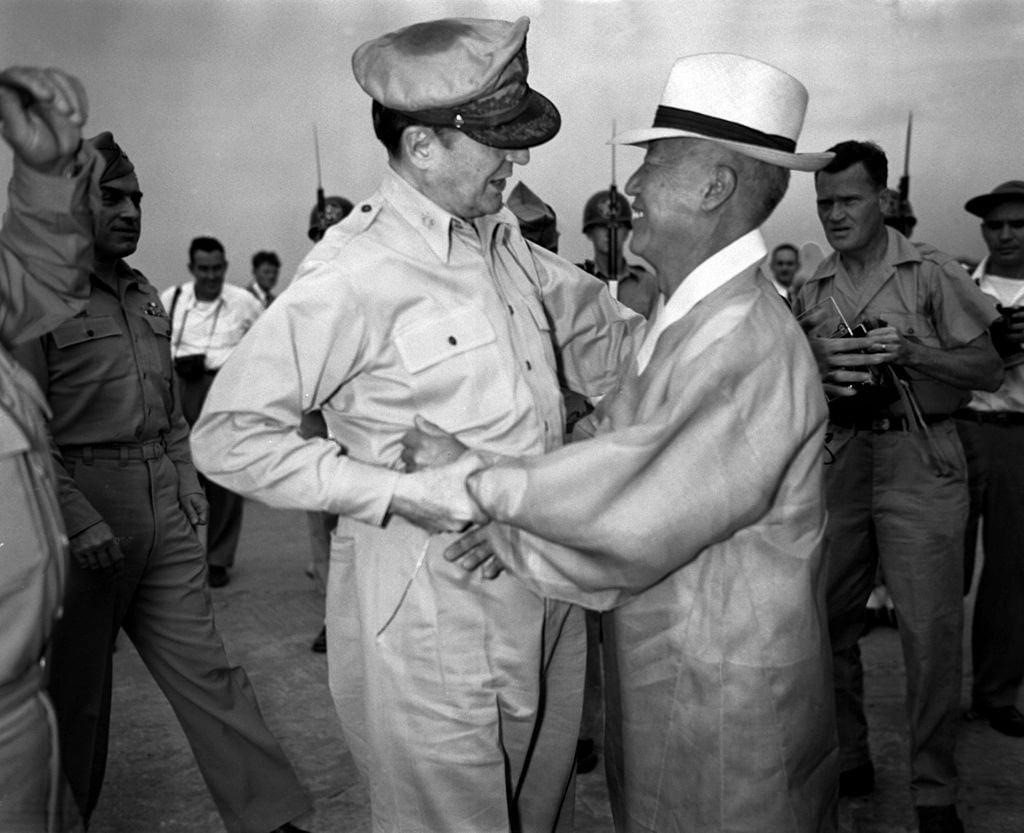
Headed by Byron Engle, a CIA operative who had worked under General Douglas MacArthur training police forces in Japan during the U.S. military occupation (1945-52), the OPS used liaison with South Vietnamese police to bolster CIA surveillance operations and tried to establish greater social control over the South Vietnamese population. The South Vietnamese police were considered crucial to counterinsurgency operations and implicated in serious state crimes, including through their use of torture in interrogation.[2]
The CIA and Engle had a pattern of covering up state crimes—among CIA assets in foreign police forces, and within the OPS itself.
In July 1965, OPS operative Robert Kimball murdered another OPS adviser, Jack Ryan, supposedly in a conflict over a Vietnamese girl who was also killed, and was given an extremely light prison sentence and allowed soon thereafter to leave Vietnam.
Ryan’s wife Jeanne said that her husband had reported on corruption in the South Vietnamese army and government and OPS and had worked with secret agent Edward Lansdale and that “he was killed for political reasons” and to “prevent him [from] talking since he knew a lot.”[3]
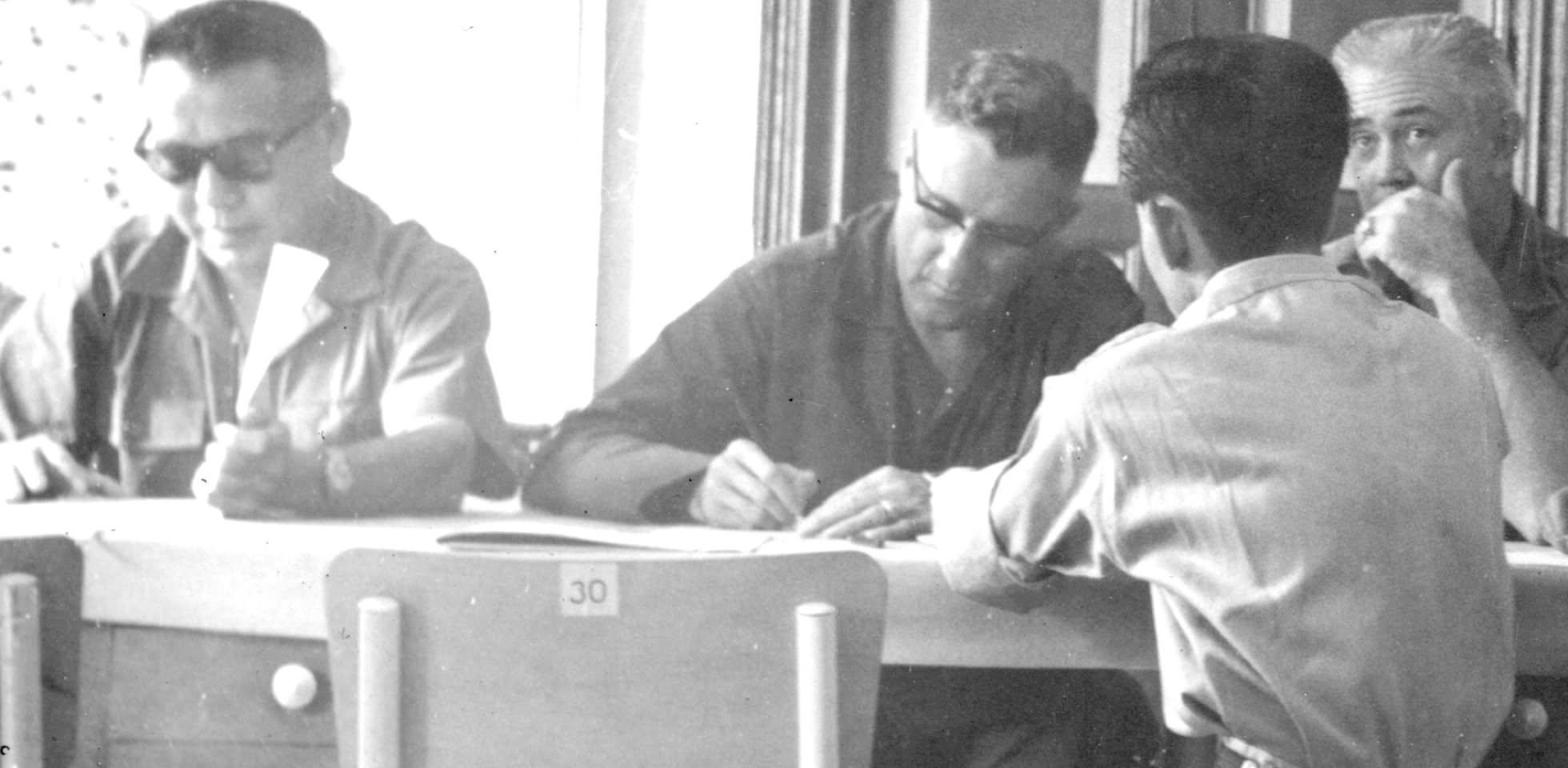
This appears to be the reason Jack Wells was killed too.
Referring to him in a letter to Betty as “one of the good ones wasted in the great American fumble,” Jack’s supervisor, John Kesler, said that Jack never took any R&R in Saigon or Bangkok or a Vietnamese mistress like most other police advisers, and spent most of his time in the field interacting with police chiefs, and sleeping on cots inside local police stations.
Jack was also known for giving candy to the police chiefs to distribute to local kids, whose “hearts and minds” they were trying to win.
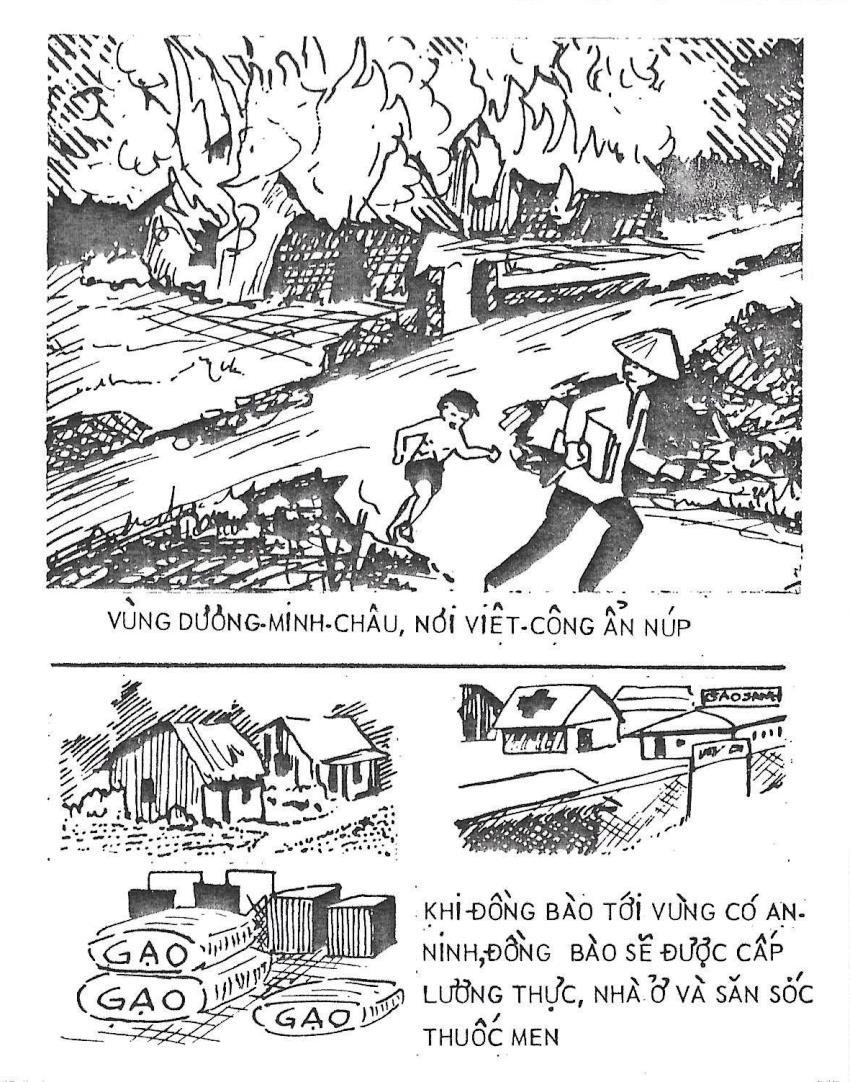
At the time of his death, Jack was working to develop a new refugee processing system, which was designed to help ferret out NLF from among the refugees and manage the refugees effectively so U.S. aid could be delivered to them.
Through his work in the police program, Jack had discovered egregious over-reporting of refugees by South Vietnamese government officials who were pocketing the money being disbursed by USAID and defrauding the U.S. government.
Most of the actual refugees never received any resettlement money.
In one of his last letters, Jack wrote to Betty that “we give the VN officials money, food etc. for refugees—they lie and say there are 10,000 when there is 1,000 and they won’t give them the food or money—hoping they (the refugees) will move on. We must take over the issuing of these commodities or the people will never get a dam [sic] thing. I bet one thing—if the VC caught one of their men cheating they would cut his head off. But here Betty the rich get richer and the poor get poorer and the fat ass Americans do nothing about it because they have no backbone or are afraid to work. But as long as I work I’ll call a spade a spade.”[4]
James believes that this is the letter that got Jack killed because he made it known that he had disclosed the refugee resettlement fraud to his wife. Before sending the letter, Jack had discussed the fraud in a monthly report to public safety division headquarters after which he was told by his superiors to remove certain sections, which he refused to do.
Jack had written to Betty about his confrontation with a powerful Army of the Republic of Vietnam (ARVN-South Vietnamese Army) captain who refused to allow police at a checkpoint to search his vehicle because he was carrying contraband to sell on the black market.
When the police insisted on searching his vehicle, the ARVN captain pulled out his pistol and threatened them, insinuating that he was above the law.
Jack entered the fray by standing up to the ARVN captain in front of a U.S. Colonel and his own troops, recommending that he get out of everyone’s sight.
Jack said: “I have very low regard for soldiers who sell food, liquor and ammo on the black market. I have even lower regard for those who sell to the enemy.”[5]
After Jack reported what happened, he was called to a meeting with his supervisor John Kesler at his villa in Vung Tau where Kesler told him to cease being confrontational towards ARVN officers and to redo the reports he had written addressing the incident with the ARVN captain.
Kesler said that the reports he filed were supposed to be “progress reports” and “should hence show progress….Otherwise, the public in the U.S. as well as people here, may lose hope. We have to instill confidence here and in the States!”[6]
When Jack said he was a straight shooter who did not come to Vietnam to falsify reports, Kesler said he would have to take out the critical material himself.
Afterwards, Jack made clear he had written about the incidents in letters to his wife, which greatly alarmed Kesler and may have triggered his assassination.
Jack’s letter to Betty included discussion of his wider disillusionment with the Vietnam War and how the U.S. and South Vietnamese government mistreated the rural population.
From the time of his arrival, Jack reported witnessing how most of the food, medicines and other materials the U.S provided to South Vietnam were disproportionately distributed to Catholic-majority hamlets.
Buddhists, Cao Dai and other non-Catholic villages paid exorbitant prices for the same aid and were often forcibly removed from their villages under the coercive Strategic Hamlet Program, whereas Catholics were left alone and could bribe their way out of forced labor regiments.[7]
Jack, additionally, noted that many village chiefs appointed by President Ngo Dinh Diem, a U.S.-installed dictator, cheated the people by pocketing U.S aid and selling materials imported under the Strategic Hamlet Program on the black market.[8]
After meeting with President Diem in the presidential palace, Jack became disgusted by him and his policies along with those of his brother, Ngo Dinh Thuc, a Roman Catholic archbishop who used ARVN soldiers as workers on his private projects and used his position to acquire property for the Catholic Church, thus inflaming religious tensions.[9]
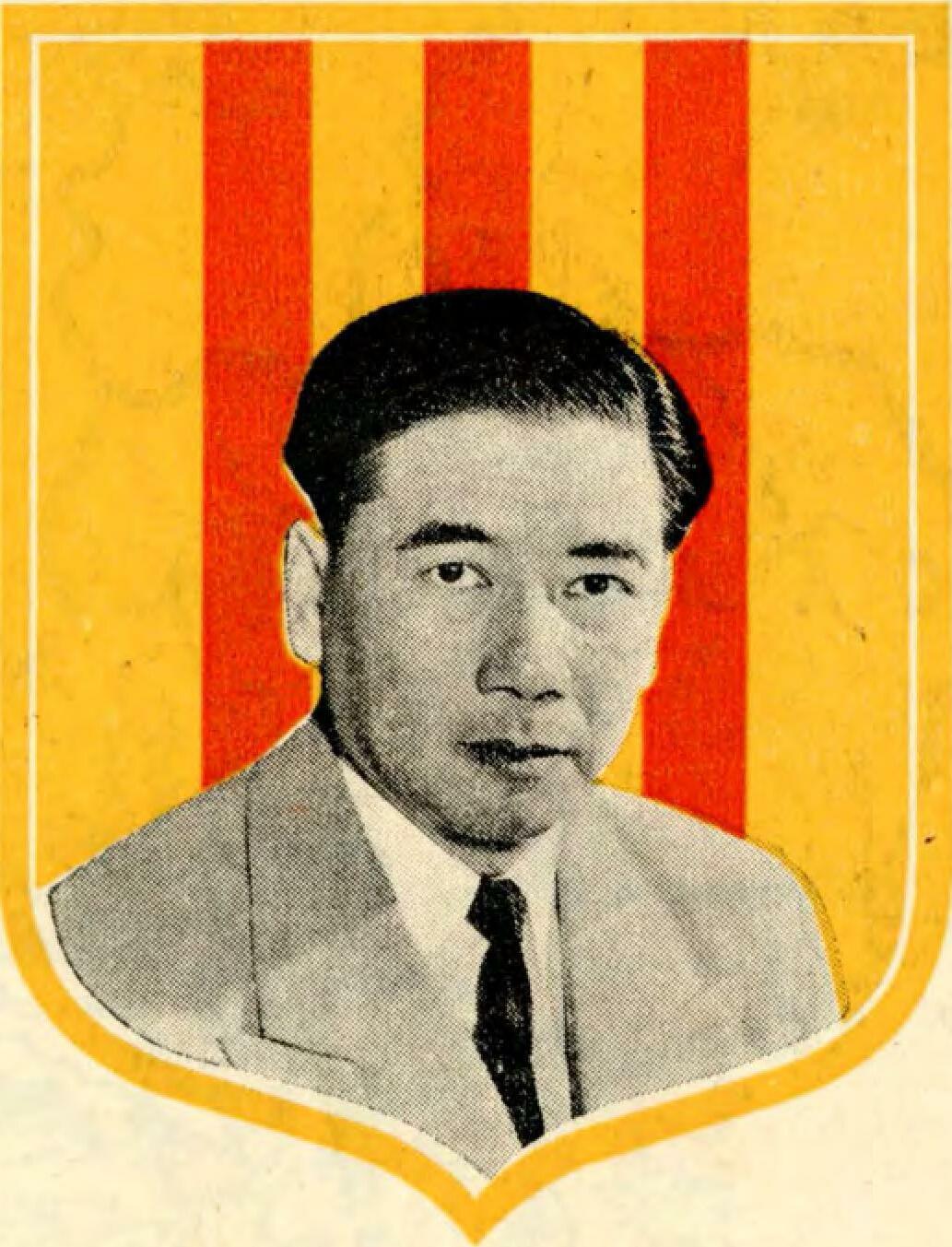
Comparing the situation in South Vietnam in the early 1960s to South Korea in the late 1940s where he had been stationed, Jack wrote to Betty in a letter dated June 17, 1962, that, “after 18 years of travel…the whole world would be better off without missionaries…Every dam [sic] time you get a so-called Christian ruler over a band of Buddhist or what you have there is corruption. Look at Rhea [Syngman Rhee] in Korea and all the rest of the so called Christ promoters.”[10]
Jack wrote in the same letter that “you don’t know who the hell the V.C. are. The government here is not the best in fact a dam [sic] police state with a….nut heading it. Corruption you’ve never seen the like.”[11]
When Jack was taken to the home of a notoriously brutal provincial chief of Phuoc Long, Lt. Colonel Ma Sanh Nhon, he suspected the concrete bunkers outside were pilfered from USAID supplies designated for school buildings and felt the wire fencing was material designated for the Strategic Hamlets.
During a meal, Jack called out Colonel Nhon, who was later awarded a silver star by the U.S. army, telling him through an interpreter that “pacification efforts in Phuoc Long” would be “much more effective” if he ordered his officers to “question intel and not be so hasty in initiating military action against hamlets, especially those with a record of being sympathetic to the government. Such actions result in civilian deaths and only encourage villagers to be more sympathetic to the VC.”[12]
Colonel Nhon responded to Jack’s remarks by pounding his fist on the table, shouting obscenities at him, and stating “you have to rule the province with an iron fist! Like this one. You can’t be a pussy with these people.” Colonel Nhon also threatened Jack by telling him “you piece of shit…you don’t know what power I have! You don’t know what all I can do!”[13]
The day before Jack had witnessed Colonel Nhon’s men leveling a village hamlet in Thuan Thien after air strikes were called in because it was supposedly being used by the NLF as a base. Afterwards, ARVN officers harassed villagers, beating a teenage girl and prodding an amputee with their bayonets.[14]
When Jack saw this, he helped the amputee and girl and told two of the ARVN soldiers: “You must have shit for brains! You’ve managed in a few minutes to erase over a month’s work in getting this hamlet under government control.”[15]
On the eve of his death, Jack was planning to discuss his new refugee resettlement program and ideas for rooting out corruption with U.S. Ambassador to South Vietnam Henry Cabot Lodge and United States Operations Mission (USOM) Vietnam chief Charles Mann.[16]
By this time, however, Jack had come to be seen as a whistleblower and security risk.
James was told that corrupt ARVN officers had earlier tried to assassinate another USAID adviser, Colonel John Paul Vann, after Vann carried out an audit of roofing material in a district where he was working in Cu Chi and uncovered large-scale fraud.[17]
James also learned of the death of Jerry Rose, a USOM employee and journalist appointed to head an anti-corruption committee, who was killed in a suspicious plane crash on September 16, 1965—just 11 days before Wells’ crash.[18]
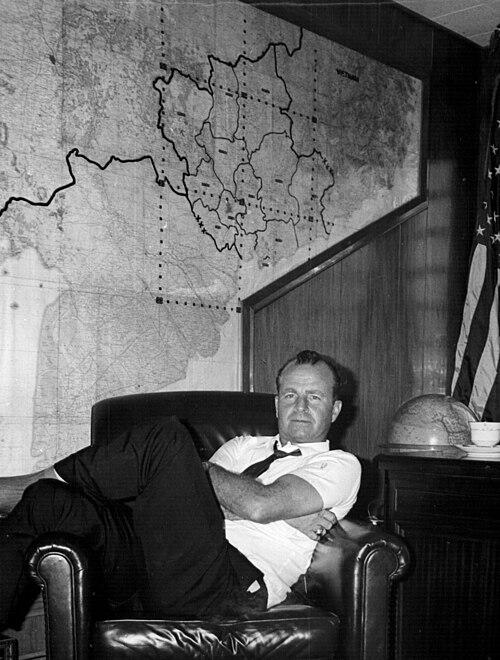
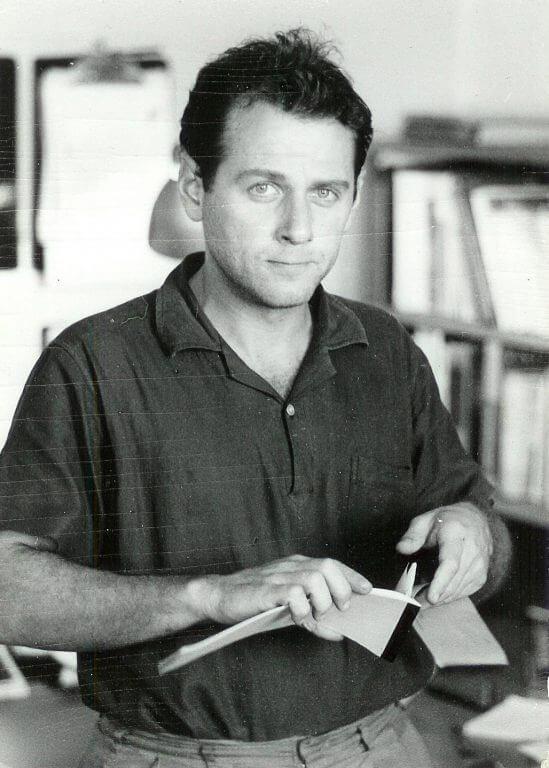
James became convinced that someone had gotten on Jack’s plane to kill him when he saw in the archives a notice from the U.S. embassy in Saigon, four days after the crash, ordering U.S. military policemen to perform identification checks of American personnel demanding access to the Tan Son Nhut Air America terminal. The implication was that an unauthorized person had boarded a plane in the days before.[19]
After the crash, government officials told Betty Wells that she and other family members could not see Jack’s body before burying him; it is likely that, if they did so, they would have seen that Jack had died of a gunshot wound before his plane went down.[20]
When James went to Vietnam in 2017 and visited the area of the crash site, he met the Communist Party Secretary General for the region, Ho Tan Cong, who said that the plane could not have been shot down by the NLF and that no policeman guarding the crash site were killed—as the U.S. government had claimed.[21]
Vo Van Say, an NLF fighter from the region, also told James that NLF fighters did not shoot at the plane; in fact, he said there were no NLF fighters anywhere near the vicinity of the crash for many kilometers. Vo added: “There was a garrison of ARVN stationed there” and the “enemy was all over the area….who’d dare shoot at it?”[22]
A third person living near the crash scene that James spoke with, Tran Minh Truong, a barber who was six or seven when the plane crashed, said he had witnessed it crashing into a local barn and that the NLF had no involvement in the crash. He further said that the plane was not burning until it came down, and that no police were killed.[23]
At an Air America pilots’ reunion, James met pilots who had heard rumors about gunshots in his father’s ill-fated flight and said that it was improbable that the NLF had shot it down as they lacked the weapons to disable a two-engine airplane and rarely, if ever, did it throughout the entire war.[24]
One of the pilots James spoke with, Jake Wehrell, said that a legendary Air America pilot named Frank Bonansinga, who had flown thousands of hours in Vietnam and Laos from 1965 to 1973, told him that he had been in the air when the crash occurred and that he heard the distress call on his radio in which the pilots—John Oyer[25] and Justin Mahoney—reported “receiving gunfire.”
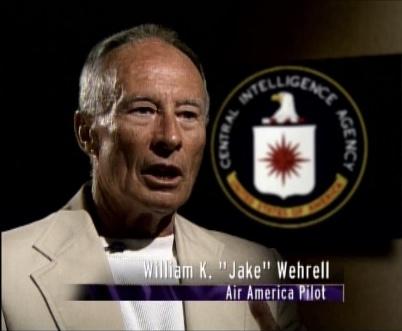
The latter phrasing was significant, Wehrell said, because, if the plane had been shot by the NLF from the ground, they would have radioed “I’m taking hits” and would have never mentioned gunfire, which indicated that the shots came from within the plane.[26]
Wehrell told James that his dad’s crash was “the most hushed-up crash with Air America ever! Knowing what I experienced then, and what I know now, something is rotten in Denmark about that crash.”[27]
The rot pointed out by Wehrell, of course, extends beyond the crash itself, which offers a microcosm for a wider pattern of deception and criminality by the CIA that has eroded public confidence in government.
While the Vietnam War has receded into the realm of history, many of the problems about which Jack Wells was blowing the whistle were repeated in other imperialistic interventions, like in Iraq, Afghanistan and now Ukraine, where the obscene corruption of U.S. governmental allies is being publicly exposed.
In these and other cases, truth-tellers and whistleblowers—like Wells—too often were made to pay the ultimate price when they tried to do the right thing.
James B. Wells, Because: A CIA Coverup & A Son’s Odyssey to Find the Father He Never Knew (Liberty, NC: MilSpeak Books, 2025), 62, 96. Wells is currently suing the CIA demanding the release of long withheld documents that may shed new insight on the circumstances of his father’s plane crash. ↑
Wells, Because. For more on OPS and Engle and his CIA ties and on the human rights crimes to which the OPS was linked, see Jeremy Kuzmarov, Modernizing Repression: Police Training and Nation-Building in the American Century (Amherst, MA: University of Massachusetts Press, 2012). ↑
Wells, Because; Daniel P. Sullivan, The Murder of the Real Jack Ryan (Omaha, NE: self-published, 2020). Engle made sure to keep the circumstances of Ryan’s death and Kimball’s light sentence out of the press. Even when he was in prison, Kimball would leave to go to the United States Operations Mission (USOM) office and frequently talked to USOM office staff on the phone. Ryan was a CIA operative with a storied career who, in the 1950s, had worked under cover as a Michigan State University professor. At the time, Michigan State ran police training programs in South Vietnam. The latter is documented in Kuzmarov, Modernizing Repression, ch. 7. ↑
Wells, Because, 18. ↑
Wells, Because, 110, 121. ↑
Wells, Because, 124. ↑
Wells, Because, 60. Diem’s discriminatory policies toward Buddhists reached a boiling point during the 1963 Buddhist crisis and became known to the world when Buddhist monks began immolating themselves in protest. ↑
Wells, Because, 60, 61. ↑
Wells, Because, 61. ↑
Idem. ↑
Idem. In another letter, Jack wrote that, despite having superior firepower and support, the ARVN “won’t fight when they make contact. They break and return to their forts. We can’t stop and search the military, they are the ones that sell to the VC food, weapons and ammo.” (101, 102). ↑
Wells, Because, 106. James found documents at the Vietnam National Archive implicating Nhon in all kinds of abuses, including forcing his staff to find him women to rape, kidnapping and raping a female government employee, beating staff under his supervision, and organizing gangs to kill people and then steal from them. Colonel Nhon even collaborated with an American officer in murdering Bui Van Gach, a South Vietnamese chief of staff. (154). Archival documents in Vietnam and the U.S. James pored through also revealed systemic ARVN corruption and theft of U.S. aid and its reselling on the black market in the provinces that Jack Wells worked. The perpetrators rarely faced any accountability while whistleblowers who reported the thievery were accused of illegal activity or reprimanded by their superiors. Buddhists in the provinces also complained of serious discrimination, as Jack pointed out. ↑
Wells, Because, 107. ↑
Wells, Because, 104. ↑
Idem. ↑
Wells, Because, 128. ↑
Wells, Because, 131. A brilliant portrait of Vann is provided in Neil Sheehan’s Vietnam War classic, A Bright Shining Lie: John Paul Vann and America in Vietnam (New York: Random House, 1988). ↑
Wells, Because, 201. See Jerry A. Rose and Lucy Rose Fischer, The Journalist: Life and Loss in America’s Secret War (Phoenix, AZ: SparkPress, 2020). ↑
Wells, Because, 156. ↑
Wells, Because, 25. ↑
Wells, Because, 164, 165. ↑
Wells, Because, 169. Vo’s wife, Bui Thi Canh, was another witness who stated the same thing as her husband. ↑
Wells, Because, 171. ↑
Wells, Because, 200, 204, 205. ↑
Oyer was an experienced Navy pilot who had already logged more than 4,000 flight hours, making the likelihood of a crash absent any foul play even more remote. Wells, Because, 275. ↑
Wells, Because, 206. Bonansinga later confirmed the same thing, checking his logbook when James was able to reach him by phone. James also spoke with James Quigley, a CIA liaison with Air America who told him that, although he was not on duty at the time, he heard a rumor about the pilot being shot from within the aircraft and that such speculation had existed within Air America and CIA circles at the time. ↑
Wells, Because, 206. ↑
CovertAction Magazine is made possible by subscriptions, orders and donations from readers like you.
Blow the Whistle on U.S. Imperialism
Click the whistle and donate
When you donate to CovertAction Magazine, you are supporting investigative journalism. Your contributions go directly to supporting the development, production, editing, and dissemination of the Magazine.
CovertAction Magazine does not receive corporate or government sponsorship. Yet, we hold a steadfast commitment to providing compensation for writers, editorial and technical support. Your support helps facilitate this compensation as well as increase the caliber of this work.
Please make a donation by clicking on the donate logo above and enter the amount and your credit or debit card information.
CovertAction Institute, Inc. (CAI) is a 501(c)(3) non-profit organization and your gift is tax-deductible for federal income purposes. CAI’s tax-exempt ID number is 87-2461683.
We sincerely thank you for your support.
Disclaimer: The contents of this article are the sole responsibility of the author(s). CovertAction Institute, Inc. (CAI), including its Board of Directors (BD), Editorial Board (EB), Advisory Board (AB), staff, volunteers and its projects (including CovertAction Magazine) are not responsible for any inaccurate or incorrect statement in this article. This article also does not necessarily represent the views the BD, the EB, the AB, staff, volunteers, or any members of its projects.
Differing viewpoints: CAM publishes articles with differing viewpoints in an effort to nurture vibrant debate and thoughtful critical analysis. Feel free to comment on the articles in the comment section and/or send your letters to the Editors, which we will publish in the Letters column.
Copyrighted Material: This web site may contain copyrighted material the use of which has not always been specifically authorized by the copyright owner. As a not-for-profit charitable organization incorporated in the State of New York, we are making such material available in an effort to advance the understanding of humanity’s problems and hopefully to help find solutions for those problems. We believe this constitutes a ‘fair use’ of any such copyrighted material as provided for in section 107 of the US Copyright Law. You can read more about ‘fair use’ and US Copyright Law at the Legal Information Institute of Cornell Law School.
Republishing: CovertAction Magazine (CAM) grants permission to cross-post CAM articles on not-for-profit community internet sites as long as the source is acknowledged together with a hyperlink to the original CovertAction Magazine article. Also, kindly let us know at info@CovertActionMagazine.com. For publication of CAM articles in print or other forms including commercial internet sites, contact: info@CovertActionMagazine.com.
By using this site, you agree to these terms above.
About the Author
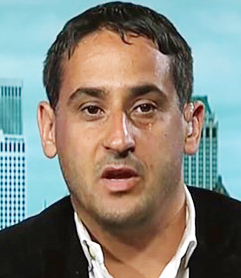
Jeremy Kuzmarov holds a Ph.D. in American history from Brandeis University and has taught at numerous colleges across the United States. He is regularly sought out as an expert on U.S. history and politics and co-hosts a radio show on New York Public Radio and on Progressive Radio News Network called “Uncontrolled Opposition.”
He is Managing Editor of CovertAction Magazine and is the author of eight books, including Obama’s Unending Wars (Clarity Press, 2019), The Russians Are Coming, Again, with John Marciano (Monthly Review Press, 2018), Warmonger. How Clinton’s Malign Foreign Policy Launched the U.S. Trajectory From Bush II to Biden (Clarity Press, 2023); with Dan Kovalik, Syria: Anatomy of Regime Change (Baraka Books, 2025), and Political Assassinations in America: The Intricate Nexus of Deep State Crime (Clarity Press, 2026).
Besides these books, Kuzmarov has published hundreds of articles and contributed to numerous edited volumes, including one in the prestigious Oxford History of Counterinsurgency .
He can be reached at jkuzmarov2@gmail.com and found on substack here.