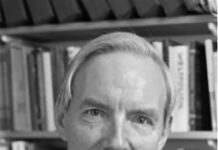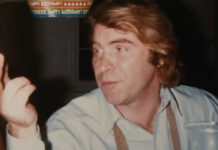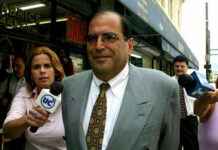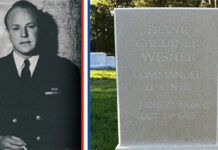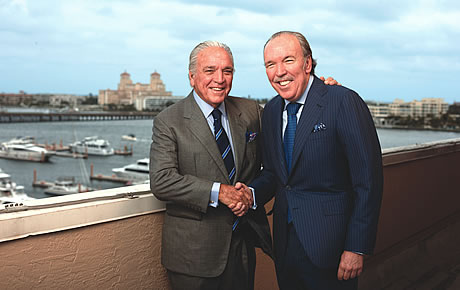
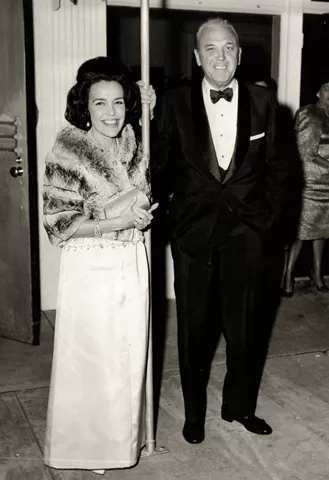
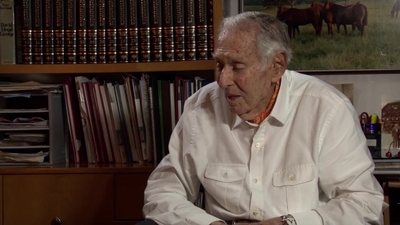
On August 3, Alfonso Fanjul, Jr., passed away at the age of 89.
A New York Times obituary called Mr. Fanjul (aka “Alfy”) the “patriarch of a family that lost one of Cuba’s largest sugar businesses in the revolution of 1959 and fled to the United States, where, thanks to pluck and government price supports, they built an even vaster empire.”
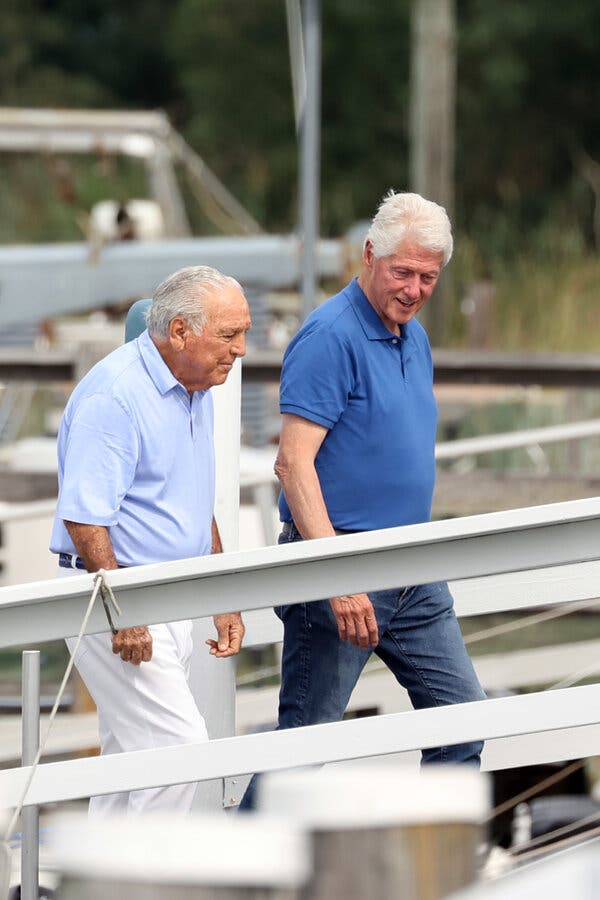
Noting that environmentalists accused Alfy’s company, Florida Crystals, of spoiling the Everglades with chemical runoff from its 180,000 acres of cane around Lake Okeechobee, the obituary further reported that Alfy and his brother Jose “Pepe” were major donors to the Republicans and Democrats, serving as co-chairman of Bill Clinton’s 1992 presidential campaign in Florida and donating more than $2.5 million to the campaigns of Donald Trump.
Trump was said to be a “longtime friend whose protectionist tariffs have benefitted the Fanjuls.” Last year, Trump lifted a ban imposed by the Biden administration on imported sugar from Central Romana, a sugar company in which the Fanjuls had a major stake in the Dominican Republic because of accusations that it used forced labor.
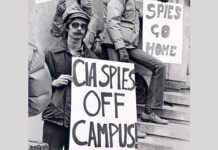
While The New York Times presented a critical overview of Alfy’s career, it left out something very important: that he, his brother, and his father, Alfonso Sr., worked with the CIA in the 1960s when they were involved in covert operations to overthrow Cuba’s revolutionary government led by Fidel Castro.
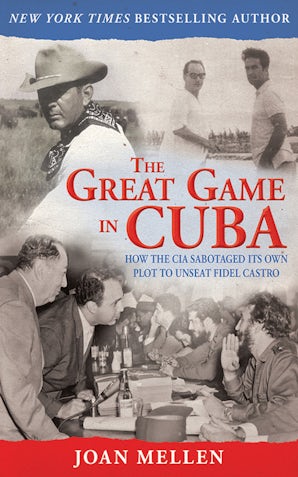
The hidden story of the Fanjuls’ involvement with the CIA is detailed in Joan Mellen’s book The Great Game in Cuba: How the CIA Sabotaged Its Own Plot to Unseat Fidel Castro.[1]
Alfonso Fanjul, Sr. was a consultant to Cuban dictator Fulgencio Batista (1940-1944 and 1952-1959) known for imposing brutal labor regimens on sugar plantations that he inherited from his own father. He was a friend of the Dulles brothers, whose law firm Sullivan & Cromwell counted the Fanjul companies as clients for over a half-century.[2]
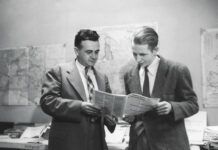
After the revolution resulted in the nationalization of his plantations, Alfonso Sr. joined a secret team led by David Sánchez Morales, a CIA assassin who worked undercover in the U.S. consulate in Havana from 1958 to 1960 and was involved in anti-Castro operations run out of Miami in Operation JM-WAVE.
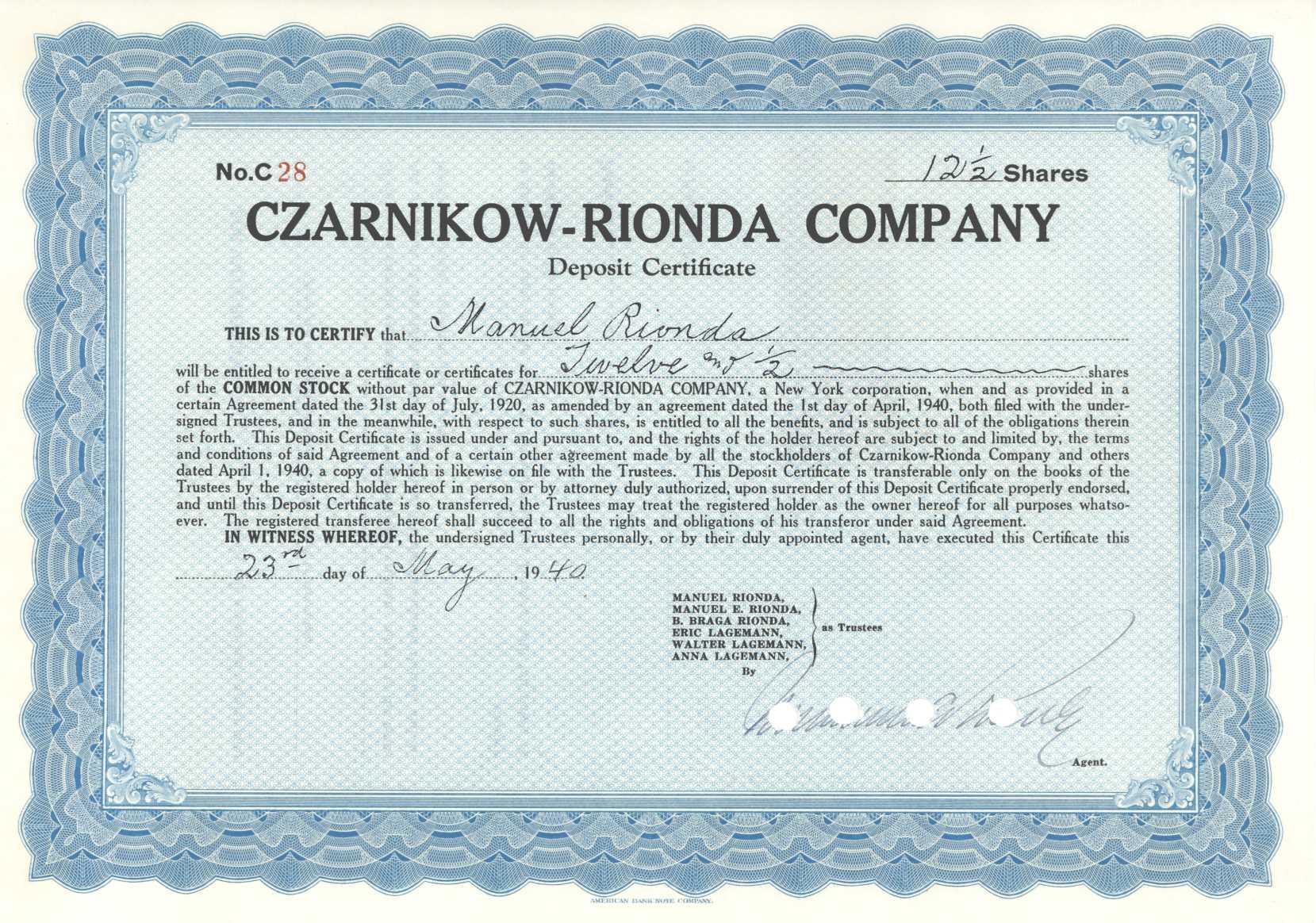
According to Mellen, Alfonso Sr. allowed the Fanjul family brokerage, Czarnikow-Rionda, to be used as a CIA funding conduit and for an executive at the firm, Jack Malone, a close friend of CIA operative David Atlee Phillips, to operate almost full-time as a CIA asset.[3]
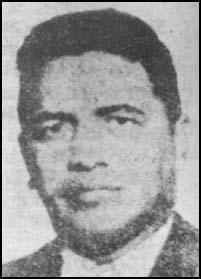
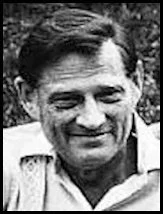
Funds from Czarnikow-Rionda were used to purchase a Navy submarine chaser that was used for running guns to Cuba by Alberto Fernandez de Hechavarria, a CIA asset who ran Cuba’s sugar industry after the revolution before turning against Castro and trying to overthrow him during the Bay of Pigs and its aftermath.
Alfy and Jose Pepe joined AMFAST, a secret group of 100 businessmen and lawyers tapped by the CIA to help form a new Cuban intelligence agency after Cuba’s “liberation,” along with AMCHEER, another secret group of businessmen recruited for a similar project.[4]
Alfy and Pepe’s business partner, Alberto Recio, a director for a dozen Fanjul business entities incorporated in the 1960s and 1970s, worked full-time as a covert agent for JM-WAVE, including on a “Project Brazil” for which the agency wired him 1,500 British pounds, according to an October 1961 cable he sent to JM-WAVE.
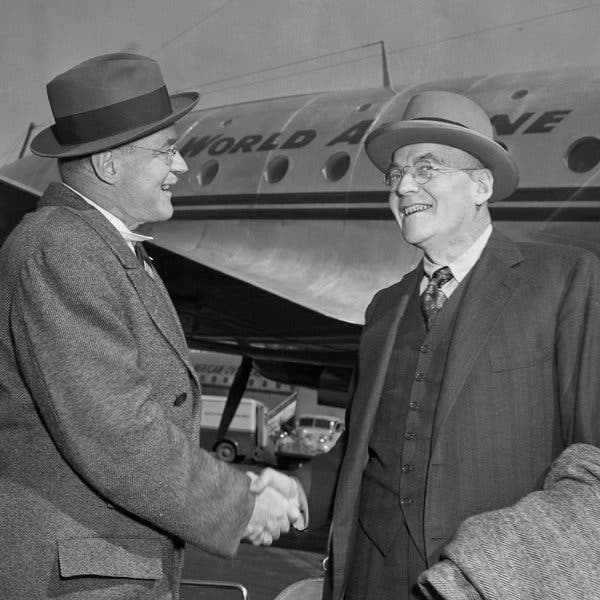
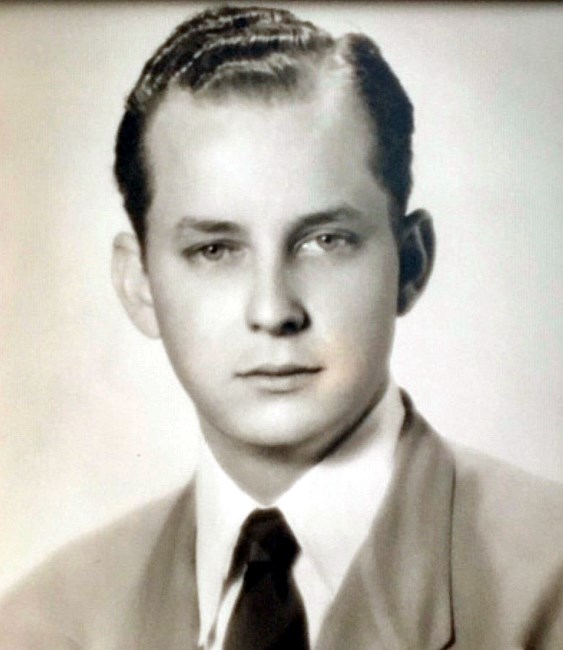
During the summer of 1963, Jack Malone wrote to Alfonso Fanjul, Sr., saying, “I still believe the clouds are going to clear away before Little Boy Blue stands for reelection.” Little Boy Blue was a code for John F. Kennedy whom the Fanjul’s hated and wanted to see assassinated, in part because he did not order an all-out military invasion of Cuba to overthrow Castro.
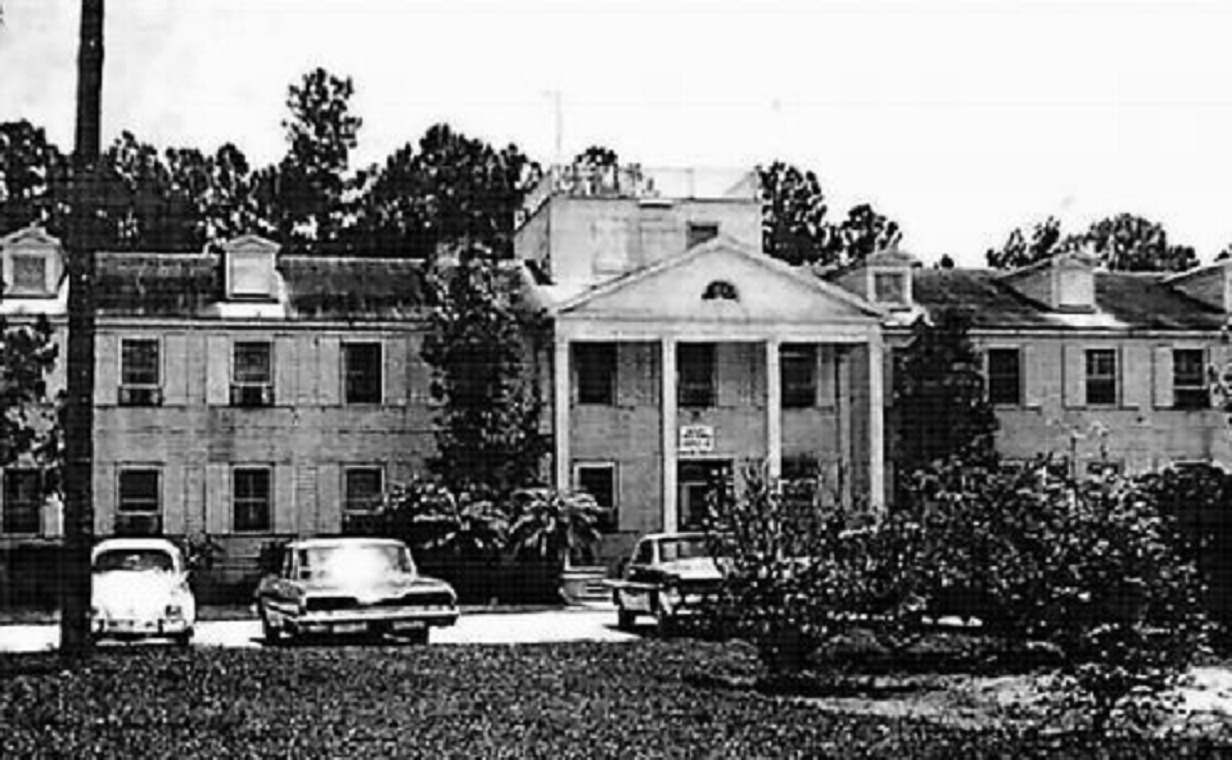
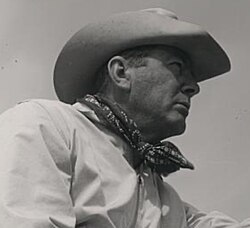
Alfonso Fanjul, Sr., was a business associate of Robert Kleberg III, a Texas cattle-ranch king who financed Cuban exile terrorist operations in collaboration with the CIA after his ranching properties were nationalized under Castro.[5]
In the early 1960s, Alfonso Fanjul, Sr., tried to secure the release from a Cuban prison of yet another CIA asset, Gustavo de los Reyes, whose abortive rebellion against Castro was betrayed by Allen Dulles and who went on to publish a Reader’s Digest article at the behest of the CIA that made it seem like he had been a persecuted political prisoner in a communist gulag.[6]
Alfy married de los Reyes’s daughter Tina.[7]
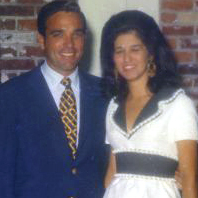
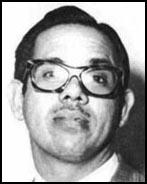
Besides their covert activity for the CIA, the Fanjul sugar men held regular luncheons for AREC, a group of right-wing anti-Castro businessmen who raised funds to bankroll and engender solidarity among other exile groups.
According to one CIA memo, Alfonso Fanjul, Jr., and other AREC members donated funds to a group led by the terrorist Orlando Bosch, who coordinated the 1976 bombing of a Cuban airliner that killed 73 civilians.
At a meeting discussed in one CIA memo, AREC announced a fundraising goal of $200 million, estimating that the sum only amounted to a mere one-tenth of the net worth of its membership.[8]
Anti-Cuba Lobby and Fronting for More Intelligence Operations
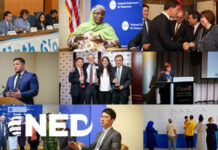
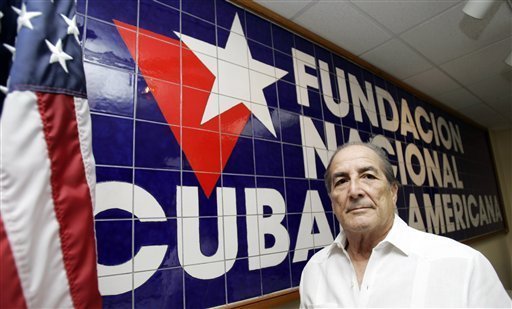
The New York Times’s failure to address the Fanjuls’ intelligence connection coincides with their failure to report on their financing of Florida-based anti-Cuba lobbying groups, such as the Cuban American National Foundation (CANF), which was also funded by U.S. intelligence fronts like the National Endowment for Democracy (NED).[9]
CANF was founded in 1981 by Jorge Mas Canosa, a wealthy construction company owner and Bay of Pigs operation veteran. The NED provided $390,000 to CANF between 1983 to 1988.
Structured like the American Israeli Public Affairs Committee (AIPAC), CANF had separate research, lobbying, propaganda and fundraising branches. One of its major projects was to help finance Radio Marti, which broadcast anti-Castro and anti-communist messaging into Cuba.
Between 1981 and 1997, CANF channeled $3 million into political campaigns. One of its favored politicians was Robert Torricelli (D-NJ), who represented a large Cuban-American community in his district.
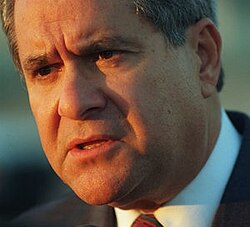
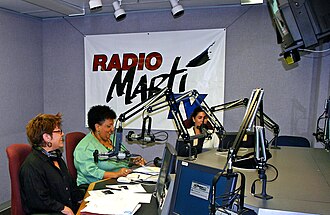
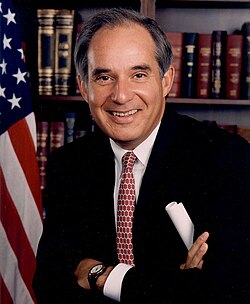
CANF was also used as a conduit for financing continued CIA subversion and right-wing terrorist activity in Cuba. Luis Posada Carilles, who was responsible with Orlando Bosch for the 1976 bombing of a Cuban airliner, admitted to The New York Times that CANF-affiliated persons covertly financed the bombing of hotels in Havana, one of which killed an Italian tourist.
Margaret Katherine Henn emphasized in a Boston College thesis that the NED’s financing of CANF reflected the deception of American taxpayers, as it was outsourcing covert operations to a private organization and hence ensuring plausible deniability.[10]
Further, the financing by the Fanjuls of CANF reflects a continuity of their role in allowing their brokerage company to serve as a conduit for CIA covert operations in the 1960s to topple Cuba’s Castro regime.
Strip Tease
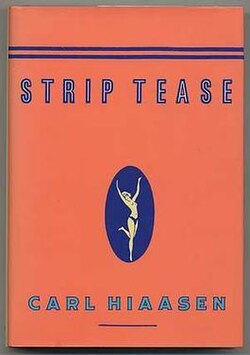
In 1993, Carl Hiaasen wrote a novel, Strip Tease, a thinly veiled satire of the Fanjuls and the politicians who did their bidding. One character in the story noted that “the closest most of them got to the actual [sugar] crop were the cubes they dropped in their coffee at the bankers’ club. The scions of sugar growers wouldn’t be caught dead in a broiling cane field.”[11]
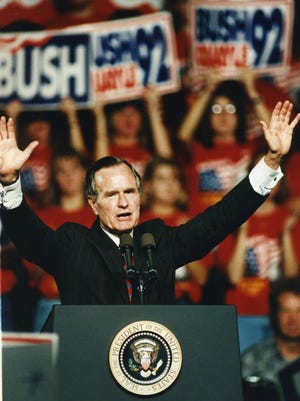
In real life, the politicians who did the Fanjuls’ bidding included George H. W. Bush, the former CIA director who had also used his companies as a conduit for the Bay of Pigs.
During the 1988 presidential campaign, Jose “Pepe” was a top donor to Bush’s campaign and subsequently served as vice president of Bush’s finance committee.[12]
Alfy raised $100,000 for Bill Clinton at a fundraising dinner in Miami while chairing the 1992 Clinton presidential campaign in Florida.[13]
Clinton delivered for the Fanjuls when he signed into law the 1996 Helms-Burton Act, which imposed punishing new sanctions against foreign corporations doing business in Cuba and prohibited any lifting of the U.S. embargo.
The Clinton administration further advanced free-trade policies and targeted the left in Latin America,[14] and sustained import tariffs, price supports and federal programs that ensured the import of West Indian cane cutters who could be paid low wages among other laws that benefited the Fanjuls’ bottom line.
Marco Rubio’s Sugar Daddy
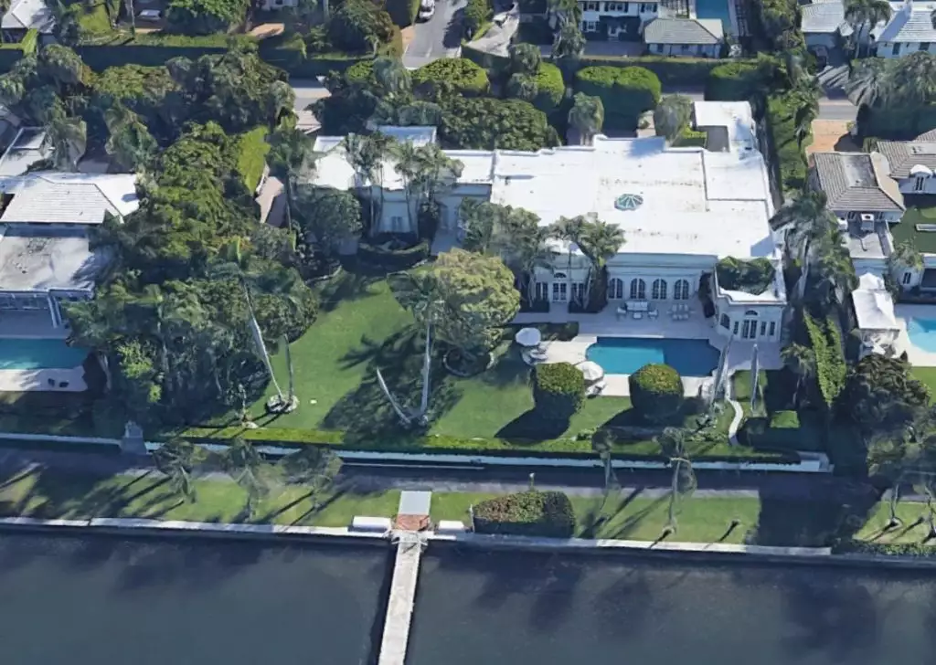
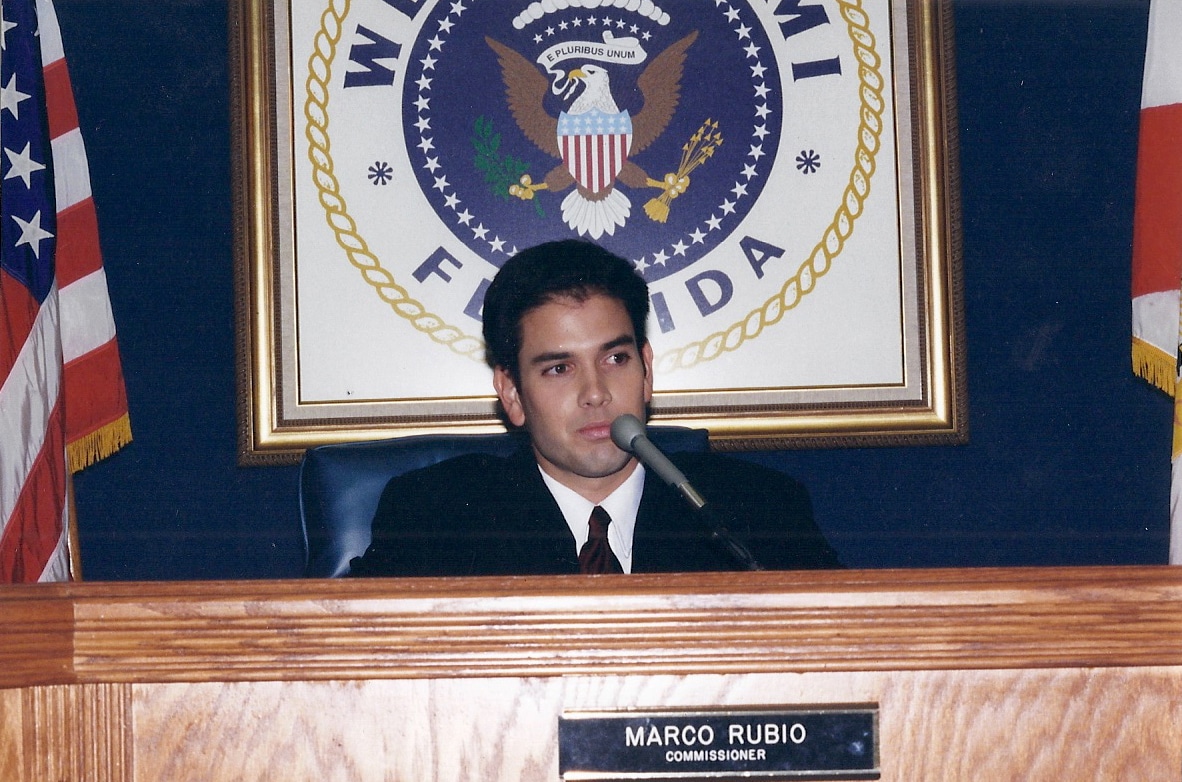
Besides the Bushes and Clintons, the Fanjuls have invested part of their estimated $8.5 billion fortune in elevating the career of Marco Rubio, whom they have backed since Rubio first gained election to the Florida House in 2000. In total, the Fanjuls are estimated to have given Rubio more than $500,000 directly and have hosted dozens of fundraisers for him.
When Rubio ran for U.S. Senate in 2010, the Fanjuls gave him the maximum donation allowed. Rubio was barely polling in the double digits running against Governor Charlie Crist before the Fanjuls’ donation helped boost him immeasurably. Further, the Fanjuls began hosting fundraisers for Rubio and introduced him to powerful people like Rudy Giuliani.
The Fanjuls have received significant bang for their bucks to Rubio as he has been a staunch supporter of generous subsidies to the sugar industry and sugar price supports and import restrictions, which artificially inflate sugar prices and enrich the Fanjuls.[15]
Rubio has also long been a firm opponent of environmental regulations that would have restricted the Fanjuls from polluting the Florida Everglades. Additionally, Rubio is now advancing the aggressive foreign policies in Latin America the Fanjuls have long wanted, including the ramping up of regime-change efforts in Cuba.
One Degree Short of Dachau
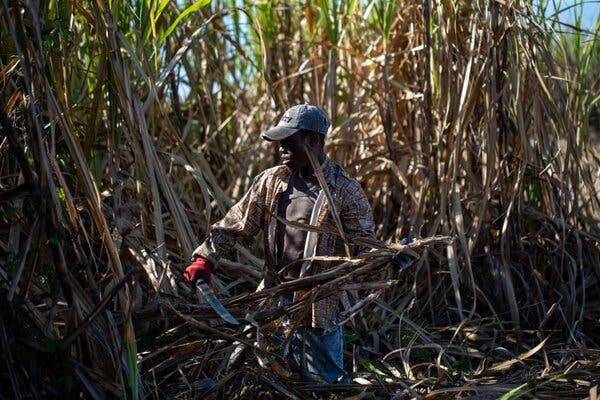
When a lawyer was dispatched by the company to inspect the conditions of the labor camps in the 1980s in the Dominican Republic from a plantation owned by the Fanjuls, he described them to Vanity Fair as “one degree short of Dachau.” [The Fanjuls were major shareholders in the company that owned the plantation, Central Romana].
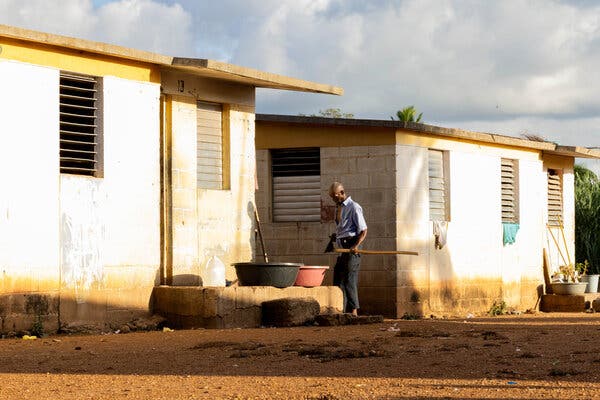
Decades later, an article in The American Prospect emphasized that “virtually nothing had changed.” Workers on the Central Romana plantation received as little as $3 a day for arduous back-breaking labor and continued to be forced to live in houses lacking electricity or drinkable water or even mattresses for sleeping on.
A group of Maryknoll Sisters who traveled there in the 1980s had found the latrines in the homes to be appalling and disease and malnutrition to have been rampant.
The U.S. Department of Labor under President Reagan investigated the Fanjuls’ company, Flo-Sun after workers who tried to strike were deported. The investigation found that the Fanjuls shorted workers regularly, paid the lowest wages of any of the sugar farms and partook in a “systematic falsification of payroll records to cover this up.”[16]
An August 2026 article in The New York Times by Ana Swanson emphasized that most of the plantation workers laboring under horrendous conditions at Central Romana in the Dominican Republic were Haitian migrants who were subjected to intimidation and threats from their supervisors and forced labor practices reminiscent of slavery.[17]
Swanson’s article, additionally, emphasized how the Fanjuls had invested more than a million dollars in lobbying between 2023 and 2025 and gave millions of dollars to Trump’s campaign in order to secure the repeal of the Biden administration’s import ban.
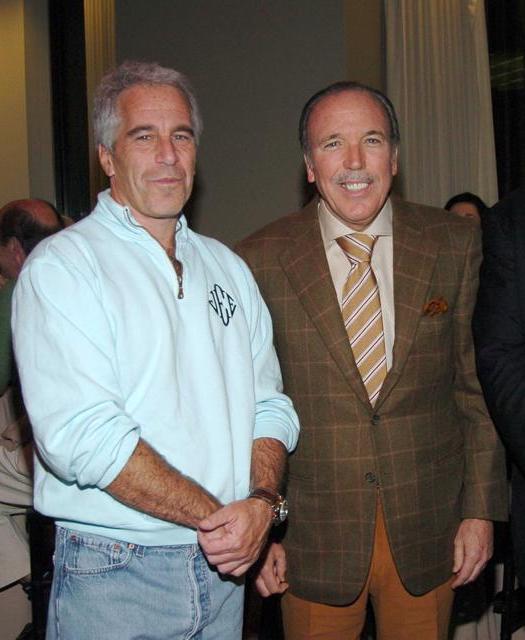
As a further reward for the Fanjuls’ financial support, Trump invited José Pepe to a state dinner at the White House with King Charles III and Queen Camilla and thanked Pepe for his contributions at a White House dinner, stating that “Pepe, you were fantastic, he’s got a little sugar business. He has a monopoly on the world’s sugar—I would say that’s a good business.”[18]
Billionaire Monsters
The Fanjuls’ story is an important one to tell because it sheds light on the gross injustice that results from America’s money-saturated political system, including the perpetration of egregious labor exploitation and environmental degradation.
The Fanjuls’ suppressed intelligence connections and long-time involvement in covert operations reflect how the CIA and its subsidiary agencies serve the agenda of a predatory moneyed elite who lack any human compassion or conscience.
While many Americans are rightfully disgusted today with the behavior of politicians like Donald Trump, people should not lose sight of the fact that Trump and his contemporaries are in the pockets of oligarchs like the Fanjuls who are ultimately the ones wielding the real power.
Social movements should focus their activism on them and demand a just redistribution of wealth in society through socialist policies (i.e., anti-trust laws to break up corporate monopolies, land redistribution, nationalized industry, heavy taxation on the wealthy) along with changes in election financing and lobbying laws, which would help to undercut the political influence of billionaire monsters like the Fanjuls.
Joan Mellen, The Great Game in Cuba: How the CIA Sabotaged Its Own Plot to Unseat Fidel Castro (New York: Skyhorse, 2016). See also Maureen Tkacik, “Sugar Daddies: From the Havemeyer Sugar Trust to Allen Dulles to Jeffrey Epstein, the MAGA billionaire Fanjul family Are the welfare barons of all time,” The American Prospect, September 5, 2025. ↑
Mellen, The Great Game in Cuba, 75, 82; Tkacik, “Sugar Daddies.” Starting in the 1850s, the Fanjuls’ ancestors began buying land and consolidating their control of Cuba’s sugar business. By the turn of the century, they were among the country’s dominant producers. Money from sugar built an extravagant mansion that Mr. Fanjul’s maternal grandfather, José Gomez-Mena, stocked with fine European art. In 1936, Alfonso Fanjul, Sr., married sugar baron Jose Gomez-Mena’s daughter, Lillian, uniting two of Cuba’s largest sugar fortunes. When Fidel Castro, whose father owned a modest sugar plantation, led the overthrow of Fulgencio Batista’s government in 1959, Castro’s revolutionary government renamed the Gomez-Mena mansion, with its furnishings and art intact, the National Museum of Decorative Arts. ↑
Czarnikow-Rionda was founded by Alfonso Fanjul ,Sr.’s business partner George Braga, another associate of the Dulles brothers. ↑
Mellen, The Great Game in Cuba, 112. ↑
Ibid., 115, 249. Kleberg’s brother Richard served in Congress and employed a young Lyndon Johnson as an aide. Kleberg named a King Ranch quarter house after Fanjul. ↑
Mellen, The Great Game in Cuba, 220, 244. ↑
Ibid., 220. ↑
Many AREC members had helped to launch a half dozen or so Florida sugar plantations after their expulsion from Cuba with the backing from such illustrious figures as Henry Ford. Sugar prices tripled and then quadrupled in the early 1960s. ↑
NED was founded two years after CANF was founded. NED’s support for regime change in Cuba was apparent at its recent awards banquet where it honored Afro-Cuban rappers whose lyrics spread anti-government and anti-communist messages and who were supporters of protests in 2021 designed to bring down the Cuban government. ↑
Margaret Katherine Henn, “The Cuban American National Foundation and Its Role as an Ethnic Interest Group,” Undergraduate Thesis, Boston College, 2008. ↑
Carl Hiaasen, Strip Tease (New York: Alfred A. Knopf, 1993); quoted in Michael Grunwald, The Swamp: The Everglades, Florida, and the Politics of Paradise (New York: Simon & Schuster, 2006), 282. ↑
Grunwald, The Swamp, 286, 298. Jose “Pepe” was also a top donor to George W. Bush. ↑
Grunwald, The Swamp, 286, 298. Just how close Alfy was with Clinton became apparent when it was revealed that Clinton was on the phone with him on February 12, 1996, when Clinton was with Monica Lewinsky. Alfy characteristically was chewing out Clinton over presidential hopeful Al Gore’s proposal to tax sugar growers to pay for Everglades restoration. Later, Alfy extended his support to Hillary Clinton. Ahead of the 2008 elections he contributed to her campaign and, in January 2015, he hosted both Hillary and Bill Clinton in his Dominican Republic mansion. Alfy also held a fundraiser for Hillary on August 9, 2016, where participants paid $50,000 per plate. Alfy, additionally, donated more than $100,000 to the Clinton Foundation and supported John Kerry in the 2004 election. ↑
See Jeremy Kuzmarov, Warmonger: How Clinton’s Malign Foreign Policy Launched the U.S. Trajectory from Bush II to Biden (Atlanta: Clarity Press, 2024), ch. 10. ↑
See Leni Villagomez Reeves, “Marco Rubio’s Powerful Secret Backers,” Community Alliance, April 3, 2025. ↑
At a 1999 civil trial, a jury noted the “shameful” treatment of the workers by the Fanjuls. The Fanjuls’ alleged short-changing of pay also extends to their office workers, according to a federal lawsuit filed in 2002 by an ex-employee, Suzanne Wolff, of Boynton Beach, who worked in Florida Crystal’s computer department. She claimed in the suit that the Fanjuls regularly refused to pay overtime and cheated her out of 400 hours, worth $10,964. On October 18, 1991, a tragic accident brought to light the harsh treatment of Fanjul workers. In early-morning darkness, a station wagon packed with seven Guatemalan workers on their way to a Fanjul farm in South Bay lost control. The car flipped into a canal, trapping the men inside. The men clawed at the doors and at one another trying to escape. Only one man survived. Six died in the murky water, including a 15-year-old boy who cut cane in the fields. The accident brought national attention to the Fanjuls for the poor safety conditions of workers transported to their fields, packed in privately owned buses, vans and wagons. In 1999, the Fanjuls’ insurance company agreed to pay the families of the drowned workers $5.6 million. ↑
In Florida, dozens of lawsuits and many critics have accused the Fanjuls of ignoring complaints of unsafe conditions, falsifying time-cards in order to underpay workers, and forcibly deporting immigrant workers who protested the poor conditions. The Fanjuls’ land-holdings are four times larger than Washington, D.C., and ten times the size of Boca Raton. ↑
- Ana Swanson, “Sugar Importer With Trump Ties Said to Maintain Abusive Labor Practices,” The New York Times, August 18, 2026.
CovertAction Magazine is made possible by subscriptions, orders and donations from readers like you.
Blow the Whistle on U.S. Imperialism
Click the whistle and donate
When you donate to CovertAction Magazine, you are supporting investigative journalism. Your contributions go directly to supporting the development, production, editing, and dissemination of the Magazine.
CovertAction Magazine does not receive corporate or government sponsorship. Yet, we hold a steadfast commitment to providing compensation for writers, editorial and technical support. Your support helps facilitate this compensation as well as increase the caliber of this work.
Please make a donation by clicking on the donate logo above and enter the amount and your credit or debit card information.
CovertAction Institute, Inc. (CAI) is a 501(c)(3) non-profit organization and your gift is tax-deductible for federal income purposes. CAI’s tax-exempt ID number is 87-2461683.
We sincerely thank you for your support.
Disclaimer: The contents of this article are the sole responsibility of the author(s). CovertAction Institute, Inc. (CAI), including its Board of Directors (BD), Editorial Board (EB), Advisory Board (AB), staff, volunteers and its projects (including CovertAction Magazine) are not responsible for any inaccurate or incorrect statement in this article. This article also does not necessarily represent the views the BD, the EB, the AB, staff, volunteers, or any members of its projects.
Differing viewpoints: CAM publishes articles with differing viewpoints in an effort to nurture vibrant debate and thoughtful critical analysis. Feel free to comment on the articles in the comment section and/or send your letters to the Editors, which we will publish in the Letters column.
Copyrighted Material: This web site may contain copyrighted material the use of which has not always been specifically authorized by the copyright owner. As a not-for-profit charitable organization incorporated in the State of New York, we are making such material available in an effort to advance the understanding of humanity’s problems and hopefully to help find solutions for those problems. We believe this constitutes a ‘fair use’ of any such copyrighted material as provided for in section 107 of the US Copyright Law. You can read more about ‘fair use’ and US Copyright Law at the Legal Information Institute of Cornell Law School.
Republishing: CovertAction Magazine (CAM) grants permission to cross-post CAM articles on not-for-profit community internet sites as long as the source is acknowledged together with a hyperlink to the original CovertAction Magazine article. Also, kindly let us know at info@CovertActionMagazine.com. For publication of CAM articles in print or other forms including commercial internet sites, contact: info@CovertActionMagazine.com.
By using this site, you agree to these terms above.
About the Author
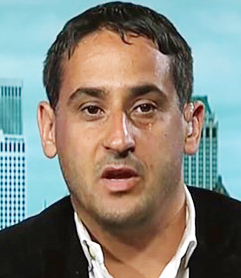
Jeremy Kuzmarov holds a Ph.D. in American history from Brandeis University and has taught at numerous colleges across the United States. He is regularly sought out as an expert on U.S. history and politics and co-hosts a radio show on New York Public Radio and on Progressive Radio News Network called “Uncontrolled Opposition.”
He is Managing Editor of CovertAction Magazine and is the author of eight books, including Obama’s Unending Wars (Clarity Press, 2019), The Russians Are Coming, Again, with John Marciano (Monthly Review Press, 2018), Warmonger. How Clinton’s Malign Foreign Policy Launched the U.S. Trajectory From Bush II to Biden (Clarity Press, 2023); with Dan Kovalik, Syria: Anatomy of Regime Change (Baraka Books, 2025), and Political Assassinations in America: The Intricate Nexus of Deep State Crime (Clarity Press, 2026).
Besides these books, Kuzmarov has published hundreds of articles and contributed to numerous edited volumes, including one in the prestigious Oxford History of Counterinsurgency .
He can be reached at jkuzmarov2@gmail.com and found on substack here.