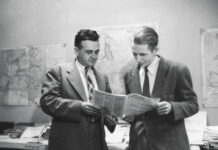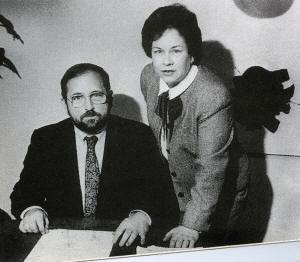
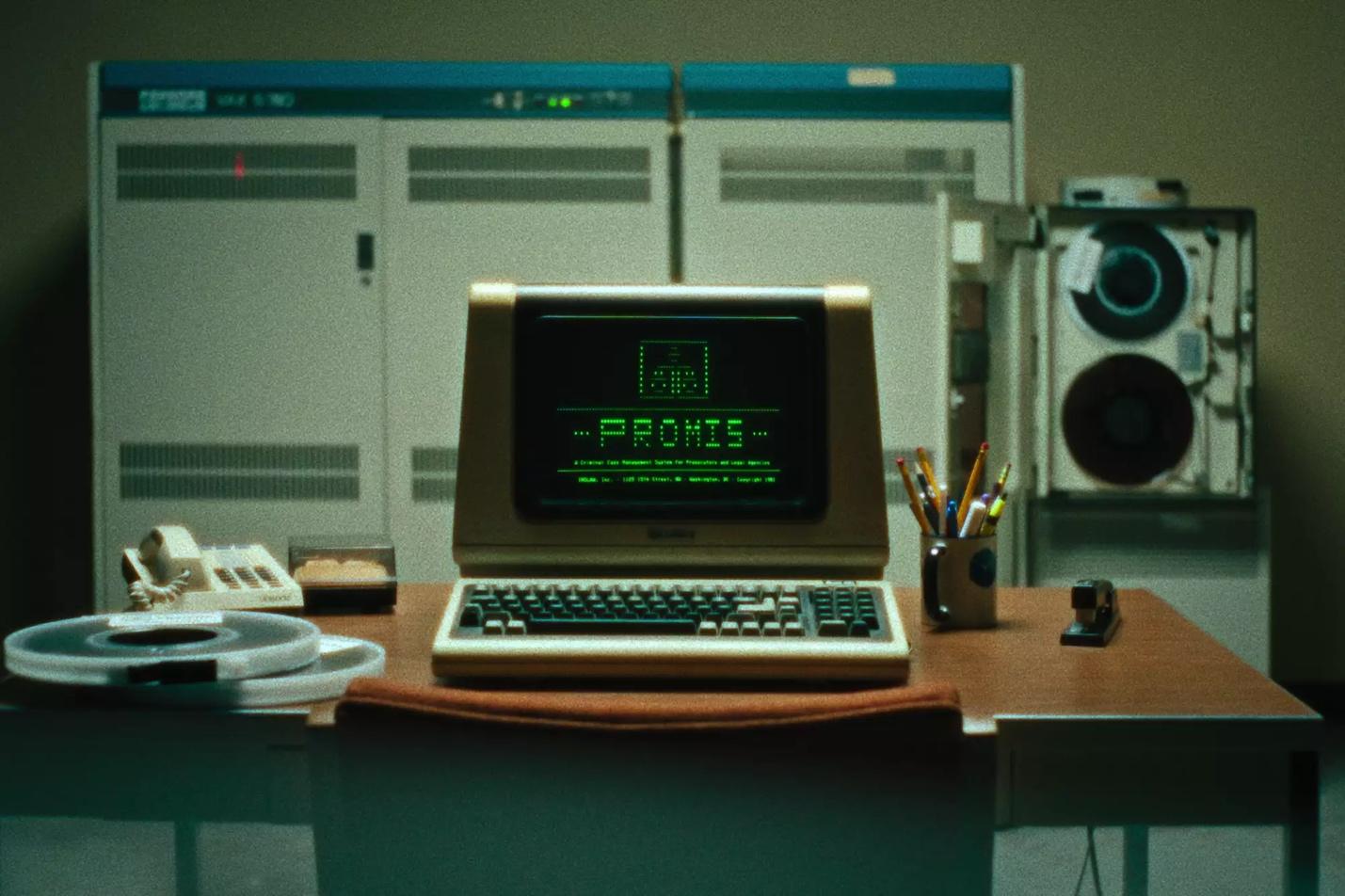
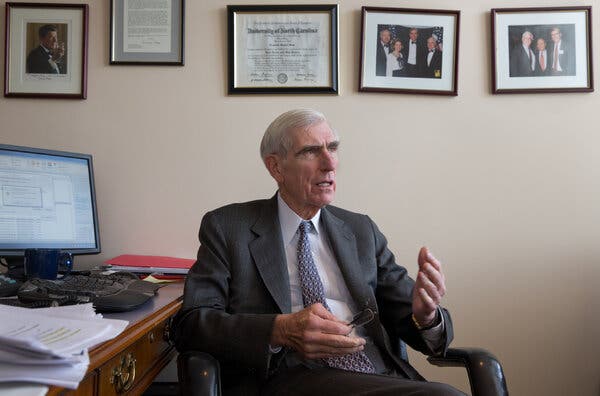
Bill Hamilton was a computer genius who translated articles in the North Vietnamese press for the National Security Agency (NSA) during the Vietnam War and, with his wife Nancy, developed computer software under contract with the Law Enforcement Assistance Administration (LEAA) to help law enforcement agencies collect money owed to the government by criminals and to track court cases and criminal offenders.[1]
In March 1982, a company that the Hamiltons formed, called the Institute for Law and Social Research (INSLAW), was awarded a $10 million contract to install the software known as Prosecutors Management Information System (PROMIS) in 94 Department of Justice (DOJ) offices.
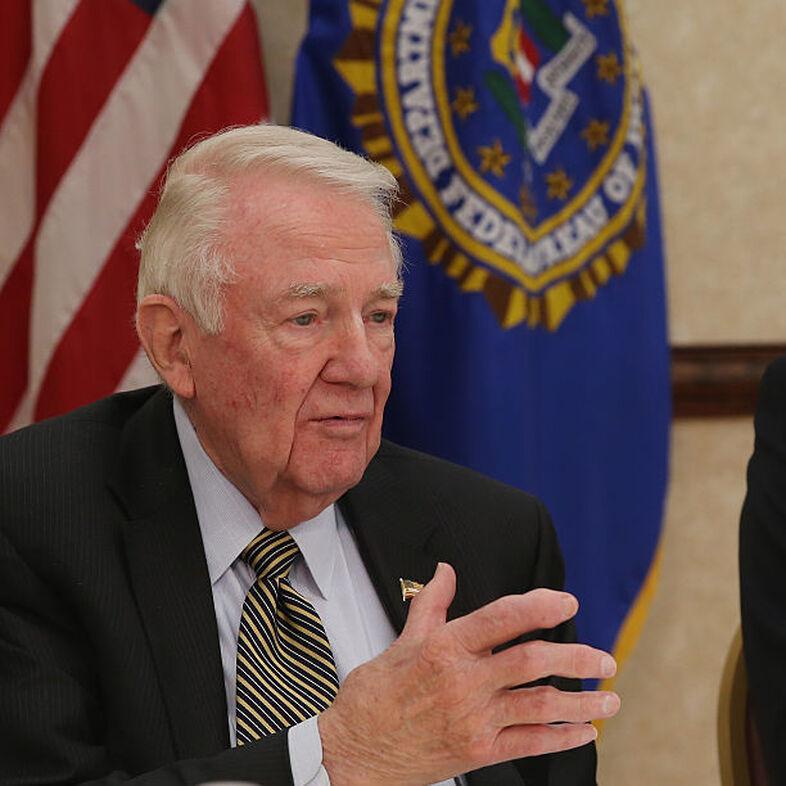
Officials in the Justice Department working under then-Attorney General Edwin Meese, however, forced INSLAW into bankruptcy and seized INSLAW’s version of PROMIS.
It was then utilized, Hamilton believes, by banks to enable NSA and the CIA to track wire transfers of money and letters of credit, and by the CIA to track dissidents and alleged troublemakers in the U.S. in an emergency preparedness program commissioned by the Federal Emergency Management Agency (FEMA) and code-named Main Core.[2]
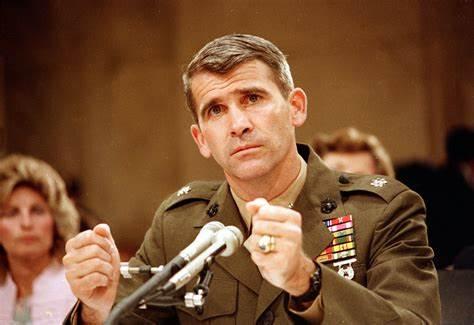
Iran-Contra felon Oliver North allegedly came to possess a computer link to PROMIS with a national security aide in the White House.
Walter Raymond, Jr., one of the most senior CIA staffers who specialized in clandestine propaganda operations, also used the PROMIS-derivative Main Core intelligence database system in his work in the Reagan White House, which included amassing dossiers on political figures that could be used for blackmail purposes.
Hamilton believed that then-CIA Director William Casey (1981-1987) was the driving force for most of the unauthorized, copyright-infringing uses of INSLAW’s PROMIS, which was carried out by the CIA’s Division D.
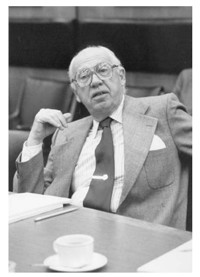
Throughout the mid to late 1980s, the PROMIS software was sold to intelligence services worldwide by Dr. Earl W. Brian, a veteran of the Phoenix Program in Vietnam and former California health secretary with close connections to Edwin Meese.[3]
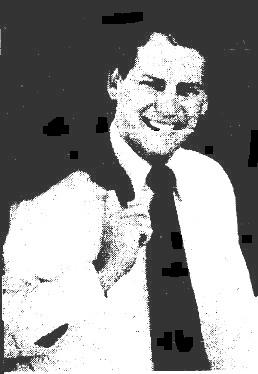
Referred to in a government report as a “CIA businessman,” Brian’s holding company, Biotech Capital Corporation, had 40 computer system contracts with U.S. intelligence agencies, and tried to pressure Hamilton into selling INSLAW.[4]
Brian’s customers for the revamped spy software included the Israelis, who used PROMIS to track troublesome Palestinians, according to Rafi Eitan, long-time deputy director of Mossad’s covert operations, who gushed: “We can use that program [PROMIS] to stamp out terrorism by keeping track of everyone. But not only that, we can find out what our enemies know too.”
Eitan admitted to British journalist Gordon Thomas that he had collaborated with CIA officials in selling more than half a billion dollars’ worth of INSLAW’s PROMIS to foreign intelligence and law enforcement agencies as part of a joint covert operation with the U.S. to steal the intelligence secrets of foreign governments.
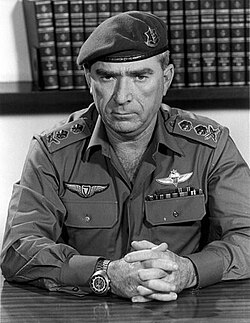
Eitan was also allegedly involved in a botched covert operation to kill Bill and Nancy Hamilton in May 1993—with the sanction of the Clinton administration.
Bill Hamilton was told about the plot by a retired U.S. Army Criminal Investigation Division (CID) employee who is now deceased. The CID employee said he learned the information from a reliable source who had been connected to U.S. Army Special Forces Intelligence.
This same source divulged that a Major Joseph Cuellar of Army Special Forces Intelligence had lured journalist Danny Casolaro, who had been investigating the CIA’s theft of the PROMIS software, to a meeting in Martinsburg, West Virginia, in August 1991 where Casolaro was murdered in order to recover the Main Core computer printouts that Alan Standorf of NSA had provided to Casolaro before Alan Standorf was himself murdered earlier that year.[5]
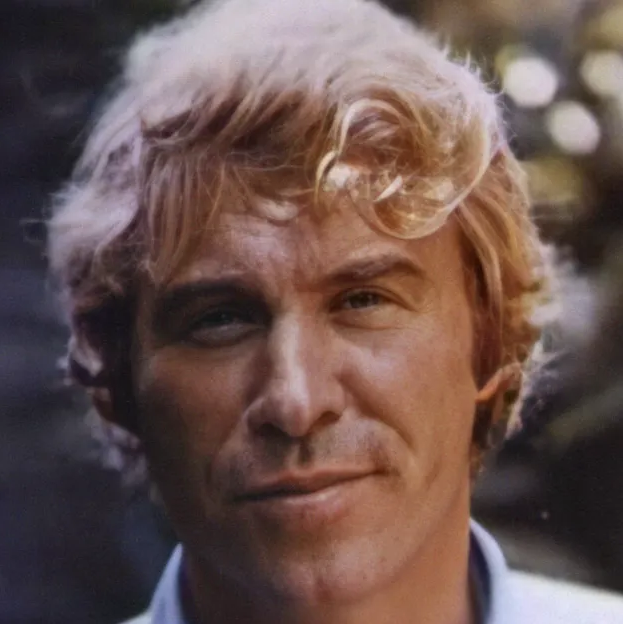
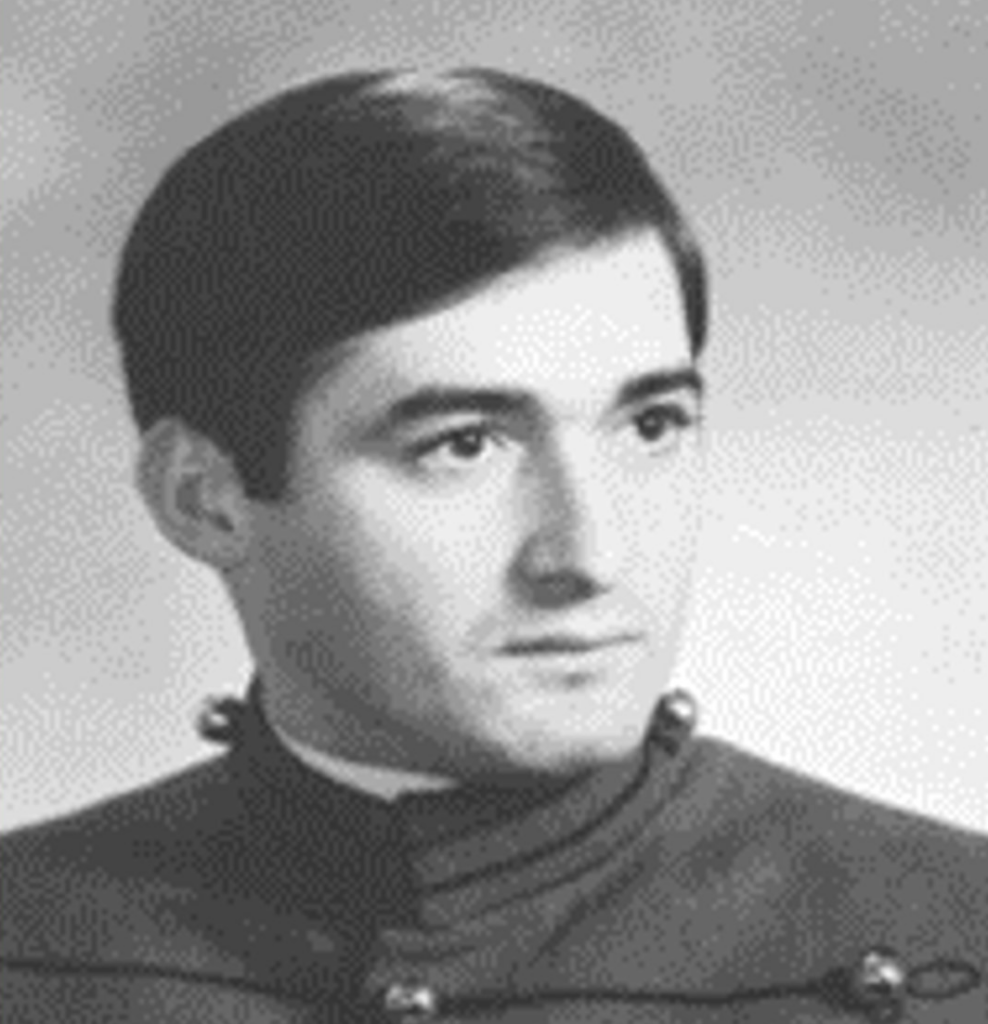
The same source claimed that Special Forces Intelligence was intimately involved with Main Core, conducting physical surveillance of blackmail targets.
He further told Hamilton that he was told to keep silent about what he knew or “the Special Forces Intelligence guys would finish the job that Rafi Eitan’s guys bungled,” i.e., killing Hamilton’s wife and him in their home during the first weekend of May 1993.
Prior to the latter botched attempt, CIA counter-intelligence was said to have intercepted the killers on their way to the Hamiltons’ home and then had them deported.
Ari Ben-Menashe claimed that, shortly before the assassination attempt, Eitan had met him at a hotel in Montreal and warned there would be “consequences” if both he and Hamilton were to continue speaking about Israeli intelligence’s role with PROMIS software, according to Hamilton’s notes.[6]
A year earlier, Eitan had been spotted by a maid at Ian Spiro’s home in San Diego around the time that Spiro, his wife, two daughters and son were murdered.
Spiro had been involved with Eitan in the Iran-Contra weapons-for-hostages deals in Lebanon and, according to court documents, was holding computer equipment essential for Michael Riconosciuto—a whistleblower who had modified the PROMIS software for the CIA—to prove a Justice Department conspiracy to steal the PROMIS software.[7]
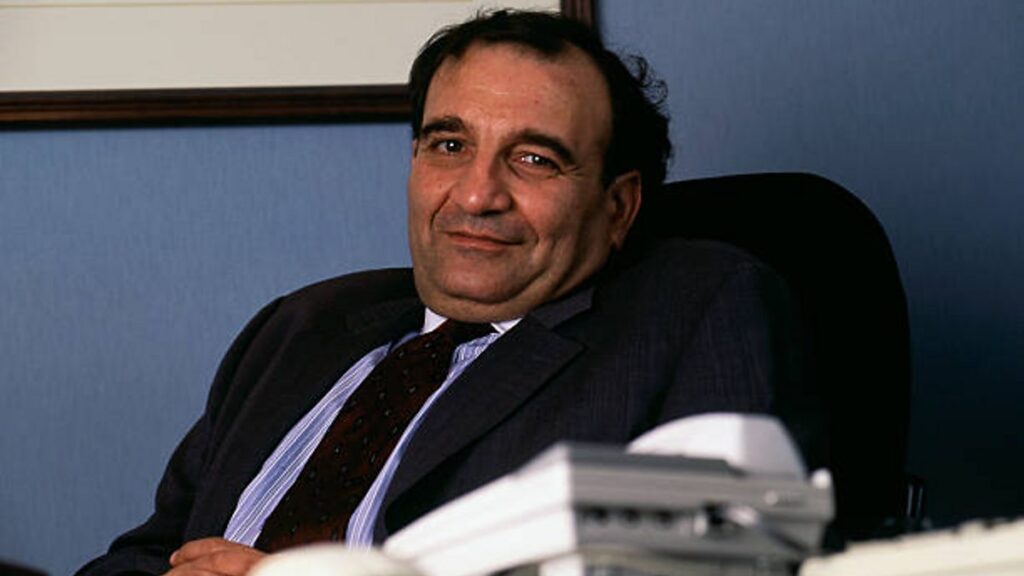
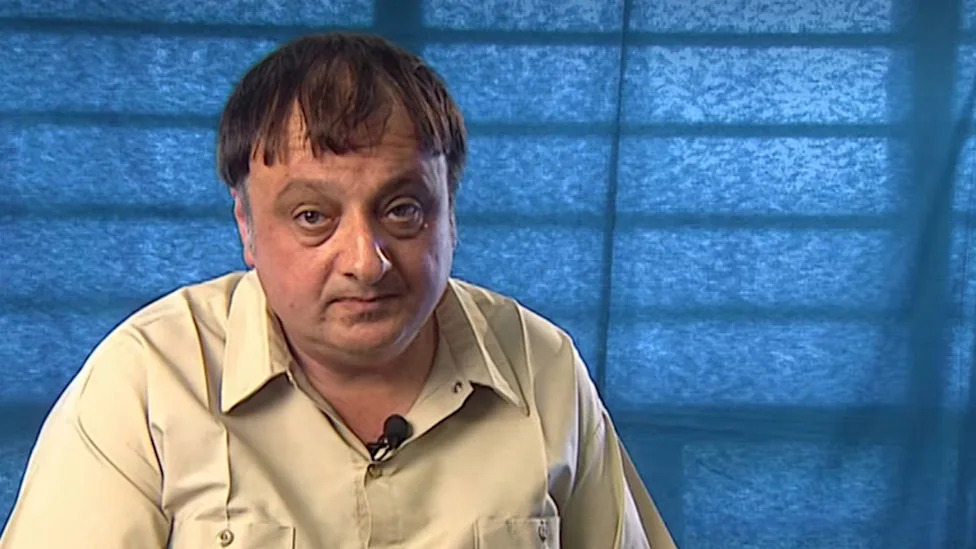
Dirtier Than Watergate
After INSLAW was stolen from him, Hamilton engaged in a decades-long legal battle with the Department of Justice, having lost out on billions of dollars in government contracts. His attorney, Elliot Richardson, Nixon’s former attorney general, said that there was circumstantial evidence of a “sinister conspiracy” that was “even greater than Watergate.”
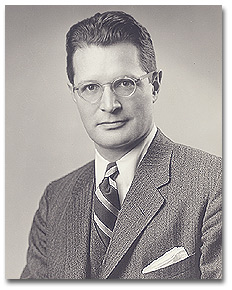
In September 1987, U.S. Bankruptcy Judge George F. Bason, Jr., ruled in favor of INSLAW and awarded Hamilton $6.8 million, saying that Justice Department officials “took, converted and stole” PROMIS through “trickery, fraud and deceit.”[8]
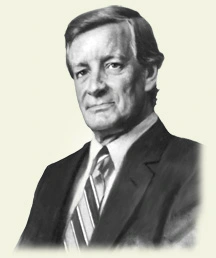
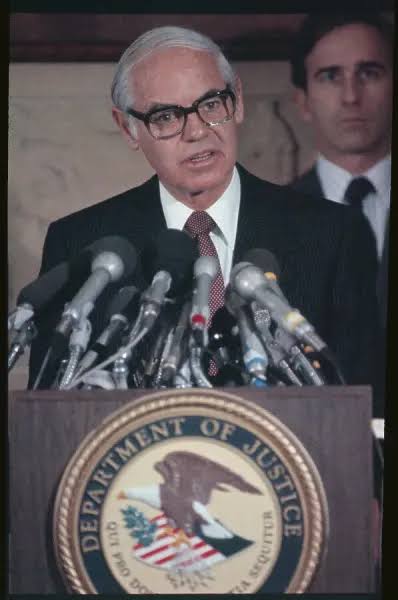
After a three-year investigation, the House Judiciary Committee in September 1992 demanded that then-Attorney General William Barr immediately compensate INSLAW for the harm the government had egregiously inflicted on the company and that Barr petition the U.S. Court of Appeals for the District of Columbia for an appointment of an independent counsel to investigate the government’s theft of PROMIS along with possible obstruction of justice by two Attorney Generals who preceded Barr—Meese and Dick Thornburgh.
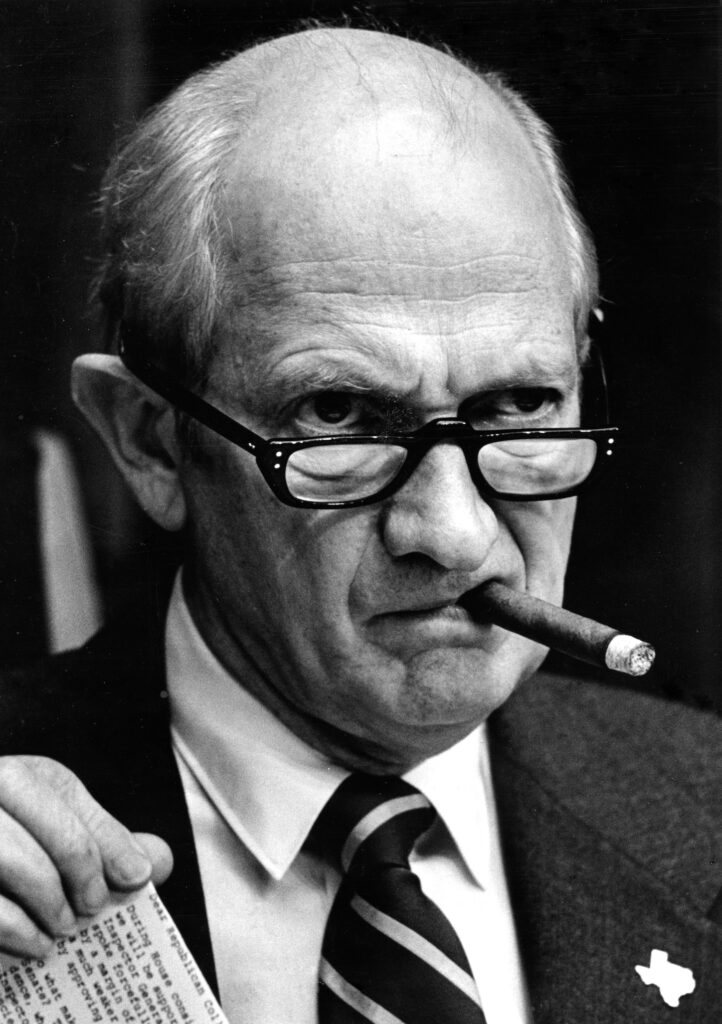
Headed by Jack Brooks (D-TX), the committee also demanded that the Independent Counsel be tasked with an investigation of the August 10, 1991, death of Danny Casolaro, who had spent the year preceding his death investigating the INSLAW affair and several other interlinked scandals involving the CIA.[9]
In March 1989, INSLAW’s lawyer, Elliot Richardson, wrote a letter to then-Senator Joe Biden, head of the Senate Judiciary Committee, asking him to apprise Attorney General Richard Thornburgh of the fact that his committee’s chief investigator, Ronald LeGrand, had received serious allegations of malfeasance within the Department of Justice from an informant he deemed to be credible, and that he should ask for Thornburgh’s assurance that reprisals would not be permitted against anyone in the Department of Justice who came forward with truthful testimony.
Biden, who had brought it into the U.S. Department of Justice for use in U.S. Attorneys’ offices, responded in cowardly fashion by asking Ron LeGrand to write a short letter to Richardson in which he basically refused the request, invoking the separation of powers doctrine and saying that the Senate Judiciary Committee would not intervene in any pending litigation.
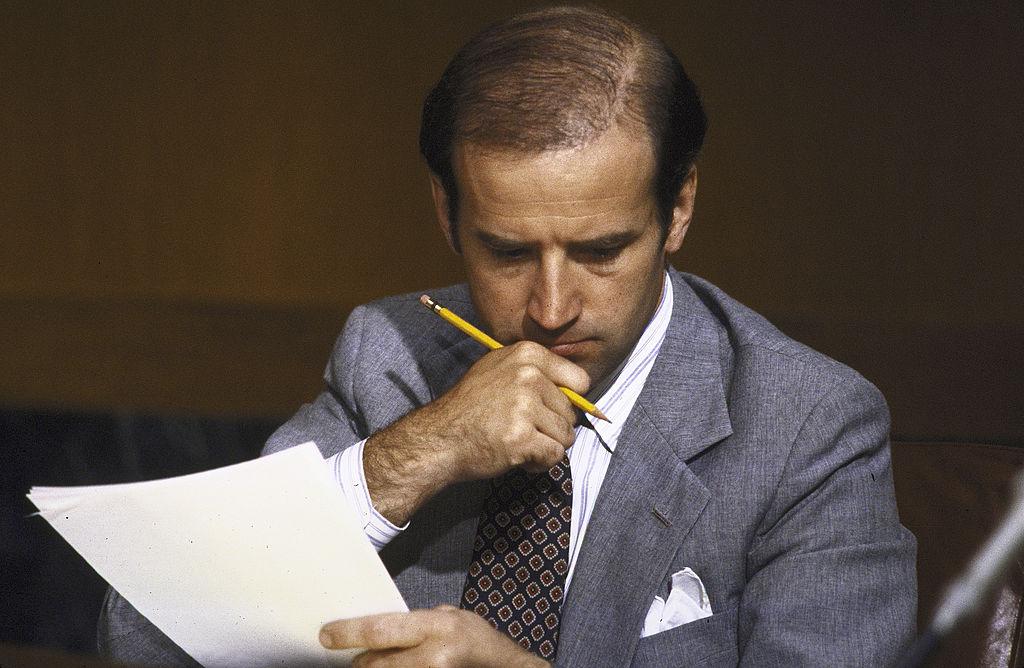
Richardson responded to Biden, saying that he was astonished by the LeGrand letter, as he never requested that the Senate Judiciary Committee interfere in any pending litigation, and that the separation of powers doctrine was irrelevant to what he was requesting. Further, he was unaware of any “constraints on committee investigative information,” which LeGrand specified, particularly since the committee had not to that time carried out any in-depth investigation.
LeGrand later told Bill Hamilton that he had never written or signed the letter, but that it had been drafted by a top aide to Chairman Biden who forged LeGrand’s signature.
LeGrand’s source for the information he later provided to Bill and Nancy Hamilton was a senior official in the Department of Justice’s Criminal Division “with a title” who had been working there since the time of the Watergate Scandal.
LeGrand quoted his trusted source as having asked LeGrand to tell Nancy and Bill that “you are not crazy; what you think took place, did take place, but you don’t know squat about how dirty the INSLAW case really is. In its breadth and depth, it is a log dirtier for the DOJ than Watergate was and if you ever learn even half of what took place, you will be sickened.”[10]
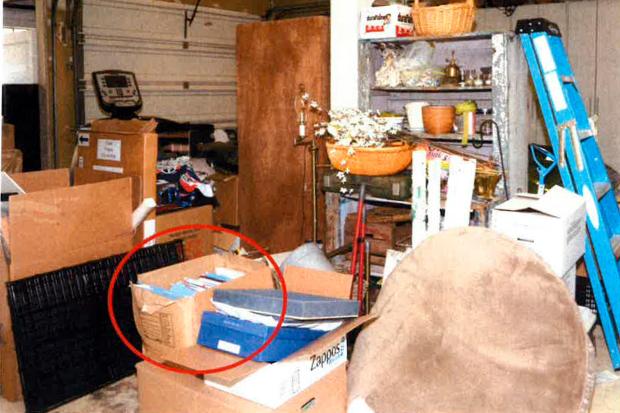
What Was Biden Hiding in His Garage?
After Special Counsel Robert Hur released a report in February 2024 that Joe Biden had illegally retained classified military and national security information in his home, an intelligence source told Bill Hamilton that the classified documents found in Biden’s home included documents relating to the use of unauthorized, copyright-infringing derivatives of INSLAW’s PROMIS software. When asked why Biden might have had these documents, Hamilton responded:
“I can hypothesize two alternative possibilities, assuming the lead is true and accurate; (1) the documents at issue relate to friends of the administration in power who were enabled, for their personal financial gain, to sell unauthorized, copyright-infringing derivatives of PROMIS; and (2) the [documents contain] content of some of the actual intelligence data that was
disseminated through the U.S. Government’s use of stolen copies of INSLAW’s PROMIS.”[11]
About Face of CIA Director and Another Suspicious Death
In the early 2000s, a friend of Bill and Nancy Hamilton and then-CIA Director George Tenet (1997-2004) arranged for Tenet to read an INSLAW memorandum on the INSLAW Affair.
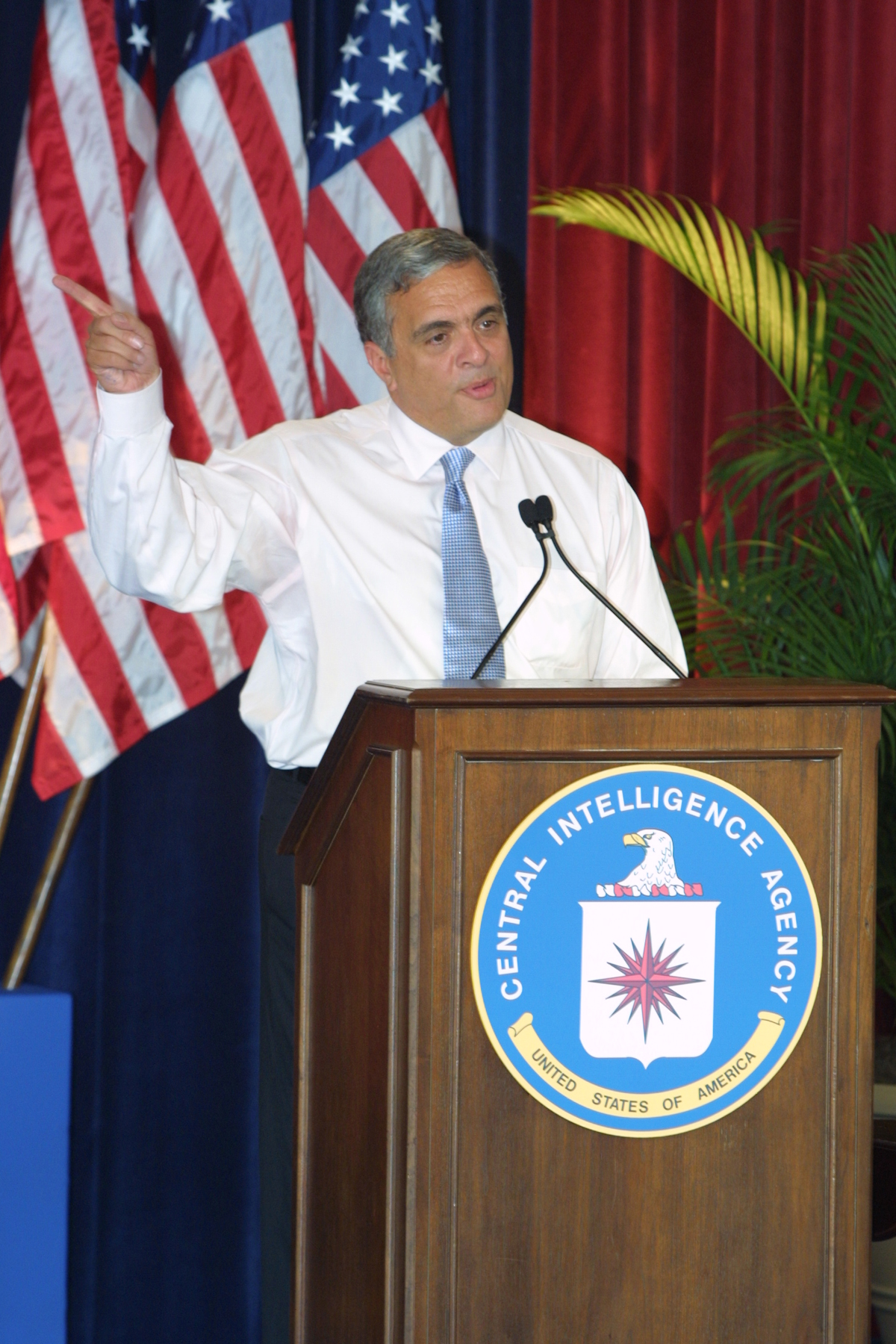
Afterwards, Tenet telephoned the friend to say the following: “If the INSLAW memorandum is accurate, what the government has done to the Hamilton family was unconscionable and the INSLAW case needs to be settled. I am frankly somewhat surprised that Attorney General Ashcroft is not already moving on behalf of the government as a whole to settle the INSLAW case, but, if necessary, I am prepared to settle the CIA’s part, and, toward that end, I have ordered the CIA General Counsel to report to me next Wednesday on whether, as a matter of federal law, the CIA is liable for the payment of consequential damages to INSLAW.”
When Wednesday arrived, however, Tenet again telephoned the friend, this time to inform him that the CIA General Counsel had advised the CIA Director not to become involved in the INSLAW case.
At that point, Hamilton telephoned Admiral Daniel Murphy, the Deputy CIA Director under Gerald Ford, whom he had met through INSLAW legal counsel C. Boyden Gray, who had since passed away.
Hamilton asked Admiral Murphy for his hypothesis for the abrupt about-face by the CIA Director on his volunteered willingness to settle the CIA’s part of the INSLAW case.[12]
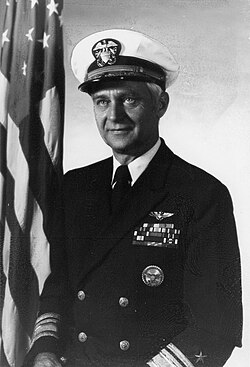
Admiral Murphy replied: “In my imagination, I see a senior aide to the CIA Director tugging on his sleeve to remind him of something connected to the INSLAW case. It is my hunch that there is another use of your software that you have not yet discovered; that it involves something so seriously wrong that money alone cannot cure the problem; and that unless and until you discover that additional use of PROMIS, the government may never compensate your company.”
Admiral Murphy then telephoned Hamilton again to volunteer to serve as INSLAW’s “intelligence guru” and accompany C. Boyden Gray to his meetings with government officials to keep them honest. Admiral Murphy also stated that he was confident Hamilton would figure out to what use of PROMIS he had been alluding.[13]
Unfortunately, Admiral Murphy unexpectedly passed away a day or so later and Hamilton never had an opportunity to ask him whether he was correct in assuming that he had been alluding to the Main Core version of PROMIS.
Complicating U.S. Policy in the Middle East
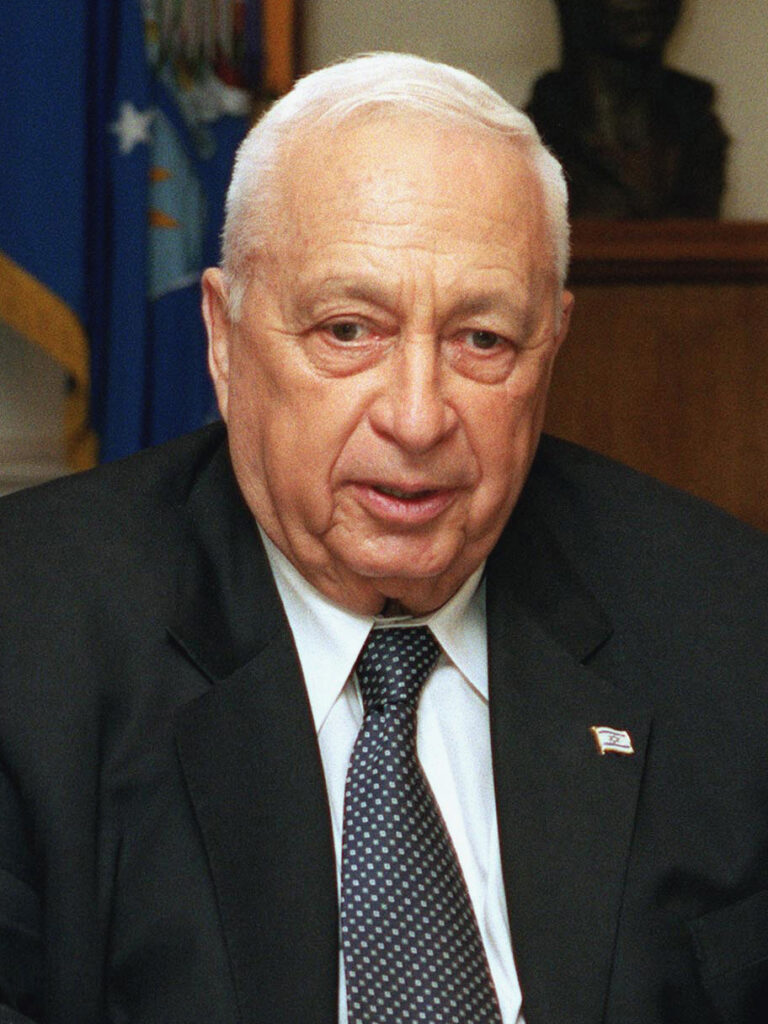
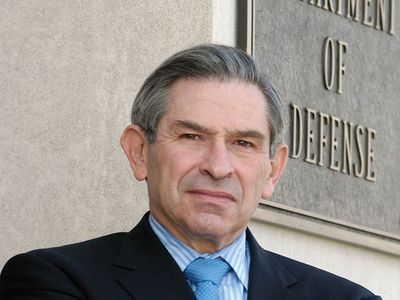
In the spring of 2003, a trusted source of Boyden Gray provided the following explanation to him for the government’s continued stonewalling: “Paul Wolfowitz [Deputy Secretary of Defense], Scooter Libby [Chief of Staff and National Security Adviser to Vice President Cheney], and Richard Perle [Chairman of the Defense Research Council] are all opposed to a settlement with INSLAW out of fear that it could embarrass [then] Israeli Prime Minister Ariel Sharon and complicate U.S. policy in the Middle East. Each of them is intimately familiar with the INSLAW case as a result of the government’s decision to give PROMIS to Israel.”
Media Refuses to Take up Story
In fall 1991, while temporarily back at The New York Times on a contract to cover the October Surprise and Iran/Contra scandals, legendary investigative reporter Seymour Hersh came to the Hamiltons’ home on a night Nancy and Bill and INSLAW Counsel Charles Work had been at dinner downtown with Lou Dobbs, then of CNN’s “Moneyline.”
Hersh told the Hamiltons he found it difficult to believe that neither they nor INSLAW counsel Elliot Richardson had ever received a security briefing from the government because their software was at the center of a hugely successful worldwide intelligence operation.
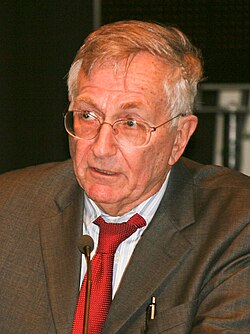
Hersh told the Hamiltons he planned to write about it while back at The New York Times. However, after his contract ended at the end of 1991 without having published any article, Bill said Hersh telephoned him and he explained that none of the witnesses had been willing to speak on the record.
In February 1994, Hersh telephoned Bill again to say that, while researching a forthcoming article for The Atlantic Monthly magazine on nuclear proliferation in the former Soviet Union, his source, whom he described as “a former senior SIGINT guy,” had brought up the INSLAW affair on his own and without any prompting from Hersh, said that “INSLAW was fucked big time but Edwin Meese was not the first Attorney General involved; the first was William French Smith based on a decision by Ronald Reagan to give the INSLAW software to Israel.”
The source further stated that every AG since Smith had lied through his or her (Janet Reno was by then the first female AG) front teeth to the American people; and that Edwin Meese was supposed to have settled with INSLAW when he became AG in February 1985.
Hersh told Hamilton he had been told substantially the same thing by other sources in the fall of 1991 but did not plan to write an exposé because none of his sources was willing to speak on the record.
In September 1994, Hamilton said that he suggested to Hersh that he visit INSLAW to
receive a briefing on what Nancy and he believed the government had done with PROMIS based on his most trusted sources and then, perhaps, Hersh could see whether his own trusted former senior SIGINT source could independently confirm any of it and, if his source were able to confirm some of it, Hersh would have the equivalent of two sources and could publish an exposé.
A couple of days after receiving the Hamiltons’ briefing in September 1994, Hersh
telephoned Bill to say he had “just talked to my guy and you are right about everything, including the fact that your software is on the nuclear subs.”
Hersh quoted his source as stating that the submarine-based PROMIS was used to “track noises and sounds on the ocean floor,” an apparent allusion to the use of PROMIS on the Navy’s SOSUS (Sound Surveillance System), an array of listening devices on the ocean floors.
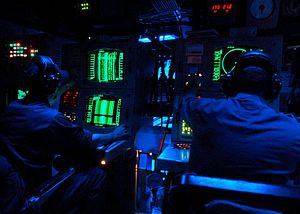
Later that same day in September 1994, Hersh telephoned Hamilton again and read from what he said was his proposal to Tina Brown of The New Yorker for Hersh to write an exposé of the INSLAW Affair.
The following week, however, Hersh telephoned Hamilton to say that Tina Brown had turned down his proposed article on the ground that she had already “done” INSLAW when she ran Vanity Fair and commissioned an article by Ron Rosenbaum on the death of Danny Casolaro.
Hersh thereafter said he tried The New York Times Magazine and then The Atlantic Monthly magazine but was turned down by each of them and, therefore, had given up his plan to write an exposé of the INSLAW Affair.
Netflix Series Perpetuates Cover-up
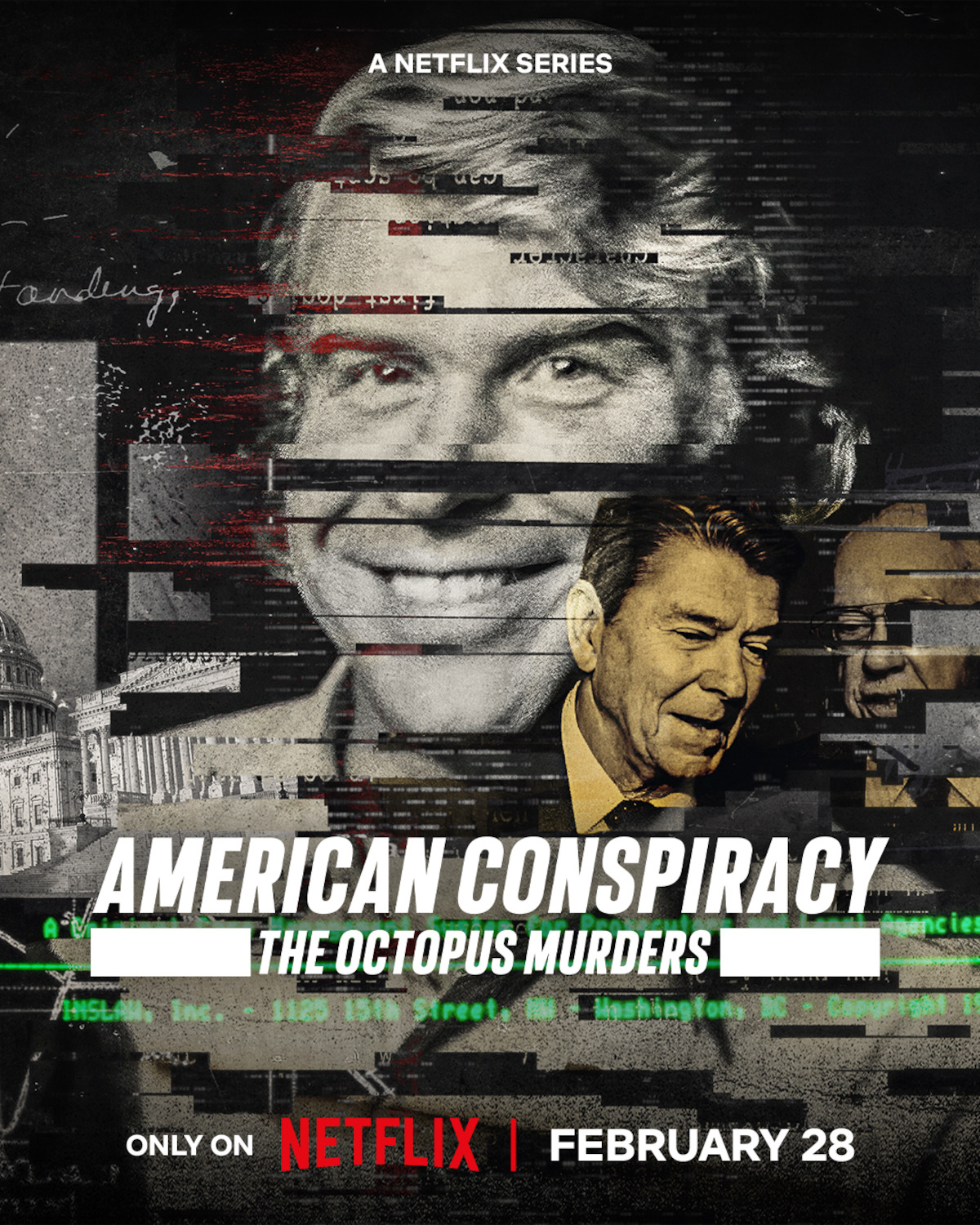
In February 2024, Netflix released American Conspiracy: The Octopus Murders about the PROMIS software scandal and death of journalist Danny Casolaro, which went on to win an Emmy award. The film ignored legions of evidence in concluding that Casolaro was depressed and committed suicide.
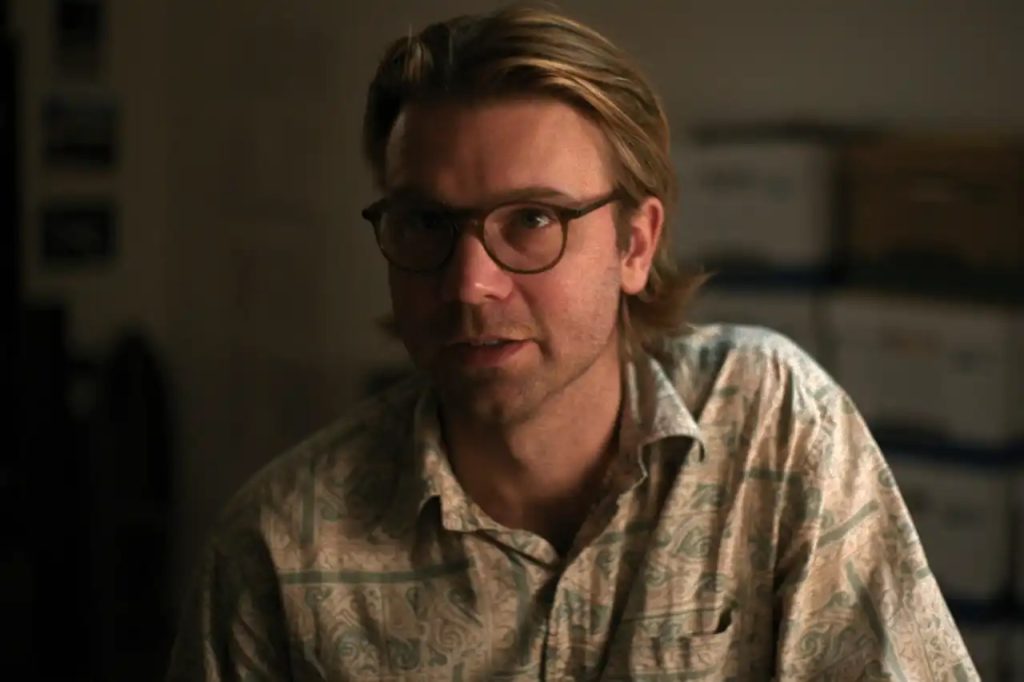
Bill Hamilton is featured in the film, though he is made to appear like a paranoid conspiracy theorist.[14]
This latter portrayal hinges on the claim that Hamilton had determined that the PROMIS software was deployed to program U.S. nuclear submarines from a woman, “Norma Giacinto,” who provided him highly classified information on paper napkins in a bowling alley. The implication was that, since Giacinto was so clearly a non-credible “source,” so must be Hamilton.
Hamilton told me that “the information about a scene at a bowling alley and a napkin is totally untrue. I have never understood the motives [of the director, Zachary Treitz, and the journalist, Christian Hansen,] and regard what happened as despicable.”[15]
Hamilton further said that he remembered the first time Hansen and Treitz visited his home and he and his wife Nancy were “stunned at how little experience they appeared to have reporting on anything similar to the INSLAW Affair.”
Hamilton continued: “Although I did not know at the time, Michael Riconosciuto, like Nancy and me, initially fully cooperated with the two Netflix reporters but soon concluded that they had no requisite experience covering anything similar to the INSLAW case. Riconoscuito told me, for example, that he had introduced the two reporters to a Mexican intelligence official with knowledge about aspects of the INSLAW case but that the reporters were unable to appreciate the importance of that source at all.”[16]
When asked about the use of the PROMIS software on nuclear submarines, where it was used for tracking Soviet submarines and computer-directed firing of submarine-launched missiles, Hamilton said that this was “very sensitive information,” which he was originally informed about by an “INSLAW customer employed by a highly respected private sector entity but with access to U.S. intelligence [who] went out of her way to try to help INSLAW. She was bright, level-headed, respected, and courageous.”
Hamilton further referred me to a 1995 court transcript from INSLAW’s legal case against the U.S. government, which included sworn testimony from Donald L. Ward, a Boca Raton-based journalist who worked as a reporter for the Navy Times.
Ward testified that he was told by Sue Fili, a Navy public affairs employee at Navy Sea Systems command in Arlington, Virginia, that the U.S. Navy had used a computer software program called PROMIS since the early 1980s for data-board management aboard submarines in intelligence gathering and dissemination.
Additionally, Ms. Fili told Ward that the U.S. Navy installed PROMIS aboard attack (SSN) and ballistic missile submarines using a VAX 11/780 model 5 computer—the same computer Hamilton says was stolen from INSLAW by the CIA in collaboration with the Justice Department in 1983.
Ward noted that Bill Hamilton had told him that his investigators had learned that Earl Brian’s Hadron Inc. had obtained contracts with the U.S. Navy’s undersea systems center in the early 1980s to install PROMIS on Navy attack and ballistic missile subs.[17] The U.S. Air Force also installed PROMIS in the cockpits of the F-117 Stealth aircraft and then all U.S. attack aircraft for a similar intelligence application involving the tracking of threats and targets in the vicinity of each aircraft.
Ward’s testimony repudiates American Conspiracy’s presentation of how Hamilton obtained information about the use of PROMIS software on U.S. Navy submarines and discredits the film’s depiction of Hamilton as an uninformed and paranoid “conspiracy theorist.”
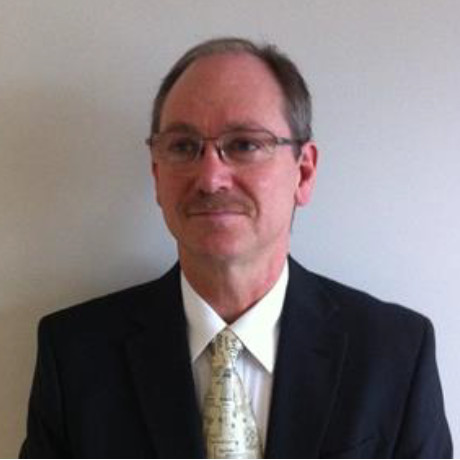
Peter Osborne, who began investigating the PROMIS software scandal and murder of Danny Casolaro a quarter-century ago after his own software company was stolen by the CIA, stated that “the scene involving Ms. Giacinto was a set-up. Ms. Giacinto was clearly told to state those lines; her husband had worked for the CIA, and Aetna, the company she worked for, was associated with the Johns Hopkins School of Medicine, which provided a cover for U.S. clandestine operations.”
Osborne said that Treitz and Hansen “did not have the professional, technical qualification to understand the CIA’s need to modify the PROMIS software for tracking nuclear submarines and covert SWIFT banking using the CIA/NSA Echelon network.”
Osborne and Ward’s statements, along with an abundance of other evidence, make clear that the Netflix film is part of a long government cover-up of major state crimes, with which Bill Hamilton is intimately familiar.
If Congress wants to get serious and really investigate “deep-state crimes” instead of staging public relations charades, they would be wise to consult with Hamilton and have him testify about all that he knows.
Hamilton was a CIA contractor who served as deputy chief of NSA intelligence production in the 1960s. ↑
The Justice Department never approached INSLAW about lawfully purchasing PROMIS licenses for intelligence projects, presumably because the plan, from the outset, was to use stolen copies of PROMIS to generate hundreds of millions of dollars in illicit profits for intelligence slush funds and for the personal financial gain of politically connected intelligence contractors like Earl Brian. ↑
When the software was sold to private companies or intelligence services, the CIA used the proceeds to finance covert operations Congress may not have authorized. ↑
Brian, who served almost five years in federal prison in the late 1990s for bank and securities fraud, had been observed in Indio, California, attending a weapons demonstration for Eden Pastora and the Nicaraguan Contras in the 1980s. An Indian reservation in Indio was used for modifying the PROMIS software for use by the CIA and for testing weapons that were sent to the Contras in the Iran-Contra affair. A CIA-funded joint venture between the Wackenhut Corporation, a giant private security company, and the tiny Cabazon Indian Tribe of Indio, California, was allegedly organized during that September 1981 weapons demonstration. During the Vietnam War, Brian was said to have tortured Vietnamese POWs as part of the Phoenix Program. ↑
Among other incriminating documents, Casolaro had obtained NSA computer printouts that listed wire transfers of “monies paid to Earl Brian” at “shell companies in the Cayman Islands and Switzerland that came from accounts held by foreign agents and governments at the World Bank and Bank of Commerce and Credit (BCCI), with connections made by Ed Meese.” Cuellar, who served in the 1st Persian Gulf War, had “befriended” Casolaro in July 1991 at a neighborhood pub where Casolaro was on a date after stalking him. Witness sketches released decades later by the Martinsburg police showed that Cuellar resembled a man who was seen leaving Casolaro’s hotel room around the time of the murder. After Danny’s funeral, Cuellar phoned Lynn Knowles, Danny’s girlfriend, and told her: “What Danny Casolaro was investigating is a business. If you don’t want to end up like Danny or like the journalist who died a horrific death in Guatemala [Anson Ng, a stringer for the London-based Financial Times who was found murdered in Guatemala the month before Casolaro died] you’ll stay out of this. Anyone who asks too many questions will end up dead.’” Casolaro was found with ethyl alcohol absolute in his system that had been injected into his spine. The poison was tracked by Dr. Kit Green, a forensic pathologist who worked for the CIA, to a U.S. Army inventory. ↑
“‘The Octopus: INSLAW PROMIS software scandal and those killed by its tentacles,” The Millennium Report, October 4, 2019. ↑
“‘The Octopus.’” The latter appears to be the reason that Spiro and his family were killed. Spiro was found dead of cyanide poisoning in his car miles from the family home. His wife and kids were killed in their home. ↑
Bason’s ruling was affirmed in November 1989 by U.S. District Judge William B. Bryant, who said that there was “convincing, perhaps compelling support for the findings set forth by the bankruptcy court,” though it was overturned by the U.S. Court of Appeals on jurisdictional grounds by a three-judge panel headed by James Buckley, the brother of William F. Buckley, the famous conservative pundit who had worked for the CIA. ↑
See Jeremy Kuzmarov, “New House Judiciary Select Subcommittee Should Pursue the Unfinished Business of the September 1992 Inslaw Affair Investigation,” CovertAction Magazine, June 16, 2023. The committee’s recommendations, unfortunately, were never followed up and, since Brooks lost his congressional seat in 1995, the INSLAW case has not been taken up by the federal government.
See Kuzmarov, “New House Judiciary Select Subcommittee Should Pursue the Unfinished Business of the September 1992 Inslaw Affair Investigation.” LeGrand was further told that the Justice Department was compromised at every level of the INSLAW case.It is possible that Biden was keeping incriminating documents for self-protection so that he could not be blackmailed or pressured into enacting policies he did not want. Or maybe he was doing it to protect “deep-state” criminals who helped put him in office. ↑
Elliot Richardson had introduced Admiral Murphy, who served as Deputy Under Secretary of Defense for Intelligence in the Carter administration, to INSLAW in 1991 when Richardson asked Murphy for his opinion on the plausibility of claims about unauthorized uses of PROMIS in intelligence projects by several affiants who claimed to have knowledge of the matter. ↑
After reading INSLAW’s evidentiary summary in the summer of 2001, Murphy said it left no doubt about what happened and the INSLAW case needed to be settled, but INSLAW first had to find another outstanding lawyer like Elliot Richardson (who died in December 1999) because “government officials would regard it as their patriotic duty to look INSLAW’s lawyer in the eyes and lie.” ↑
For a critique of this film, see Jeremy Kuzmarov, “Netflix Series on the Octopus Murders Continues Cover-up of Reporter’s Death and CIA Crimes He Threatened to Expose,” CovertAction Magazine, March 11, 2024.Author’s interview with Bill Hamilton, October 9, 2026. ↑
Author’s interview with Bill Hamilton, October 10, 2026. ↑
Donald L. Ward, affidavit, December 8, 1995, INSLAW, Inc., and William A. Hamilton and Nancy Burke Hamilton vs. United States of America, provided to the author by Bill Hamilton. ↑
CovertAction Magazine is made possible by subscriptions, orders and donations from readers like you.
Blow the Whistle on U.S. Imperialism
Click the whistle and donate
When you donate to CovertAction Magazine, you are supporting investigative journalism. Your contributions go directly to supporting the development, production, editing, and dissemination of the Magazine.
CovertAction Magazine does not receive corporate or government sponsorship. Yet, we hold a steadfast commitment to providing compensation for writers, editorial and technical support. Your support helps facilitate this compensation as well as increase the caliber of this work.
Please make a donation by clicking on the donate logo above and enter the amount and your credit or debit card information.
CovertAction Institute, Inc. (CAI) is a 501(c)(3) non-profit organization and your gift is tax-deductible for federal income purposes. CAI’s tax-exempt ID number is 87-2461683.
We sincerely thank you for your support.
Disclaimer: The contents of this article are the sole responsibility of the author(s). CovertAction Institute, Inc. (CAI), including its Board of Directors (BD), Editorial Board (EB), Advisory Board (AB), staff, volunteers and its projects (including CovertAction Magazine) are not responsible for any inaccurate or incorrect statement in this article. This article also does not necessarily represent the views the BD, the EB, the AB, staff, volunteers, or any members of its projects.
Differing viewpoints: CAM publishes articles with differing viewpoints in an effort to nurture vibrant debate and thoughtful critical analysis. Feel free to comment on the articles in the comment section and/or send your letters to the Editors, which we will publish in the Letters column.
Copyrighted Material: This web site may contain copyrighted material the use of which has not always been specifically authorized by the copyright owner. As a not-for-profit charitable organization incorporated in the State of New York, we are making such material available in an effort to advance the understanding of humanity’s problems and hopefully to help find solutions for those problems. We believe this constitutes a ‘fair use’ of any such copyrighted material as provided for in section 107 of the US Copyright Law. You can read more about ‘fair use’ and US Copyright Law at the Legal Information Institute of Cornell Law School.
Republishing: CovertAction Magazine (CAM) grants permission to cross-post CAM articles on not-for-profit community internet sites as long as the source is acknowledged together with a hyperlink to the original CovertAction Magazine article. Also, kindly let us know at info@CovertActionMagazine.com. For publication of CAM articles in print or other forms including commercial internet sites, contact: info@CovertActionMagazine.com.
By using this site, you agree to these terms above.
About the Author
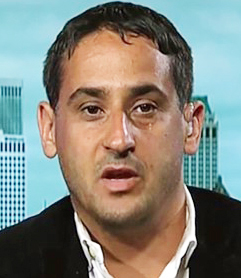
Jeremy Kuzmarov holds a Ph.D. in American history from Brandeis University and has taught at numerous colleges across the United States. He is regularly sought out as an expert on U.S. history and politics and co-hosts a radio show on New York Public Radio and on Progressive Radio News Network called “Uncontrolled Opposition.”
He is Managing Editor of CovertAction Magazine and is the author of eight books, including Obama’s Unending Wars (Clarity Press, 2019), The Russians Are Coming, Again, with John Marciano (Monthly Review Press, 2018), Warmonger. How Clinton’s Malign Foreign Policy Launched the U.S. Trajectory From Bush II to Biden (Clarity Press, 2023); with Dan Kovalik, Syria: Anatomy of Regime Change (Baraka Books, 2025), and Political Assassinations in America: The Intricate Nexus of Deep State Crime (Clarity Press, 2026).
Besides these books, Kuzmarov has published hundreds of articles and contributed to numerous edited volumes, including one in the prestigious Oxford History of Counterinsurgency .
He can be reached at jkuzmarov2@gmail.com and found on substack here.