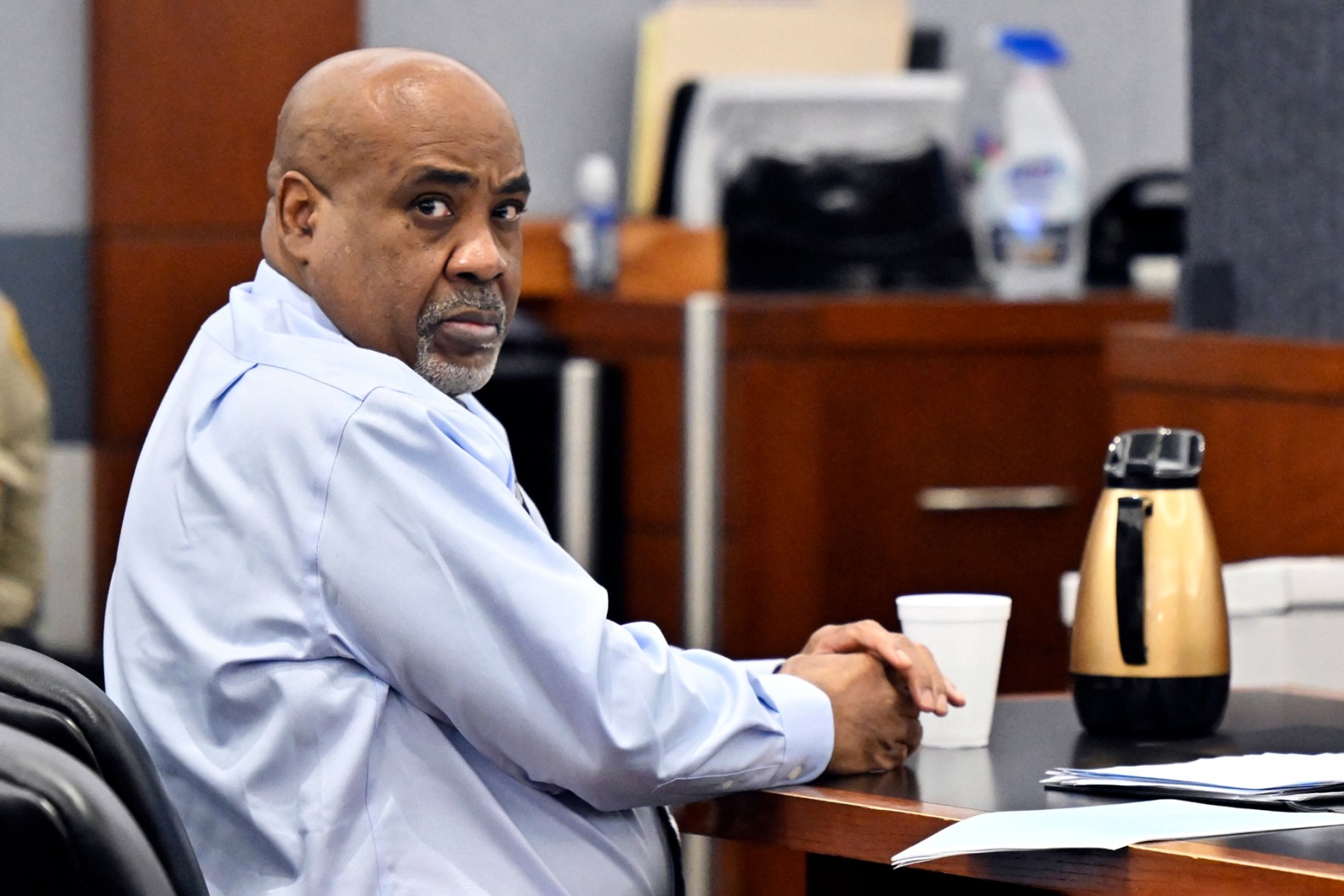
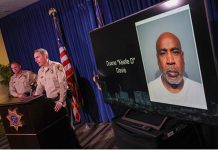
On August 31, Duane “Keffe D” Davis was convicted of first-degree murder for his role in the death of famed rapper Tupac Shakur 30 years earlier.
Prosecutors argued that Davis and his nephew, Orlando “Baby Lane” Anderson, “went hunting” for Shakur after Anderson was in a fight with him and his entourage at the MGM Grand following a Mike Tyson boxing match, Chief Deputy District Attorney Binu Palal said.
According to Palal, Davis led the charge through his role as a “shot caller” for the Southside Compton Crips and, ultimately, was driven by self-interest in his statements.
The defense countered by saying that the evidence tying Davis to Tupac’s killing was inconclusive and that the prosecution had not presented documentation to show that Davis was even in Las Vegas at that time.
Evidently the jury did not believe this. But regardless of whether Davis was involved in the murder in some capacity, he is a small fish compared to some of the big players who were involved in Tupac’s murder, which appears to have been orchestrated at higher levels.
Like other Black artists, Tupac was a target of offshoots of the FBI’s COINTELPRO operation.
He came from a radical family linked to the Black Power Movement and was considered a threat to revitalize the spirit of that movement, especially because his rap songs adopted subversive anti-establishment messaging.
The FBI, at the behest of ruling U.S. elites, deliberately provoked internecine conflict among Black rappers and groups that, if united, could have potentially mobilized Black youth in a political direction and away from the gang violence that has helped to devastate the Black community along with neo-liberal economic policies that have affected them disproportionately, racialized policing and the War on Drugs, which has spawned a new Jim Crow.
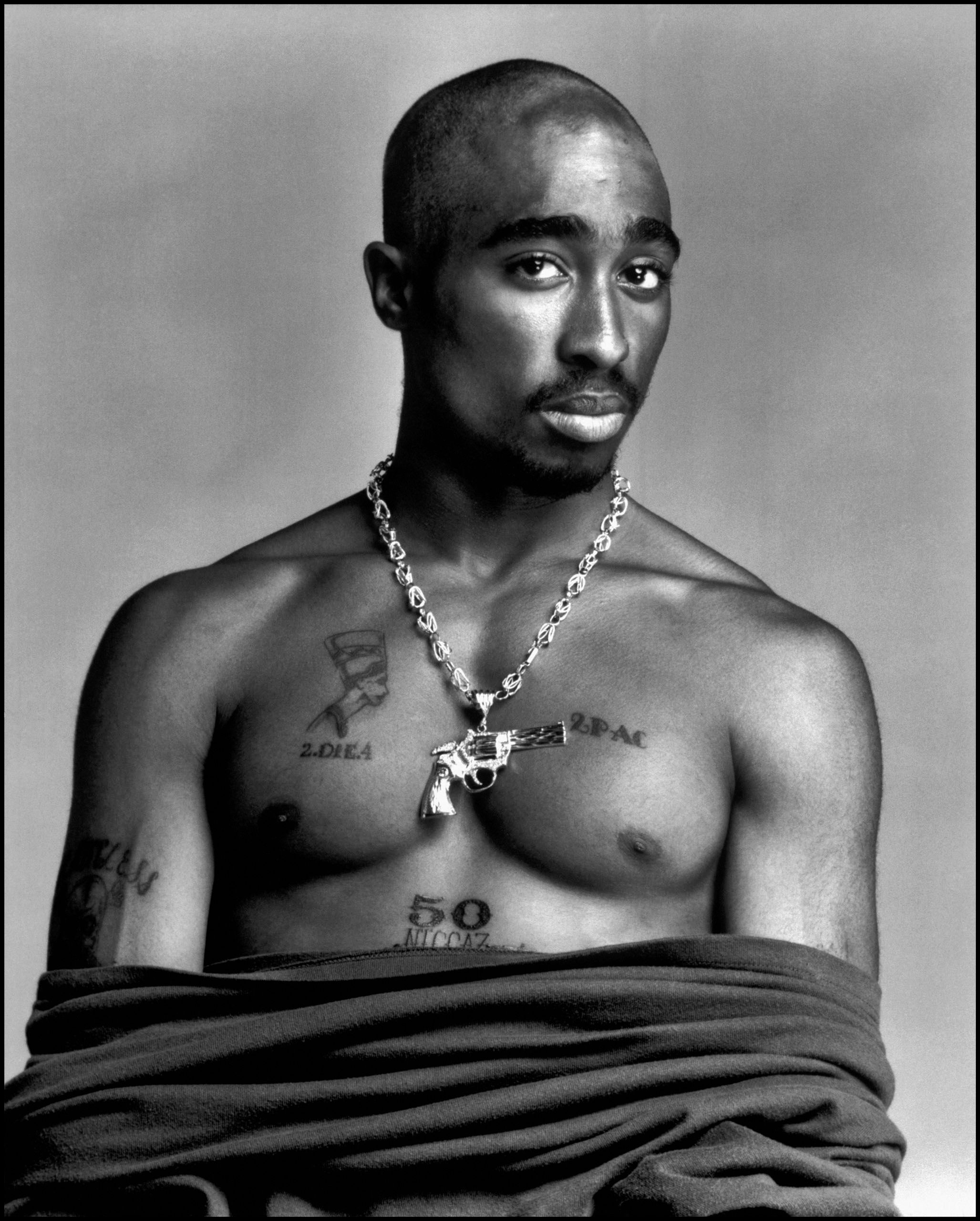
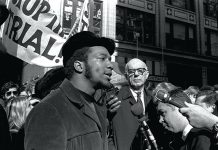
Tupac himself had expressed admiration for the Black Panther Party—the central target of COINTELPRO in the 1960s and early 1970s, and believed that he was a target of COINTELPRO.
Short for Counter-Intelligence Program, COINTELPRO was an FBI program instituted in the 1950s to covertly disrupt radical political organizations in the United States. The program is also known to have targeted artists and musicians, as well as non-violent political dissidents.
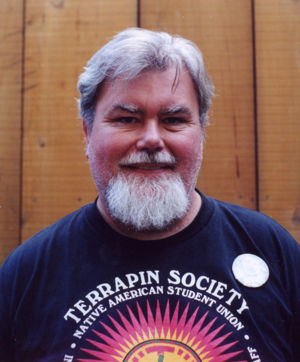
In former Black Panther Lee Lew Lee’s 1996 film All Power to the People: The Black Panther Party and Beyond, FBI agent whistleblower Wes Swearingen, CIA whistleblower Phil Agee, and former U.S. Attorney General Ramsey Clark detailed how U.S. intelligence operations such as the FBI’s CounterIntelligence Program, murderously targeted The Black Panther Party (excerpted in Drugs as Weapons Against Us 1:00:30- 1:57).
Agent Swearingen stated fellow agents told him that their FBI CounterIntelligence (COINTELPRO) was “officially” closed in 1971 but these activities continued at least until 1995, under different names. These activities in turn are thought to be connected to Shakur’s 1996 death.[1]
According to U.S. intelligence researcher John Judge, “there’s quite a bit of evidence that has come out over the years about the surveillance of [Shakur]. Apparently there were people that were surveilling him at the time of his murder that were never questioned by police.”
U.S. Intelligence and the Black Panther Shakur Family
Tupac’s mother, Afeni Shakur, was a section leader of the Harlem Black Panthers, and his stepfather, Dr. Mutulu Shakur (Jeral Wayne Williams), was a founding member of the Republic of New Afrika.
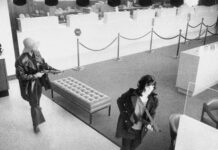
U.S. intelligence unsuccessfully tried to frame Afeni as part of the New York Panther 21, a group of Panthers who were accused of targeting New York police officers and planning terrorist acts. Dr. Shakur was imprisoned for decades, on charges of conspiring to rob a bank (1981 Brinks robbery) and for breaking Assata Shakur from prison.
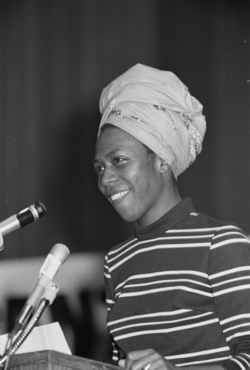
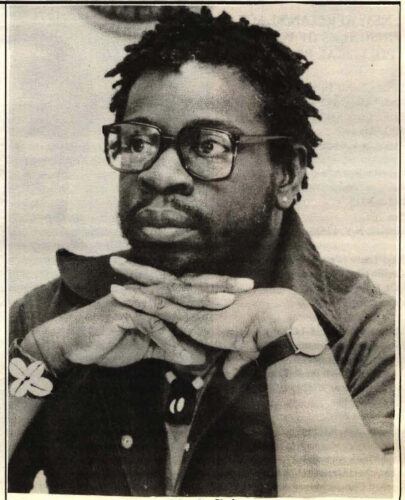
Tupac’s “Auntie Assata” was imprisoned for purportedly shooting a police officer, while his godfather, Geronimo (Ji-Jaga) Pratt, led the Los Angeles Black Panthers and was falsely imprisoned for decades.
Police shot at Assata while she had her hands raised and shot at Geronimo’s bed as, fortunately, he was sleeping on the floor due to a bad back caused by a Vietnam War injury.
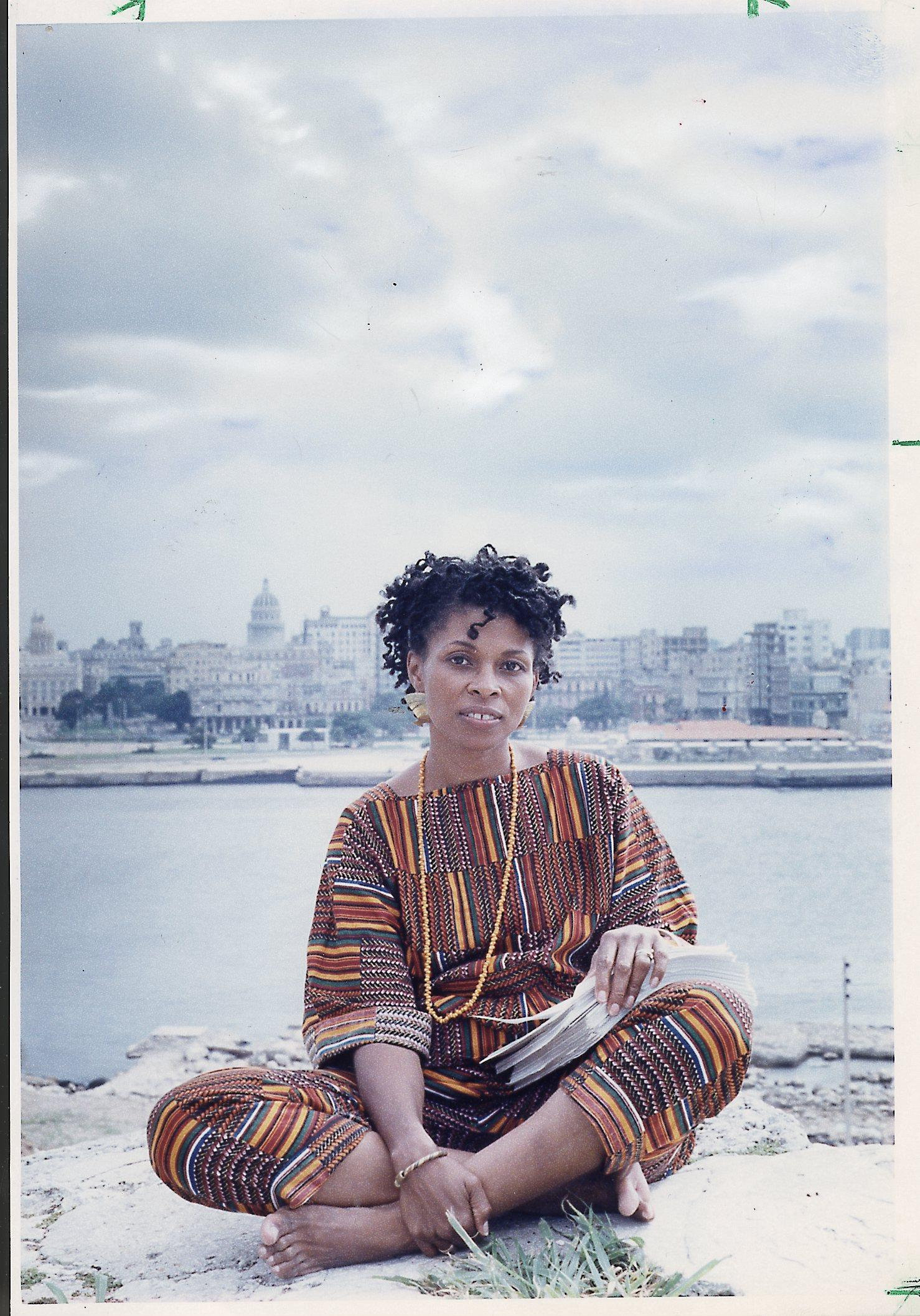
After activists stole documents from an FBI office in 1971, they found that the FBI orchestrated most of these attacks on Black Panthers like Assata and many others under COINTELPRO.
Police Attempted to Murder Tupac Before: Oakland in 1991 and Atlanta in 1993
The New Afrikan Panthers, active in nearly a dozen cities, elected Tupac Shakur as their National Chairman in 1989. Tupac’s music celebrated blackness and gave voice to the frustrations and disillusionment so many black youth faced with the prevailing political-economic system while provoking empathy for the system’s victims.
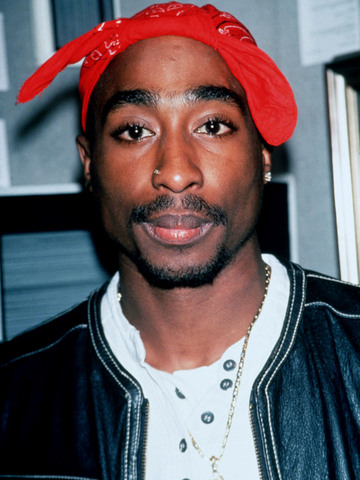
Tupac continued his activism with his imprisoned stepfather Mutulu Shakur and his Black Panther extended family by helping to spread a truce between the Bloods and Crips gangs from a few areas around Los Angeles to across the country.
There were at least four attempts on Tupac Shakur’s life with police foul play involved before he was murdered at the age of 25 in September 1996.
Several days after MTV released the political song “Trapped” from his solo debut CD in 1991, Oakland police stopped him purportedly for jay-walking, pounded his head against the curb and choked him into unconsciousness.
In Atlanta, Georgia, in 1993, two allegedly off-duty police officers shot at Tupac with a gun they had stolen from an evidence locker.
LA Police Detective: Police Killed Rapper Biggie to Cover up Their Murder of Tupac
An assailant fatally shot Tupac Shakur from another car in Las Vegas after a Mike Tyson heavyweight championship boxing match on September 7, 1996.
Six months later, a gunman fatally shot Tupac’s former friend and fellow top rapper Christopher “Biggie/Notorious B.I.G.” Wallace in Los Angeles.
After Biggie’s murder, Los Angeles Police Detective Russell Poole said that he found out that his fellow police officers murdered Biggie to distract from their murder of Tupac, trying to make it look like a rap rivalry.[2]
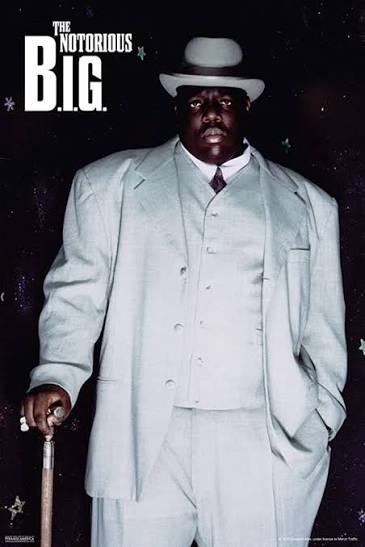
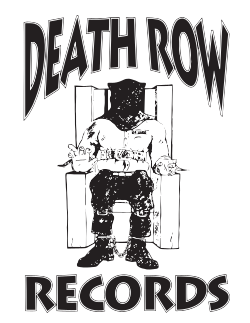
Detective Poole found dozens of his fellow police officers at all levels of Tupac’s last record company, Death Row Records.
When Detective Poole asked his superiors what all those LA officers were doing there, they told him you can call them “trouble shooters or covert agents.”[3]
Tupac Trial Widens Audience for Assertion That Police Killed Tupac
The Clark County (Nevada) District Attorney charged a Crips gang leader from Compton, California, Duane “Keffe D” Davis, with orchestrating Tupac’s 1996 murder in Las Vegas. Davis was tried and convicted in August 2026.
In the trial, prosecutors relied heavily on a 2008 FBI task force that included ATF, DEA, and LA police set up to investigate Biggie’s murder after Biggie’s mother filed a wrongful death lawsuit against the LAPD estimating up to $500 million in losses.
FBI Task Force member Detective Daryn Dupree said they set up Davis with a gallon of PCP and a kilo of cocaine to get Davis to talk to them so, facing life imprisonment in 2008, Davis discussed Tupac’s murder with the promise (“proffer agreement”) of the drug charges being dropped and Davis supposedly receiving immunity from charges related to the Tupac case.
Davis told LA police officer Greg Kading and other Task Force members that he orchestrated Tupac’s murder, with his now-dead nephew, Orlando Anderson, firing the fatal gunshots from a car occupied by Davis and two others.
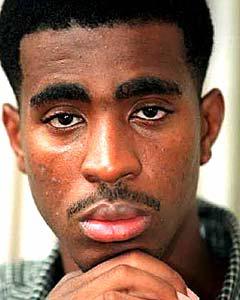
In the proffer agreement, Davis said he did that in retaliation for Suge Knight, Tupac, and some Bloods gang members attacking Orlando Anderson in the MGM hotel lobby just after the Mike Tyson boxing match.
The prosecution at the Davis trial presented this as normal gang retaliation behavior, but Compton gang unit police officer Robert Ladd said he had no evidence that Davis ever orchestrated a murder before or after Tupac’s murder.
Officer Ladd also confirmed there was no evidence that the Bloods ever tried to retaliate against Orlando Anderson, Davis, or the other two gang members purported to be in the assailant’s car.
At Davis’s trial, former FBI Agent Wade Lee said that Davis told him in 1998 that he believed Compton police officers murdered Tupac.
Agent Lee confirmed that he made no attempt to investigate those assertions.
CNN legal analyst Joey Jackson said that, with Davis’s contradictory statement in 1998, facing life imprisonment in 2008, “he’d likely tell you anything to” get out of that drug conviction and, thus, the prosecution’s case is weak unless “you have an independent corroborating witness who puts [Davis] there.”
Biggie and his rap producer Sean “P-Diddy” Combs’ top bodyguard, New York State Parole Officer Gene Deal, said that FBI Agent Phil Carson said the FBI Task Force gave “Keffe” Davis a script to read at their proffer agreement meeting.[4]
Defense Attorney Reveals Police Corruption and Facts Not Supporting Davis Admission
Chief Deputy District Attorney Palal presented an opening statement detailing Davis’s 2008 account to the FBI Task Force, but also in interviews in the following years, at least up to a memoir with Davis’s name on it in 2019.
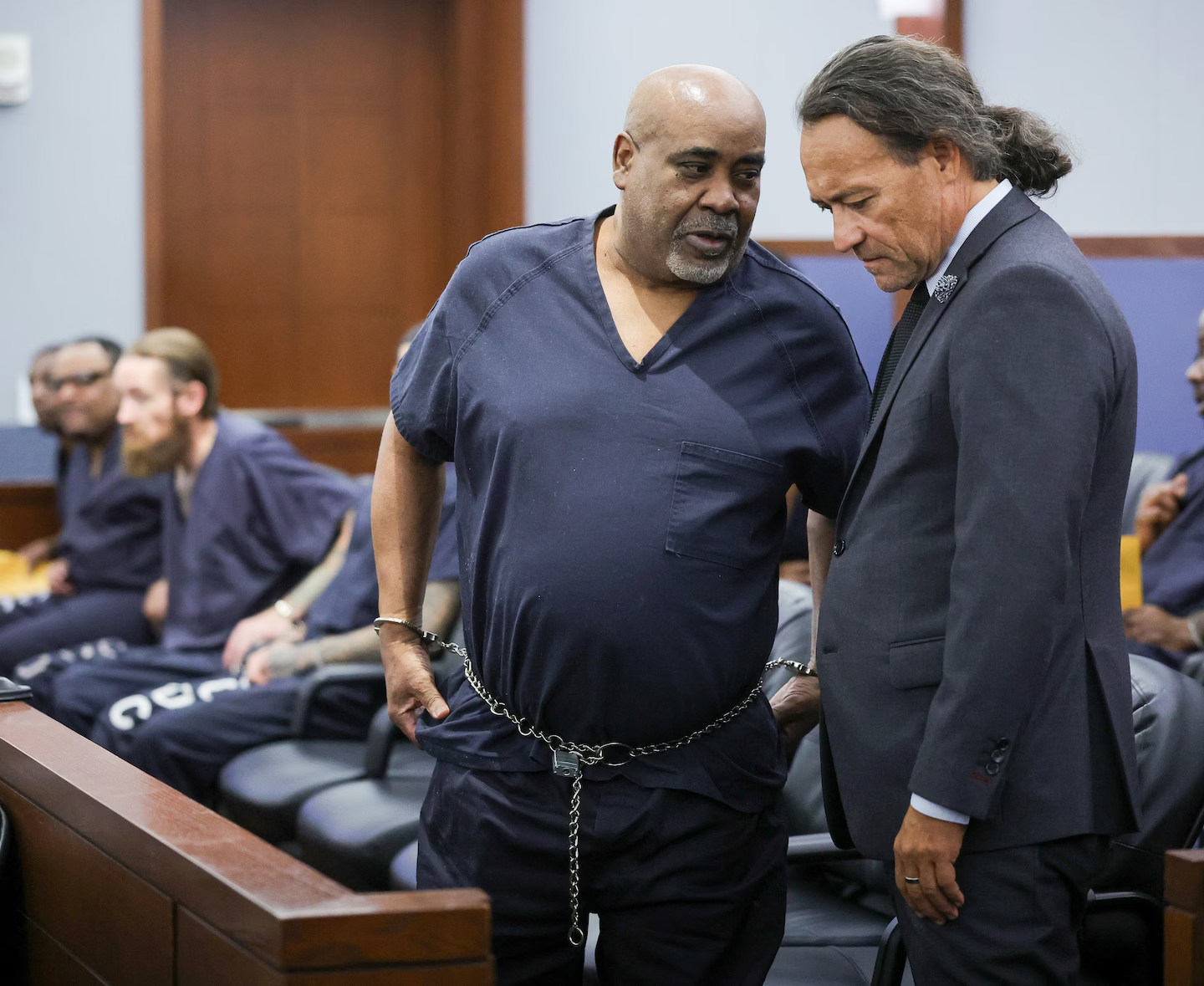
Defense attorney Michael W. Sanft said that he represented “Keffe D” Davis “pro bono” (for free) as he believes Davis is innocent.
In Sanft’s opening statement, he said Davis made a false admission in 2008, implying that he did so to avoid imprisonment and continued the story in the following years for money.
Sanft went on to detail how Davis was not immune to prosecution from his later interview statements but that Las Vegas police and Nevada prosecutors did not follow through with charges against Davis for many years because the facts did not support what Davis said.
Sanft stated that, for example, Las Vegas Police Detective Clifford Mogg did not write a single report from 2018 to 2023.
Sanft also pointed out how the FBI Task Force lead Detective Greg Kading was disgraced for misrepresenting the truth in a courtroom.
As reported in LA Weekly, “Federal Judge Stephen Wilson overturned convictions” and “chastised both the prosecution and Kading,” stating “Kading displayed a ‘reckless disregard for the truth.’”
Kading’s partner in the FBI Task Force, Detective Dupree, said that, when he tried to find corroborating evidence regarding Davis saying that Eric “Zip” Martin, a New York associate of Biggie, and his producer Sean “P-Diddy” Combs, gave Davis money and a gun to shoot at Tupac and Death Row Records CEO Marion “Suge” Knight, he could not find any such evidence.
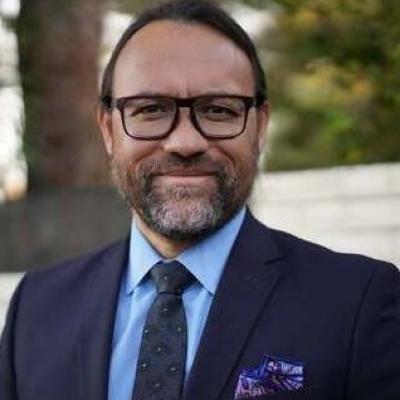
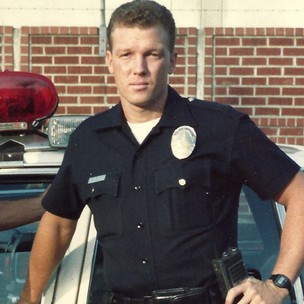
Trial Supports Death Row Records As a U.S. Intelligence Front: Trafficking and Targeting Tupac
The aforementioned Detective Poole had found informant reports and much other evidence of Death Row Records being involved in drug and gun trafficking, as well as money laundering.[5]
It came out in the trial that, while Death Row Records Security Director Reggie Wright, Jr., worked for the record label, he was also working as a Los Angeles-area Compton police officer from 1989 until 1996.
In 1997, a court found that Death Row Records’ Suge Knight violated his probation and, upon his imprisonment, Reggie Wright, Jr., took over Knight’s CEO duties at Death Row.
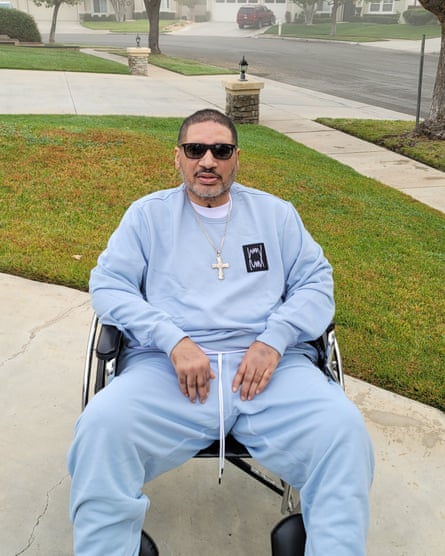
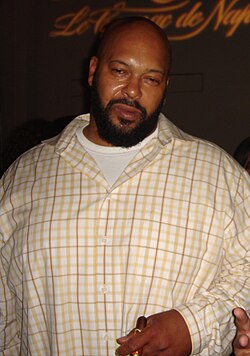
At the same time, Police Officer Wright’s father, Reggie Wright, Sr., headed the Compton Police Department Gang Unit.
Defense attorney Sanft noted how the Compton Police Department was shut down permanently in September 2000 due to internal corruption.
During cross-examination of Reggie Wright, Jr., at the trial, Sanft asked him about the fact that he was convicted of a felony for selling drugs and money laundering around 2018.
In that cross-examination, Wright Jr. also stated having dozens of moonlighting LA police officers working with him as guards for Death Row Records that September 1996 night at Club 662 in Las Vegas.
Wright Sets Up Unguarded Scene for Tupac; He Is Reportedly Present at Poole’s Murder
Although LA Det. Russell Poole was one of the two investigators assigned to Biggie’s murder, the FBI Task Force actually assigned to investigate Biggie’s murder never tried to talk to him.[6]
Detective Kading ended up writing a book and producing a film based on the book about Tupac’s murder; Poole had also contributed a chapter to a book written by Michael Douglas Carlin titled Tupac: 187.
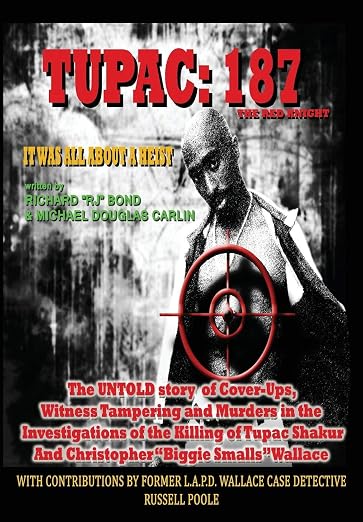
Author Carlin said that a source told him that Russell Poole went to a meeting to give his new evidence on the shooter of Tupac to a Los Angeles County Sheriff.
The source continued that Reggie Wright, Jr., was at the meeting and with several other police officers who choked Poole unconscious and forced a defibrillator on him, causing him to have a fatal heart attack in 2015.
In trial testimony, Wright Jr. stated regularly having two police guards around Tupac at all times, yet on the night of the murder, Wright Jr. said he had 20-30 moonlighting police officers at Club 662 with him. Wright Jr. said he had only one unarmed moonlighting police officer guarding Tupac and Suge Knight, and that guard had a cell phone with a dead battery.
Also, several police could only report a white or cream-colored Cadillac identified as the murderous assailant’s car, in Suge Knight’s multi-car entourage throughout the night of the shooting.
Police further reported it as the car that was missing just after the shooting.
During defense attorney Sanft’s closing argument, he put up a picture of all the police detectives and FBI agents who were in charge of the Tupac murder case file or who reviewed it but could find no corroborating facts to support what Duane Davis said about it in 2008.
Sanft also displayed a slide of all the police tools for finding evidence that Davis was in Las Vegas the night he purportedly orchestrated Tupac’s murder but no evidence was found.
FBI Watched Tupac and Biggie’s Murders; Suge Knight and Police Fingered in Their Murders
Award-winning documentary filmmaker Nick Broomfield said in his 2001 film Biggie & Tupac that Tupac’s other main bodyguard before the Vegas murder, Compton Police Officer Kevin Hackie, also started working undercover for the FBI a year before the murder.[7]
Reggie Wright, Jr., lied in saying Kevin Hackie did not show up to guard Tupac in Vegas, when Wright and Suge Knight had fired him before that September 1996 weekend because “they believed” Hackie “was trying to get Tupac to move out of Los Angeles, to Atlanta.”[8]
FBI Agent Carson said that Reggie Wright, Jr., was also getting paid by the FBI as an informant while working as a Compton police officer and directing security for Death Row Records.
Hackie said he had the documents to prove that FBI and ATF agents were in cars following Tupac and Suge Knight’s car when Tupac was shot in Las Vegas.[9] This makes sense considering a Justice Department worker said that the FBI file on Tupac contained more than 4,000 pages.
Broomfield also found that an FBI agent, who was also working as a New York police detective, named Oldham took pictures of Biggie and his friends just before that rapper’s murder in Los Angeles.
Russell Poole, Kevin Hackie, and one of Death Row’s other top rappers, Calvin “Snoop Dogg” Broadus, Jr., have all said they believe Suge Knight paid the police working for him to kill Tupac.
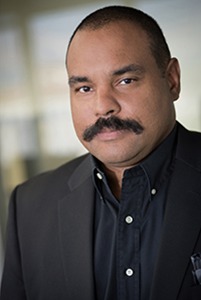
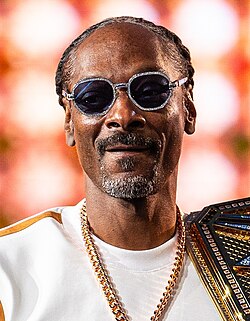
Poole and Hackie, along with Death Row Records accountant Mark Hyland, said they believe Suge Knight also had his police officers help murder Biggie.
Larger Conspiracy?
During Keffe D’s trial, the prosecutor asked Compton police officer (being paid by the FBI) Reggie Wright Jr. if he killed Tupac, to which Wright quickly replied: “absolutely not,” as if he was prepared for that question.
Later in the trial, the prosecutor said to his witness Bloods gang member working as Death Row security guard “MOB” James McDonald that there is a “conspiracy theory” out there that Reggie Wright Jr. ordered Tupac’s murder, “do you believe that?”
McDonald replied that Wright would never have done that because of all the lost profits from Tupac’s years of hit rap, but he and most others saw Tupac stopping to wear his Death Row necklace medallion and start wearing his new Euphenasia record label medallion for the new company he started.
Tupac started his new entertainment company, Euphanasia, for his music and films and started wearing a new gold medallion necklace for it in his last few weeks, while also firing Death Row attorney David Kenner.
Despite all this evidence that Compton police murdered Tupac, Davis was still found guilty. He appeared to have been set up as a patsy; his lawyer only presented three witnesses at the trial over less than three hours, which does not seem to have been a strong defense.
Two Other Panther Cubs Murdered with Tupac
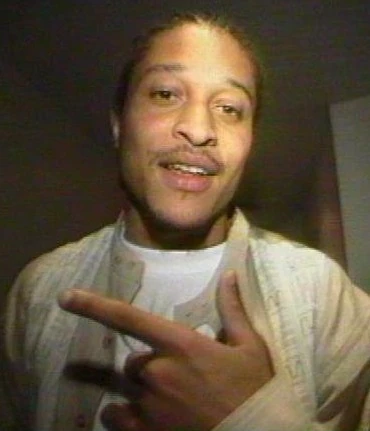
Around the same time as Tupac’s killing, Tupac’s longtime bodyguard who was National Security Director of The New Afrikan Panthers, Yakhizizwe Tyehimba (son of Tupac’s manager former Panther Watani), was also murdered.[10]
The top witness to Tupac’s murder, his back-up rapper Yafeu “Yaki Kadafi” Fula, the son of Bronx Black Panther leader Sekou Odinga and Panther Yaasmyn Fula, was killed a couple of months later.
More details can be found in the book I spent decades researching, The FBI War on Tupac Shakur: State Repression of Black Leaders from the Civil Rights Era to the 1990s, with the hope that real justice will come for Tupac and his fellow activists.
COINTELPRO agent whistleblower M. Wesley Swearingen said his fellow agents told him they kept their COINTELPRO activities going under different names at least until 1995 when he published his memoir. ↑
Biggie & Tupac (2002), produced and directed by Nick Broomfield,. ↑
Randall Sullivan, LAbyrinth: A detective investigates the murders of Tupac Shakur and Notorious B.I.G., the implications of Death Row Records’ Suge Knight, and the origins of the Los Angeles Police Scandal (New York: Atlantic Monthly, 2002), 40, 124, 169-70, 191. ↑
Podcast The Art of Dialogue: “Gene Deal Holds Nothing Back About Testifying in Keefe D’s 2Pac Murder Trial & Addresses Everything!” August 26, 2026, at 5:20. ↑
Sullivan, LAbyrinth, 40, 124, 169-70, 191. ↑
See CIA Drugs R Us! A Drugs as Weapons… Sequel (2024), written, directed and produced by John Potash, Progressive Left Productions. See at 1:24:23 of film. https://tubitv.com/movies/100027087/cia-drugs-r-us-a-drugs-as-weapons-sequel ↑
Biggie & Tupac, at 1:08:45. This was also confirmed by FBI Agent Phil Carson in Absolute Crime, Ex-FBI Agent Phil Carson Breaks Silence on Tupac’s Murder | Part 02/03, 2025, at 1:24:05. https://www.youtube.com/watch?v=-Yu3H-zIbqY&t=805s ↑
Sullivan, LAbyrinth, 192-93. ↑
Biggie & Tupac. ↑
Personal Interview with Watani Tyehimba. ↑
CovertAction Magazine is made possible by subscriptions, orders and donations from readers like you.
Blow the Whistle on U.S. Imperialism
Click the whistle and donate
When you donate to CovertAction Magazine, you are supporting investigative journalism. Your contributions go directly to supporting the development, production, editing, and dissemination of the Magazine.
CovertAction Magazine does not receive corporate or government sponsorship. Yet, we hold a steadfast commitment to providing compensation for writers, editorial and technical support. Your support helps facilitate this compensation as well as increase the caliber of this work.
Please make a donation by clicking on the donate logo above and enter the amount and your credit or debit card information.
CovertAction Institute, Inc. (CAI) is a 501(c)(3) non-profit organization and your gift is tax-deductible for federal income purposes. CAI’s tax-exempt ID number is 87-2461683.
We sincerely thank you for your support.
Disclaimer: The contents of this article are the sole responsibility of the author(s). CovertAction Institute, Inc. (CAI), including its Board of Directors (BD), Editorial Board (EB), Advisory Board (AB), staff, volunteers and its projects (including CovertAction Magazine) are not responsible for any inaccurate or incorrect statement in this article. This article also does not necessarily represent the views the BD, the EB, the AB, staff, volunteers, or any members of its projects.
Differing viewpoints: CAM publishes articles with differing viewpoints in an effort to nurture vibrant debate and thoughtful critical analysis. Feel free to comment on the articles in the comment section and/or send your letters to the Editors, which we will publish in the Letters column.
Copyrighted Material: This web site may contain copyrighted material the use of which has not always been specifically authorized by the copyright owner. As a not-for-profit charitable organization incorporated in the State of New York, we are making such material available in an effort to advance the understanding of humanity’s problems and hopefully to help find solutions for those problems. We believe this constitutes a ‘fair use’ of any such copyrighted material as provided for in section 107 of the US Copyright Law. You can read more about ‘fair use’ and US Copyright Law at the Legal Information Institute of Cornell Law School.
Republishing: CovertAction Magazine (CAM) grants permission to cross-post CAM articles on not-for-profit community internet sites as long as the source is acknowledged together with a hyperlink to the original CovertAction Magazine article. Also, kindly let us know at info@CovertActionMagazine.com. For publication of CAM articles in print or other forms including commercial internet sites, contact: info@CovertActionMagazine.com.
By using this site, you agree to these terms above.
About the Author
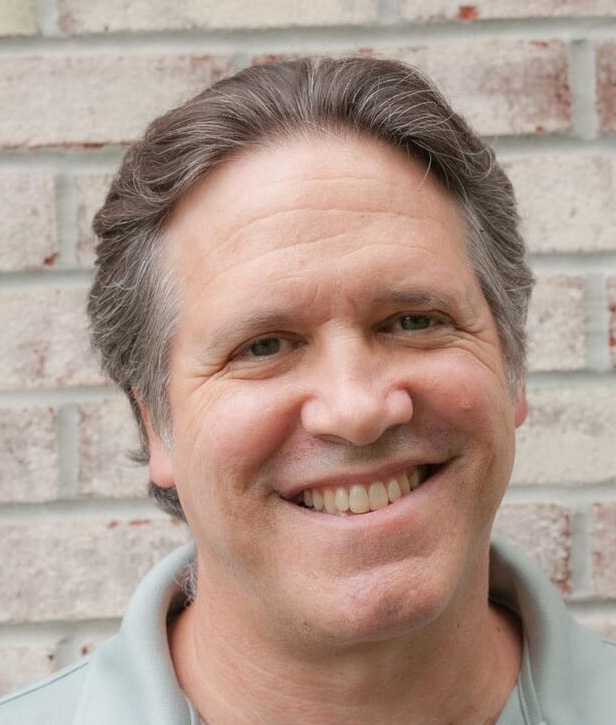
John Potash is the author of various books and films including: The FBI War on Tupac Shakur (2nd ed), Drugs as Weapons Against Us: The CIA War on Musicians and Activists, and Shots: Eugenics to Pandemics (2022).
His latest film is CIA Drugs R Us! A Drugs as Weapons… Sequel (2024) which reviews CHAOS in light of other CIA operations.
John’s work can be found at johnpotash.com and he can be reached at: jlpotash@gmail.com.


This trial was unique in that usually the defense attorney tries to prove that his client was telling the truth and the prosecutor tries to prove that the defendant is not telling the truth. But in this case it was the opposite with the defense attorney trying to prove that his client was not telling the truth when when he confessed in 2008 to the police and then again in his 2019 memoir when he again confessed being involved in the murder. So even if Mr. Davis was completely innocent, the cards were stacked against him. It is not any easy task to prove that your client is lying in order to get him acquitted.