We should present our condolences to each other. They do not resuscitate the dead, but they strengthen relationships among the living.
—Article 10 of the Charter of Kurukan-Fuga (Constitution of the Mali Empire, circa 13th century AD)
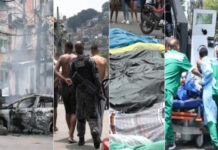
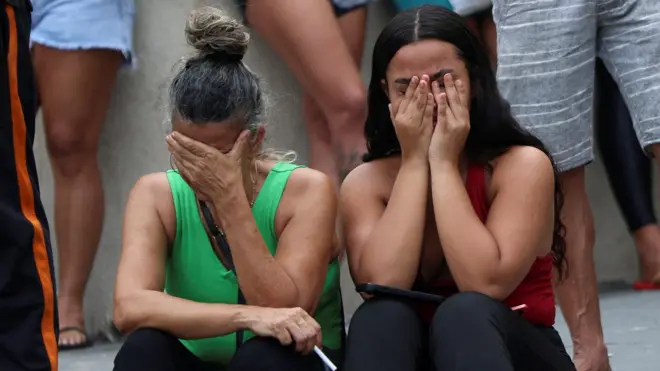
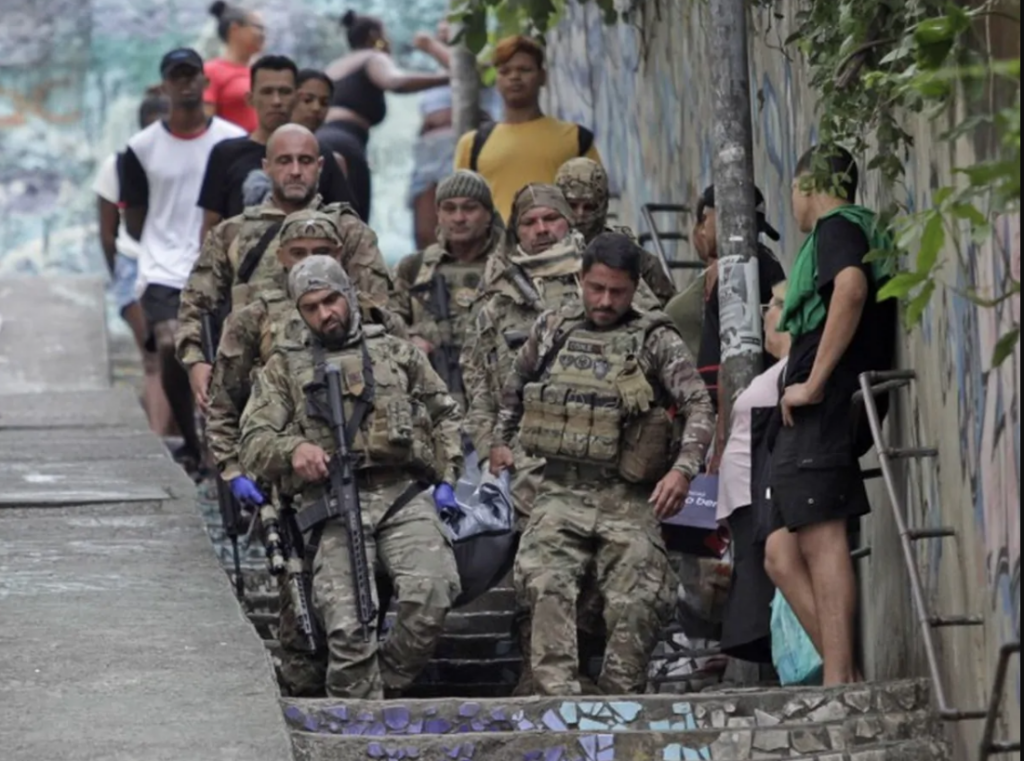
A short list of massacres committed by Brazilian police in Rio de Janeiro favelas just in the past decade.
- Morro dos Prazeres – 8 deaths [March 2026]
- Complexo da Maré – 3 deaths [November 2025]
- Complexo do Alemão and Complexo da Penha – 122 deaths [October 28, 2025] (the largest recorded massacre in Brazilian history)
- Ladeira dos Tabajaras – 5 deaths [April 2025]
- Complexo do Salgueiro – 13 deaths [March 2023]
- Complexo do Alemão – 17 deaths [June/July 2022]
- Belford Roxo – 6 deaths (residents claim more than 15 casualties) [February 2022]
- Vila Cruzeiro – 24 deaths [May 2022]
- Jacarezinho – 28 deaths [May 2021]
- Fallet-Fogueteiro – 15 deaths [February 2019)
(2023)
Black-geared men, what’s your mission?
Enter the favela and leave bodies on the ground
Black-geared men, what do you do?
We do things that shock Satan
…..
Black-geared men, to bring this to an end
We’re BOPE and we’re trained to kill
And I’ll kill
I’ll destroy
Destruction
That’s our mission
—Regimented cadence performed by Rio de Janeiro’s Special Operations Battalion (BOPE) during public jogging exercises.
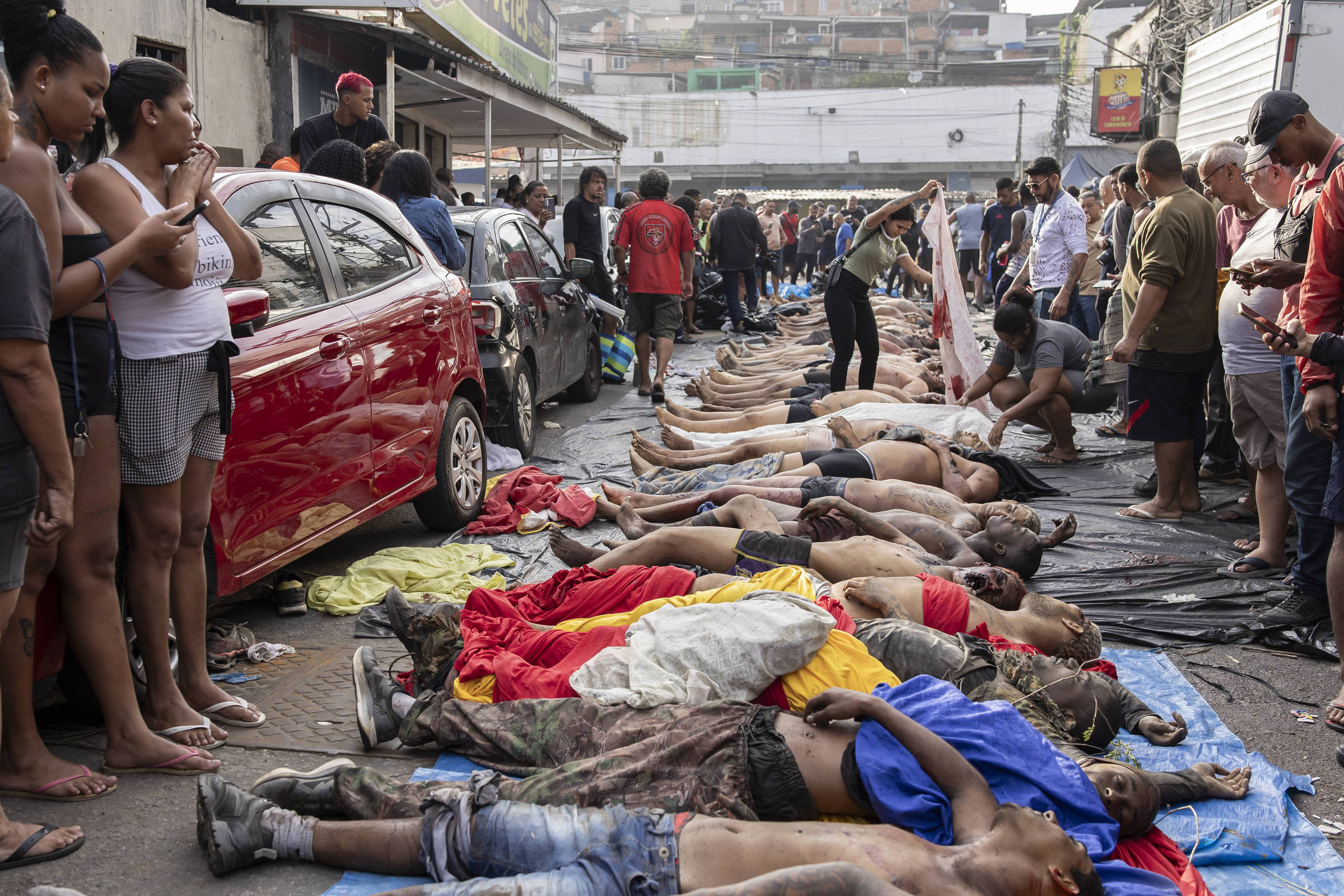
Put aside, just for a moment, the notion of a deep-seated political dichotomy. At stake are the forsaken roots of a problem transcending the divide but not the amount of spilled blood. Brazil has reached the precipice of narco-terrorism hysteria. That’s a fact. Little else, apart from documented covert actions confounding and weakening the left, some of which were highlighted in my report titled “Favelados With Guns” explains how their political rhetoric and actions, in terms of the security state, mirrors that of their right-wing opponents.
Surely our tactics should be providing assistance to and encouraging those people who offer healthy solutions on the left.
—Ronnie Burroughs (Chargé d’Affaires at the British Embassy in Rio de Janeiro in 1962)
According to the Ministry of Justice, Brazilian police forces killed 6,519 people in 2025. That number represents a 4.5% increase from 2024. “The belief persists that they [Brazilian security apparatus] follow no ideology linked to a specific political strand,” said a retired lieutenant colonel of São Paulo’s military police, Adilson Paes de Souza. Responding to the release of the data, he concluded, “The left and right navigate the same waters—both hinging their bets on lethality.”
This is not a social experiment to determine apolitical virtue nor do I intend to reason off ideological positions that genuinely diverge between both parties. Instead, it is a practical application, a much needed point of departure where alliances between both sides in the present-day transnational security environment evolved from the bad enough war on drugs to the now turbo-charged war against narco-terrorists.
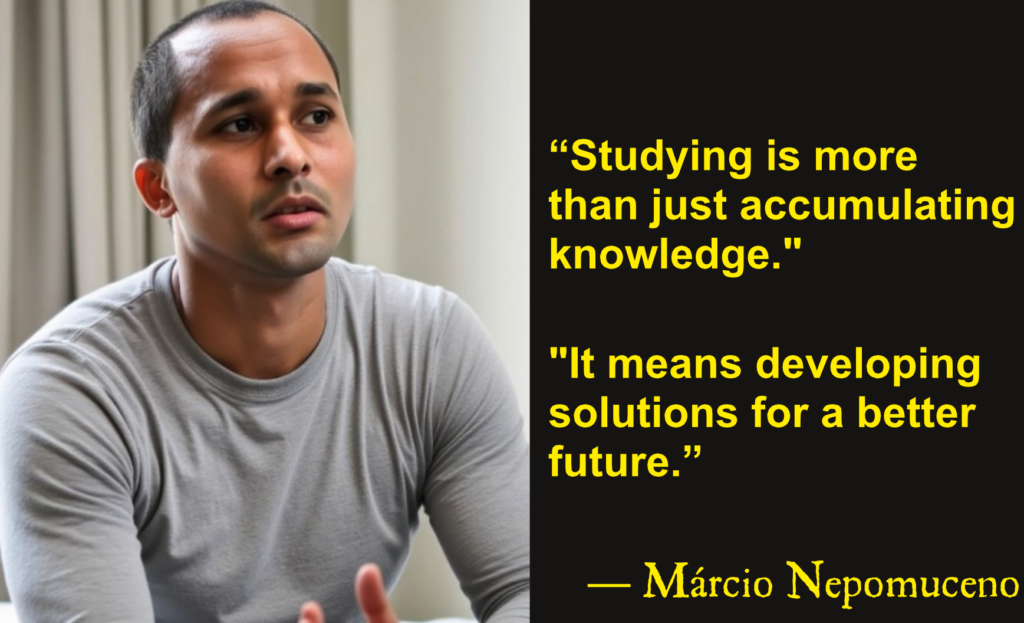
Regardless of whether Brazil is party to the newly formed “Shield of the Americas”—which it is not—it still seeks force of arms to solve its on-going legacy of colonialism and being the last country in the world to legally abolish chattel slavery. It is the scenario where former Red Command (CV) “soldier” turned author Márcio Nepomuceno is scheduled for release from federal prison after spending 30 years behind bars. Short of possible bureaucratic shenanigans, Brazilian criminal law dictates that his freedom from behind the walls will come just one month before the country’s presidential election.
Flávio Bolsonaro Visits Donald Trump
On May 27, 2026, Brazil’s right-wing presidential candidate, Flávio Bolsonaro, was welcomed at the White House by President Donald Trump. Hours later, the U.S. State Department designated two of Brazil’s oldest street gangs, the CV, with its stronghold in Rio de Janeiro, and the First Command of the Capital (PCC), with its stronghold in São Paulo, as “foreign terrorist organizations.”
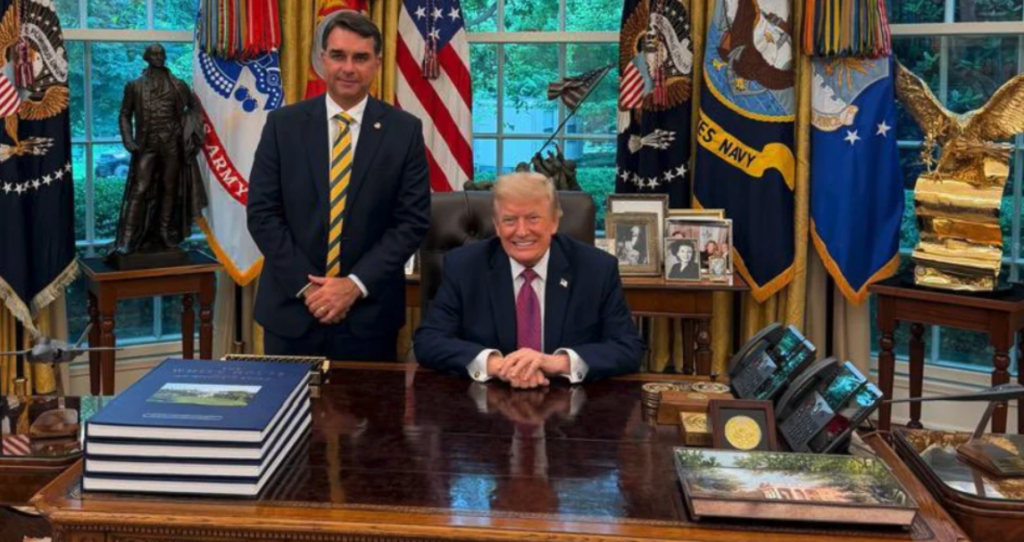
“CV and PCC are two of the most violent criminal organizations in Brazil. Together, they command thousands of members and have orchestrated brutal attacks against Brazilian police officers, public officials, and civilians,” decried U.S. Secretary of State Marco Rubio. “Their influence and illicit networks extend far beyond Brazil’s borders, across our region and into our country. Today’s action taken by the State Department further demonstrates the Trump Administration’s unwavering commitment to dismantling cartels and criminal organizations in our region and ensuring the safety of the American people.”
Lula Visits Donald Trump
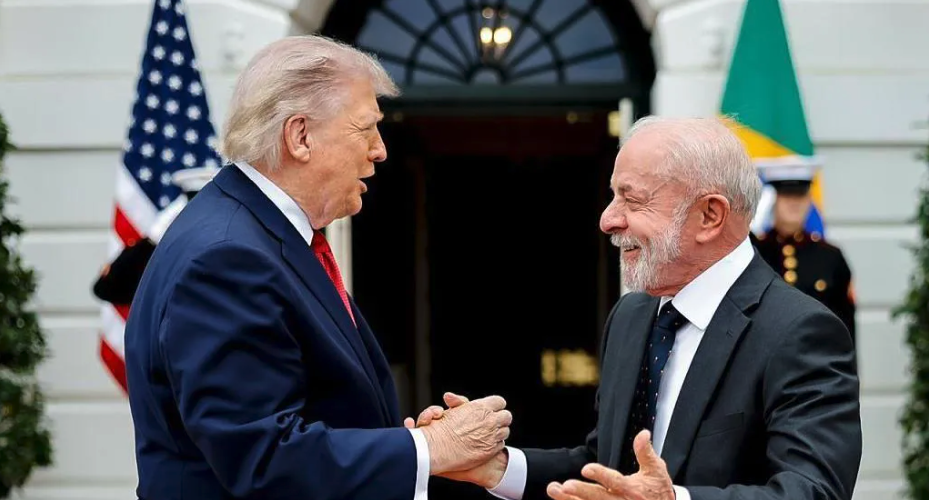
Flávio’s visit to Washington came just days after Brazilian President Luiz Inácio Lula da Silva’s official trip. On the sidelines of his meeting with President Trump, Lula’s delegation unsuccessfully lobbied their counterparts against designating the CV and PCC as terrorist organizations, arguing, instead, for their own “gangs” or “organized crime organization” labels.
Both designations preserve the principle of national sovereignty and avoid unilateral actions taken by the U.S. inside Brazil.
“The Red Command and PCC are terrorists,” Lula bristled as he spoke at the Nitrogen Fertilizer Plant in the state of Sergipe upon his return to Brazil. Convulsing like I had never seen before into a diatribe about confronting the CV and other gangs, the third-term president characterized these groups as “terrorists to Brazilian communities, toward Brazilian society and periphery communities because they trouble families, neighborhoods and cities.”
No umbrage was taken, specifically, against Rio’s ever-burgeoning and politically connected militias (paramilitary groups). Culprits like militia-strongmen and brothers João Francisco Inácio “Chiquinho” Brazão (former congressman) and Domingos Inácio Brazão (former adviser to Rio’s court of auditors), who masterminded and ordered the hit on Marielle Franco in March 2018, were not mentioned. They were sentenced to more than 76 years in prison by Brazil’s Supreme Court.
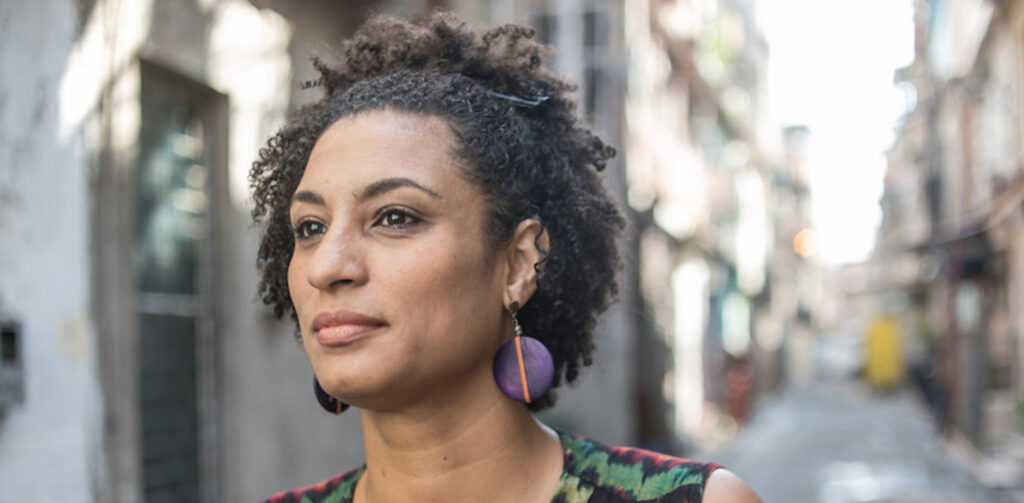
Rivaldo Barbosa, Rio’s former civil police chief, was also convicted and sentenced to 18 years behind bars for obstruction of justice and passive corruption, for having received bribes from the Brazão brothers’ militia group to stall the investigation. It has been reported that, during the course of the investigation, which reeked of a cover-up from the start, and even after his imprisonment in March 2024, Domingos Inácio Brazão continued to receive his court auditor salary, amounting to more than $140,000 at today’s exchange rate (June 26, 2026).

Ultimately, the sole caveat in Lula’s discourse differentiating the U.S. State Department’s designation from Brazil’s revolves around the principle of sovereignty. To that end, Lula made his crusade against gangs clear: “We will fight them inside Brazil.”
After his return from Washington, Lula’s administration launched a tailor-designed government program called “Brazil Against Organized Crime,” as if the formation and consolidation of the Brazilian state were anything but.
Exodus
(F)avela residents are, in the final analysis, [viewed as] dangerous, subhuman, and incapable of rational, organized political actions. Favelas are conceived as territories requiring infiltration… territories where preventative, violent measures sanctioned by the state and society are intended to contain dangers there within—before such dangers permeate broader political spaces.
—“Apartheid Brasileiro” (by João H. Costa Vargas)
We have always had dialogue with left-wing governments; however, we have not been able to halt the state’s machine gun by one single centimeter.
—Débora Maria da Silva, founder of Mothers of May, a civil society organization initiated in 2006 after Brazil’s military police and death squads killed 564 youths in peripheral communities in the city of São Paulo during a one-month period.
Hailing from many northeastern states, it is primarily the rural poor who migrated in droves to southern metropolises in Brazil. In search of greener pastures. the mass exodus from drought, disease, poverty and hunger first saw Lula, as a child, and his family risk the journey.
He, his mother, and siblings, four of whom died before reaching the age of five, made the arduous road expedition south to São Paulo. Roughly two decades later, it was Márcio’s mother, Maria Auxiliadora Santos, and her family’s turn.
From Bahia, also located in Brazil’s northeast region, their southbound odyssey took them to Vigário Geral Favela in Rio de Janeiro where he, the media’s proverbial Marcinho VP (a CV leader), was born. His mother was arrested on four separate occasions during his adolescent years. “After my mother died, I felt obliged to care for my siblings,” Auxiliadora Santos reminisced, “which led me to commit crimes to guarantee our sustenance.”
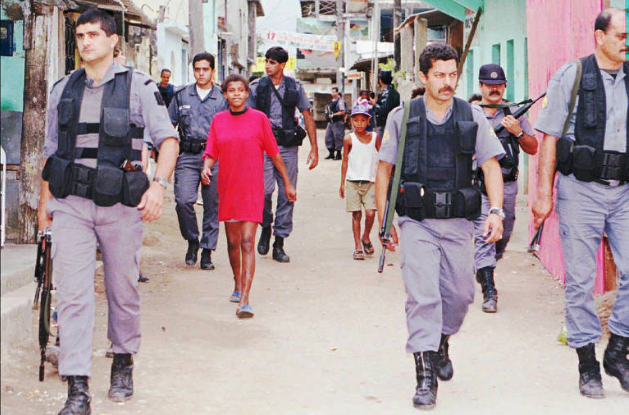
With an insufficient number of jobs as compared to livable residences, the migrant numbers swell resulted in the proliferation of favelas with people piled into them. Feeding the poor and eliminating hunger in a country as agriculturally and economically endowed and diverse as Brazil is the bare minimum required to keep pumping out new blood. Over a 20-year period (2003-2023), the number of victims killed by the police just in the state of Rio de Janeiro tallies more than 21,000 (on average, more than 1,000 people killed per year or nearly three per day).
Also excluded from the discussion are reports like the FiscalData study revealing that, during the six-year period 2017-2023, the income of the wealthiest 0.1% in Brazil increased five times over all citizens in the country. The increase amounted to 6.9% compared to the average 1.4%. Crunching the numbers further, FiscalData noted that, in 2017, the richest 0.1% concentrated 9.1% of Brazil’s entire income. Six years later, in 2023, the percentage had jumped to 12.5%.
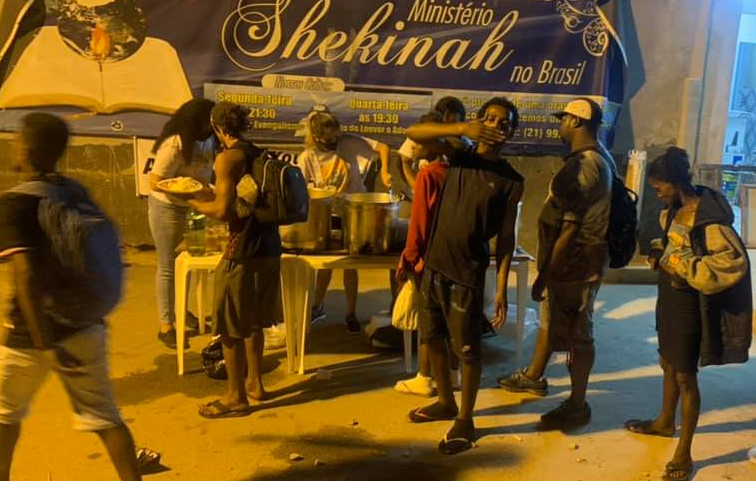
Social assistance programs “fulfill an important role in reducing poverty and attenuating inequality at the bottom of the social pyramid over the past three decades,” FiscalData concluded. However, these measures have proved “absolutely insufficient and inadequate,” based on the root causes of increased concentration of wealth.
Meanwhile, the Salary Loss from Racial Inequality report [DATA] pointed out that Brazil’s largest demographic group, Black people, are subjected to over $3 billion (USD) in annual wage theft due to “racial inequalities” (as “racism” is too harsh a term for Brazil’s “racial democracy” creation myth).
Marcinho VP and The Mayor
Márcio Nepomuceno was convicted of ordering the murder of two rival gang members while incarcerated, conspiracy to commit crimes, and other offenses. Locked down in maximum security state and federal Brazilian penitentiaries since 1996, Márcio is currently held at Brazil’s federal penitentiary in Campo Grande (MS). He has long admitted his participation in “bank and armored truck robberies,” never having “sold drugs.”
During his time behind bars, he has published five books, the latest title being The Color Of The Law. His literary work, illustrative for its research, critical thought, and intellectual quality, resulted in a reduction of his sentence by Brazil’s Supreme Court. In his extended removal from public life, carefully crafted, dramatic videography and stock music designed to bump viewers’ cortisol levels are the norm whenever he is the topic of media reports. Then too, when journalists and their editors forego sentimentalizing poverty, the same almost invariably applies when camera operators focus their lens on the favelas and favelados (local favela residents).
Although the disgraced and convicted ex-mayor and former governor of Rio de Janeiro, Sérgio Cabral Filho, denies ever having met Márcio during his younger years as Marcinho VP, the latter affirms not only were acquaintances made but he and the CV assisted the mayoral hopeful get elected to city hall in 1996. Establishing or refuting this claim has never been a priority for investigative journalists and their media houses with more than enough resources to undertake such an inquiry.
“I assisted his (Cabral Filho’s) campaign…Everything was 0800 (free of charge),” Márcio assured from prison. “He didn’t spend a dime. From my standing in the community, he was allowed to speak, tell his stories and, ultimately, dupe me wholesale.”
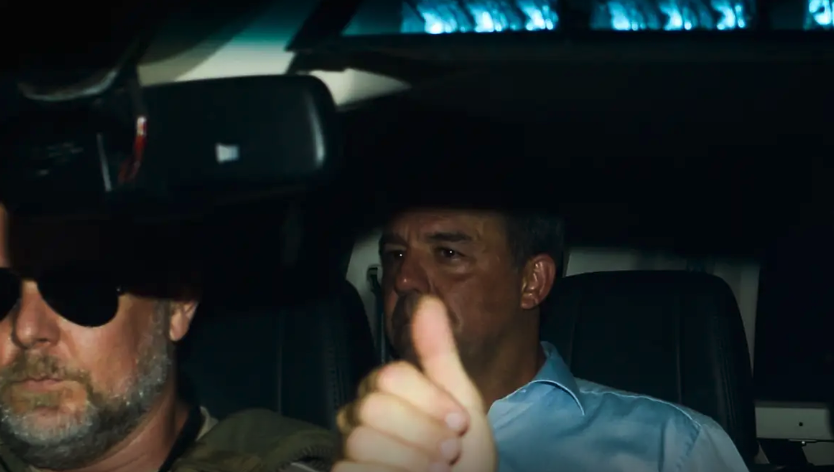
According to Márcio, once elected, Cabral Filho turned his back on him and the CV. “He’s the biggest Judas I’ve met in my life, the type who spits on the plate you’re eating from and turns his back on those who once helped him.”
Cabral Filho was detained in 2016 as part of the Car Wash corruption investigations. Convicted and sentenced to over 390 years in prison, he was released from custody in 2022, privileged to complete his sentence under house arrest in a posh apartment overlooking Copacabana beach. Too many crimes to list here, part of his rap sheet includes: corruption, fraud and money-laundering, the last charge alone amounting to over $100 million (USD).
Truth Commission For Me, Not Thee
“These criminal gangs terrorize Brazilian people and community members in Brazil”, argued Lula at a press conference during the recent G7 Summit hosted in Évian, France. “But they’re not the type of terrorists you’re thinking about. They’re not fighting to overthrow the state. They’re not interested in creating another state. They only want money.”
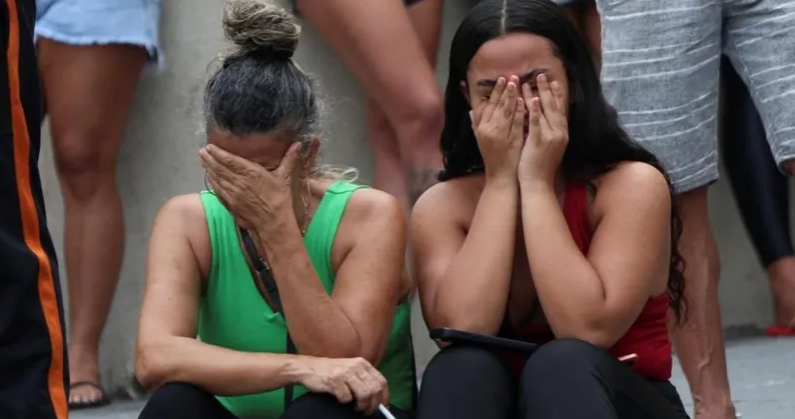
With no hint of the CV ever having been a revolutionary group resisting Brazil’s military dictatorship, Lula’s maximalist remarks wash over for the political expediency they are, a reminder of last year’s police massacre in the Alemão and Penha (Favela) Complexes (28th of October), which claimed the lives of 122 people, including 3 police officers and two special forces members, leaving Lula “horrified.”
Not only did the CV resist Brazil’s junta regime but their development as an organized force came alongside other revolutionary groups like the Movimento Revolucionário 8 de Outubro (MR-8), of which Lula’s own successor, former president Dilma Rousseff, was an active member.
For her participation in the struggle, regime authorities imprisoned and tortured her. However, unlike the MR-8 and other revolutionary groups that appear prominently and repeteadly in Brazil’s three-volume, 3,388-page Truth Commission (2014), the CV, established in Brazil’s penal system and Favelas, is not mentioned a single time. Even the word “Favela,” territories where the bulk-some of human rights abuses occur, past and present, appears, almost in passing, a mere six times.
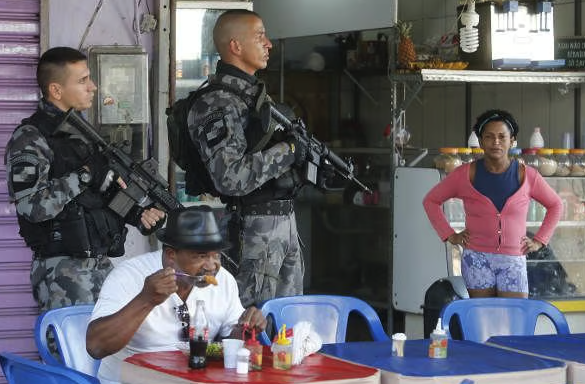
Due south, in the neighboring state of São Paulo, impunity surrounding repeated police, skinhead, neo-Nazi, and death squad attacks forced youths in Favelas and “Quebradas” (ghettos) to ban together for safety. Though nameless and with no formal structure throughout the 1980s, the PCC began germinating among these groupings. Ultimately, ranks consolidated following the Carandiru massacre, where São Paulo security forces killed 111 inmates in Carandiru prison on October 2, 1992.
To deny the CV and PCC of any and all historical virtue is just as disingenuous as ignoring their evolution through the decades, where liabilities should and can be accounted for in a truth commission focused on gangs, militias (paramilitary groups), media owners, editors, and journalists, as well as the state’s culpability in fostering the social conditions, either through repression or neglect, giving rise to the present-day narco-terrorism hysteria.
Faced by an adversary, the Brazilian state, of infinitely greater resources, man and firepower, access to a corrupt media and corruption in general, gangs have survived by employing asymmetric, decentralized resistance. Improvising to make due has come at a cost. Then there are the likes of Josias João do Nascimento. Leveraging his experience and contacts, the retired federal police officer has been accused of heading an international arms trafficking ring from his posh Barra da Tijuca residence in Rio de Janeiro. Investigations continue into his trafficking of 2,000 semi-automatic, high-powered rifles from Miami (USA) to Rio and from there distributed to rival gang members.
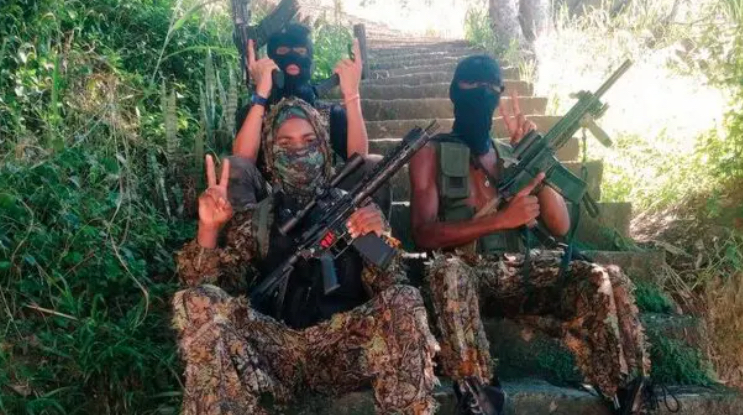
“Gangs emerged to resist oppression,” contends defense attorney, Flávia Fróes, and have “organized as a means to combat excessive state violence.” Rebutting the press’s assertion that favela residents protect individuals selling drugs, she emphasizes how “Survival solidarity networks created during slavery in Rio de Janeiro exist to this day… It’s difficult for somebody outside of those communities to understand how the mentality of someone who lives there works. The police and state only show up armed and shooting…Even if you kick a dog it bites.”
Documented origins of the CV, as well as their political positions (10 Commandments) denied from the “days of lead” to the present-day leftist/progressive leadership manifested by a “democratic rule of law,” speak for itself. To take it a step further, the CV has not only outwitted the Brazilian state, the full breadth of its intelligence apparatus, and militarizations of Rio, but the gang has more longevity than the Workers’ Party (PT).
In fact, the CV is older than the Brazilian state in its latest “democratized” iteration following a military regime lasting two decades (1964-1985)—and whose military police continues to patrol the streets. It begs a question that only a genuinely robust truth commission can possibly answer: To what extent is the Brazilian state responsible for fostering the social conditions from which the CV and other gangs emerged and continues to exist?
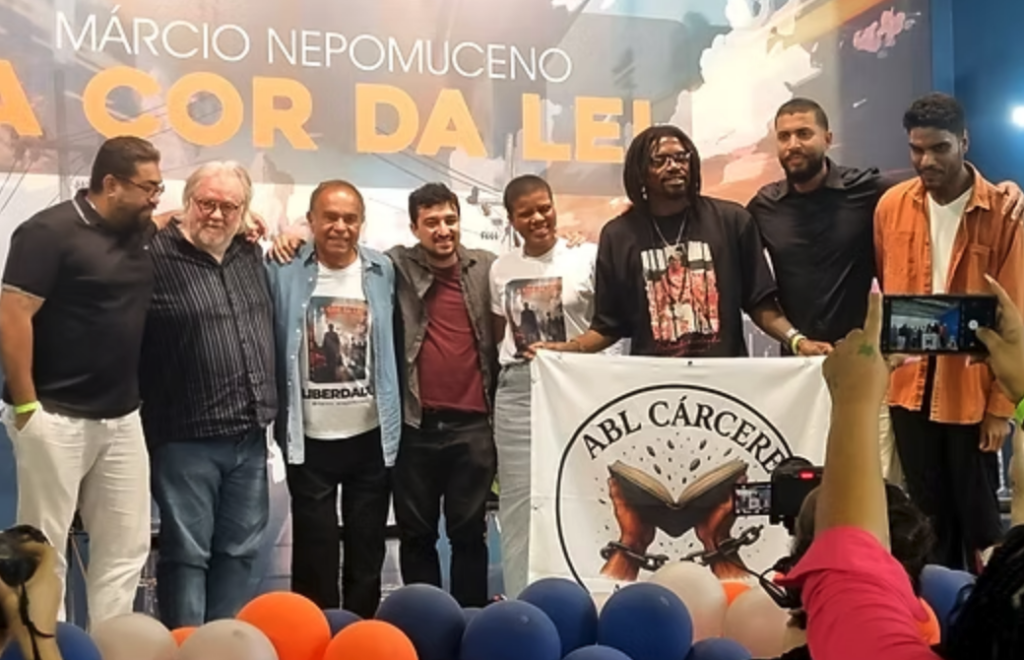
From 1996, the year in which Marcinho VP was imprisoned under a right-wing Brazilian government, to 30-years later, on the cusp of Márcio Nepomuceno’s release under a heralded leftist/progressive administration, society outside of Brazil’s prison walls are no less ominous. Still, Márcio’s resonates beyond political and media clichés.
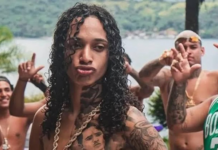
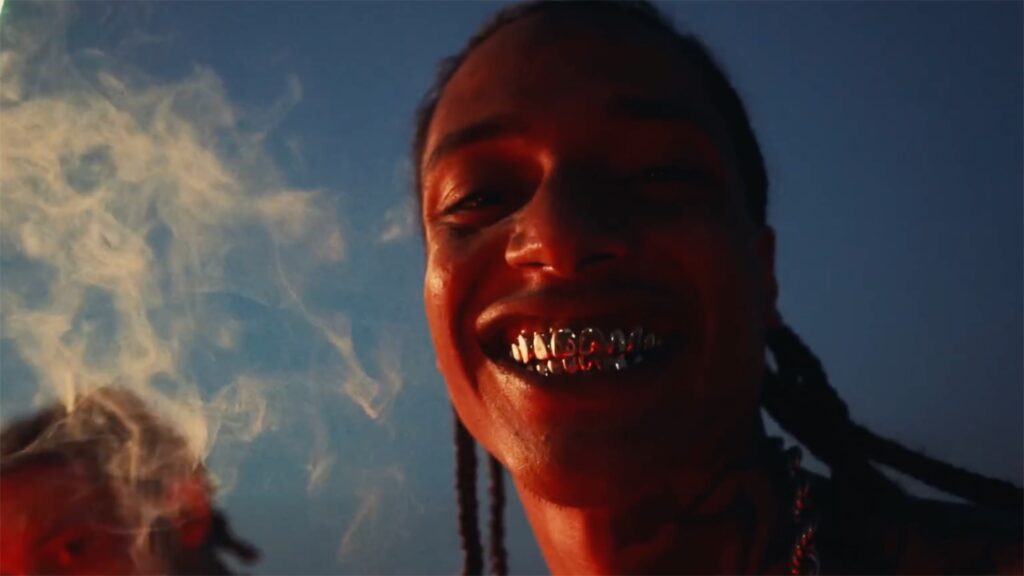
If Lula’s current vice-president is the former four-term governor of São Paulo, a historic political enemy bar none, one of Márcio’s top supporters is his son, Oruam (Mauro Davi dos Santos Nepomuceno). The popular trap artist has over 10.5 million monthly listeners on Spotify and over 55 million views for his songs on his official Youtube page and that of his record label (Mainstreet Records). His “music goes,” as he raps in Diretamente do RJ, “where the state doesn’t.”
Maybe this is the greatest fear of the powers that be, that the transformation of Favelados leaves Brazil’s worn-thin political dichotomy in the dust.

CovertAction Magazine is made possible by subscriptions, orders and donations from readers like you.
Blow the Whistle on U.S. Imperialism

Click the whistle and donate
When you donate to CovertAction Magazine, you are supporting investigative journalism. Your contributions go directly to supporting the development, production, editing, and dissemination of the Magazine.
CovertAction Magazine does not receive corporate or government sponsorship. Yet, we hold a steadfast commitment to providing compensation for writers, editorial and technical support. Your support helps facilitate this compensation as well as increase the caliber of this work.
Please make a donation by clicking on the donate logo above and enter the amount and your credit or debit card information.
CovertAction Institute, Inc. (CAI) is a 501(c)(3) non-profit organization and your gift is tax-deductible for federal income purposes. CAI’s tax-exempt ID number is 87-2461683.
We sincerely thank you for your support.
Disclaimer: The contents of this article are the sole responsibility of the author(s). CovertAction Institute, Inc. (CAI), including its Board of Directors (BD), Editorial Board (EB), Advisory Board (AB), staff, volunteers and its projects (including CovertAction Magazine) are not responsible for any inaccurate or incorrect statement in this article. This article also does not necessarily represent the views the BD, the EB, the AB, staff, volunteers, or any members of its projects.
Differing viewpoints: CAM publishes articles with differing viewpoints in an effort to nurture vibrant debate and thoughtful critical analysis. Feel free to comment on the articles in the comment section and/or send your letters to the Editors, which we will publish in the Letters column.
Copyrighted Material: This web site may contain copyrighted material the use of which has not always been specifically authorized by the copyright owner. As a not-for-profit charitable organization incorporated in the State of New York, we are making such material available in an effort to advance the understanding of humanity’s problems and hopefully to help find solutions for those problems. We believe this constitutes a ‘fair use’ of any such copyrighted material as provided for in section 107 of the US Copyright Law. You can read more about ‘fair use’ and US Copyright Law at the Legal Information Institute of Cornell Law School.
Republishing: CovertAction Magazine (CAM) grants permission to cross-post CAM articles on not-for-profit community internet sites as long as the source is acknowledged together with a hyperlink to the original CovertAction Magazine article. Also, kindly let us know at info@CovertActionMagazine.com. For publication of CAM articles in print or other forms including commercial internet sites, contact: info@CovertActionMagazine.com.
By using this site, you agree to these terms above.
About the Author
A former editor-at-large for African Stream and ex-staff writer at Telesur, Julian Cola is publishing a memoir of intimate, community-inspired stories titled “Proibidão (Big Prohibited): Off-Grid Correspondence From Brazil & Ecuador.”
The pre-launch is in December 2025. It includes media beefs and, having taught in the teaching-English-industrial-complex, the book discusses linguistic soft-power in the region and creative ways of dealing with it as mentioned in the essay, Listening To 2Pac In The Andes (Kawsachun News).
For more information contact: traducoessemfronteiras@protonmail.com