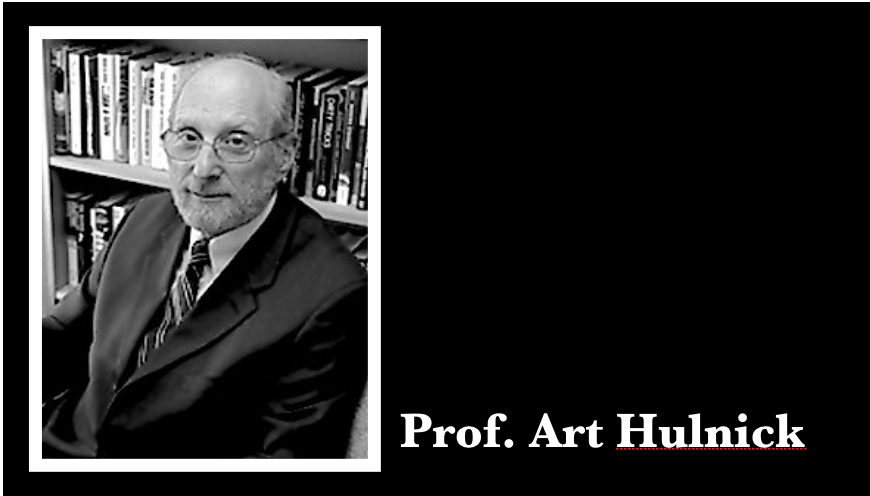
On a cold November night some time in the late 1980s, CovertAction Information Bulletin founder Philip Agee was sitting in the back of an auditorium at the University of Rhode Island listening to a debate between Arthur Hulnick,[1] a representative of the CIA, and a member of the American Civil Liberties Union (ACLU).
During the question-and-answer period, Agee stood and asked Mr. Hulnick why he had not said a word in his talk about the CIA’s “liaison operations” where the CIA works with the security and intelligence services of other countries.
“Mr. Hulnick,” Agee said, “I ask you to describe how the CIA is working day and night with the security and intelligence services of El Salvador, the same service that either directly or through their death squads have murdered some 70,000 people during the past eight years. Tell us how the United States, through the CIA, has become part of all that carnage. And tell us about the CIA’s similar operations with the Iranian SAVAK during the time of the Shah, with the Greek KYP, with the South Korean CIA, with the services of the Pinochet dictatorship in Chile, with the Philippine services under the Marcos dictatorship, with the National Guard in Nicaragua under the Somoza dynasty, with the Bureau for anti-communist repression in Cuba during the Batista dictatorship, with the Guatemalan security services during the 35 years of military dictatorship since the CIA destroyed democracy in that country. And tell us about the torture practiced by every one of those services.”
Agee went on further: “Mr. Hulnick, how do you justify CIA organization or support for the overthrow of democratically elected civilian governments and their replacement with military dictatorships? You know the list, too, and it circles the globe during the 40 years of the CIA’s existence. How dare you come to a university and try to entice the best of American youth into working for Murder Incorporated.”[2]
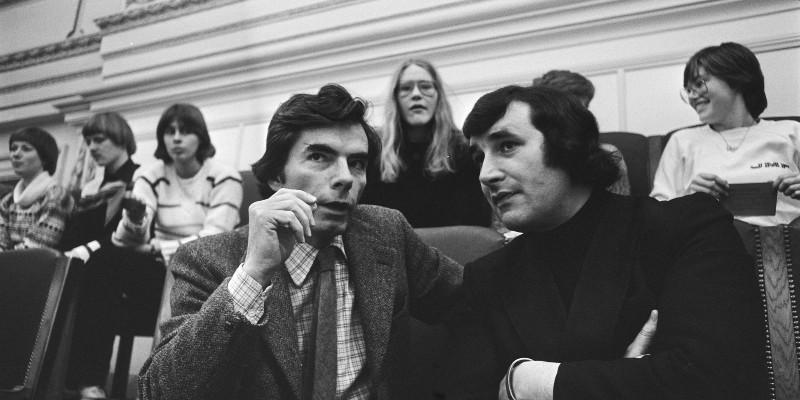
Agee’s comments led to rapturous applause from the audience and left Hulnick unable to adequately respond.
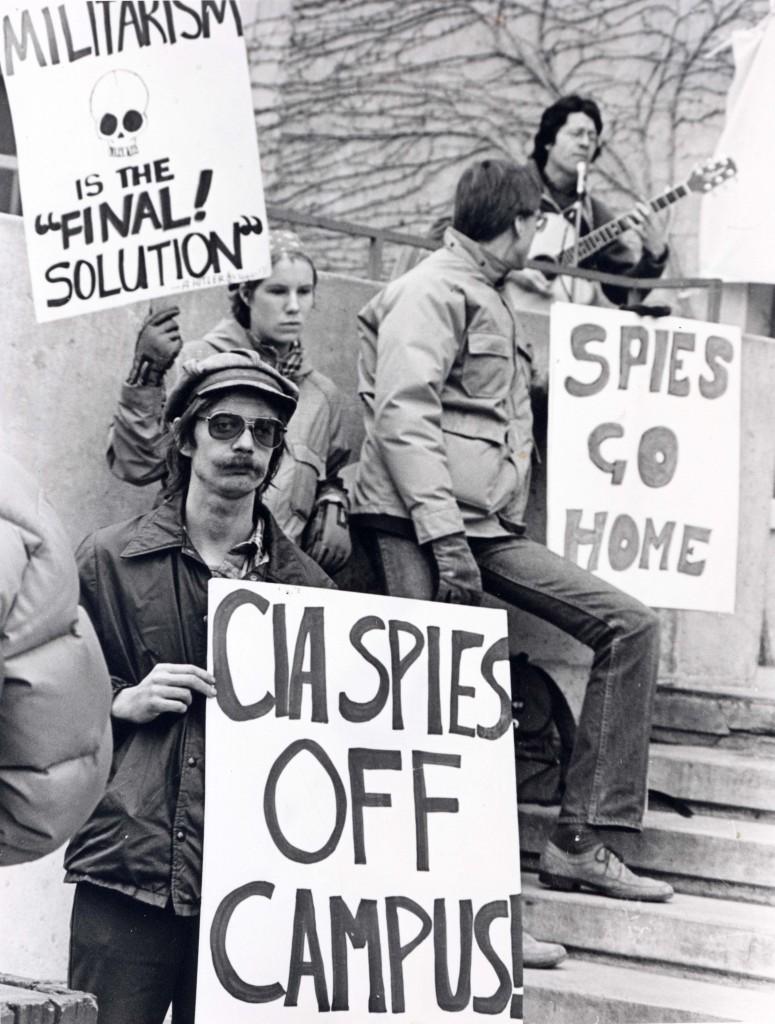
Agee said that, the next day, hundreds of students attended a three-hour anti-CIA rally on the campus where Agee and others spoke about the CIA’s criminal activities and the reasons why they should not be allowed to recruit on college and university campuses or have a presence on those campuses.
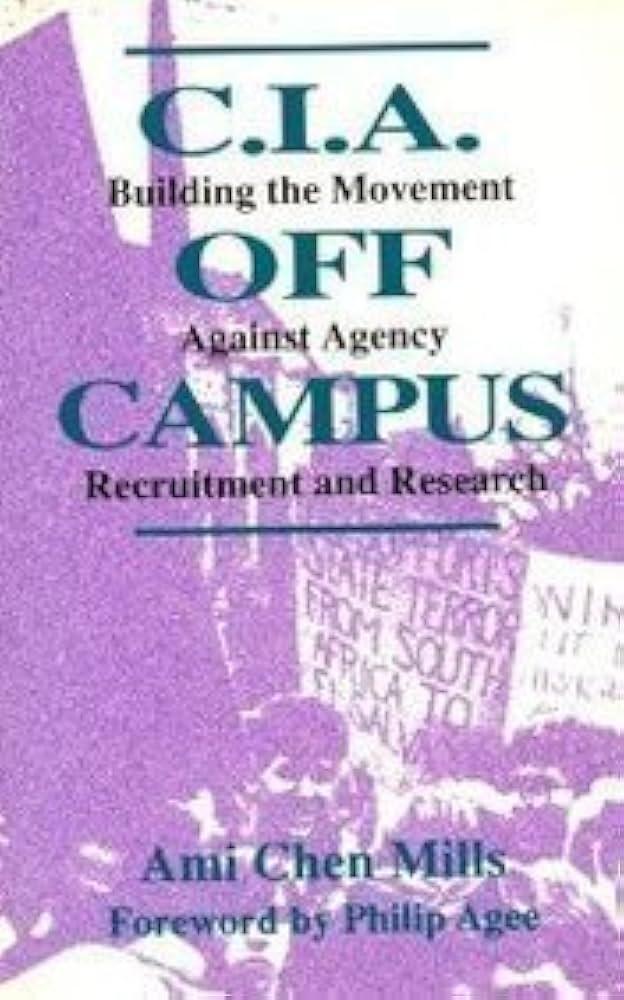
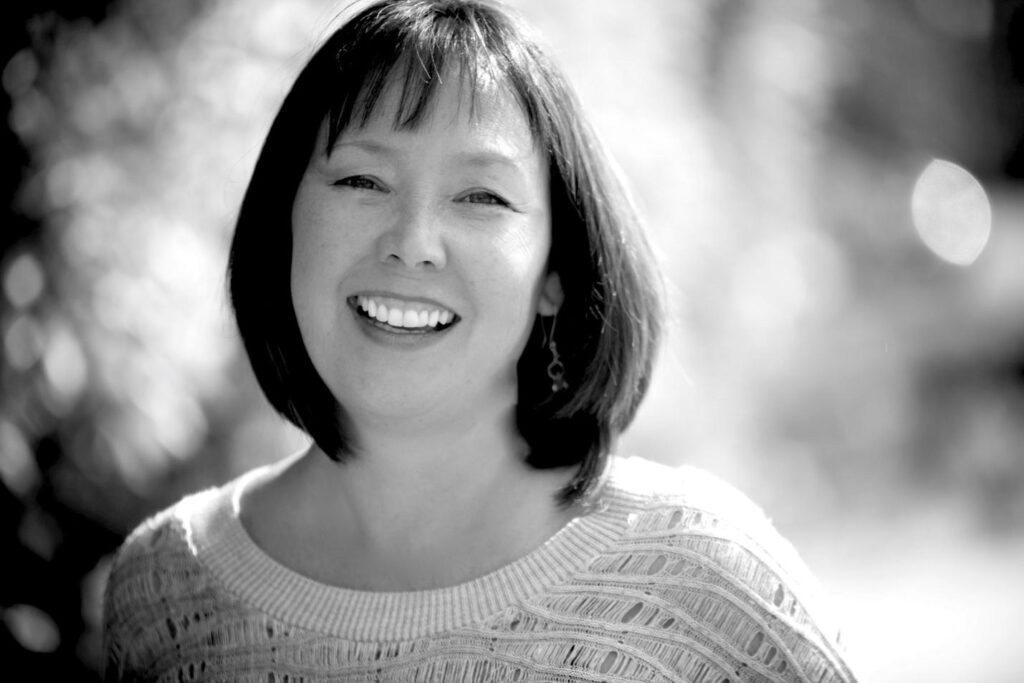
Agee wrote about the University of Rhode Island protest and his encounter with Hulnick in the foreword to a 1991 book by Ami Chen Mills, a former student activist at Northwestern,[3] entitled CIA Off Campus: Building the Movement Against Agency Recruitment and Research.
Mills started the book by providing an overview of CIA crimes, including its drug running and support for torture and mass murder under the Phoenix Program in Vietnam.
She then went on to detail the CIA’s long history on college campuses stretching back to the days when Office of Strategic Services (OSS-CIA precursor) agents were recruited through “Old Boy” networks at Ivy League universities.
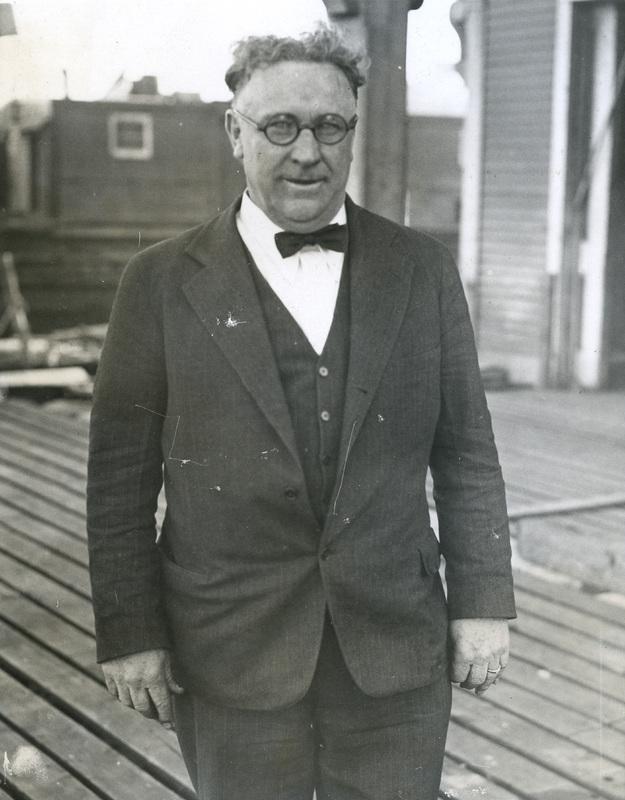
Yale’s crew coach from 1946 to 1950, Allen “Skip” Walz, was known to have been a “spotter” for the CIA who received $10,000 a year to pass the names of athletic young men to CIA recruiters. In a record year, “Skip” introduced 25 such men to the Agency who went on to become paramilitary officers.[4]
Mills noted that, at the time she was writing, the CIA had been exposed as working at every level of the university system, from undergraduate recruiting and foreign student coercion to the establishment of entire institutes, research funding and faculty recruiting.[5]
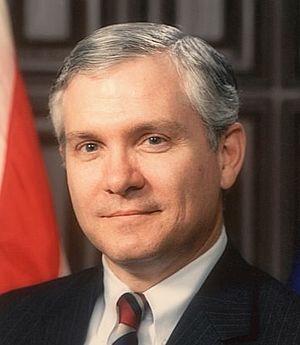
In 1986, Robert Gates, the CIA’s Deputy Director for Intelligence, told professors at a public speaking engagement “we need your help,” indicating that the Agency would further access “the vast reservoir of expertise, experience and insight in the community of university scholars.”[6]
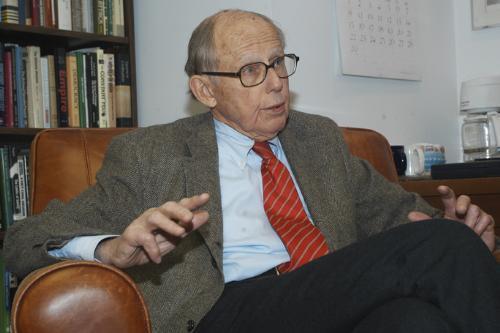
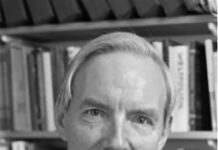
Among the faculty that Mills cited as having heeded Gates’s call was Harvard Political Science Professor Samuel P. Huntington,[7] who worked secretly as a CIA consultant, and Nadav Safran, the director of the Harvard Center for Middle Eastern Studies, who received more than $100,000 from the CIA to write a book on Saudi Arabia and almost $50,000 to organize a university conference on Islam.[8]
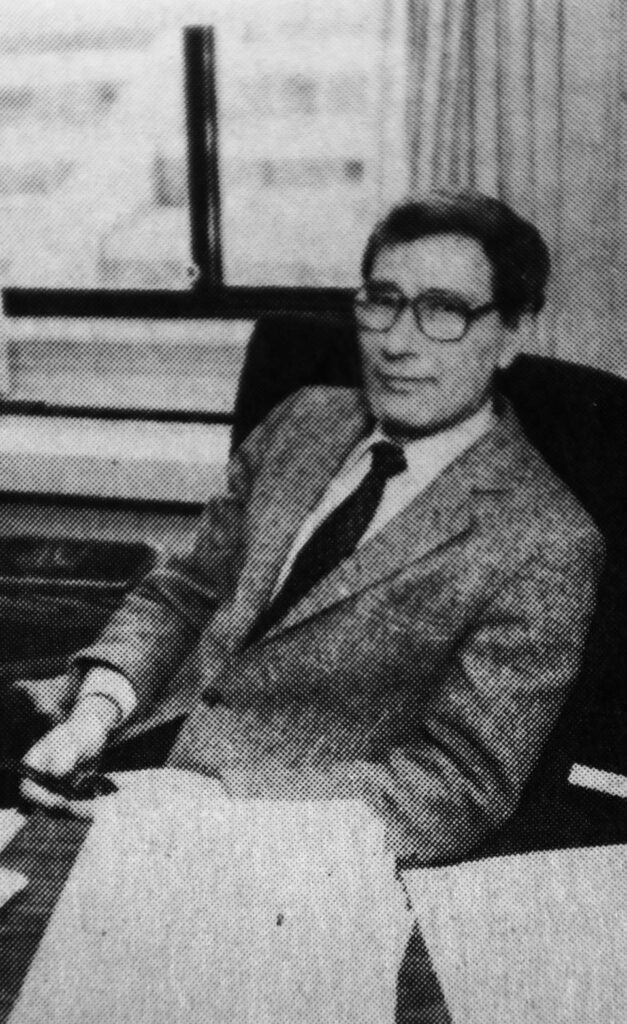
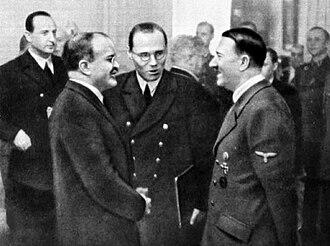
Another agency academic, Gustav Hilger of Johns Hopkins, was a former member of the Nazi Foreign Office, while James R. Hooker of Michigan State was a liberal who opposed the Vietnam War but gave his support to right-wing political factions in Angola while working for the CIA in the 1970s.[9]
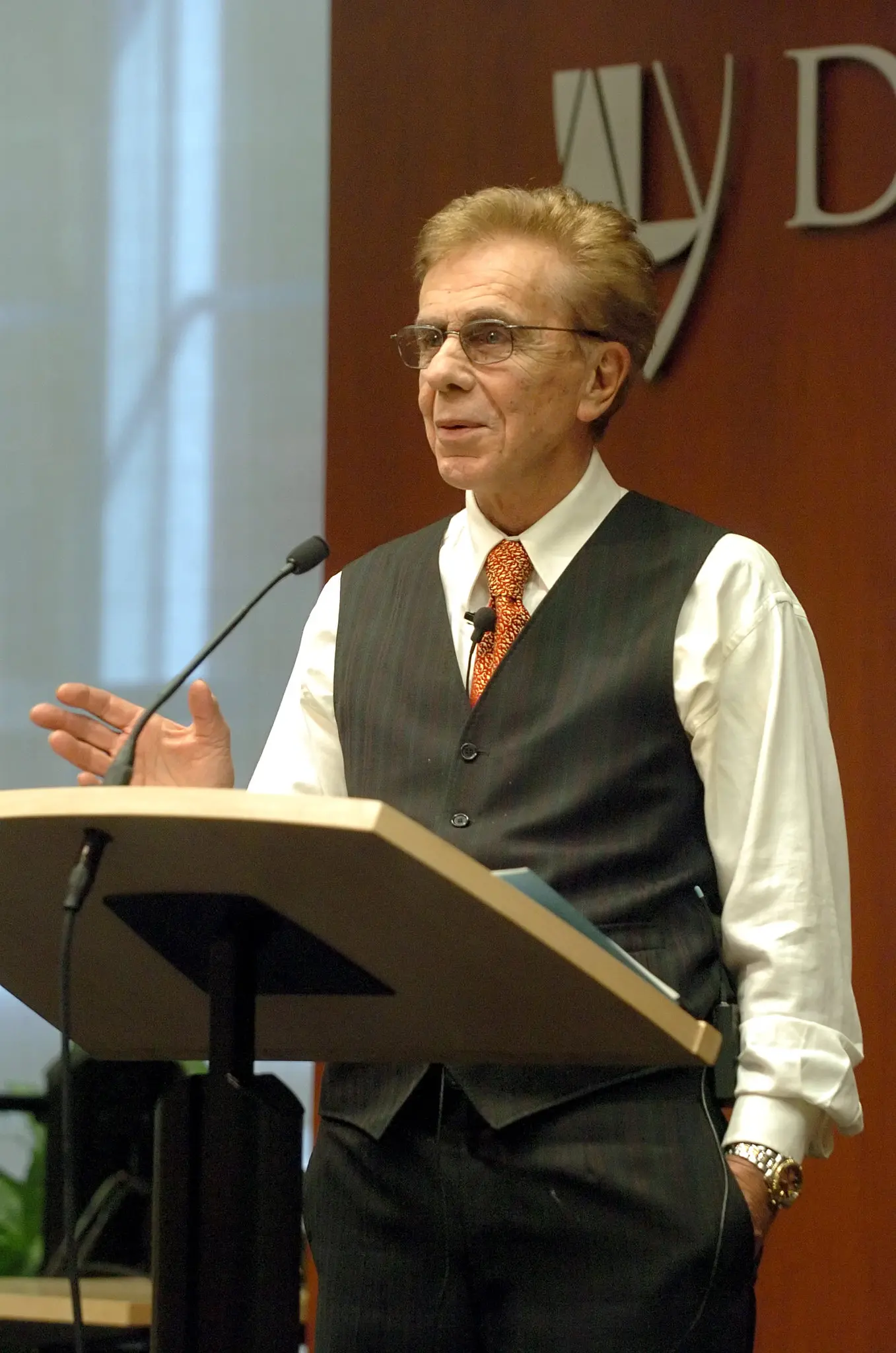
William W. Van Alstyne, President of the American Association of University Professors in the mid 1970s who taught at Duke Law School wrote a letter asking then CIA Director George Bush to provide guarantees “against misuse and subversion of our colleges and universities so that they may be freed of the stigma of covert, and often unknowing, participation in manipulative government operations conducted by the CIA.”
Van Alstyne stated in his letter that “universities and scholars have been paid to lie about the sources of their support, to mislead others, to induce betrayed confidences, to misstate the true objects of their interest, and to misrepresent the actual objectives of their work,” arguing that “to make political fronts of colleges is a betrayal of academic freedom and hence compromises all who teach. When colleges and universities are made conduits of deceit and when faculty members are paid to lie, there is an end to the common good of higher education.”[10]
Fighting Back Against the Invisible Government
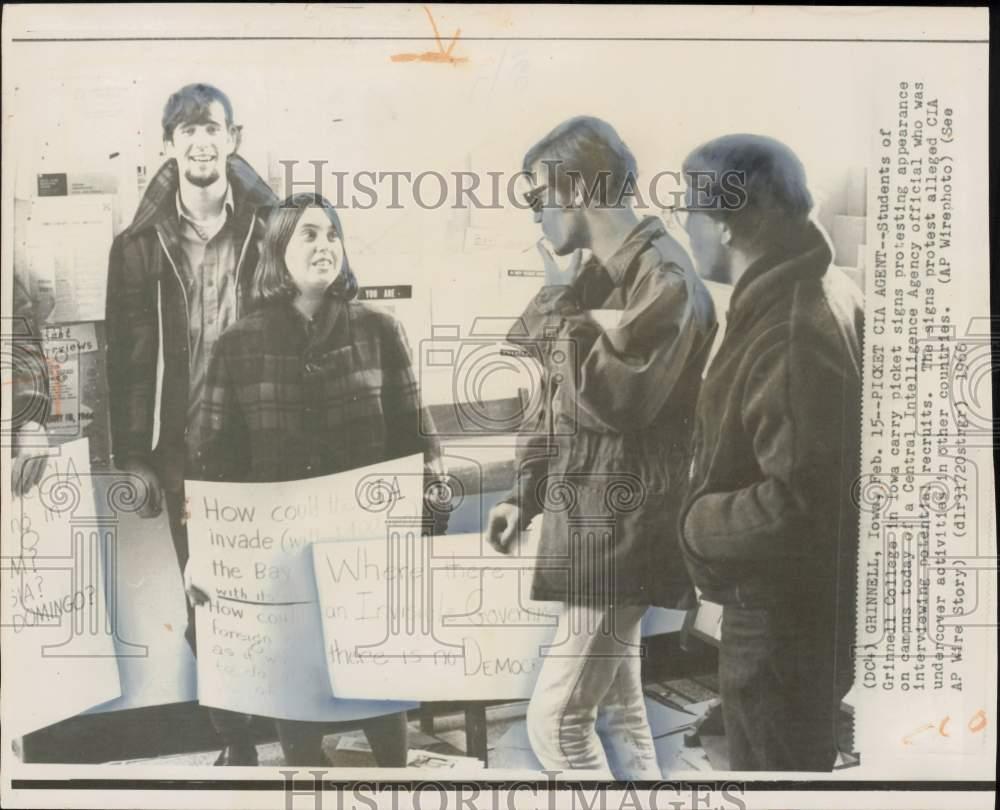
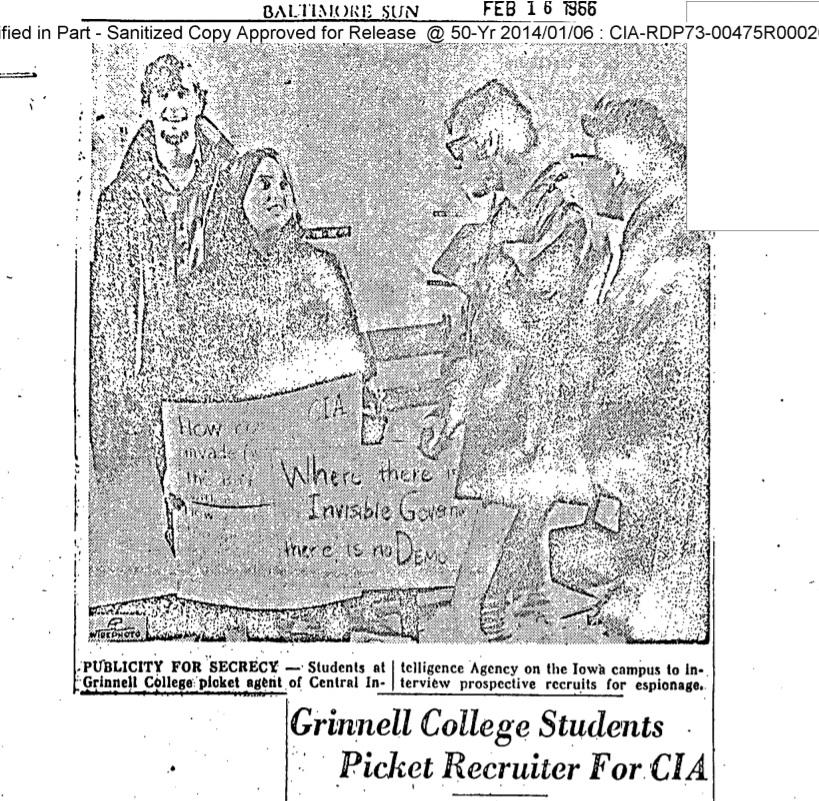
The first campus anti-CIA protest took place in February 1966 at Grinnell College in Iowa where students picketed a presentation by a CIA recruiter, holding signs reading “Where there is an invisible government there is no democracy.”
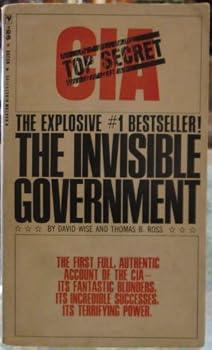
The protest was inspired by David Wise and John B. Ross’ 1964 book, The Invisible Government, which exposed CIA covert operations in Guatemala, Iran, Cuba and elsewhere that were previously unreported.[11]
Later in 1966, protests against the CIA erupted at Boston University, Emory University and others where students produced informational pamphlets on the history of CIA covert action, and cited Wise and Ross at length.[12]
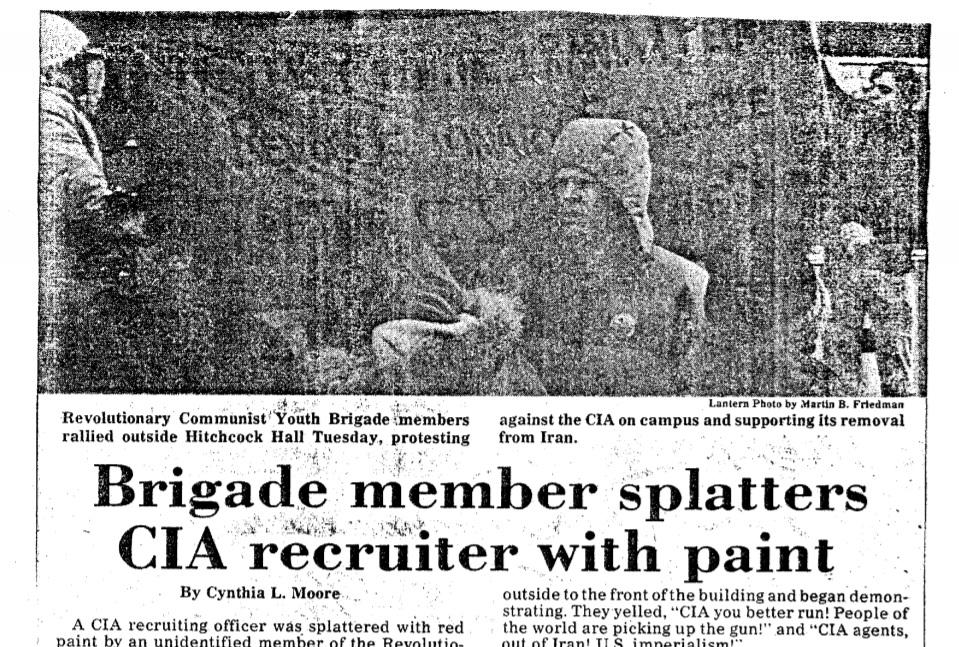
In 1979, when CIA recruiter Linda Iacelli visited Ohio State University, protesters splashed red paint on her to symbolize the “blood of the people around the world.”
Four years later, students at the University of Wisconsin-Madison carried around a “roach motel” which served as a symbol for those recruited by the CIA who “check in and never check out.”
Mills’ book shows how the anti-CIA campus movement in the 1980s dovetailed with other activist causes such as anti-apartheid, the Nicaragua and El Salvador solidarity movements, the push for Palestinian rights and growing concern for the environment and women’s rights and gay and lesbian rights.
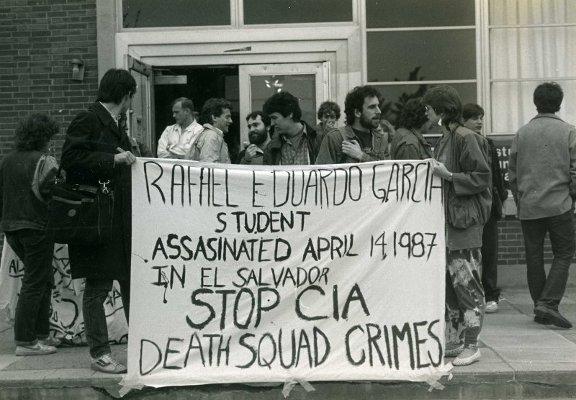
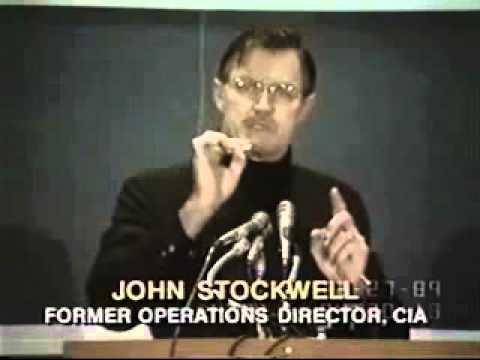
On some campuses, Mills noted, student activists had support from faculty like at the University of Massachusetts at Amherst, where they brought CIA whistleblower John Stockwell, historian Howard Zinn and former Attorney General Ramsey Clark to campus and to testify in the defense of anti-CIA demonstrators who were put on trial.[13]
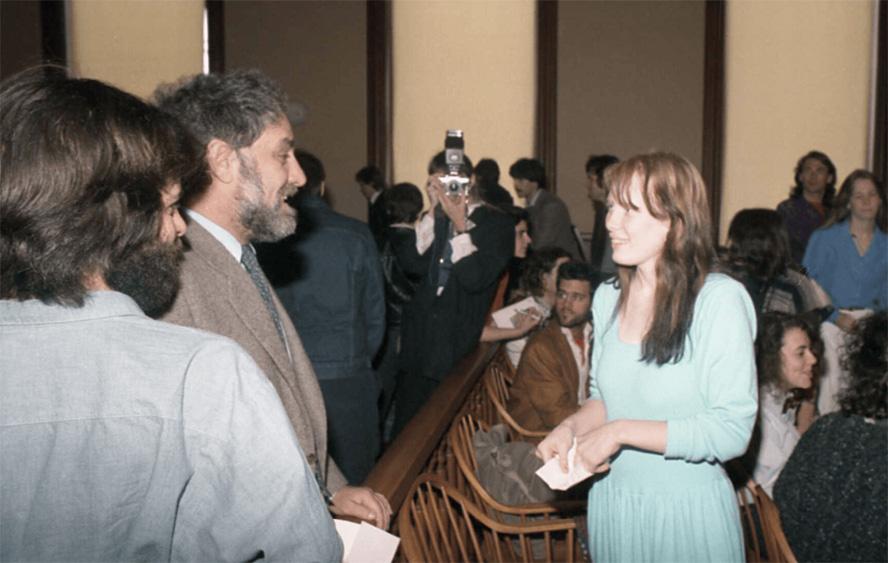
These demonstrators included former President Jimmy Carter’s daughter Amy, then a Brown University student, and legendary 1960s activist Abbie Hoffman.[14]
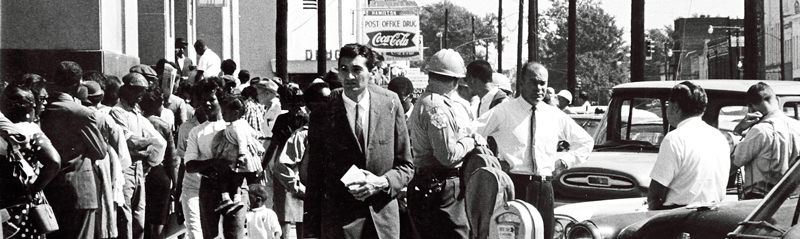
Calling the CIA “an international mafia” sponsoring “monstrous crimes against international law,” Zinn dismissed the charges leveled against the protesters as “petty” in comparison with the “inhumane” tactics employed by the CIA.
Zinn further noted that, “if the mafia came on campus to recruit, there would be protest [from the administration]” but the CIA is vindicated because “they have legal status.”[15]
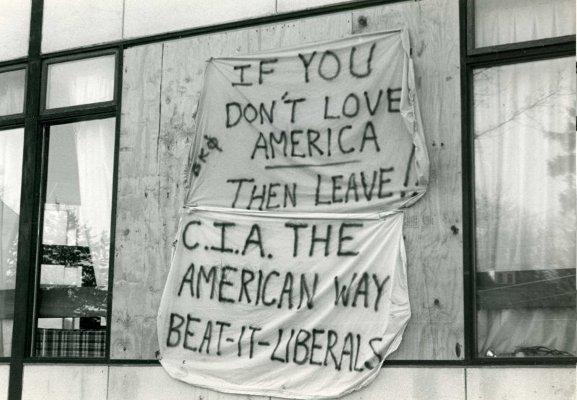
Counter-protesters at the University of Massachusetts waved posters reading “CIA—the American way. Beat it, liberals” and “Rambo, Rambo, he’s our man.”
University of Massachusetts Associate Chancellor James Leheny presented a false moral equivalency between the anti-CIA and pro-CIA activists, claiming to have been “disappointed to see our students behaving like sheep, with a blind allegiance to an aging hippie [Hoffman] or the administration in Washington [reference to conservative students]. The more people act like cartoon characters, the less likely people are to listen to them.”[16]
According to Philip Agee, the CIA “depends on the colleges and universities for their inflow of personnel—to work on the staff at CIA headquarters in Virginia and for their assignments overseas. That is why it is so important to turn off this faucet of recruits.”[17]
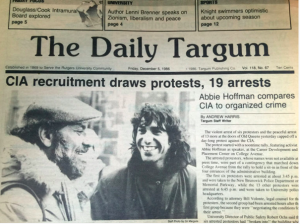
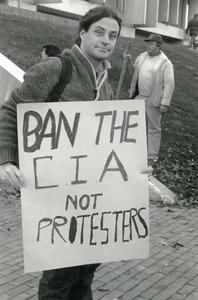
Because of student protests, the CIA was forced to terminate overt recruiting efforts at dozens of schools, had to cancel officer-in-residence programs, and bolstered public relations efforts in an attempt to smooth relations with increasingly hostile student bodies.[18]
Nevertheless, students trying to organize against the CIA nevertheless faced an uphill battle, according to Mills, because “the forces arrayed against them were plenty and powerful. Shoddy high school history courses with imperialist slants lack an economic analysis of our past and consequently lack a meaningful analysis of our past. The deliberately mindless mass media of 20-second news bites, owned by the very people whose interest the CIA is dedicated to and paid to protect, report State Department news as if it were the Sermon on the Mount.”[19]
Higher Barrier and Greater Urgency Today
Over the last 35 years, the barriers to anti-CIA organizing that Mills described have grown even more formidable.
History professors have come under attack for teaching even mildly critical histories of the U.S., and the media are even more omnipresent and compromised today.
The latter is true even of alternative media, which often regurgitates State Department talking points when it comes to CIA/NED-backed color revolutions and coverage of U.S. geopolitical rivals like China and Russia and socialist countries.
The urgency today for an anti-CIA movement on college campuses is as great as it ever was.
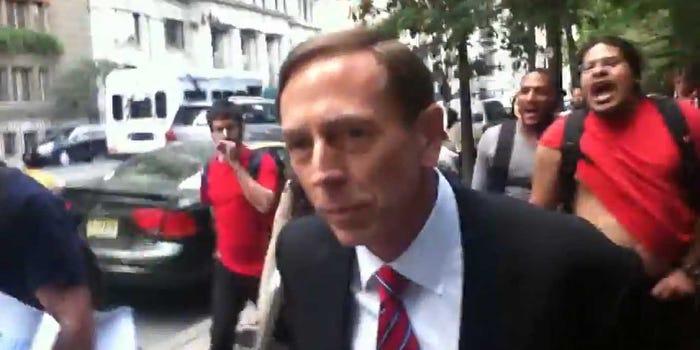
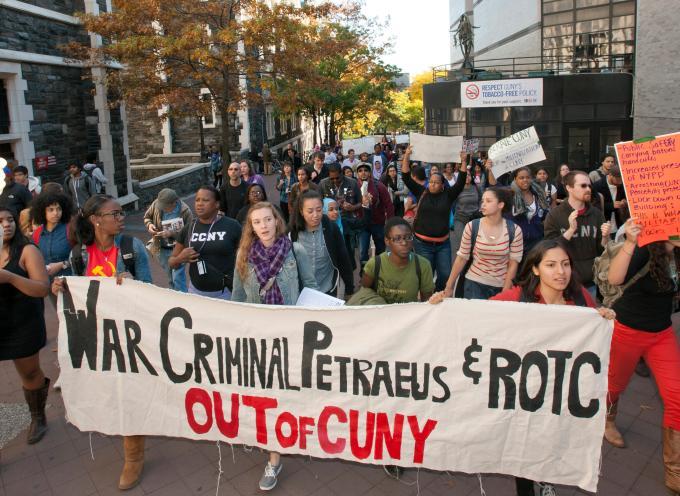
CIA recruitment on campus continues apace while universities have bestowed honorary professorships to former CIA directors like David Petraeus, who was appointed as a visiting professor at City University of New York in 2013, and invited to give the keynote address at the Society for Historians of American Foreign Relations (SHAFR) annual conference in 2018.
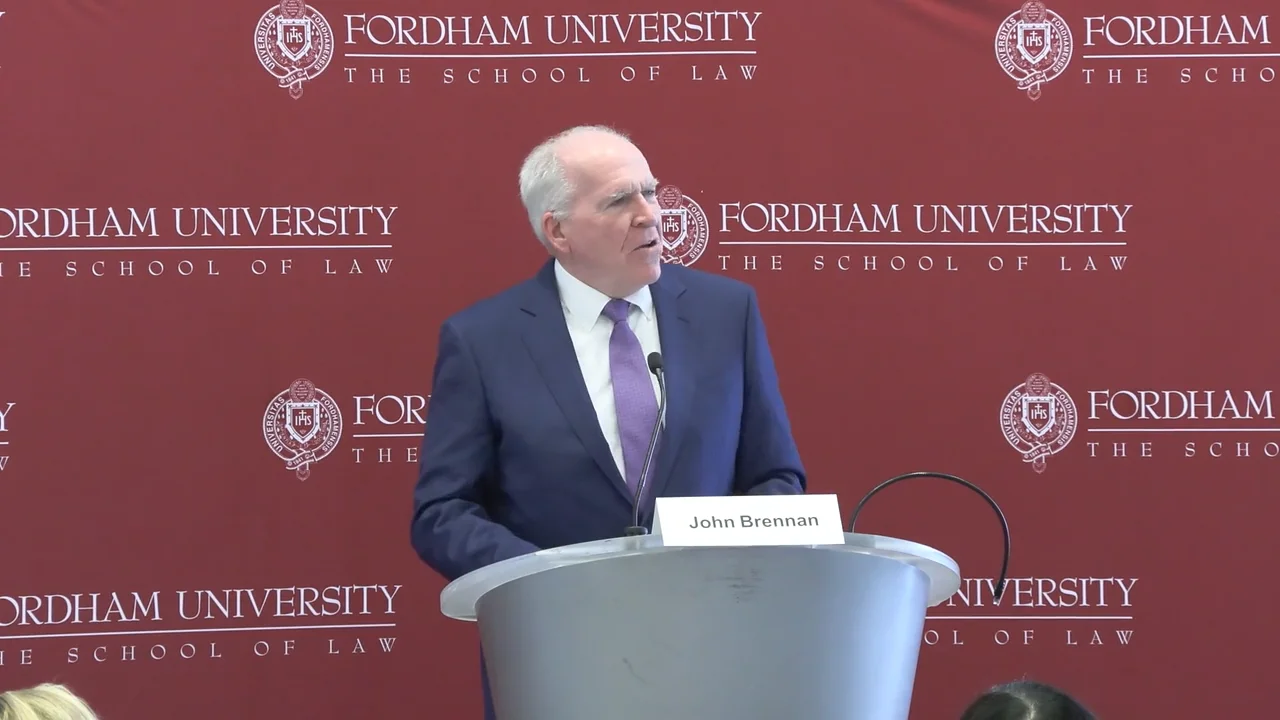
CIA Director John Brennan, who headed the drone assassination program that killed thousands and was a godfather of the phony Russia Gate scandal that helped revitalize the culture of the Cold War, was named as a distinguished fellow at the Center on National Security at Fordham School of Law and distinguished scholar at the University of Texas at Austin.[20]
Brennan’s predecessor, Leon Panetta, has established his own public policy institute in the University of California system that hosts a variety of programs, including a lecture series that has featured ex-CIA Directors David Petraeus and Robert Gates.
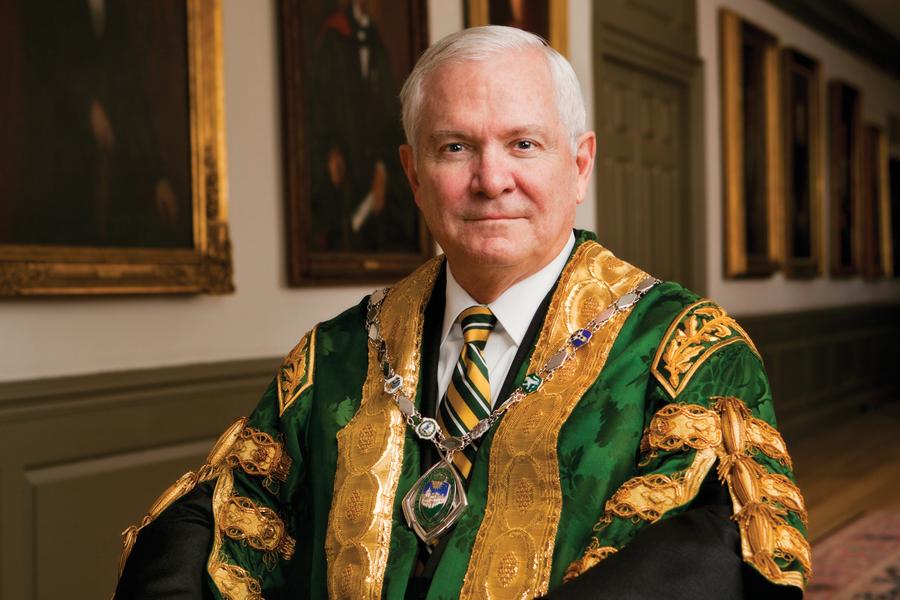
A key figure in the Iran-Contra scandal known for corrupting the CIA’s analysis branch by politicizing intelligence reporting, Gates served as president of Texas A&M University from 2002 to 2006 and Chancellor of William and Mary College since 2012.
When he was Deputy CIA Director, Gates set up an executive program for senior managers in the U.S. intelligence community at the Harvard Kennedy School headed by professors Ernest R. May and Philip Zelikow, both CIA consultants who went on to chair the 9/11 Commission.[21]
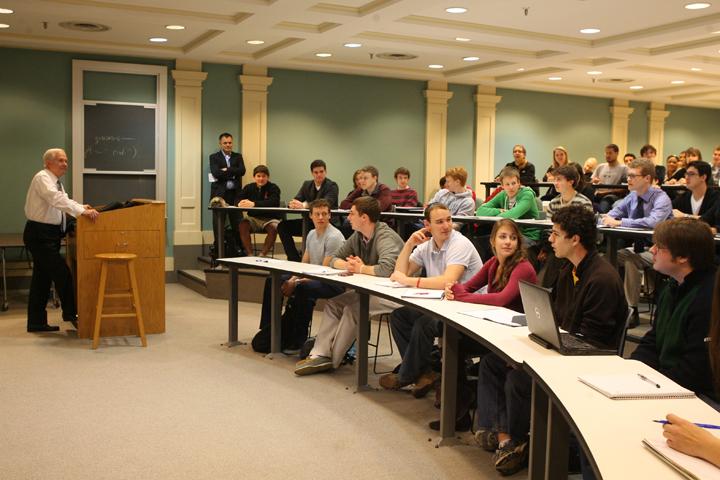
The University of Texas is one of the schools that has a CIA resident intelligence officer who teaches courses and carries out student recruitment.[22]
In 2011, 20 universities, including several branches of the California State University system, Rutgers, Florida International and Duke, received government funding for intelligence training—including courses on “espionage and cyber-hacking”—and had a direct route to place interns within the White House, State Department and Defense Intelligence Agency (DIA).
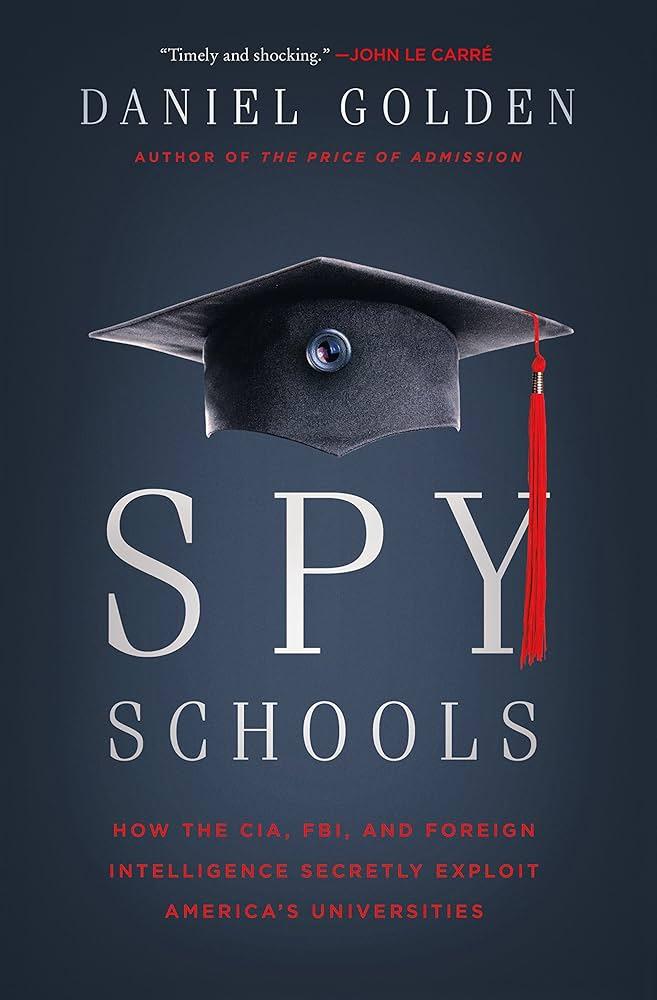
According to Daniel Golden, author of Spy Schools: How the CIA, FBI, and Foreign Intelligence Secretly Exploit America’s Universities (New York: Henry Holt, 2017), “U.S. intelligence today touches virtually every facet of academic life.”
CIA consultants like Robert Donaldson, the former president of the University of Tulsa and chair of its political science department, bring CIA-vetted speakers to their campuses under the umbrella of the Council on Foreign Relations and block efforts to bring national security whistleblowers and principled critics of the U.S. empire whom they ridicule.
Many professors are affiliated with the National Endowment For Democracy (NED), a CIA offshoot that advances political propaganda and regime-change operations.
Stanford’s Freeman Spogli Institute for International Studies has on its faculty Larry Diamond, the editor of the NED’s in-house journal, who was also a former senior adviser to the Coalition Provisional Authority (CPA) in Iraq, Francis Fukuyama, a well-known proponent of neoliberal capitalism and globalization in the 1990s who was on the NED’s Board, along with Sumit Ganguly and Anna Grzymala-Busse, who are on the NED journal’s editorial board, and Gi-Wook Shin, Kathryn Stoner,[23] and Abbas Milani[24] who write for the NED journal and have CIA connections.
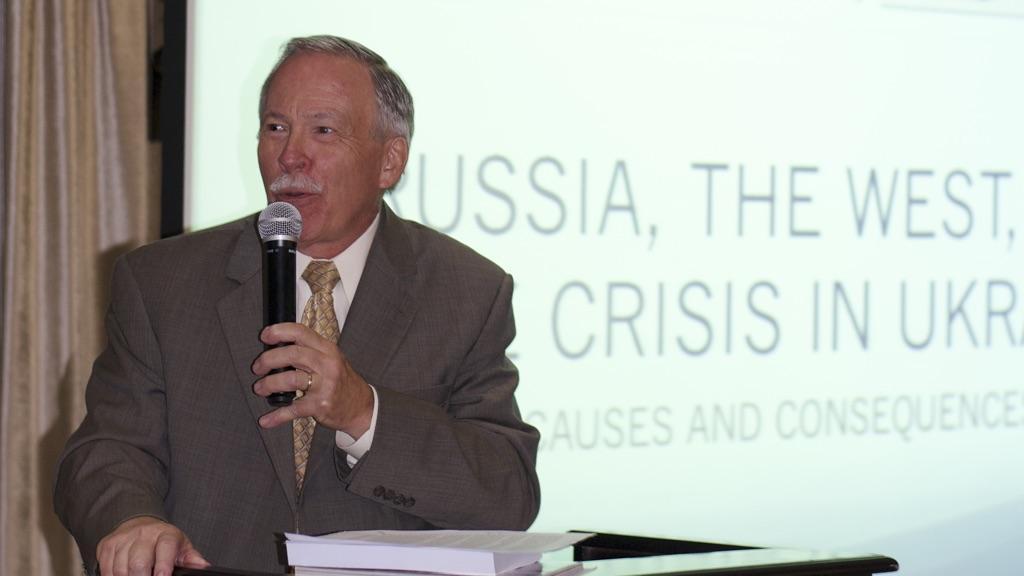
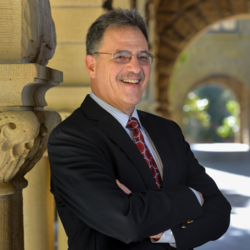
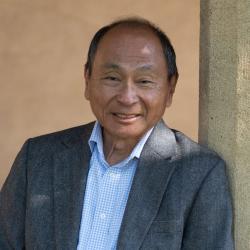
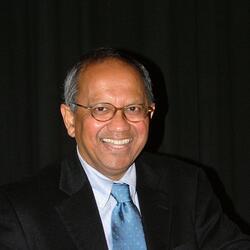
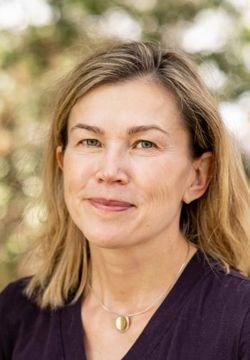
As guest speakers, Stanford’s faculty often invite CIA operatives and give awards to CIA-NED media cutouts that helped advance regime-change operations, like in Bangladesh.
Additionally, NED Board members teach at Georgetown and Claremont McKenna College and serve as deans at Boston University and Princeton, while members of the editorial board of the NED’s journal are on the faculty at Harvard, UC Berkeley, Columbia, Georgia State, the University of Toronto and many other schools.[25]
Georgetown has on its faculty a) Daniel Byman, a CIA political analyst from 1990-1993 and member of the 9/11 commission, which fit the mould of the Roberts (Pearl Harbor) and Warren commission (JFK assassination) in covering up for state crimes; b) Victor Cha, an NED Board member and former adviser to the Secretary of Defense whom the former Foreign Minister of South Korea accused of advancing a “simplistic history” of the Korean conflict that demonized North Korea;[26] and c) Paul D. Miller, a former CIA intelligence analyst who published a book that depicts the Afghan War as a great moral undertaking.
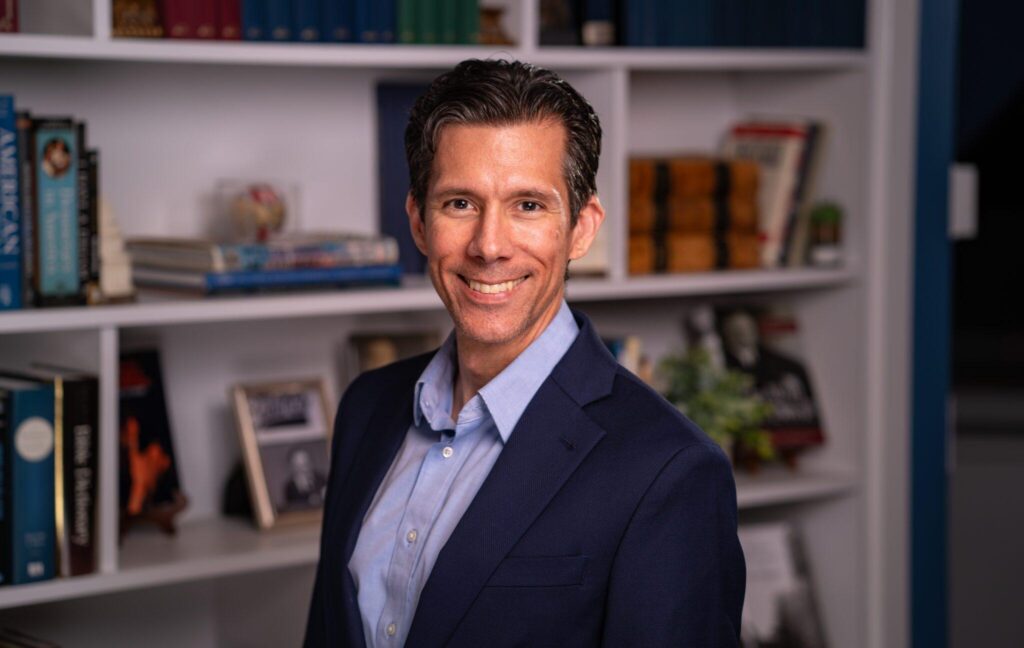
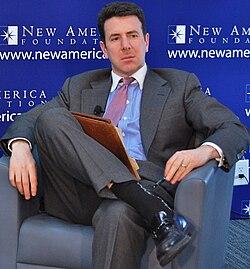
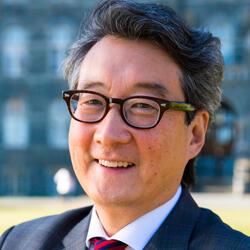
Johns Hopkins’ Paul Nitze School of Advanced International Studies (SAIS) has on its faculty the former acting director of the CIA, John McLaughlin, and many others with intelligence and Pentagon ties.[27] Students can obtain a Master’s of intelligence analysis after taking courses with former CIA officers like Michael J. Ard who previously taught at Rice University.
In 2002, Johns Hopkins President William R. Brody was appointed by George W. Bush to sit on his foreign intelligence advisory board.[28]
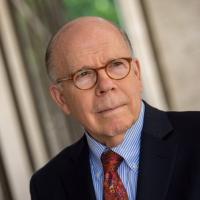
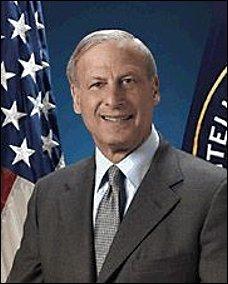
Alvin Bernard “Buzzy” Krongard, the CIA’s Executive Director from 2001 to 2004 and CIA’s liaison with the mercenary company Blackwater, is listed as an emeritus member of the Board of Trustees of the Johns Hopkins Medicine Board.
The CIA used the cover of the Johns Hopkins Medicine Board to steal the computer software of an Australian government science adviser, Peter Osborne, that the CIA coveted.
These examples point to the wide influence of the CIA at prestigious universities, which compromises intellectual integrity and should generate pushback and resistance.
David W. Conde, in the suppressed 1970 book CIA—Core of the Cancer, called academics who received foundation money or worked for CIA-linked organizations, as being part of a system of “intellectual incest and rape.” The “rapists” defined the parameters of discourse and censored real intellectuals who genuinely “speak truth to power.”
The purpose of the university should be to encourage independent inquiry and critical debate about public policy that encourages dissenting views and alternative visions for the future.
This is exactly what the CIA does not want since it functions as the enforcement arm of the U.S. capitalist elite and has long supported totalitarian methods like those described by Philip Agee on the University of Rhode Island campus 40 years ago.
Hulnick had interviewed North Korean defectors during the Korean War and later served as a speechwriter for CIA Director William Webster and edited the president’s daily brief. In 1989, Hulnick was appointed as the first-ever Officer in Residence at Boston University, where he taught courses in intelligence studies. He remained at BU, a school the CIA considered to be a “hospitable setting”—after his retirement from the CIA in 1992, taking a position as a full-time lecturer. He taught until 2015 at the Pardee School of Global Studies where one of his colleagues was another former CIA officer, Joseph Wippl. ↑
Philip Agee, in Foreword to Ami Chen Mills, CIA Off Campus: Building the Movement Against Agency Recruitment and Research (Boston: South End Press, 1991), xiv, xv. ↑
Mills obtained her degree in communications, film and creative writing from Northwestern in 1989 and went on to co-found the non-profit Center for Sustainable Change and has been involved in the Santa Cruz chapter of the Extinction Rebellion. She has also hosted her own radio show and podcast and ran for Mayor of Santa Cruz. For a profile of her in CovertAction Magazine, see here. ↑
Mills, CIA Off Campus, 21. ↑
Ibid., 19. ↑
Ibid., 20. ↑
Huntington was known for writing an article in Foreign Affairs supporting the bombing of the South Vietnamese countryside so that refugees could be won over through modernizing reforms in Saigon that would undercut the Maoist rural revolution. The political reactionary was also a lead author of The Trilateral Commission report, The Crisis of Democracy, that presented the 1960s movements as having helped provoke “an excess of democracy.” In the 1990s, Huntington wrote an influential book advocating for a civilizational war with the Muslim world, and another opposing growing multiculturalism. ↑
Mills, CIA Off Campus, 32. ↑
Idem. Mills quoted CIA spokesperson Sharon Foster who said in 1988 that “the CIA has enough professors under Agency contract to staff a large university.” ↑
Quoted in Ronald Radosh, “The CIA and the Academy: The Teacher as Scholar-Spy,” Change, 8, 7 (August 1976), 38-42, 64. ↑
Simon Wilmetts, “Forbidden history: CIA censorship, The Invisible Government, and the origins of the “deep state” conspiracy theory,” Intelligence and National Security, Vol. 39, 2 (2024), 281-297; David Wise and John Ross, The Invisible Government (New York: Random House, 1964). ↑
Wilmetts, “Forbidden history.” ↑
Mills, CIA Off Campus, 61. On April 15 1987, the jury acquitted the protesters of all charges. ↑
During the trial, Abbie Hoffman coined and popularized the slogan “What’s so intelligent about the CIA?” Philip Agee spoke at the University of Massachusetts, Amherst, one year after the protests, telling students: “Anybody who goes to work for the CIA is going to give up his or her rights to the First Amendment to the Constitution for life.” ↑
William Clay, a Canadian attending UMass, was quoted in The Harvard Crimson stating: “Allowing the CIA on campus was a direct offense to all international students, since the World Court has labelled the CIA as international criminals.” ↑
Benjamin Waldman, “51 Activists Arrested at UMass,” The Harvard Crimson, November 26, 1986. ↑
Mills, CIA Off Campus, 140. ↑
Ibid., 138. ↑
Ibid., 66. ↑
Brennan was also invited to inaugurate a new cyber-security program at the University of Tulsa, a school that I taught at for nine years, which has a strong CIA presence along with deep ties to the oil industry and Pentagon. A forthcoming CovertAction Magazine article will show how Brennan was a key figure in triggering the deadly Ukraine conflict. ↑
Dealing With Dictators: Dilemmas of U.S. Diplomacy and Intelligence Analysis, 1945-1950, ed. Ernest R. May and Philip Zelikow (Cambridge, MA: MIT Press, 2007), ix, x. CIA agents were appointed as research fellows at Harvard to assist in the program. These agents included: Charles Cogan, the CIA Near East Station Chief from 1979-1984, Douglas MacEachin, Director of the CIA’s Office of Soviet Analysis from 1984-1989 and the CIA’s Deputy Director of Intelligence from 1993-1995 who served as one of the researchers and writers of the 9/11 commission report, James Worthen, a CIA Russian affairs expert who prepared detailed profiles of foreign government officials for the CIA and William Kline. Gregory Treverton also help run the program before going on to become Vice-Chairman of the National Intelligence Council along with Richard Haas, who went on to head the Council on Foreign Relations and Kurt Campbell, a key National Security adviser under Barack Obama who helped oversee Obama’s “pivot to Asia” policy. A forthcoming article in CAM will look more into Ernest R. May’s career. ↑
The Washington Post reported in April 200 that over 30 schools participated in this program since it was inaugurated in 1985, including Ivy League schools such as Harvard and Princeton. The Post article discussing this was entitled “CIA Sends Agents to Schools—To Teach.” It addressed how intelligence studies was a flourishing new sub-discipline at hundreds of colleges across the country and that some of the instructors in the programs were CIA employees. It also mentioned CIA agents going to lecture at schools like the University of Maryland and George Washington University, where some course instructors were drawn from the intelligence world. See also John Hollister Hedley, “Twenty Years of Officers in Residence: CIA in the Classroom,” Studies in Intelligence, 49, 4 (2005), 31-39. ↑
As an example of the kind of biased analysis that NED professors present to their students, Stoner wrote a paean to Russian opposition politician Alexei Navalny that failed to mention his comparison of immigrants to cockroaches, and calls the Nazi-infested government of Ukraine that banned 17 political parties, runs death squads, press-gangs youth into military service, delayed elections and has an estimated 20,000 political prisoners, the “beachhead for global democracy.” ↑
Amidst 2009 Iranian presidential election protests, Milani appeared at a U.S. House Foreign Affairs Committee hearing and called for imposing “multilateral and crippling sanctions” on Iranians. The Iranian government, then led by Mahmoud Ahmadinijad, named Milani in an indictment as “one of the most important leaders of the opposition” and accused him of being a CIA agent. ↑
NED Board member Amaney Jamal is a dean and professor of politics and international relations at Princeton University, and NED Board member Minxin Pei is the Pritzker Professor of Government at Claremont McKenna College (Pritzker is a wealthy family that bankrolled the political career of Barack Obama). NED Board member Scott Taylor is the Dean of the Frederick S. Pardee School of Global Studies at Boston University, which staffs CIA agents. Members of the editorial board of the NED’s in-house Journal of Democracy, which promotes distorted analyses of international politics and propaganda include Harvard Professor of Government Steven Levitsky, University of Toronto political scientist Lucan Way, and UC Berkeley Professor M. Steven Fish, among others. ↑
Chi Jong-Kun and Joel Wit, “True North?” Foreign Affairs, July-August 2026, 199. ↑
McLaughlin was among 50 former intelligence professionals to sign a letter claiming that the Hunter Biden laptop story was Russia disinformation, which has proven to be false. The current Dean of SAIS, James Steinberg, served as Deputy Secretary of State under Hillary Clinton. He invited CIA Director William Burns to give a talk on “global hotspots.” ↑
Brody served on the Foreign Intelligence Advisory Board from 2002 to 2005. ↑
CovertAction Magazine is made possible by subscriptions, orders and donations from readers like you.
Blow the Whistle on U.S. Imperialism
Click the whistle and donate
When you donate to CovertAction Magazine, you are supporting investigative journalism. Your contributions go directly to supporting the development, production, editing, and dissemination of the Magazine.
CovertAction Magazine does not receive corporate or government sponsorship. Yet, we hold a steadfast commitment to providing compensation for writers, editorial and technical support. Your support helps facilitate this compensation as well as increase the caliber of this work.
Please make a donation by clicking on the donate logo above and enter the amount and your credit or debit card information.
CovertAction Institute, Inc. (CAI) is a 501(c)(3) non-profit organization and your gift is tax-deductible for federal income purposes. CAI’s tax-exempt ID number is 87-2461683.
We sincerely thank you for your support.
Disclaimer: The contents of this article are the sole responsibility of the author(s). CovertAction Institute, Inc. (CAI), including its Board of Directors (BD), Editorial Board (EB), Advisory Board (AB), staff, volunteers and its projects (including CovertAction Magazine) are not responsible for any inaccurate or incorrect statement in this article. This article also does not necessarily represent the views the BD, the EB, the AB, staff, volunteers, or any members of its projects.
Differing viewpoints: CAM publishes articles with differing viewpoints in an effort to nurture vibrant debate and thoughtful critical analysis. Feel free to comment on the articles in the comment section and/or send your letters to the Editors, which we will publish in the Letters column.
Copyrighted Material: This web site may contain copyrighted material the use of which has not always been specifically authorized by the copyright owner. As a not-for-profit charitable organization incorporated in the State of New York, we are making such material available in an effort to advance the understanding of humanity’s problems and hopefully to help find solutions for those problems. We believe this constitutes a ‘fair use’ of any such copyrighted material as provided for in section 107 of the US Copyright Law. You can read more about ‘fair use’ and US Copyright Law at the Legal Information Institute of Cornell Law School.
Republishing: CovertAction Magazine (CAM) grants permission to cross-post CAM articles on not-for-profit community internet sites as long as the source is acknowledged together with a hyperlink to the original CovertAction Magazine article. Also, kindly let us know at info@CovertActionMagazine.com. For publication of CAM articles in print or other forms including commercial internet sites, contact: info@CovertActionMagazine.com.
By using this site, you agree to these terms above.
About the Author
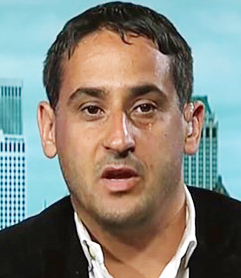
Jeremy Kuzmarov holds a Ph.D. in American history from Brandeis University and has taught at numerous colleges across the United States. He is regularly sought out as an expert on U.S. history and politics and co-hosts a radio show on New York Public Radio and on Progressive Radio News Network called “Uncontrolled Opposition.”
He is Managing Editor of CovertAction Magazine and is the author of eight books, including Obama’s Unending Wars (Clarity Press, 2019), The Russians Are Coming, Again, with John Marciano (Monthly Review Press, 2018), Warmonger. How Clinton’s Malign Foreign Policy Launched the U.S. Trajectory From Bush II to Biden (Clarity Press, 2023); with Dan Kovalik, Syria: Anatomy of Regime Change (Baraka Books, 2025), and Political Assassinations in America: The Intricate Nexus of Deep State Crime (Clarity Press, 2026).
Besides these books, Kuzmarov has published hundreds of articles and contributed to numerous edited volumes, including one in the prestigious Oxford History of Counterinsurgency .
He can be reached at jkuzmarov2@gmail.com and found on substack here.

Excellent article. In reference to Netra News, Covert Action Magazine and Netra News share an interesting policy called Right of Reply. This is one reason why the two magazines are so special.
Right of Reply: The policy explicitly mandates that subjects of their reporting, particularly those facing negative criticism or allegations of wrongdoing, must always be offered a right of reply to share their version of events or provide an explanation.
Standard journalistic ethics dictate that a writer should contact the subject of a negative or critical article prior to publication. This practice, often referred to as providing a “right of reply,” ensures that any individual or organization facing allegations has a fair opportunity to respond to the claims being made against them. Reaching out allows the journalist to verify factual details, obtain essential context, and correct any potential mischaracterizations before the piece goes to print. Furthermore, Netra News maintains this standard within its own editorial guidelines, meaning that adhering to this process mirrors the very principles the outlet practices in its own investigative reporting
Aynaghar, which translates to “House of Mirrors,” is the codename for a notorious secret detention center in Bangladesh that was exposed in a landmark August 2022 investigative report by the exiled journalism platform Netra News. Located inside the secure compound of the Directorate General of Forces Intelligence (DGFI) headquarters in the Dhaka Cantonment, the facility was designed for the illegal, long-term confinement and interrogation of high-value political dissidents, activists, and critics of the former government. The name “Aynaghar” stems from the psychological cruelty of its architecture; detainees were kept in complete isolation with virtually no natural light, effectively trapping them alone with their own reflections. The groundbreaking Netra News report brought the facility to light using a combination of leaked photographs of the soundproofed cells and detailed, on-the-record testimonies from prominent survivors, including former military officer Hasinur Rahman and former diplomat Maroof Zaman. Following political upheavals in Bangladesh, the military intelligence agency officially acknowledged the facility’s existence and pledged to dismantle its dark operations.
Thank you for your comments and praise for my article. I wrote an article on Netra News last year that may be of interest: https://covertactionmagazine.com/2025/08/25/stanford-center-gives-journalism-award-to-cia-linked-media-outlet-that-helped-provoke-disastrous-regime-change-operation-in-bangladesh/
That is is coincident as I was not aware that you had previously wrote this article. Or maybe it is not a coincident and was meant to be for a higher spiritual reason. Although you are an exceptional writer, the coincident may mean that the higher universe wants you to transform into something better.
The article you shared blends a verifiable factual event with a highly biased, politically charged interpretation commonly pushed by supporters of the ousted Awami League government. It is entirely true that in May 2025, Stanford University’s Walter H. Shorenstein Asia-Pacific Research Center (APARC) announced Netra News as the recipient of the 2025 Shorenstein Journalism Award, specifically praising its courageous investigative reporting on high-level corruption and human rights abuses under intense state pressure. It is also factually correct that Netra News receives funding from the National Endowment for Democracy (NED); however, this is not a hidden secret, as Netra News openly discloses its funding on its own platform, and the NED publicly congratulated the outlet following the award announcement. Labeling the NED as a “CIA front” is a standard framing used by governments and critics who view U.S.-funded democracy programs as geopolitical tools for western alignment, whereas international media watchdogs view the organization as a critical lifeline for independent press in authoritarian regimes.
The text’s characterization of Netra News as a “propaganda campaign” driving a “violent regime-change operation” is a highly subjective, partisan narrative rather than an objective fact. Netra News operated in exile because its reporting on secret prisons (like Aynaghar) and extrajudicial killings was heavily censored inside Bangladesh. During the massive student-led protests that ultimately forced Prime Minister Sheikh Hasina to flee the country, Netra News bypassed state-enforced internet blackouts to report on civilian casualties, which independent international bodies categorized as public-interest journalism rather than an orchestrated “color revolution.” While Sheikh Hasina did cultivate close economic ties with China and later claimed the U.S. engineered her removal over a rejected military base on St. Martin’s Island, these geopolitical conspiracy claims have been firmly denied by U.S. officials. Finally, while it is true that Netra News founder Tasneem Khalil is a former Human Rights Watch consultant and CNN stringer who fled Bangladesh after being tortured by state intelligence, characterizing his outlet as an ally of the right-wing Bangladesh Nationalist Party (BNP) is a political accusation; press watchdogs maintain that the outlet’s focus was investigating abuse of power, which naturally targeted Hasina due to her 15-year consolidated rule.
Thank you. you are right in that I can add more information on my article on Netra News and may add in some of the info you provide. Some of the reporting was indeed valuable but it was tied to a larger geopolitical agenda and as such is more in the realm of a propaganda outlet than honest news outlet because it was not reporting abuses under the post Hasina order and was part of the regime change operation. Whether one views that as positive or negative may divide people and can be debated legitimately, but a review of its work shows it was part of that operation.
Thank you for the thoughtful response and for being open to integrating more context into your piece. I completely understand your point about evaluating whether a media outlet is operating with a specific editorial tilt or geopolitical alignment. However, I respectfully disagree with the characterization of Netra News as a ‘propaganda outlet’ or an arm of a ‘regime change operation.’ While they were undeniably critical of the Awami League, a look at their archive shows they have consistently functioned as an equal-opportunity watchdog rather than a political tool. Far from ignoring the post-Hasina order, Netra News aggressively held the Muhammad Yunus-led interim government accountable. They frequently called it ‘undemocratic’, characterized it as a ‘danger to the people’ for allowing far-right extremists to act with impunity, and exposed its continued use of authoritarian practices like political vetting for public jobs. Furthermore, they have shown no favoritism toward the newly elected BNP government. Since the BNP took power, Netra News has actively exposed them for abusing cyber safety laws to target critics, failing to stop targeted violence against minority communities, and drafting legislation that actively protects the security establishment at the expense of human rights. If their goal was merely regime change to favor a new political order, they would have softened their coverage once Hasina fell. Instead, they have consistently weaponized their investigative reporting against whoever holds the levers of state power. I think adding this timeline of their post-2024 reporting would give your article a much more balanced and accurate scope.”
Thanks. I updated my article to mention the prison abuse expose. Some of the reporting in Netra News is valuable especially regarding the underside of Hasina’s rule, which led some Bangladeshis to legitimately oppose her, but my overall view is not changed (and is I think well grounded) as to the political agenda underlying Netra News fitting with the aims of the NED and US foreign policy. (in a lot of the foreign backed color revolutions, the leaders targeted were far from model democrats and the US could exploit disatisfaction to its own geopolitical advantage which is what I believe the US has been trying to do in Bangladesh). While far from comprehensive and written from a supporter of the Awami League, the below article offers a critical assessment of the deteriorating human rights climate in Bangladesh that is not being properly covered by Netra News from my own survey of their website. The shady background of the current prime minister, Tarique Rahman, is also not something they are looking into, nor do they address wider geopolitical intrigues and foreign intervention in the country whether the US or other countries. https://www.narinjara.com/international/detail/6a847261a41afa325cebcdaa
Thanks for sharing your perspective and updating the article. I completely see your point about how foreign powers can exploit local grievances for geopolitical leverage. It is a very valid lens to view these situations through, and keeping an eye on wider geopolitical intrigues or foreign intervention is always essential in investigative journalism. That being said, looking at the situation strictly from the ground in Bangladesh, local sentiment views the 2024 uprising less as a “color revolution” and more as an inevitable breaking point after a decade of severe domestic repression. While Sheikh Hasina’s Daily Pioneer op-ed frames her fall as an extremist coup, it completely avoids her own heavy-handed record, which ultimately culminated in her recent in-absentia conviction and death sentence by the International Crimes Tribunal for crimes against humanity. You are spot on that the background of current Prime Minister Tarique Rahman is incredibly controversial and carries significant historical baggage. However, the core issue for most Bangladeshis right now isn’t an endorsement of his past, but rather a collective rejection of the extreme authoritarianism, extrajudicial disappearances, and direct violence used by the previous regime to stay in power. I really appreciate the exchange of views on this—it’s a deeply complex situation with a lot of layers to unpack
Your great article indicates why U.S antiwar and anti-imperialist Movement organizers on campuses should, I think, consider once again prioritize attempting to build on-campus campaigns against university complicity with “The Company” at places like Columbia University/Columbia SIPA in NYC, for example, during the 2026-2027 academic year. Yet one reason certain reformist U.S. left groups might tend to not focus on this CIA complicity issue is because during the Cold War prior to 1967, a major U.S. feminist icon’s political work was then apparently funded by “The Company.”? (See video of a 1967 tv show at following link, for example): https://youtu.be/vj2U2-jTgKU?si=JrHlYqtIW9O34GeT
This article provides a lot of excellent truthful information. With regard to NED, NED is not 100 percent bad and zero percent good. Therefore it is vital to describe both the positive and negative aspects of NED thus providing readers with a better quality of information.
In early 2025, the Shorenstein Asia-Pacific Research Center at Stanford University presented its Shorenstein Journalism Award to Netra News, an independent, exile-run investigative outlet focused on Bangladesh. Because Netra News receives funding from the National Endowment for Democracy (NED), critics often label the outlet a “cutout” and argue its reporting on the Sheikh Hasina government assisted in a “regime change,” while supporters maintain it provides vital independent journalism in a restrictive environment. More context regarding the debate over NED-funded media is available on Netra News’ website.
Defenders of Netra News, including human rights advocates and liberal institutionalists, argue that NED funding is necessary for survival under authoritarian constraints and does not compromise editorial independence . They contend that without such grants, independent journalism in regions like Bangladesh would be impossible due to extreme state censorship and legal threats . Proponents emphasize evaluating the outlet based on the high impact of its public interest reporting, such as its work in exposing state corruption and human rights abuses, rather than its funding source